
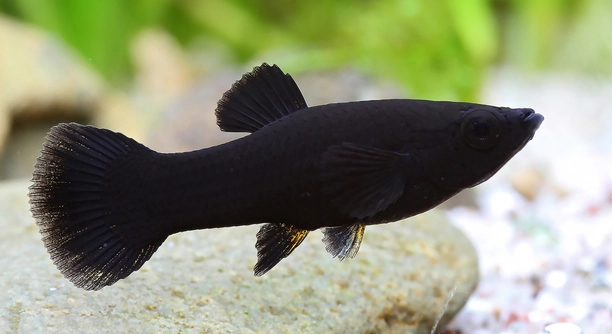
Are your black mollies acting strangely, swimming at odd angles in your aquarium? Many owners notice their fish sometimes hover head down, which can be alarming and confusing when you are trying to maintain a healthy tank environment.
The primary cause of a black molly swimming head down is swim bladder disorder. This condition affects buoyancy and balance, often resulting from overfeeding, constipation, or bacterial infections, disrupting normal swimming patterns and making it difficult for the fish to maintain orientation.
Understanding the reasons behind this behavior is important for maintaining your aquarium’s health and ensuring your black molly remains active and comfortable.
Common Causes of Head-Down Swimming
Black mollies can start swimming head down for several reasons, often linked to health or environmental issues. One of the most frequent causes is swim bladder disorder, which affects the fish’s ability to maintain proper buoyancy. Overfeeding can lead to constipation, causing the swim bladder to compress and disturb balance. Uneaten food left in the tank can also contribute to poor water quality, which stresses fish and impacts swimming behavior. Another potential factor is bacterial or parasitic infections, which may inflame internal organs and disrupt the swim bladder. Changes in water parameters, such as sudden shifts in temperature, pH, or hardness, can also make mollies uncomfortable and unsteady. Even overcrowding can cause stress that affects their orientation. Monitoring tank conditions closely and keeping a consistent feeding schedule can prevent many issues. Observing other fish for similar behavior can also help identify whether the problem is individual or systemic.
Proper tank maintenance often prevents recurring swim bladder issues in black mollies, keeping them balanced and healthy.
Preventing head-down swimming involves feeding smaller portions, checking water quality regularly, and isolating sick fish when needed.
Treatment Options for Swim Bladder Disorder
When a black molly shows head-down swimming, prompt intervention can improve recovery chances. The first step is fasting the fish for a day or two, which allows the digestive system to clear and may relieve pressure on the swim bladder. Offering cooked, peeled peas in small amounts can help with constipation, as their fiber aids digestion. Adjusting water temperature slightly can stimulate metabolism and improve buoyancy control. If symptoms persist, testing water for ammonia, nitrite, and nitrate levels is essential, since poor water quality can exacerbate health issues. Antibiotics or anti-parasitic treatments may be necessary if infections are present, but these should be used carefully following proper guidelines. Isolating the affected molly in a small tank or breeding box with gentle aeration helps reduce stress and gives it room to recover. Regular observation is important to track improvements and prevent relapses. Recovery often takes several days to weeks, depending on the underlying cause, but consistent care usually leads to full recovery and restored swimming behavior.
Adjusting Diet and Feeding Habits
Overfeeding is a major factor in swim bladder problems. Feeding smaller portions more frequently helps mollies digest better and prevents bloating. Avoid giving them too many dry flakes at once, and remove leftover food promptly to keep the tank clean.
Offering a variety of foods supports digestion and overall health. Black mollies benefit from high-quality flake food, supplemented with frozen or live options like daphnia or brine shrimp. Vegetables like zucchini or peas can aid in preventing constipation. Feeding smaller amounts multiple times a day encourages consistent digestion. Avoid sudden diet changes, as this can stress their system. Regular observation ensures you notice changes in appetite or behavior early, allowing timely adjustments before issues develop.
Consistently maintaining proper feeding routines helps mollies stay active and balanced. It also reduces stress on their swim bladder. Incorporating vegetables and occasional live foods keeps them healthy, supports gut function, and minimizes digestive problems. Small, measured portions prevent bloating, which is crucial for buoyancy control. Tracking their feeding habits and monitoring waste helps ensure the diet is effective. When mollies are well-fed but not overfed, their energy levels improve, swimming becomes steady, and head-down behavior is far less likely to appear.
Tank Conditions and Water Quality
Water quality directly impacts fish health and swimming behavior. Regular testing for pH, ammonia, nitrite, and nitrate levels keeps the tank safe. Overcrowding and dirty water increase stress and can worsen swim bladder issues.
Maintaining consistent temperature and water parameters is key for mollies. Black mollies thrive in slightly alkaline water with moderate hardness. Sudden changes in temperature or chemistry can shock the fish, leading to buoyancy problems. Using a filter and performing partial water changes weekly keeps the environment clean. Aeration helps provide oxygen, which supports digestion and metabolism. Observing fish after any changes allows early detection of stress or illness. Reducing tank population or separating aggressive fish can also prevent stress-related swimming issues. Proper tank care ensures fish are healthy, active, and swim normally.
Clean, stable water creates a healthy habitat and reduces the risk of swim bladder problems. Monitoring all parameters and maintaining a regular cleaning schedule helps mollies remain balanced. Consistency in temperature, pH, and hardness prevents sudden stress, which often triggers head-down swimming. Providing adequate filtration and aeration supports digestion and oxygenation, which are critical for buoyancy. A well-maintained tank encourages natural swimming behavior and keeps mollies active. Observing their interactions and condition after changes ensures long-term stability and prevents recurring issues.
Observing Behavior and Early Signs
Noticing early signs of swim bladder problems helps prevent serious issues. Watch for head-down swimming, difficulty rising, or floating sideways. Prompt action can make treatment easier and recovery faster.
Pay attention to changes in appetite or energy. Sudden lethargy or refusal to eat may indicate underlying problems. Regular observation ensures you catch issues before they worsen.
Isolation and Recovery
Separating affected mollies into a small, calm tank allows focused care. Reduced stress and controlled feeding help the swim bladder heal. Maintain stable temperature, gentle aeration, and clean water. This controlled environment gives the fish space to regain balance and normal swimming patterns while limiting exposure to potential infections or aggressive tank mates. Monitor the fish daily to track progress, and adjust care as needed. Recovery times vary, but consistent attention often results in steady improvement. Providing high-fiber foods like peas can support digestion, reduce bloating, and assist in buoyancy restoration during recovery.
Monitoring Tank Mates
Other fish can influence stress levels and behavior. Watch interactions to ensure no bullying occurs, which could worsen swim bladder problems.
FAQ
Why is my black molly floating head down suddenly?
Sudden head-down swimming in black mollies is often caused by swim bladder issues. This can result from overfeeding, constipation, or water quality problems. Stress from aggressive tank mates or sudden changes in temperature and pH can also contribute. Identifying the cause quickly helps prevent worsening symptoms.
Can overfeeding really affect swim bladder health?
Yes, overfeeding is a common factor in swim bladder problems. Excess food can cause constipation and bloating, putting pressure on the swim bladder. Feeding smaller portions several times a day and removing uneaten food reduces stress on the digestive system and prevents buoyancy issues.
Is water quality important for preventing head-down swimming?
Absolutely. Poor water quality increases stress and makes fish more susceptible to swim bladder disorders. Regularly testing pH, ammonia, nitrite, and nitrate levels, performing partial water changes, and keeping the tank clean supports overall health and reduces swimming problems.
Can constipation cause a black molly to swim head down?
Constipation is a frequent cause. When the digestive system is blocked, the swim bladder can become compressed, disrupting balance. Feeding high-fiber foods like cooked peas in small amounts can help relieve constipation and restore normal swimming behavior.
Do infections affect swimming behavior?
Bacterial or parasitic infections can inflame internal organs and disturb the swim bladder, resulting in head-down swimming. If other symptoms appear, such as lethargy, clamped fins, or abnormal coloration, treatment with appropriate medications may be necessary. Quarantining affected fish can prevent the spread of disease.
How long does it take for a molly to recover from swim bladder problems?
Recovery time varies based on the cause and severity. Mild digestive issues may improve within a few days with proper feeding and care. More severe infections or chronic issues may take several weeks. Consistent observation and maintaining ideal tank conditions are crucial for recovery.
Should I isolate my affected molly?
Isolating a sick molly is often helpful. A separate tank reduces stress from other fish and allows better control over temperature, feeding, and water quality. Gentle aeration and minimal disturbance support recovery while preventing the spread of potential infections.
Can diet changes prevent future problems?
Yes, diet plays a significant role in preventing swim bladder disorders. Feeding a balanced mix of high-quality flakes, frozen or live foods, and occasional vegetables ensures proper digestion. Avoid sudden diet changes and large meals, and monitor for signs of bloating or constipation.
Do tank mates affect swim bladder health?
Yes, aggressive or overly active tank mates can stress black mollies, making swim bladder issues worse. Observing social dynamics and separating aggressive fish or providing plenty of hiding spots can reduce stress and improve overall swimming behavior.
Are head-down swimming issues permanent?
Most swim bladder problems are temporary if addressed promptly. With proper feeding, clean water, and careful observation, black mollies usually recover and regain normal swimming patterns. Chronic or untreated conditions can lead to long-term complications, so early intervention is important.
Can temperature changes impact buoyancy?
Sudden shifts in temperature can stress fish and disrupt metabolism, leading to swim bladder problems. Maintaining stable, moderate water temperatures appropriate for black mollies supports normal digestion and buoyancy. Gradual adjustments are necessary when changing tank conditions.
Is it normal for mollies to occasionally swim at odd angles?
Occasional slight tilting may occur during normal swimming or after eating. Persistent head-down swimming, however, indicates a problem that should be addressed. Observing patterns over time helps distinguish minor behavior from a serious health issue.
What else can help mollies recover faster?
Reducing stress, feeding high-fiber foods, keeping water clean, maintaining stable temperature, and providing isolation if needed are all effective. Gentle observation and consistent care allow the fish to regain balance and prevent relapse of head-down swimming behavior.
How often should I monitor my black molly?
Daily observation is ideal. Watch swimming patterns, appetite, and behavior. Noting small changes early allows timely action, whether adjusting diet, cleaning the tank, or isolating a sick fish. Early attention improves recovery outcomes and maintains a healthy tank environment.
Are there any signs that indicate the problem is severe?
Yes, persistent head-down swimming, bloating, lethargy, clamped fins, or discoloration signal a more serious issue. These symptoms may indicate infections, severe constipation, or organ issues. Immediate intervention with proper care, medication, or professional advice is recommended.
Can swim bladder issues reoccur?
They can, especially if the underlying cause is not addressed. Overfeeding, poor water quality, stress, or recurring infections increase the risk. Maintaining proper diet, tank conditions, and regular monitoring helps prevent relapses and ensures long-term health.
Is it safe to medicate a molly for swim bladder problems?
Medication should only be used when necessary, such as treating infections. Always follow guidelines for dosage and tank conditions. Overuse or incorrect application can harm the fish and the tank ecosystem. Observation and natural remedies like fasting and high-fiber foods often work for mild cases.
How do I know if my molly is fully recovered?
Full recovery is usually indicated by normal, steady swimming, consistent appetite, and active behavior. Regular monitoring after treatment helps ensure the fish remains healthy, and minor adjustments in diet or tank care can prevent recurrence.
What long-term care supports black molly health?
Balanced diet, clean water, stable temperature, proper tank population, and observation for early signs of illness are essential. Maintaining these conditions reduces stress and helps prevent swim bladder issues, ensuring black mollies remain active, balanced, and healthy over time.
Black mollies are generally resilient fish, but unusual swimming behaviors like head-down swimming can be concerning. Observing these changes early is key to addressing any underlying issues before they become serious. Many cases are linked to swim bladder problems, which affect the fish’s ability to maintain proper balance in the water. Overfeeding, constipation, stress, or poor water quality often play a role, and understanding these factors allows owners to act quickly. Simple adjustments in diet, water parameters, and tank conditions can often correct the problem without complicated interventions. Regular observation helps spot minor changes in behavior, appetite, or activity that might otherwise go unnoticed, giving you the chance to address them promptly.
Providing a balanced diet is one of the most effective ways to support a black molly’s health. Feeding smaller portions more frequently can prevent constipation and bloating, which are common contributors to swim bladder issues. Incorporating vegetables like cooked peas can improve digestion, while occasional live or frozen foods add variety and nutritional value. Avoiding overfeeding and removing uneaten food helps maintain both the fish’s health and the cleanliness of the tank. Consistency in feeding routines not only reduces the risk of digestive problems but also supports stable energy levels, making swimming more natural and controlled. When combined with proper tank care, a steady diet creates a foundation for long-term health and reduces the likelihood of repeated swim bladder problems.
Maintaining tank conditions is equally important. Regular water testing, partial water changes, and stable temperatures reduce stress and promote overall well-being. Isolating affected fish when necessary and ensuring peaceful tank mates helps mollies recover faster and prevents further complications. Observing interactions and swimming patterns daily allows early detection of potential issues, whether related to disease, diet, or environment. Recovery from swim bladder problems often takes time, but consistent care and attention usually lead to restored swimming behavior and improved overall health. By keeping these practices in mind, black molly owners can enjoy active, balanced fish while minimizing the risk of recurring problems.

Hello,
If you enjoy the content that we create, please consider saying a "Thank You!" by leaving a tip.
Every little bit helps us continue crafting quality advice that supports the health, happiness, and well-being of pets around the world, for pets of all shapes, sizes, and species.
We really appreciate the kindness and support that you show us!