7 Fry Behaviors That Suggest They’re Ready to Wean
Have you ever watched your fry grow and wondered when they might start shifting toward more independent feeding habits as they mature? Their daily behavior can offer clear signs that they are moving toward this important stage in their development. Understanding these moments helps you support their needs with confidence. Fry behavior that signals readiness … Read more
Can You Add New Black Molly to an Old Tank?

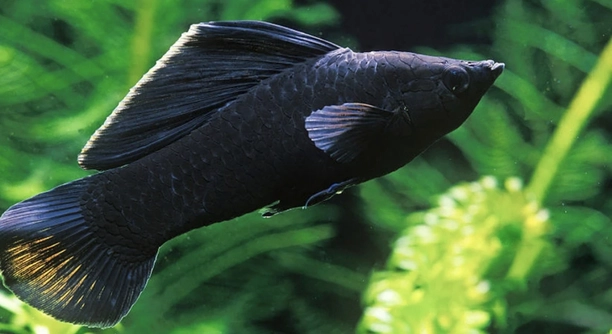
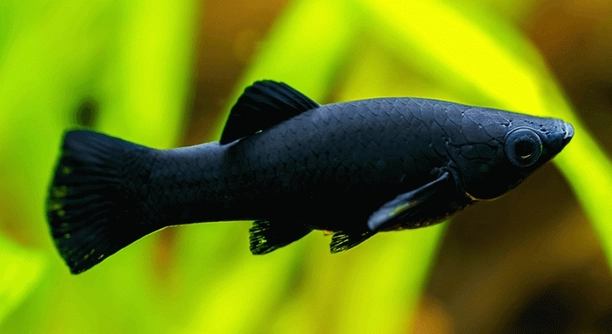
Introducing new fish to an established aquarium can feel overwhelming, especially when considering black mollies. Tank dynamics, water quality, and fish behavior all play roles in determining whether the addition will be successful and harmonious. Adding a new black molly to an old tank is possible if proper precautions are taken. Quarantine the new fish, … Read more

7 Lighting Conditions Black Molly Prefer

Black Mollies are small, lively fish that brighten up any aquarium with their shiny black scales. They thrive in environments that suit their natural preferences, especially when it comes to lighting conditions. Proper lighting helps them stay active and healthy. Black Mollies prefer moderate lighting that mimics natural daylight, avoiding extremes of too bright or … Read more

7 Behaviors Black Molly Show When Lonely

Black Mollies are lively and social fish, but they can feel lonely if left alone in a tank. Observing their behavior can help owners understand their emotional state and provide the care they need for a happy environment. When lonely, Black Mollies often swim aimlessly or hide more than usual. They may reduce eating, show … Read more

Why Do Black Molly Swim with Their Heads Tilted?

Many aquarists enjoy watching Black Mollies swim gracefully in their tanks. These small, dark-colored fish often display a unique habit, capturing attention with a behavior that seems unusual at first glance in everyday observation. Black Mollies tilt their heads while swimming primarily due to swim bladder adjustments. This organ helps control buoyancy, allowing the fish … Read more

7 Warning Signs of Ammonia Issues in Black Molly Tanks

Ammonia is a common concern for Black Molly tanks and can quietly affect fish health over time. Even minor changes in water quality can lead to serious problems if not noticed early and addressed promptly. High ammonia levels in Black Molly tanks can cause stress, gill damage, and lethargy. Identifying warning signs such as gasping … Read more

Can Black Molly Feel Safe in an Open Tank?

Black Molly fish are a popular choice for home aquariums due to their striking appearance and lively behavior. Their adaptability makes them suitable for various tank setups, but their sense of security in an open environment is worth considering. Black Molly can feel safe in an open tank if environmental conditions mimic their natural habitat. … Read more

7 Reasons for White Film on Black Molly Skin

Do you ever find yourself worried about the pale patches appearing on your black molly’s skin, noticing how they change its shine while leaving you unsure about what might be going on in its environment. White film on black molly skin typically results from fungal infections, bacterial issues, parasitic irritations, or stress related to water … Read more

Why Is My Black Molly Floating at an Angle?

Have you ever noticed your black molly behaving oddly and wondered what might be causing its unusual posture in the water? Sometimes small changes in behavior can hint at underlying issues that deserve closer look. The primary reason a black molly floats at an angle relates to stress or internal imbalance caused by environmental factors. … Read more

Why Is My Black Molly Fry So Still?

Do you ever notice your black molly fry floating quietly in the tank while the others swim around energetically? Sometimes their stillness can make you worry, especially if you are new to keeping these tiny fish. The most common reason a black molly fry remains still is due to stress, poor water conditions, or insufficient … Read more