
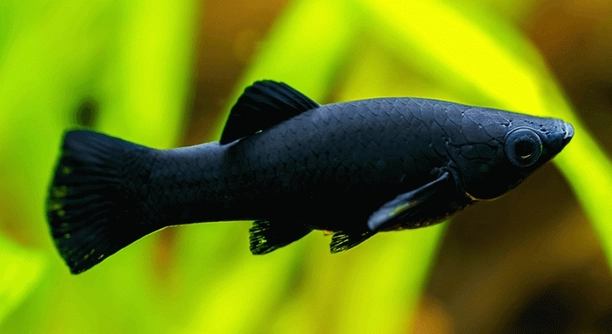
Ammonia is a common concern for Black Molly tanks and can quietly affect fish health over time. Even minor changes in water quality can lead to serious problems if not noticed early and addressed promptly.
High ammonia levels in Black Molly tanks can cause stress, gill damage, and lethargy. Identifying warning signs such as gasping at the surface, clamped fins, or unusual swimming patterns is essential to prevent long-term harm and maintain a stable aquatic environment.
Recognizing early indicators of ammonia buildup ensures your Black Mollies remain healthy and active while avoiding preventable tank complications.
Gasping at the Surface
When Black Mollies start coming to the surface frequently and appear to be gasping for air, it is often a clear sign of elevated ammonia levels. Ammonia reduces the oxygen-carrying capacity of the water, making it harder for fish to breathe. Even if your tank looks clean, the water chemistry can still be harmful. This behavior is more noticeable in smaller tanks or tanks with poor filtration. Observing your fish closely during feeding and rest periods can reveal subtle signs of distress. Early detection allows for immediate intervention, such as partial water changes or testing water parameters. Regular monitoring ensures you catch issues before they escalate, keeping the environment safe. Filtration, proper feeding, and routine maintenance all help maintain stable ammonia levels, reducing the likelihood of respiratory stress in your Black Mollies. Overlooking these signs can lead to more severe health problems that become harder to reverse.
Ammonia stress can quickly weaken Black Mollies, making them more vulnerable to disease and infections.
Consistent observation and water testing create a safer environment. Simple adjustments like reducing feeding amounts or increasing aeration can relieve immediate stress. Ensuring the filtration system is functioning properly and performing regular water changes will prevent ammonia spikes. Avoid overstocking the tank and remove decaying organic matter promptly. These small, proactive measures make a big difference in fish health. Black Mollies respond well to a clean, stable environment, and early action can save them from prolonged suffering.
Clamped Fins and Lethargy
Clamped fins, where the fish hold their fins close to the body, often indicate water stress or irritation.
Fins clamping and lethargy usually signal prolonged exposure to ammonia.
Ammonia irritates the skin and gills, causing discomfort and reducing mobility. Black Mollies may hide more, swim less, or stay near the bottom of the tank. When combined with dull coloration or loss of appetite, it becomes even more concerning. Testing water for ammonia, nitrites, and nitrates provides a clearer picture of the tank’s health. Sudden changes in water parameters or overfeeding can contribute to spikes. Maintaining a proper filtration system, performing partial water changes, and controlling feeding routines can reverse these symptoms. Observing behavioral changes early prevents long-term health damage and keeps your fish active and vibrant. Consistency in water quality management ensures Black Mollies thrive without repeated stress from toxins. Monitoring behavior daily helps catch subtle signs before they develop into serious problems.
Loss of Appetite
A sudden drop in appetite is often a response to stress from high ammonia levels. Black Mollies may ignore food they normally eat eagerly, which can weaken them quickly if not addressed.
Ammonia irritates the gills and digestive system, making it uncomfortable for fish to eat. Over time, reduced feeding can lead to weight loss, reduced immunity, and slower growth. Observing consistent eating habits helps identify when something is off. Even slight changes in behavior or energy levels can signal an underlying water quality problem. Immediate testing and partial water changes can relieve discomfort. Keeping feeding moderate and frequent helps maintain stable water chemistry while encouraging normal eating patterns. Black Mollies will gradually regain appetite once the environment stabilizes, but prolonged exposure to toxins can create lasting health issues if ignored.
Monitoring tank conditions is essential. Filtration, water changes, and careful feeding schedules prevent ammonia spikes and support consistent eating habits. Maintaining stable water quality reduces stress and ensures your fish stay active and healthy.
Unusual Swimming Patterns
Erratic swimming, sudden darting, or slow movement is a common response to ammonia stress. Black Mollies may circle the tank repeatedly or hover near the surface for extended periods.
Ammonia irritates the nervous system and gills, causing confusion and discomfort in swimming behavior. Fish may struggle to maintain balance, appear disoriented, or collide with tank decorations. Poor water quality or overstocking can intensify these patterns. Keeping the tank well-oxygenated and performing routine water changes reduces stress. Observing and noting these behaviors allows you to respond quickly, preventing prolonged exposure to toxins. Adjusting filtration, removing waste, and testing water parameters regularly ensures the environment is safe. With stable conditions, normal swimming habits typically return within days, but ignoring the signs can lead to severe long-term health effects.
Even minor shifts in swimming behavior can indicate stress before physical symptoms appear. Prompt water testing, proper filtration, and careful tank maintenance support healthier, calmer fish.
Reddened Gills
Red or inflamed gills are a direct sign of ammonia irritation. Black Mollies with reddened gills may breathe rapidly or stay near the surface to access oxygen.
Persistent exposure to ammonia damages gill tissue, reducing oxygen absorption and causing discomfort. Immediate water testing and partial changes are essential to protect fish health.
Increased Mucus Production
Ammonia stress often triggers excessive mucus production on the skin and gills. This layer acts as a protective response to chemical irritation.
Excess mucus can make fish appear slimy and affect swimming. Over time, it can lead to reduced oxygen intake and vulnerability to infections. Maintaining clean water and monitoring ammonia levels prevents these issues, ensuring Black Mollies stay healthy.
Dull Coloration
Ammonia exposure can cause Black Mollies to lose their natural vibrant colors. Fish may appear pale or faded compared to normal appearance.
Color fading is an early sign of stress and poor water quality. Addressing ammonia spikes promptly helps restore the fish’s natural coloring and overall vitality.
FAQ
How can I quickly test ammonia levels in my Black Molly tank?
The fastest way is to use an ammonia test kit available at most pet stores. These kits provide a color-coded result that indicates the concentration in the water. Testing weekly or whenever you notice unusual behavior helps you detect problems early. Always follow the instructions carefully to ensure accurate results.
What immediate steps should I take if ammonia is high?
Perform a partial water change of 25–50 percent to dilute ammonia levels. Remove any uneaten food and debris, and check that your filter is working properly. Increasing aeration temporarily helps fish breathe easier while the water stabilizes. Retest the water after changes to confirm improvement.
Can overfeeding cause ammonia spikes?
Yes. Uneaten food decomposes and releases ammonia, raising levels in the tank. Feed small amounts that fish can consume within a few minutes. Reducing feeding frequency or quantity can help maintain stable water chemistry and prevent ammonia buildup.
How often should I clean my tank to prevent ammonia problems?
Regular maintenance is essential. Partial water changes once a week and removing debris from the substrate can prevent ammonia accumulation. Clean the filter according to manufacturer instructions but avoid using untreated tap water that can kill beneficial bacteria. Consistency is key to keeping water safe.
Are certain tank sizes better for Black Mollies regarding ammonia?
Larger tanks dilute ammonia more effectively than smaller tanks. Overcrowding can quickly raise ammonia levels. Maintaining proper stocking levels and ensuring adequate filtration helps reduce stress and keeps water chemistry stable, creating a healthier environment for your fish.
How do I know if my Black Mollies are recovering from ammonia stress?
Improvement is visible through normal swimming patterns, restored appetite, brighter coloration, and reduced gill redness. Continue regular water testing and maintenance to prevent a recurrence. Recovery may take several days depending on the severity of exposure and overall tank conditions.
Can plants help manage ammonia in the tank?
Yes. Live plants absorb ammonia, nitrites, and nitrates as nutrients. Fast-growing species like hornwort or water sprite are particularly effective. While plants assist in maintaining water quality, they are not a replacement for proper filtration and regular water changes.
What role does filtration play in controlling ammonia?
Filters support beneficial bacteria that convert ammonia into less harmful substances. A properly maintained filter prevents spikes and keeps the tank balanced. Make sure the filter is rated for your tank size, and clean it gently to avoid disturbing the bacterial colonies.
Is it safe to add chemicals to remove ammonia?
Ammonia-removing products are available but should be used cautiously. They can provide temporary relief but do not replace water changes or proper maintenance. Always follow dosage instructions and continue monitoring water quality to ensure long-term safety for your Black Mollies.
How do I prevent ammonia issues in the long term?
Regular water testing, consistent partial water changes, avoiding overfeeding, maintaining filtration, and keeping the tank properly stocked all help prevent ammonia problems. Observing fish behavior and water clarity daily allows you to address minor issues before they become serious, ensuring a stable, healthy environment.
Can adding new fish affect ammonia levels?
Yes. Introducing multiple fish at once can overwhelm the existing biological filter, leading to spikes. Quarantine new fish and add them gradually while monitoring water parameters to give beneficial bacteria time to adjust. This minimizes stress on both new and existing Black Mollies.
What are the early signs I should watch for to catch ammonia problems?
Look for frequent surface gasping, clamped fins, dull coloration, reduced appetite, lethargy, erratic swimming, red gills, and increased mucus. Observing these subtle changes can alert you to rising ammonia levels before serious harm occurs. Early intervention is critical to maintaining fish health.
Are some Black Mollies more sensitive to ammonia than others?
Yes. Younger or weaker fish are generally more vulnerable to ammonia stress. Genetic factors and previous health issues can also play a role. Providing a stable, clean environment benefits all fish, but it is especially important for sensitive individuals.
How long can Black Mollies survive in high ammonia before it becomes fatal?
The time varies depending on concentration and fish health. Even moderate levels over a few days can cause significant stress and organ damage. Severe spikes can be fatal within hours. Prompt detection and corrective action are essential to prevent long-term harm or death.
Does temperature affect ammonia toxicity?
Higher water temperatures increase the toxicity of ammonia. Warm water can accelerate chemical reactions and metabolism in fish, making them more susceptible to stress. Maintaining stable temperatures within the recommended range for Black Mollies helps reduce ammonia-related risks.
Can I rely solely on ammonia-absorbing media in the filter?
While media like zeolite can remove some ammonia, it is not a complete solution. It should be used alongside regular water changes, proper filtration, and careful feeding. Relying only on chemical absorption can mask underlying water quality issues, leading to recurring problems.
How does ammonia affect the immune system of Black Mollies?
Even low levels of ammonia over time suppress the immune system, making fish more prone to infections and diseases. Preventing ammonia buildup is crucial to ensure Black Mollies remain strong and resistant to illness, maintaining their overall vitality.
What is the safest way to acclimate Black Mollies to a new tank to prevent ammonia problems?
Introduce fish slowly, monitor water parameters, and avoid overfeeding. Allow beneficial bacteria to establish in a new tank before adding a full stock. Gradual acclimation ensures ammonia levels remain low and reduces stress on the fish.
Is tap water safe to use for water changes regarding ammonia?
Tap water often contains chlorine or chloramines, which can harm beneficial bacteria. Treat water with a dechlorinator before adding it to the tank. Properly prepared tap water supports a healthy biological filter and prevents ammonia spikes, keeping Black Mollies safe.
How can I monitor ammonia without testing kits daily?
Observe fish behavior closely. Signs like gasping, clamped fins, dull colors, and reduced activity often precede measurable ammonia spikes. Regular, scheduled testing remains the most reliable method, but attentive observation can alert you to problems between tests.
Does overstocking increase the risk of ammonia issues?
Yes. More fish produce more waste, quickly raising ammonia levels if the filter and water changes are insufficient. Maintaining recommended stocking levels and providing adequate filtration ensures a balanced, safe environment for all Black Mollies.
Can ammonia issues be reversed completely?
Yes, if detected early. Prompt water changes, proper filtration, moderate feeding, and monitoring water parameters allow fish to recover. Severe or prolonged exposure may cause lasting damage, but consistent care can restore overall health and prevent future problems.
What are the long-term consequences of ignoring ammonia signs?
Prolonged exposure can lead to chronic stress, weakened immunity, gill damage, stunted growth, and premature death. Preventing ammonia accumulation is essential to maintain a thriving, active, and visually vibrant Black Molly tank. Early attention to water quality is critical.
How often should I replace filter media to control ammonia effectively?
Replace chemical media like ammonia absorbers as recommended, but avoid disturbing biological media too often. Beneficial bacteria colonies are essential for ammonia conversion. Gradual replacement maintains filtration efficiency without destabilizing the tank ecosystem.
Can Black Mollies recover from repeated minor ammonia exposure?
Yes, with proper care. Consistent water changes, stable water parameters, and attentive monitoring allow recovery. However, repeated exposure may cause cumulative stress, increasing vulnerability to disease and reducing overall lifespan. Preventive measures are more effective than repeated recovery efforts.
Are there signs that indicate ammonia levels are low and safe?
Healthy behavior, normal appetite, bright coloration, active swimming, and clear gills indicate low ammonia levels. Water tests confirming zero or near-zero ammonia provide confirmation. Maintaining these conditions prevents stress and supports long-term health.
Does lighting or tank placement influence ammonia buildup?
Indirectly. Excessive light can promote algae growth, which may deplete oxygen or release nutrients affecting water chemistry. Tank placement away from direct sunlight and maintaining a balanced light schedule help reduce stress and support stable water parameters.
Can frequent partial water changes prevent ammonia from accumulating?
Yes. Regular partial water changes dilute ammonia, remove waste, and replenish essential minerals. They are one of the most effective ways to prevent spikes and keep Black Mollies healthy over time. Consistency is key to maintaining a stable tank environment.
Is it necessary to test for nitrites and nitrates as well as ammonia?
Yes. Ammonia is converted to nitrites and then nitrates by beneficial bacteria. Testing all three ensures the nitrogen cycle is functioning properly. Imbalances can indicate filtration issues or overstocking, requiring intervention to protect Black Mollies.
How can I make tank maintenance simpler to avoid ammonia problems?
Establish a regular schedule for water changes, substrate cleaning, and filter maintenance. Avoid overfeeding and monitor fish behavior daily. Keeping track of water test results helps anticipate problems before they become serious. A simple routine supports a stable, healthy environment for your Black Mollies.
What signs indicate that ammonia has been successfully controlled?
Fish exhibit normal activity, healthy coloration, appetite returns, gills are clear, and erratic swimming stops. Water tests show zero or very low ammonia levels. Consistent observation and maintenance confirm the tank is balanced and safe for long-term fish health.
Can I keep multiple types of fish in the same tank without causing ammonia issues?
Yes, but careful planning is required. Different species produce varying amounts of waste. Matching compatible species, avoiding overcrowding, and maintaining filtration and water changes prevent ammonia buildup and maintain a balanced environment for all tank inhabitants.
How important is substrate cleaning in controlling ammonia?
Very important. Uneaten food and waste accumulate in the substrate and decompose, releasing ammonia. Regular vacuuming or gentle cleaning removes debris, reduces ammonia production, and contributes to overall water quality and fish health.
Are there behavioral cues that indicate ammonia levels are worsening?
Increased gasping, hiding, rapid darting, clamped fins, and lethargy are signs that ammonia is rising. Noticing these early allows for corrective action before significant damage occurs. Observing fish behavior is a key preventive measure.
Can I prevent ammonia buildup entirely?
Complete prevention is difficult, but proper stocking, feeding, filtration, regular water changes, and plant inclusion minimize risk. Consistent observation and maintenance keep ammonia levels low, providing a safe and stable environment for Black Mollies.
How do seasonal changes affect ammonia levels?
Temperature fluctuations influence fish metabolism and bacteria activity. Warmer months can increase ammonia toxicity and metabolic waste, while colder months may slow bacterial processing. Monitoring water quality closely during seasonal changes ensures safe conditions year-round.
Is it normal for ammonia levels to fluctuate slightly?
Yes. Minor fluctuations occur naturally, but spikes above safe levels indicate an issue. Maintaining consistent testing and prompt corrective actions ensures that fluctuations do not harm Black Mollies. Regular observation and maintenance keep the tank balanced.
How do I balance feeding to minimize ammonia production?
Feed only what fish can consume in a few minutes. Remove uneaten food promptly and avoid overfeeding. Small, frequent meals are better than large amounts. Proper feeding reduces waste, maintains water quality, and prevents ammonia spikes effectively.
Are juvenile Black Mollies more sensitive to ammonia than adults?
Yes. Young fish have less developed gills and immune systems, making them more vulnerable. Extra care with water quality, feeding, and filtration helps protect juveniles from the harmful effects of ammonia exposure.
Can medications or treatments increase ammonia levels?
Some chemical treatments can stress the biological filter or introduce extra waste, indirectly raising ammonia. Always follow instructions and monitor water quality closely when treating fish to avoid unintended spikes. Proper care ensures safety during medication use.
Does tank cycling prevent ammonia problems?
Yes. Properly cycling a tank establishes beneficial bacteria that convert ammonia into less harmful substances. A fully cycled tank is less prone to sudden spikes and provides a safer environment for Black Mollies. Patience during cycling is crucial for long-term stability.
How can I tell if my filter bacteria are healthy?
Healthy bacteria convert ammonia and nitrites efficiently. If ammonia or nitrites remain high despite a working filter, bacteria may be compromised. Avoid over-cleaning filter media and maintain steady water conditions to support bacterial health. Observation and testing confirm effectiveness.
Can I use multiple methods together to control ammonia?
Yes. Combining proper feeding, filtration, partial water changes, plants, and careful stocking creates a multi-layered approach. Using several methods together ensures stable water quality and reduces the likelihood of ammonia-related stress or illness in Black Mollies.
Is it safe to add more aeration during ammonia spikes?
Yes. Additional aeration increases oxygen levels, which can reduce stress on fish exposed to ammonia. While it does not remove ammonia, it provides temporary relief and helps fish tolerate short-term spikes while corrective actions are taken.
How long does it take for ammonia levels to stabilize after a spike?
Depending on water changes, filtration, and tank size, stabilization can take hours to days. Regular testing ensures levels are returning to safe ranges. Continued observation and maintenance prevent recurrence and support recovery for Black Mollies.
Are there natural indicators of water health besides testing kits?
Behavioral and physical cues in fish—like appetite, swimming, coloration, gill appearance, and mucus production—reflect water quality. While tests are more precise, these indicators can alert you to problems before they become critical. Observation complements regular testing effectively.
Does using a larger filter reduce ammonia problems?
A larger or more efficient filter processes more water and supports greater bacterial growth, reducing ammonia accumulation. Matching filter capacity to tank size and stocking levels is essential for consistent water quality and healthy Black Mollies.
Can ammonia affect reproduction in Black Mollies?
Yes. High ammonia levels cause stress that can reduce breeding activity, impair egg quality, and increase fry mortality. Maintaining low ammonia is crucial for successful reproduction and healthy offspring. Proper tank management ensures a safe environment for breeding.
How do I balance water changes with filter bacteria preservation?
Partial water changes remove ammonia without significantly disturbing bacteria. Avoid full water replacements or using untreated water, which can harm colonies. Gradual adjustments maintain bacterial populations while keeping water quality safe for Black Mollies.
Are there signs that ammonia problems are recurring?
Repeated gasping, clamped fins, lethargy, or dull coloration after previously resolving an issue indicates recurring ammonia problems. Monitoring water quality closely, adjusting feeding, and ensuring proper filtration help prevent repeated spikes.
Does tank size influence how often I need to test ammonia?
Smaller tanks accumulate ammonia more quickly and require more frequent testing. Larger tanks have more dilution but still need regular checks. Consistent monitoring ensures that water quality remains safe, regardless of tank size.
How do I ensure new plants do not introduce ammonia issues?
Rinse plants thoroughly before adding them to the tank to remove debris or pests. Observe for decaying leaves and remove them promptly. Healthy, clean plants contribute to water quality without increasing ammonia risk.
Can stress from ammonia affect lifespan?
Yes. Chronic stress from even low ammonia exposure weakens the immune system, slows growth, and can shorten the lifespan of Black Mollies. Maintaining stable, clean water ensures long-term health and vitality.
How can I make testing ammonia a habit?
Integrate it into weekly maintenance routines. Keep a log of results to track trends. Consistent testing allows early detection of issues and helps you adjust feeding, cleaning, and filtration before problems escalate. Regular habits prevent long-term stress on fish.
What should I do if ammonia spikes repeatedly despite precautions?
Investigate underlying causes such as overstocking, inadequate filtration, or overfeeding. Consider upgrading equipment, adjusting stocking levels, or reevaluating maintenance routines. Persistent spikes indicate an imbalance that needs correction to protect your Black Mollies.
Are tap water conditioners enough to prevent ammonia?
They neutralize chlorine or chloramines but do not remove existing ammonia. Proper filtration, water changes, and careful feeding are required for full ammonia control. Conditioners support water safety but are part of a broader maintenance plan.
Can I prevent ammonia issues by adding more bacteria supplements?
Bacterial supplements can help establish colonies, especially in new tanks. They are not a substitute for proper maintenance but can support the nitrogen cycle. Use as directed and continue monitoring water quality to ensure effectiveness.
Is ammonia harmful to other tank inhabitants besides Black Mollies?
Yes. Snails, shrimp, and other fish species are also sensitive to ammonia. Maintaining stable water parameters benefits all inhabitants and prevents stress or death across the tank community. Proper care is essential for a balanced ecosystem.
How can I adjust feeding during ammonia concerns?
Feed smaller portions more frequently, remove uneaten food promptly, and avoid high-protein diets that produce more waste. Proper feeding reduces ammonia production and keeps fish healthy during periods of water quality adjustments.
Does substrate type influence ammonia buildup?
Fine gravel or sand can trap waste more than larger substrates, potentially increasing ammonia if not cleaned regularly. Choosing a substrate that allows easy cleaning helps reduce accumulation and maintains better water quality for Black Mollies.
Can sudden water changes shock the fish while correcting ammonia?
Yes. Large, rapid changes can stress fish. Perform gradual partial water changes to reduce ammonia without causing temperature or chemical shock. Gradual adjustments ensure fish remain healthy and recover smoothly.
Are there seasonal maintenance adjustments for ammonia control?
Temperature and light fluctuations affect bacterial activity and metabolism. During warmer months, test water more frequently and increase aeration if necessary. Seasonal adjustments help maintain stable ammonia levels and support healthy Black Mollies year-round.
What is the most common mistake that leads to ammonia problems?
Overfeeding and neglecting water changes are the most frequent causes. Even minor lapses in maintenance allow waste accumulation and ammonia spikes. Consistency in care is critical to preventing stress and health issues in Black Mollies.
Can stress from ammonia cause aggressive behavior?
Yes. Stressed fish may become territorial or nip fins. Addressing water quality and reducing stressors helps restore calmer behavior and a stable social environment within the tank.
Is monitoring behavior more important than water testing?
Both are important. Behavior provides early warning signs, while testing gives precise data. Combining observation with regular testing ensures timely interventions and maintains safe ammonia levels.
How does overstocking affect ammonia tolerance?
More fish produce more waste, overwhelming filtration and increasing ammonia. Following stocking recommendations prevents rapid accumulation, reducing stress and maintaining overall tank health.
Can I rely solely on plants to manage ammonia?
Plants help but are not sufficient alone. Proper filtration, regular water changes, and careful feeding remain necessary to control ammonia effectively. Plants complement but do not replace other maintenance measures.
What are the signs of long-term ammonia damage?
Chronic lethargy, stunted growth, persistent clamped fins, faded coloration, and recurring illness indicate prolonged exposure. Early detection prevents long-term consequences and supports fish recovery.
Does the age of the tank influence ammonia risk?
New tanks are more vulnerable due to an incomplete nitrogen cycle. Established tanks with healthy bacteria colonies handle waste more effectively. Patience during cycling reduces the risk of ammonia spikes in new setups.
**How can I improve tank stability to
Final Thoughts
Maintaining a healthy Black Molly tank requires attention to water quality and consistent care. Ammonia is one of the most important factors to monitor because even small increases can cause significant stress to fish. Observing your Mollies’ behavior regularly helps identify potential problems early. Signs like gasping at the surface, clamped fins, lethargy, reduced appetite, erratic swimming, reddened gills, and dull coloration indicate that ammonia levels may be rising. Catching these issues early allows for corrective measures before serious damage occurs. Using a reliable test kit to measure ammonia provides concrete data and helps track changes over time. Combined with careful observation, this approach ensures that the fish remain in a stable and safe environment. Preventing ammonia buildup is much easier than reversing its effects, and it supports the long-term health of your Black Mollies.
Water changes, proper filtration, and controlled feeding routines are the foundation of ammonia management. Regular partial water changes dilute ammonia and other harmful substances while replenishing essential minerals. Filtration supports beneficial bacteria that convert ammonia into less harmful compounds, stabilizing the tank environment. Choosing an appropriate filter for the tank size and stocking level is crucial. Feeding should be moderate, with only the amount the fish can consume in a few minutes. Excess food decomposes and contributes to ammonia accumulation. Substrate cleaning also plays a role in maintaining water quality, as leftover food and waste can accumulate at the bottom of the tank. By following these practices consistently, ammonia spikes can be prevented, and Black Mollies can thrive in a safe, balanced environment.
Long-term health depends on establishing a stable routine and monitoring changes in both water parameters and fish behavior. Even healthy tanks can experience occasional fluctuations in ammonia levels, but timely interventions like partial water changes, checking the filter, and adjusting feeding schedules minimize stress for the fish. Incorporating live plants can support water quality, but they should not replace regular maintenance. Attention to detail in daily observation and weekly testing ensures that issues are detected before they become harmful. By creating and maintaining a consistent care routine, the tank environment remains supportive and balanced. Black Mollies respond well to clean, stable conditions, and with proper management, they exhibit vibrant coloration, active swimming, and healthy growth. Prioritizing ammonia control protects fish from unnecessary stress, promotes longevity, and allows for a thriving, visually appealing aquarium.

Hello,
If you enjoy the content that we create, please consider saying a "Thank You!" by leaving a tip.
Every little bit helps us continue crafting quality advice that supports the health, happiness, and well-being of pets around the world, for pets of all shapes, sizes, and species.
We really appreciate the kindness and support that you show us!