
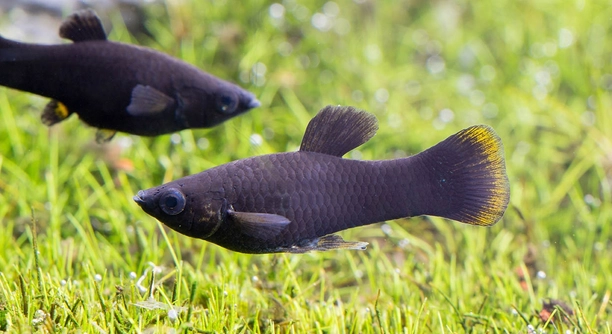
Black Molly fish are a popular choice for home aquariums due to their striking appearance and lively behavior. Their adaptability makes them suitable for various tank setups, but their sense of security in an open environment is worth considering.
Black Molly can feel safe in an open tank if environmental conditions mimic their natural habitat. Providing stable water parameters, sufficient hiding spots, and calm tank mates reduces stress, allowing them to display natural behaviors and maintain overall health effectively.
Creating a safe and comfortable space for Black Molly requires attention to tank setup and daily care routines. Proper adjustments can significantly impact their well-being and long-term happiness in an open environment.
Understanding Black Molly Behavior
Black Mollies are active fish that thrive in stable and predictable environments. They often swim near the surface and interact with other fish, but sudden movements or overcrowding can make them stressed. Observing their behavior helps you notice signs of discomfort, such as hiding excessively or showing erratic swimming patterns. Providing both open swimming areas and places to retreat is crucial. Plants, rocks, or decorative elements give them hiding spots while allowing space for natural exploration. Water conditions play a major role in their behavior. Temperature, pH levels, and filtration should be consistent to avoid unnecessary stress. Mollies are social, and keeping them in small groups helps maintain a sense of security. Tank mates should be chosen carefully to prevent aggression or dominance issues. Maintaining a routine feeding schedule also reassures them, creating a predictable environment that encourages calm and natural behavior. Attention to these details ensures that Mollies feel confident and secure.
Proper observation and environmental adjustments are key to their comfort in an open tank setting.
Creating a tank that balances space and shelter requires consistent monitoring. Plants and ornaments should be arranged to give both hiding spots and swimming areas. Keep water conditions stable and avoid sudden changes that could startle them. Small groups and compatible tank mates enhance social comfort. Feeding should occur at regular times to establish predictability. Watching their responses to these adjustments helps you identify what works best. Over time, Mollies become more relaxed and confident, exploring the tank freely. Consistent care, combined with thoughtful tank setup, supports both their physical health and emotional well-being, making them feel safe in an open environment.
Essential Tank Setup for Safety
Plants, rocks, and hiding spots are necessary for a balanced environment.
A proper tank setup is critical for Black Molly security. Start with a spacious tank that allows free swimming and has well-planned hiding spots. Live plants not only offer cover but improve water quality. Smooth rocks and decorations provide additional shelters without sharp edges. Substrate choice affects comfort, with fine gravel or sand being preferable. Adequate filtration maintains clean water while preventing strong currents that can stress the fish. Lighting should mimic natural conditions and avoid sudden bright flashes. Organizing the tank so that hiding spots are easily accessible reduces anxiety and promotes natural behavior. Regular maintenance ensures that the environment remains stable and safe. Observing how Mollies use the tank guides further adjustments, allowing for an optimized habitat. Combining all these factors creates a space where Black Mollies can thrive, exhibiting active and healthy behavior while feeling secure in their surroundings.
Feeding Habits and Safety
Black Mollies need a varied diet to stay healthy and reduce stress. Regular feeding of flakes, pellets, and occasional live or frozen foods helps them feel secure. Overfeeding can lead to water issues and discomfort, so portion control is important.
Feeding should be consistent to maintain both health and a sense of safety. Small amounts given two to three times a day work best. Including vegetables such as blanched spinach or zucchini supports their nutrition. Live or frozen foods like brine shrimp provide enrichment and stimulate natural hunting behaviors. Proper feeding encourages calm behavior and reduces competition among tank mates. Monitoring their intake ensures each fish receives enough without leaving excess that can affect water quality. Feeding routines also create predictability, which is essential for reducing stress in an open tank environment.
Watching how Mollies respond during feeding reveals a lot about their comfort level. Fish that feed confidently and swim openly usually feel secure. Any hesitation, hiding, or aggressive behavior may indicate stress or an unsuitable tank setup. Adjusting feeding locations or the type of food can help mollies feel safer. Balanced feeding supports overall health while reinforcing a sense of routine. Regular observation ensures both diet and behavior remain optimal, contributing to their long-term safety and happiness.
Water Conditions and Stability
Maintaining stable water parameters is essential for Black Molly safety and overall well-being. Sudden fluctuations cause stress and can lead to illness, making consistent monitoring crucial.
Temperature, pH, and hardness levels must remain within optimal ranges. Mollies prefer slightly alkaline water, with temperatures between 75 and 82°F. Filtration and gentle water movement help keep conditions stable without overwhelming the fish. Regular water testing prevents surprises and ensures the tank environment remains safe. Avoid rapid changes during cleaning or water replacement, as this can cause shock. Conditioning tap water to remove chlorine and balancing mineral levels supports both health and comfort. Stability in the environment allows mollies to exhibit natural behaviors confidently, reducing stress and encouraging long-term safety.
Consistency in water changes, filtration, and monitoring directly affects Black Molly comfort. Regular partial water changes remove toxins and prevent harmful buildup without altering the tank dramatically. Filters should be cleaned periodically to maintain efficiency while avoiding sudden disturbances. Observing fish behavior during water changes can indicate whether parameters are suitable. Sudden aggression, hiding, or lethargy often signals stress. Adjustments to temperature, pH, or hardness should be gradual. Providing a stable and predictable aquatic environment fosters security, promoting healthy behavior, growth, and overall safety. A well-maintained tank ensures mollies thrive without fear or unnecessary stress.
Tank Mates and Social Comfort
Choosing the right tank mates is important for Black Molly safety. Peaceful, similarly sized fish reduce stress, while aggressive or overly active species can cause anxiety and hiding.
Keeping Mollies with compatible species helps maintain a calm environment. Avoid fin-nippers and overly territorial fish. Small groups of similar peaceful fish allow natural social behaviors without competition or fear.
Lighting and Day-Night Cycle
Proper lighting supports Black Molly health and sense of security. Bright or inconsistent lighting can startle them, while soft, gradual illumination helps them feel safe. Adjusting lights to mimic natural day-night cycles encourages normal activity patterns and reduces stress.
Hiding Spots and Enrichment
Providing adequate hiding spots is essential for security. Plants, caves, or ornaments give refuge, helping Mollies feel safe while still allowing open swimming areas. Consistent use of these shelters reduces stress and promotes natural, confident behavior.
FAQ
Can Black Mollies live with other fish safely?
Yes, Black Mollies are generally peaceful and can coexist with other calm, similarly sized fish. Avoid aggressive or territorial species, as these can stress Mollies and reduce their sense of safety. Small groups of compatible fish help maintain a stable and secure environment.
How many Black Mollies should be kept together?
Keeping at least three to five Mollies together is ideal. They are social fish and feel more confident in small groups. Too few may make them shy or stressed, while overcrowding can lead to competition for space, hiding spots, and food, increasing anxiety.
What water conditions are best for Black Mollies?
They prefer slightly alkaline water, with a pH around 7.5 to 8.0, and temperatures between 75 and 82°F. Water hardness should be moderate. Stability is key, so avoid sudden changes during water changes or maintenance to prevent stress and illness.
Do Black Mollies need hiding spots in an open tank?
Yes, even in an open tank, Mollies need hiding spots. Plants, rocks, or decorative shelters provide refuge, reducing stress. These hiding areas allow them to retreat when feeling threatened, while still offering space for exploration and swimming. A balanced layout supports both safety and natural behavior.
What should I feed Black Mollies to keep them healthy?
A varied diet is best. Flakes, pellets, and occasional live or frozen foods like brine shrimp or daphnia support nutrition. Including blanched vegetables, such as spinach or zucchini, ensures fiber and vitamins. Feeding small amounts two to three times daily helps maintain health and predictability.
How often should I change water for Black Mollies?
Partial water changes of 20–30% once a week are ideal. This removes waste without causing sudden changes that stress the fish. Consistent water maintenance keeps parameters stable and prevents buildup of harmful substances, allowing Mollies to feel safe and maintain normal behavior.
Can Black Mollies tolerate bright lighting?
Bright or sudden lighting can startle them. Soft, gradual lighting that mimics natural day-night cycles is best. Consistent lighting encourages natural activity, reduces stress, and helps them feel secure in their environment. Plants and hiding spots also benefit from proper lighting.
How do I know if my Black Mollies feel safe?
Confident, relaxed swimming, consistent feeding, and interacting with tank mates are signs of comfort. Hiding only occasionally or exploring the tank without stress indicates they feel secure. Signs of discomfort include erratic swimming, hiding excessively, or aggression toward tank mates.
Are live plants necessary for Black Mollies?
Live plants are highly recommended. They improve water quality, provide natural hiding spaces, and reduce stress. Plants help mimic the natural environment, supporting calm behavior while giving Mollies places to explore and feel secure. Artificial plants can work but may not provide the same benefits.
Can Black Mollies live in an open tank without a lid?
Yes, as long as water conditions are stable, hiding spots are available, and tank mates are compatible. Ensure that the tank is safe from external disturbances and that jumping risks are minimized. A carefully arranged open tank can allow Mollies to swim freely while still feeling secure.
Do Black Mollies need a specific substrate?
A fine gravel or sand substrate is preferred. It provides a comfortable base for swimming and foraging. Avoid sharp or rough substrates that could injure them. The substrate also supports plant roots if live plants are included, contributing to a safer and more natural environment.
How can I reduce stress in Black Mollies?
Maintain stable water conditions, provide hiding spots, keep compatible tank mates, and feed consistently. Avoid overcrowding and sudden environmental changes. Observing their behavior regularly helps identify stress triggers, allowing adjustments to the tank setup or daily routine to enhance comfort and security.
Can Black Mollies breed in an open tank?
Yes, they can breed if conditions are stable, and there are enough hiding spots for fry. Breeding behavior does not necessarily increase stress if the tank is well-maintained. Fry may need separate areas or protection to ensure survival while maintaining the comfort of adult Mollies.
How do I prevent aggression among Black Mollies?
Aggression is rare among healthy Mollies, but overcrowding, poor tank setup, or incompatible tank mates can trigger it. Provide ample space, hiding spots, and keep group sizes moderate. Monitoring interactions ensures peace, allowing all fish to feel safe and reducing unnecessary stress.
Is water filtration necessary for Black Mollies?
Yes, proper filtration keeps water clean and stable. Filters prevent waste buildup, reduce harmful substances, and maintain oxygen levels. Gentle flow is important, as strong currents can stress Mollies. Regular filter maintenance ensures a healthy environment and supports their sense of security.
Do Black Mollies need supplemental vitamins or minerals?
A varied diet usually provides sufficient nutrients. Occasional supplementation can help if deficiencies appear, but over-supplementing is unnecessary. Focus on balanced feeding with high-quality flakes, pellets, and fresh or frozen foods. Healthy diet and clean water ensure long-term comfort and vitality.
How can I introduce new fish safely to Black Mollies?
Quarantine new fish for at least two weeks to prevent disease. Introduce them gradually and monitor interactions closely. Adding new tank mates slowly helps maintain stability and reduces stress, allowing Black Mollies to adjust without compromising their sense of safety.
Can sudden noise or vibrations affect Black Mollies?
Yes, loud noises, sudden vibrations, or rapid movement around the tank can startle them. Maintaining a calm environment and avoiding frequent disturbances helps Black Mollies remain relaxed and secure, encouraging natural swimming and feeding behavior.
What is the ideal tank size for Black Mollies?
A minimum of 20 gallons is recommended for a small group. More space allows natural swimming, reduces territorial behavior, and provides room for plants and decorations. A properly sized tank ensures comfort, reduces stress, and supports healthy, confident behavior.
How do I maintain consistent water parameters?
Regular testing, gradual water changes, and proper filtration are key. Condition tap water before use and avoid sudden adjustments in temperature or pH. Consistency supports physical health, reduces stress, and ensures Black Mollies feel safe and secure in their tank environment.
Can Black Mollies thrive in a planted open tank?
Yes, a planted open tank offers both shelter and swimming space. Plants improve water quality and provide hiding spots, creating a stable, secure environment. Combining plants with compatible tank mates, consistent feeding, and proper water care promotes confidence and long-term health.
Black Mollies are remarkable fish that adapt well to home aquariums when their basic needs are met. Ensuring a stable environment is the first step to helping them feel secure. Maintaining consistent water parameters, including temperature, pH, and hardness, supports their health and reduces stress. Sudden changes in the tank, whether from water shifts or rapid adjustments to lighting, can startle them and make them retreat. By keeping the environment stable, Mollies are able to swim freely, explore, and interact naturally with their tank mates. Their comfort largely depends on predictability, so establishing routines in feeding and tank maintenance helps them thrive over time.
Tank setup plays an equally important role in ensuring Black Mollies feel safe. Providing both open swimming areas and hiding spots allows them to balance exploration with retreat. Plants, rocks, and decorations not only offer shelter but also create a sense of security, which encourages normal behavior. Hiding spots should be accessible but not overcrowded, so Mollies can freely choose when to rest and when to be active. Additionally, considering their social nature is important; keeping them in small groups with peaceful tank mates reduces aggression and provides reassurance. Observing their behavior regularly helps identify stress triggers, making it easier to adjust the tank setup and maintain a calm environment.
Daily care and feeding routines further contribute to their safety and well-being. A varied diet, provided in controlled amounts, ensures proper nutrition without compromising water quality. Feeding at consistent times establishes predictability, helping Mollies feel secure. Proper lighting that mimics natural day and night cycles supports healthy activity and reduces stress. Regular water changes and filter maintenance are essential to remove waste and maintain cleanliness, but these should be done gradually to avoid sudden disturbances. Paying attention to these details, while combining a thoughtfully arranged tank, stable water conditions, and compatible tank mates, creates an environment where Black Mollies can not only survive but thrive. Their confidence, calm behavior, and natural activity are indicators that they feel safe and comfortable in an open tank setting.

Hello,
If you enjoy the content that we create, please consider saying a "Thank You!" by leaving a tip.
Every little bit helps us continue crafting quality advice that supports the health, happiness, and well-being of pets around the world, for pets of all shapes, sizes, and species.
We really appreciate the kindness and support that you show us!