
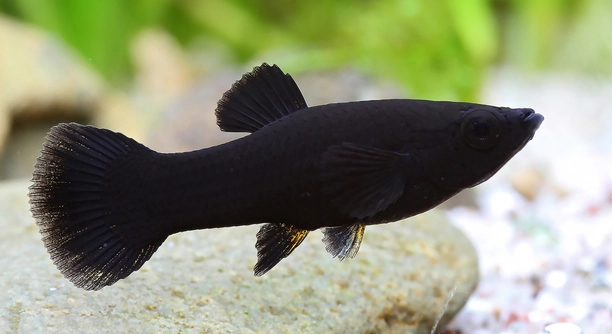
Do you ever find yourself worried about the pale patches appearing on your black molly’s skin, noticing how they change its shine while leaving you unsure about what might be going on in its environment.
White film on black molly skin typically results from fungal infections, bacterial issues, parasitic irritations, or stress related to water quality. These conditions disrupt the fish’s protective mucus layer, leading to visible patches that indicate underlying health imbalances requiring management.
Understanding these causes helps you support your molly’s well-being through simple adjustments that encourage stable conditions and improve overall comfort.
Fungal Infections
Fungal infections are one of the most common reasons black mollies develop a white film on their skin. These infections usually appear when the fish is exposed to stress, poor water conditions, or sudden changes that weaken its natural defenses. You might notice soft patches forming slowly, spreading across the surface as the protective layer loses strength. When this happens, the fish often becomes less active and may hide more than usual. The infection can progress quickly if the environment continues to affect the fish, so early attention is important. Clean water, stable temperature, and calm surroundings help reduce the strain that allows fungi to grow. Treating the issue with gentle aquarium-safe products offers support while you correct the conditions that encouraged the problem. Staying consistent with your tank care routine will help your molly remain comfortable and maintain healthy skin. This simple approach keeps your aquarium stable over time.
Addressing fungal infections quickly prevents the white film from becoming more severe. Consistent water changes, steady temperature control, and calm conditions reduce stress on your molly. These small steps support recovery and help the fish regain a healthy protective layer without adding unnecessary strain to its daily life gently overall.
Maintaining good habits after treatment helps your molly avoid repeated fungal issues. Regular testing keeps the water safe, and gradual changes prevent stress that weakens the skin. Offering space, clean surfaces, and stable lighting creates a comfortable environment the fish can depend on. When these conditions stay steady, the protective layer strengthens naturally and remains clear. Taking a little time each week to check the tank allows you to notice small changes before they turn into bigger concerns. This simple routine keeps your molly supported and reduces the chance of another white film appearing again in the near future overall.
Bacterial Irritations
Bacterial irritations often create a thin white layer on black mollies when the water quality drops or the tank becomes unstable. These conditions weaken the skin, allowing harmful organisms to grow and spread across sensitive areas that need steady support and prompt care to stay protected in daily tank life.
Bacterial issues tend to develop quietly when small imbalances begin affecting the tank. Even slight increases in waste or unnoticed filter problems can make the water less comfortable for your molly, allowing bacteria to cling to the skin and form a pale layer. When this happens, the fish may become slower, breathe more quickly, or show signs of irritation near the affected spots. Improving water quality is the first step toward relief because clean and stable conditions limit the growth of harmful organisms. Regular maintenance supports the fish while you treat the problem with aquarium-safe products designed to manage bacterial stress. Keeping the tank well circulated with steady filtration prevents debris from collecting on surfaces where bacteria thrive. Offering a balanced diet and calm space helps your molly recover as its protective layer strengthens again. Over time, these simple habits create an environment where bacterial irritations are less likely to appear. Staying attentive to small changes allows you to address problems early and keep the skin clear, smooth, and comfortable.
Parasitic Irritations
Parasitic irritations form a white layer when organisms like flukes or protozoa attach to the skin and disrupt its natural coating. These parasites thrive in unstable water conditions, spreading quickly if the tank is not maintained with consistent care and proper cleaning routines.
These organisms cling to the surface of the molly’s skin and cause small patches that gradually grow as irritation increases. The fish may rub against objects, swim unevenly, or appear more stressed as the parasites multiply. Immediate attention helps limit their impact, especially when combined with steady water changes and gentle treatments designed for aquarium use. Clean conditions make it harder for parasites to reproduce, allowing the protective layer to rebuild without added strain.
Ongoing support keeps the skin strong after treatment ends. A stable environment with balanced filtration reduces the chance of parasites returning. Regular observation helps you notice early signs before they spread. When the tank remains clean and predictable, the fish stays comfortable, and the protective layer maintains its clarity. Careful monitoring of food, lighting, and tank activity further supports recovery, offering a calm space that encourages the molly to regain its natural smooth appearance.
Poor Water Quality
Poor water quality creates a white film when waste builds up faster than the tank can process it, weakening the fish’s outer layer. Even small increases in ammonia or nitrite can make black mollies uncomfortable, causing their skin to react with pale patches that indicate stress and imbalance overall.
Maintaining clean water is essential because black mollies are sensitive to sudden shifts in their environment. Regular testing helps you address small problems before they grow. When waste accumulates, the protective coating begins to thin, leaving the fish vulnerable to irritations. Improved filtration, steady water changes, and careful feeding reduce strain and encourage the skin to recover naturally. Clean surfaces and balanced circulation keep debris from settling, creating a more predictable atmosphere for the fish. Over time, these habits restore clarity to the protective layer and help prevent the appearance of white film linked to poor water quality.
Stress and Environmental Changes
Stress from sudden shifts in temperature, lighting, or tank activity can weaken the molly’s protective coating, creating a pale layer on the skin. These changes make the fish feel unsettled, leading to visible signs that show its environment is affecting its overall comfort.
Keeping conditions steady helps the protective layer remain strong. Gradual adjustments prevent shock, while predictable lighting and calm surroundings reduce tension. When the tank stays stable, the fish can adapt more easily, lowering the chance of white patches forming from stress related to environmental shifts.
Chemical Irritants
Chemical irritants such as untreated tap water, strong cleaning products, or leftover medication can disrupt the molly’s skin. These substances interfere with the natural coating, causing irritation that shows up as a thin white layer. Careful handling and gentle products keep the tank safe and comfortable.
Nutritional Imbalances
Nutritional imbalances can weaken the skin, making the molly more prone to developing a pale film. A varied diet supports the protective layer and helps the fish maintain a healthy appearance.
FAQ
What causes white film on black mollies the most often
The most common cause is poor water quality that stresses the fish and weakens its protective coating. When ammonia or nitrite rises, the skin becomes more sensitive, allowing irritations to form. Keeping the tank clean and stable usually prevents the film from appearing and helps the fish recover more easily.
Can white film be removed without medication
In many cases, yes. Improving water quality and stabilizing the environment often reduce the film on their own. Frequent water changes, gentle filtration, and clean surfaces allow the protective layer to rebuild. Medication becomes necessary only when the issue worsens or comes from parasites or advanced infections.
How quickly should the film improve once the tank is corrected
Most mollies show small signs of improvement within a few days when conditions return to normal. The film gradually thins as the protective layer strengthens. Full recovery can take longer if the irritation has been present for a while or if the fish was already stressed before the issue became noticeable.
Is white film dangerous for a molly
It can be, depending on the cause and how long it persists. Mild irritations clear up quickly with proper care, but untreated infections or parasites may lead to further stress. Monitoring behavior, eating habits, and breathing patterns helps identify whether the issue is becoming more serious.
Can other fish catch the condition
If the cause is bacterial or parasitic, other fish may be affected when the tank environment stays unbalanced. Clean water and targeted treatment help reduce the spread. Keeping the aquarium well maintained protects all species inside and gives them steady conditions that lower the chance of problems spreading.
Should a molly with white film be isolated
Isolation is helpful when the fish appears weak, is being bothered by tankmates, or requires medication. A separate tank provides calm surroundings and prevents stress. It also allows treatments to work more effectively without affecting other fish unnecessarily or overwhelming the main aquarium.
How can lighting impact the appearance of white film
Bright or inconsistent lighting can increase stress, especially if it changes suddenly. Soft, steady lighting helps keep the fish comfortable. Stress from harsh lights can weaken the skin and make irritations more noticeable, so a predictable schedule supports the protective layer and keeps the molly relaxed.
Does temperature play a role in white film issues
Yes, because sudden drops or spikes make mollies uncomfortable and weaken their defenses. Stable temperature encourages healthy skin and reduces stress-based reactions. Gradual adjustments help prevent shock, and a reliable heater keeps conditions predictable while protecting the fish from abrupt changes.
What foods support healthy skin in black mollies
A varied diet that includes high quality flakes, algae based foods, and small protein sources helps strengthen the skin. These nutrients support the natural coating and keep the fish energetic. Balanced feeding reduces stress, encourages smoother recovery, and helps prevent white patches from forming again.
Are water conditioners necessary to prevent white film
They help remove harmful chemicals like chlorine and chloramine that irritate the skin. Using them during water changes keeps the environment gentle and reduces the risk of damage to the protective layer. Consistent conditioning supports long term stability and comfort for the molly.
Can overfeeding contribute to white film
Yes, because leftover food breaks down and increases waste levels in the tank. This reduces water quality and stresses the fish. Feeding small amounts and removing uneaten food keeps the environment clean, allowing the skin to stay healthy without unnecessary irritation.
How often should the tank be cleaned to prevent white film
Weekly water changes work well for most setups, along with regular checks on filtration and surface debris. Clean conditions protect the protective layer and reduce the chance of irritations forming. Staying consistent keeps the environment predictable and supports steady recovery when issues arise.
Final Thoughts
Caring for black mollies becomes much easier when you understand how their environment shapes their overall comfort. The white film that forms on their skin is often a sign that something in the tank needs attention, whether it is water quality, temperature, feeding habits, or stress from changes that occurred too quickly. When you approach the issue calmly and take the time to look at the tank as a whole, it becomes clearer which details need improvement. Clean water, steady filtration, gentle lighting, and predictable routines work together to support your molly’s natural defenses. These simple steps give the fish the stability it needs to maintain a strong protective coating. With steady habits, small adjustments, and regular observation, you create an atmosphere where your molly can stay healthy and avoid irritations that make its skin appear dull or patchy.
Once you begin paying close attention to the daily conditions inside the tank, patterns become easier to follow. Many of the problems that lead to white film start slowly and grow when the environment stays out of balance for too long. By checking the temperature, observing how the fish behaves, and keeping an eye on the filter’s performance, you notice early signs that encourage small changes before the issue becomes more complicated. Even minor steps, like feeding smaller portions or wiping away debris, can make a difference in how comfortable your molly feels. As stability returns, the protective layer strengthens, and the skin becomes clearer. Over time, these gentle improvements create an environment that supports long term comfort. The more predictable the tank becomes, the easier it is for your molly to stay active, calm, and free from irritations.
Supporting your molly’s health does not require complicated routines. It simply asks for patience, consistency, and a willingness to adjust when something in the tank needs a little more care. When you stay mindful of the environment, you help prevent the conditions that allow irritations to grow. Clean water and steady surroundings protect the skin from weakening, while balanced nutrition keeps the fish strong. Paying close attention to these areas allows your molly to thrive and gives you confidence in your ability to respond when something needs correction. With time, you develop an intuitive sense of what keeps the fish comfortable. This understanding makes it easier to maintain clarity in the protective layer while giving your molly a safe and stable space to live peacefully each day.

Hello,
If you enjoy the content that we create, please consider saying a "Thank You!" by leaving a tip.
Every little bit helps us continue crafting quality advice that supports the health, happiness, and well-being of pets around the world, for pets of all shapes, sizes, and species.
We really appreciate the kindness and support that you show us!