
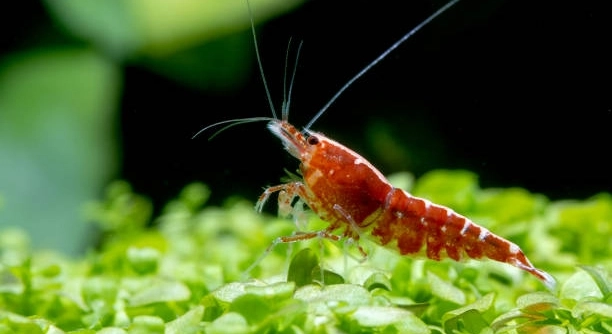
Many aquarium keepers grow curious about interacting with their cherry shrimp as these tiny creatures move gracefully in their tanks. Learning gentle handling habits supports their comfort, safety, and overall well being in their environment.
Touching cherry shrimp is safe when done gently, allowing their delicate bodies to remain unharmed. Supporting them with wet hands or a soft tool reduces stress and prevents injury. Proper handling promotes their comfort and overall health within the aquarium.
Exploring gentle interaction methods helps you support their well being while maintaining a calm atmosphere in your shrimp filled habitat.
Why Gentle Handling Matters
Handling cherry shrimp with care helps protect their delicate bodies and supports their ability to stay calm in a controlled environment. These small creatures can become stressed easily, so gentle movements matter when interacting with them. When I first learned to keep shrimp, I realized how important it was to slow down and pay attention to their reactions. A calm approach keeps them safe and prevents unnecessary harm to their soft shells and tiny legs. Avoid sudden movements, loud noises, or dry hands, since each of these can disturb them more than many people realize. Holding them with wet hands or guiding them gently with a soft tool can lower their stress and help them remain comfortable. This simple method also helps you understand their behavior better, because you can observe how they react when you interact with them slowly. With patience, you create an environment they can thrive in.
Cherry shrimp react strongly to rough handling, so keeping your movements controlled helps maintain their comfort. Gentle support offers a safer experience and lowers the chance of harm. Staying aware of their sensitivity allows you to interact with them responsibly while preserving their calm behavior in their tank environment daily.
Learning the best ways to handle cherry shrimp helps you care for them more confidently, especially when you need to move them for maintenance or health checks. These tiny creatures respond well to slow and steady movements, which reduce unnecessary stress. I find that using wet hands or a soft net provides enough support without overwhelming them. Moving slowly gives you better control while also making the shrimp feel secure. Paying attention to their reactions helps you understand when to pause and let them settle. Over time, gentle habits lead to smoother interactions and healthier shrimp overall in your care.
How to Handle Cherry Shrimp Safely
Safe handling starts with understanding how fragile cherry shrimp truly are. Using wet hands prevents their bodies from sticking or tearing. A soft tool can guide them without causing discomfort. Slow movements keep them relaxed, allowing you to complete simple tasks without placing unnecessary pressure on their sensitive bodies daily.
Handling cherry shrimp safely requires patience and a calm approach that keeps their delicate bodies protected at all times. Wetting your hands is the first step, because it prevents their skin from sticking and lowers the chance of accidental damage when you lift them. A soft net can also be used if you prefer a tool that offers support without applying pressure. Move slowly to keep them relaxed, since quick motions can make them panic and attempt to flee in a way that risks injury. Holding the net or container close to the water surface ensures they do not experience sudden drops that may harm their bodies. Give them a moment to settle before lifting, allowing them to position themselves comfortably. After handling, return them gently and let them readjust to their surroundings without disturbance. Keeping the environment quiet helps reduce stress, since loud noises or sudden shadows can startle them more than expected. Consistent handling habits make routine maintenance easier because the shrimp become more accustomed to gentle movements, which supports their overall comfort during care. When you stay patient and move with intention, each interaction becomes smoother, helping your shrimp remain healthy while you manage their tank responsibly.
Understanding Their Sensitivity
Cherry shrimp respond quickly to changes in their surroundings, so any handling should be slow and calm. Their small size and soft bodies make them vulnerable, and even light pressure can disturb them. Being patient helps protect them while keeping stress levels low for both you and the shrimp.
Their sensitivity becomes more noticeable when you observe how they react to touch, light, and movement. I’ve learned that even slight vibrations near the tank can cause them to dart away, which shows how easily they become overwhelmed. When handling them, wet hands or a soft net provide support without irritating their bodies. Moving gently keeps them from feeling threatened, especially during tank maintenance. They respond better when they sense steadiness rather than sudden gestures. Creating calm conditions around the tank also helps them settle faster after any brief interaction. With small adjustments, you can handle them more safely.
Understanding their sensitivity also helps you adjust your routine. Watching their behavior teaches you when to slow down and when to let them settle before continuing. Light handling keeps them from experiencing unnecessary tension, which supports their overall stability. When you move them for cleaning or health checks, keeping them close to the water surface prevents sudden transitions that could startle them. Avoiding dry surfaces is equally important, because their bodies can stick and tear easily. Small precautions make their handling smoother, and over time, these habits turn into a comfortable routine that keeps the shrimp protected.
Best Tools for Gentle Handling
Choosing the right tools makes handling easier and keeps your shrimp safe. A soft net prevents pressure on their bodies, while wet hands reduce friction. I’ve found that small containers also help when transferring them because the movement stays controlled and less stressful.
Using a soft net with fine mesh allows you to guide cherry shrimp without trapping their legs or antennae. When I need more control, I use a small water-filled container to scoop them gently, which keeps their transition smooth. This method reduces sudden shifts that could frighten them. Wet hands remain a reliable option for brief handling because they prevent sticking and accidental harm. Keeping the environment quiet and steady ensures they stay calm throughout the process. By choosing tools that support their delicate structure, you make each step safer while keeping the shrimp comfortable during routine care.
Signs of Stress to Watch For
Cherry shrimp show stress through quick darting, fading color, or hiding more than usual. I’ve noticed that even small disruptions can change their behavior fast, so paying attention to these signs helps avoid pushing them beyond their comfort zone.
Stress can also appear when shrimp stop eating or move less than normal. These shifts often happen after rough handling or sudden tank changes. Staying gentle and keeping the environment steady helps them return to their usual activity without added tension.
When You Should Avoid Touching Them
Avoid touching cherry shrimp when they are molting, because their bodies are extra soft and vulnerable. I’ve seen how fragile they become during this stage, and even minimal contact can cause damage. Give them space to complete the process naturally. Handling should also be avoided right after major tank adjustments, since sudden shifts in temperature or water quality already place enough pressure on them. Letting them settle prevents unnecessary strain. If they appear pale or inactive, waiting before interacting gives them time to recover and feel secure again.
How Often Handling Is Safe
Handling cherry shrimp should be occasional and limited to necessary tasks. Keeping interactions brief protects their soft bodies and helps them stay calm. I’ve learned that minimal handling keeps them comfortable while still allowing you to complete important care routines without causing extra stress.
FAQ
Can cherry shrimp be picked up with bare hands?
Cherry shrimp can be picked up with bare hands as long as your hands are wet. Dry skin creates friction that can harm their delicate bodies. I always wet my hands before touching them, which keeps their shells safe and lowers the chance of accidental injury during quick handling.
Is it harmful to hold cherry shrimp for too long?
Holding them for too long increases their stress, so it is best to keep contact brief. Their bodies are small and sensitive, and extended handling can make them feel unsafe. I limit my interaction to short moments, which helps them return to calm behavior quickly.
Can touching cherry shrimp affect their color?
Touching them roughly or stressing them can cause temporary color fading. I’ve noticed they brighten back up once they settle and feel secure again. Keeping handling gentle prevents unnecessary tension and helps them maintain their natural appearance without sudden changes in shade or tone.
Should cherry shrimp be touched while they are hiding?
It is better to avoid touching them when they are hiding, since hiding usually means they want space. Forcing interaction during these moments increases their stress. I let them stay tucked away until they feel ready to come out on their own, which supports their comfort.
Can touching cherry shrimp spread bacteria?
Handling with dirty or contaminated hands can introduce bacteria into their tank. I always wash my hands with plain water before and after touching them to avoid transferring anything. Clean hands help keep the tank stable and protect the shrimp from unnecessary exposure.
Is it safe to touch cherry shrimp during feeding time?
Feeding time is not ideal for touching, since their focus shifts to food and movement increases in the tank. Reaching in during this moment can startle them. I wait until they finish eating, which keeps their environment calm and reduces interruptions during their routine.
Can children touch cherry shrimp safely?
Children can touch them safely only under supervision and with clear guidance. Their movements are often quick, and shrimp need slow, steady interaction. I usually show how to wet hands properly and move carefully, which helps protect the shrimp while still allowing a gentle experience.
Do cherry shrimp get used to being handled?
They do not become fully accustomed to handling, but they react less intensely when interactions stay gentle and infrequent. I’ve noticed that steady, calm movements lower their stress over time. Still, they remain sensitive creatures, so minimal contact helps maintain their comfort.
Can touching cherry shrimp affect tank stability?
Frequent handling stirs the water and disrupts their routine, which can affect their sense of stability. I try to keep interactions limited to necessary tasks like transferring or checking for issues. This helps preserve their environment and keeps the tank running smoothly without unnecessary disturbances.
Final Thoughts
Caring for cherry shrimp becomes much easier when you understand how delicate they truly are and how much they rely on gentle handling. These small creatures respond quickly to changes around them, which makes your approach important each time you interact with them. I have found that slowing down and paying attention to their movements allows me to protect their comfort without creating unnecessary tension. Their sensitivity is not a weakness but a reminder that they thrive best in calm environments. When handling is needed, simple steps like wetting your hands or using a soft tool make a meaningful difference in their safety. By staying aware of how easily they can become stressed, you create a space where they remain stable and healthy. Over time, these habits become second nature, helping you care for them confidently while respecting their natural limitations.
As you continue caring for your cherry shrimp, it becomes clear that handling should stay minimal and directed toward essential tasks. These tiny animals rely on you to move slowly, avoid sudden changes, and provide conditions that feel secure. I have noticed that even small interruptions, such as quick movements near the tank or abrupt adjustments, can influence their behavior. Giving them time to settle before interacting keeps them more relaxed and supports their natural rhythm. When handling becomes necessary, approaching with patience helps reduce the chance of harm. Observing their behavior gives you clues about when they are comfortable and when they need more space. Everything from molting to eating routines affects their sensitivity, so keeping these moments in mind helps you avoid contacting them at the wrong time. A thoughtful routine centered on gentle care ensures they remain active, bright, and comfortable in their habitat.
What matters most is maintaining an environment where your cherry shrimp feel secure every day, not only during the moments you handle them. The more consistent your habits are, the more they benefit from stable conditions. I’ve seen how calm surroundings and predictable routines support their overall well being. Their health relies on a balance of minimal disturbance, clean water, and careful observation. Touching them should always remain a rare action that serves a clear purpose rather than a regular part of interaction. When you limit handling to essential moments and keep each movement soft and controlled, you help protect them from unnecessary stress. Each step you take, whether during tank maintenance or brief transfers, plays a role in keeping them safe. Cherry shrimp flourish when treated with patience and care, and your gentle approach ensures they continue to thrive in a habitat that supports their delicate nature.

Hello,
If you enjoy the content that we create, please consider saying a "Thank You!" by leaving a tip.
Every little bit helps us continue crafting quality advice that supports the health, happiness, and well-being of pets around the world, for pets of all shapes, sizes, and species.
We really appreciate the kindness and support that you show us!