
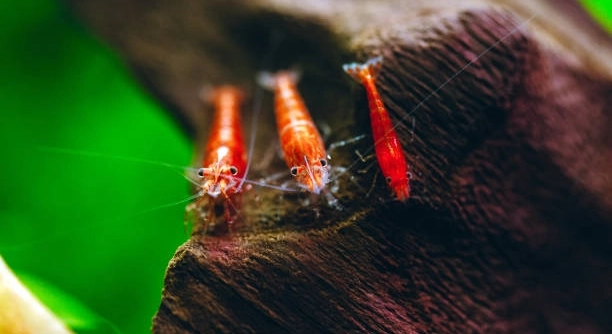
Cherry shrimp are small, colorful freshwater creatures that add life to any aquarium. Their delicate nature makes them sensitive to changes in their environment, which can affect their behavior and overall health. Observing them closely can reveal surprising details.
Cherry shrimp can detect changes in water parameters, including temperature, pH, and chemical composition. Their sensory system allows them to respond quickly to environmental fluctuations, making water stability crucial for their survival and wellbeing in a home aquarium.
Monitoring water conditions regularly ensures your shrimp remain healthy and active. Understanding their sensitivity helps create a stable and thriving aquatic environment.
How Cherry Shrimp Sense Water Changes
Cherry shrimp rely on tiny sensory hairs on their bodies to detect shifts in their surroundings. These hairs respond to changes in water temperature, pH, and other chemical levels. Even small fluctuations can make shrimp behave differently, such as hiding or reducing movement. Maintaining consistent water conditions is important, as sudden changes can stress them and impact their growth or breeding. Observing your shrimp regularly can help you notice subtle differences in their activity. When water is stable, they display more natural behavior, like grazing and interacting with their environment. It’s also important to avoid overcrowding and provide proper filtration. The combination of these factors helps shrimp feel secure and thrive. Even small tanks require attention to water quality. Understanding their sensitivity allows you to act before issues become serious. A balanced environment promotes longevity and keeps your shrimp active and vibrant.
Monitoring these changes helps prevent unnecessary stress and keeps shrimp healthier in the long term.
Consistent testing of water parameters is essential. Temperature, pH, and ammonia levels should be checked regularly. Using a reliable filter and performing partial water changes support stability. Shrimp respond better in calm, predictable conditions, and even minor shifts can influence their feeding and movement patterns. Regular observation ensures any problems are addressed early.
Signs Your Shrimp Are Reacting to Water Changes
Shrimp may hide or cluster when water conditions shift, signaling stress or discomfort. These behavioral changes are subtle but noticeable with careful observation.
Visible signs include reduced activity, loss of color, or irregular swimming. Some shrimp may stay near the substrate or avoid open areas. Stress from fluctuating water parameters can weaken their immune systems, making them more vulnerable to disease. Paying attention to these behaviors allows quick adjustments to water conditions, such as gentle water changes or temperature stabilization. Proper filtration and aeration also help create a more consistent environment. Observing how shrimp feed and interact with each other provides clues about their comfort level. Long-term stability encourages normal molting and breeding cycles. Understanding these responses can improve tank management and help maintain healthy shrimp populations. Creating a stable and suitable environment ensures your shrimp remain lively, colorful, and thriving over time.
Maintaining Stable Water Parameters
Keeping water parameters consistent is essential for cherry shrimp health. Regular testing of pH, temperature, and ammonia levels helps prevent stress. Minor fluctuations may seem harmless but can affect their behavior and survival over time.
Using a reliable water test kit and recording results ensures that changes are noticed early. Temperature should remain steady within their preferred range, and pH levels should be checked frequently. Ammonia and nitrite must stay at zero, while nitrates should be kept low through partial water changes. Filters should be cleaned carefully without disturbing beneficial bacteria. Avoid adding chemicals suddenly, as shrimp are highly sensitive to new compounds. Gradual adjustments are safer when corrections are needed. Stability in water parameters supports healthy molting, feeding, and activity patterns, and minimizes stress-related behaviors. A consistent environment encourages longevity and breeding, keeping your shrimp active and vibrant. Regular observation combined with maintenance creates a secure habitat that meets their needs effectively.
Even small tanks require careful attention, but consistent monitoring pays off in healthy, active shrimp that display natural behaviors and colors.
Gradual Water Adjustments
Sudden changes in water parameters can shock cherry shrimp, so gradual adjustments are safer. Small, incremental changes allow shrimp to adapt without stress.
When altering pH or temperature, make changes slowly over several hours or days. Rapid shifts can cause hiding, reduced movement, or even mortality. Gradual adjustments also help maintain the balance of beneficial bacteria in the tank. Consistent partial water changes prevent large swings in chemical levels and temperature. Using a thermometer and pH meter ensures accurate monitoring during adjustments. Providing plants and hiding spots can help shrimp cope with minor changes by offering secure areas. Patience during transitions allows shrimp to adapt naturally and maintain healthy feeding and activity patterns. Keeping changes minimal supports molting and breeding, reducing stress-related risks. Over time, a carefully managed tank creates a stable environment that supports long-term shrimp health and vibrancy.
Feeding and Water Sensitivity
Cherry shrimp are sensitive to leftover food, which can quickly degrade water quality. Uneaten pellets or vegetables release ammonia and toxins if not removed promptly.
Feeding small portions ensures shrimp consume all food, preventing excess waste. Regularly cleaning uneaten food helps maintain stable water parameters, keeping shrimp healthy and active.
Plant Coverage and Shelter
Plants and decorations provide shelter and reduce stress for shrimp. Dense foliage helps them feel secure and less exposed to sudden changes. Proper plant placement encourages grazing and natural behaviors while improving water quality by absorbing nitrates and offering surfaces for biofilm growth.
Monitoring Behavior
Active observation of swimming, feeding, and hiding patterns helps track shrimp responses to water changes. Sudden shifts in behavior often indicate stress or water instability, allowing timely intervention.
Tank Equipment Considerations
Reliable filters, heaters, and aerators help maintain steady water conditions. Properly functioning equipment minimizes fluctuations and supports shrimp health.
FAQ
Can cherry shrimp survive sudden water changes?
Cherry shrimp are very sensitive to sudden shifts in water conditions. Rapid changes in temperature, pH, or chemical levels can stress them, leading to hiding, loss of color, or even death. Gradual adjustments are always safer, allowing them to acclimate naturally. Even a few degrees or minor pH shifts can impact their behavior. Using a thermometer and pH meter ensures changes are monitored accurately. Partial water changes over several hours or days help maintain stability, preventing shocks that could harm your shrimp.
How do cherry shrimp detect changes in water quality?
Cherry shrimp rely on sensory hairs on their bodies and antennae to detect environmental shifts. These hairs sense vibrations, temperature differences, and chemical changes in the water. When parameters fluctuate, shrimp may reduce activity, hide, or move to areas with more favorable conditions. Their sensitivity makes them excellent indicators of water quality issues. Observing behavioral changes can help you identify potential problems early, allowing corrections before the situation worsens.
What are the most critical water parameters for cherry shrimp?
Temperature, pH, ammonia, nitrite, and nitrate levels are the most important parameters. Ideal temperatures range from 72–78°F (22–26°C), and pH should stay between 6.5 and 7.5. Ammonia and nitrite must remain at zero, while nitrates should stay below 20 ppm. Maintaining these levels ensures shrimp stay healthy, active, and able to molt and breed normally. Regular testing with reliable kits helps track these parameters, preventing unnoticed fluctuations.
How often should I test the water?
Testing water at least once or twice a week is recommended for cherry shrimp tanks. Frequent monitoring helps detect gradual changes before they stress the shrimp. Daily checks may be necessary in newly established tanks or if there are known stability issues. Keeping a simple log of readings can help spot trends over time. Consistent observation allows timely adjustments, maintaining stable conditions and promoting shrimp wellbeing.
Do plants help stabilize water for shrimp?
Yes, live plants absorb nitrates and provide surfaces for biofilm, which shrimp graze on. Dense foliage also offers shelter, reducing stress during minor fluctuations in water quality. Plants help create a more stable microenvironment by buffering small chemical changes. Choosing hardy, low-maintenance plants reduces the risk of plant decay, which could otherwise negatively affect water parameters. Combining plants with careful monitoring enhances both water stability and shrimp health.
What behaviors indicate water stress in cherry shrimp?
Shrimp may hide excessively, lose color, stop feeding, or swim erratically when stressed by water changes. Molting may become irregular, and breeding may slow down. Observing these behaviors is important because they signal environmental issues that need correction. Quick action, like adjusting temperature gradually or performing partial water changes, can help shrimp recover and maintain healthy activity levels.
Can filtration impact shrimp sensitivity?
Yes, improper or overly strong filtration can disturb water and stress shrimp. Filters that create strong currents may make shrimp hide or reduce feeding. Gentle filtration ensures adequate oxygenation without excessive water movement. Maintaining filter media carefully prevents the buildup of harmful chemicals. Proper filtration, combined with consistent testing, ensures stable conditions for thriving shrimp populations.
Are baby shrimp more sensitive to water changes than adults?
Yes, baby shrimp (shrimplets) are more vulnerable to shifts in water quality. They require very stable conditions to grow properly. Slight fluctuations in pH, temperature, or ammonia can affect their survival. Extra care with feeding, water changes, and observation is necessary until they mature. Providing hiding spaces and gentle filtration helps protect them while allowing natural growth.
How long does it take for shrimp to adjust to new water conditions?
Adjusting depends on the magnitude of change and the shrimp’s age. Gradual changes over 24–48 hours are usually tolerated well. Rapid shifts may take longer for shrimp to recover, and some may show stress signs for several days. Monitoring behavior and providing stable conditions during this period ensures smoother adaptation and reduces the risk of health issues.
What steps help maintain long-term water stability?
Regular partial water changes, monitoring key parameters, using reliable equipment, and providing plants all contribute to stability. Avoid sudden chemical additions or temperature shifts. Observe shrimp behavior consistently, and adjust slowly when necessary. Over time, these practices create a predictable environment that supports molting, feeding, and breeding, ensuring healthy, active shrimp populations.
Cherry shrimp are small but sensitive creatures that respond quickly to changes in their environment. Their behavior is closely tied to water conditions, making stability in temperature, pH, and chemical levels essential for their wellbeing. Even minor fluctuations can stress them, causing hiding, reduced feeding, or loss of color. Observing shrimp daily allows you to notice subtle differences in behavior, which often indicate the need for adjustments in water quality. Providing consistent care, including monitoring ammonia, nitrite, nitrate, and pH levels, helps maintain a stable environment where shrimp can thrive. Filtration, gentle aeration, and gradual water changes all contribute to steady conditions. Live plants not only enhance the tank’s appearance but also support water stability by absorbing nitrates and providing surfaces for biofilm growth. These surfaces allow shrimp to graze naturally while reducing stress by offering hiding spots and shelter. A combination of careful observation and proper tank management creates a habitat where shrimp can grow, molt, and reproduce successfully.
Maintaining stable water parameters requires regular testing and attention to detail. Temperature should remain within the recommended range for cherry shrimp, usually around 72–78°F (22–26°C), and pH should stay slightly acidic to neutral, between 6.5 and 7.5. Ammonia and nitrite must remain at zero, while nitrates should be kept low through consistent partial water changes. Gradual adjustments are key if any of these parameters are off, as sudden changes can lead to stress or mortality. Even small tanks benefit from routine monitoring and careful feeding to prevent leftover food from releasing harmful compounds into the water. Observing shrimp behavior during maintenance or water changes can provide early warnings of stress. Hiding, reduced activity, or unusual swimming patterns often indicate that water conditions are not ideal. By taking small, consistent steps, you can maintain an environment that supports shrimp health and reduces the risk of problems. Over time, these practices allow shrimp to adapt naturally and display their full range of behaviors without added stress.
A stable, well-managed tank improves the overall health and longevity of cherry shrimp. Providing adequate shelter, plants, and gentle water flow enhances their comfort while maintaining water quality. Gradual changes, careful feeding, and regular testing help shrimp adjust to minor fluctuations without stress. Observing shrimp closely gives insight into their needs and ensures timely interventions when necessary. Maintaining a balanced environment supports natural behaviors such as grazing, molting, and breeding, allowing shrimp to thrive in captivity. Even with small aquariums, paying attention to these details results in a healthier, more active shrimp population. Over time, stability in water conditions combined with proper care creates a predictable environment where shrimp can live fully and vibrantly. By focusing on steady conditions, careful observation, and consistent maintenance, it is possible to ensure cherry shrimp remain healthy, active, and colorful, making your tank both enjoyable and sustainable.

Hello,
If you enjoy the content that we create, please consider saying a "Thank You!" by leaving a tip.
Every little bit helps us continue crafting quality advice that supports the health, happiness, and well-being of pets around the world, for pets of all shapes, sizes, and species.
We really appreciate the kindness and support that you show us!