
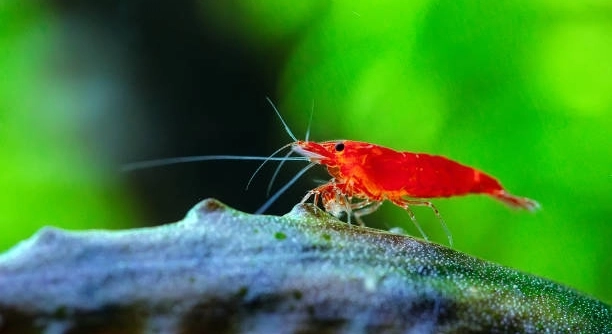
Have you ever cared for cherry shrimp and noticed how quickly they gather around food, leaving you unsure about the right amount to offer each day in their delicate freshwater environment at home each week.
Overfeeding cherry shrimp occurs when excess food remains uneaten, leading to water quality decline and harmful bacterial growth that stresses the colony. Maintaining small, measured portions prevents pollution, supports balance and ensures shrimp receive appropriate nutrition without compromising tank health.
This simple approach reveals how feeding habits influence shrimp behavior, water clarity and the long term stability of their tank.
Understanding Feeding Amounts
Managing food portions for cherry shrimp is easier when you focus on how much they can finish within a short period. I like keeping portions small because it helps me avoid leftover bits that sink into the substrate and cause issues. Most shrimp stay healthy with tiny servings that match the size of a small pellet or a thin sprinkle of powdered food. When you watch them gather and finish everything within a couple of hours you know the amount is right. If food remains on the bottom after that time it usually means the portion was too large. Reducing the amount by half at the next feeding keeps things stable. This approach also keeps the tank clear and reduces waste. Feeding lightly supports better colors smoother molts and calmer behavior. It may feel minimal but shrimp thrive when the environment stays clean and free from excess and remains balanced.
Smaller servings help prevent cloudy water and limit the buildup of organic matter that strains the filtration system. I rely on a simple rule of offering less than I think they need because shrimp graze constantly on biofilm which already provides steady nutrition throughout the day in their small tanks.
Shrimp benefit greatly from a feeding plan that respects their natural habits. They spend most of their time grazing on surfaces which means supplemental food plays a smaller role than many expect. I keep my approach simple by observing their behavior and adjusting portions when I notice slower eating or increased leftovers. These small details guide the right routine and prevent common issues like algae growth from excess waste. When the water stays clear and stable shrimp become more active and display brighter colors. Consistent feeding habits help maintain a calm steady environment that supports long term health for them.
How Leftovers Affect Tank Stability
Uneaten food is the main source of problems in tanks with shrimp leading to ammonia spikes and cloudy conditions. Keeping portions small limits these issues and supports a stable environment. I always remove leftover pieces to keep the substrate clean and prevent harmful changes in water quality over time too.
Maintaining a clean tank when caring for cherry shrimp depends on preventing leftovers from breaking down and affecting the water. I focus on observing how quickly they eat because it shows me when the tank is getting more than it can handle. When food settles on the bottom for too long it begins to soften and release organic compounds that disturb the balance of the system. This can encourage bacterial blooms that cloud the water and reduce oxygen levels. Removing excess food within a few hours helps stop these problems before they begin. I also pay attention to how active the shrimp appear after feeding because sluggish behavior sometimes means the environment is becoming stressed. Regular maintenance such as gentle siphoning and filter cleaning supports the tank further by removing debris that accumulates between feedings. Feeding lightly plays a large part in preventing these issues. When the tank stays clear the shrimp display better colors stronger appetites and more natural grazing patterns. Over time these habits create a stable space that allows the colony to grow steadily without sudden die offs or unpredictable shifts in health. Keeping things simple makes the process easier and helps the shrimp thrive every day.
Signs You Are Overfeeding
Overfeeding becomes noticeable when shrimp leave food untouched for long periods and the tank begins to look slightly hazy. I watch for slower movement and reduced grazing because these small changes often show that too much food is entering the system at once.
Shrimp react quickly when feeding habits shift, and their behavior helps reveal when adjustments are needed. If I notice leftover pieces sinking into the substrate and staying there for hours, I immediately reduce how much I offer. These leftovers break down slowly and release organic material that puts pressure on the water. When shrimp avoid certain areas, it can signal increased waste in the tank. I also check the filter intake because trapped particles build up faster when there is extra food floating around. Staying consistent with small portions keeps the environment stable and prevents these signs from becoming larger problems.
Monitoring water clarity also helps me recognize overfeeding before it affects the shrimp too much. When the water begins to look dull, I take it as a signal that extra nutrients are circulating. This often encourages unwanted growth and creates a heavy feeling in the tank. I respond by cleaning lightly, removing debris and cutting portions even further. Shrimp behave more naturally when the tank stays clear, so keeping an eye on their movement and general activity helps guide my decisions. These simple habits reduce stress and support smoother feeding routines.
The Role of Biofilm in Shrimp Nutrition
Biofilm provides a steady source of natural food that keeps shrimp active throughout the day. I rely on it because it covers surfaces and reduces the need for large servings. When biofilm is abundant, supplemental feeding becomes a small part of their routine and lowers the risk of leftovers.
A healthy layer of biofilm grows on hardscape, glass and plant surfaces, giving shrimp constant access to small particles they enjoy. I encourage its growth by avoiding too much cleaning and using lighting that supports gentle microbial development. This natural food source helps maintain stable behavior and reduces stress because shrimp never run out of something to graze on. It also supports better molting and brighter colors. When I notice thick patches of biofilm, I feed less since the shrimp already have plenty to eat. This approach creates a balanced system where the tank supports itself. By combining small feedings with strong biofilm growth, I keep the environment clean, stable and easy to manage.
How Feeding Frequency Impacts Shrimp Health
Feeding frequency influences how clean and stable the tank remains, so I keep a simple schedule that prevents buildup. Offering small servings every few days supports steady activity and limits excess waste. Cherry shrimp stay healthier when food arrives in controlled amounts that match their natural grazing habits perfectly well.
I adjust feeding days based on how quickly shrimp finish their portions, which helps keep the tank balanced. When they clear food fast, I maintain the routine. When they slow down, I extend the break between feedings. This simple habit reduces waste and keeps their environment steady each week always.
Adjusting Portions for Different Tank Sizes
Adjusting portion sizes becomes more important as tank dimensions change, so I keep a close eye on how quickly food disappears in smaller or larger setups. Smaller tanks accumulate waste faster, which makes light feeding essential for maintaining clarity. Larger tanks handle organic matter better, but I still avoid heavy portions because shrimp need far less than most expect. Observing their behavior helps me decide when to increase or reduce the amount. If they rush to food aggressively, I may offer slightly more. If they wander away early, I reduce the next feeding. This balance keeps every tank stable always.
Why Consistency Matters
Keeping feeding habits consistent creates a stable rhythm that shrimp respond to quickly. I avoid changing routines unless their behavior clearly calls for it. This steady pattern supports clean water, predictable grazing and calmer activity, making the tank feel balanced and easier to maintain each day in the long run.
FAQ
Can cherry shrimp eat every day without problems?
Cherry shrimp can eat daily as long as portions stay small. I keep feedings light because they graze constantly on biofilm which supports most of their nutrition. When I offer food daily I check for leftovers and adjust portions to avoid waste. This keeps the tank stable and prevents cloudy conditions.
How do I know if the tank has too much food in it?
Uneaten pieces that remain after a couple of hours usually show that the tank is getting more than it can handle. I watch for cloudy water and slower movement because both signs appear when organic material begins to collect. These small changes help me respond before conditions worsen.
Should I remove leftover food or let shrimp finish it later?
I always remove leftovers because they break down quickly and affect the water. Shrimp rarely return to old food once it softens and begins releasing debris. Taking it out keeps the environment clear and prevents ammonia spikes which can stress the colony over time.
Is it better to feed pellets or powdered food?
Both work well when used carefully. Pellets are easy to control and less messy but powdered food spreads across the tank and reaches smaller shrimp. I choose based on the size of my colony and switch between them depending on how active the shrimp appear.
How often should baby shrimp be fed?
Baby shrimp benefit from more frequent but very small offerings. I like using a fine powdered food because it settles across surfaces where they can reach it easily. Since babies graze nonstop, tiny servings help maintain growth without polluting the tank. I still remove excess to keep things balanced.
Can overfeeding cause shrimp to hide more often?
Yes, hiding becomes more common when the water begins to shift due to excess waste. When conditions start changing, shrimp respond by pulling back and exploring less. I notice this quickly because their usual grazing pattern becomes irregular. Light feeding helps them return to normal behavior.
Does biofilm reduce how much supplemental food I should offer?
Biofilm makes a big difference because it supplies steady nutrition throughout the day. When I see strong biofilm growth, I feed less since the shrimp already have plenty available. This prevents the tank from feeling heavy and keeps the shrimp active and healthy without additional stress from leftovers.
Can leftover food harm plants in the tank?
Leftovers can cause issues for plants because they release material that alters the water. This encourages unwanted growth that settles on plant leaves and blocks light. I keep an eye on plant surfaces and remove debris right away. A cleaner tank supports healthier plants and more active shrimp.
Should I worry if shrimp lose interest in food sometimes?
It happens occasionally when biofilm levels are high or when the tank is naturally rich in grazing material. I do not force more food during these moments. Offering less helps keep things clear and prevents old food from settling. Their appetite returns once the balance shifts again.
What feeding routine works best for mixed age shrimp colonies?
I use a light routine that focuses on powdered food for younger shrimp and occasional pellets for adults. This combination lets everyone access the nutrition they need without overwhelming the tank. Watching how fast they eat helps guide how much to adjust. Balanced feeding keeps behavior steady across all ages.
Is it possible to feed shrimp too little?
Feeding too little is rare since shrimp rely heavily on grazing. I focus more on keeping the tank healthy than on increasing portions. As long as they remain active, graze often and show stable colors, they are getting enough. Light feeding usually works better than large servings.
Final Thoughts
Feeding cherry shrimp becomes easier when you keep portions small and pay attention to how they behave afterward. I find that simple routines make the biggest difference, especially when trying to prevent leftover food from settling into the substrate and affecting the water. These shrimp stay healthier when the environment remains stable, so offering measured servings helps avoid unnecessary stress. I also try to observe how active they are throughout the day, since changes in movement can show when the tank is receiving more food than it can handle. Relying on a balanced mix of biofilm and light supplemental feeding keeps everything flowing smoothly. When the tank stays clear and calm, shrimp become more confident and show brighter colors. This steady environment supports long term growth and ensures that their small community continues to thrive without sudden setbacks. Keeping the system simple makes the entire process feel natural and manageable.
Overfeeding usually comes from offering more food than the tank needs, especially when biofilm is already present. I noticed that my shrimp do best when I treat supplemental food as an addition rather than the main resource. They spend their days grazing on surfaces, so I only add small portions when I want to support growth or provide variety. Watching how quickly they gather around food helps guide the right serving size. If the shrimp finish everything in a short period, it means the portion works for the group. If leftovers remain, I cut back and let the tank clear itself before trying again. Removing extra food also keeps the filter from becoming overwhelmed and prevents cloudy water from forming. A clean environment encourages natural grazing patterns, steadier activity and better molting. I always feel more at ease when the tank looks balanced because it shows that my feeding habits are supporting the shrimp rather than complicating their habitat.
Maintaining stability for cherry shrimp comes from observing small details and making careful adjustments over time. Clean water, light feedings and consistent maintenance all work together to create a healthier space for them. I try to avoid major changes or sudden increases in food because shrimp react strongly to shifts in their surroundings. Offering gentle feeding routines helps avoid the common issues linked to overfeeding, like ammonia spikes and waste buildup. When I focus on these basics, the tank stays clear and the shrimp behave more naturally. Their bright colors and constant grazing show that the conditions support their needs. Paying attention to these simple habits makes caring for them feel rewarding and calm. By keeping everything steady and avoiding excess, the shrimp continue to thrive and maintain a balanced environment that stays beautiful and healthy over time.

Hello,
If you enjoy the content that we create, please consider saying a "Thank You!" by leaving a tip.
Every little bit helps us continue crafting quality advice that supports the health, happiness, and well-being of pets around the world, for pets of all shapes, sizes, and species.
We really appreciate the kindness and support that you show us!