
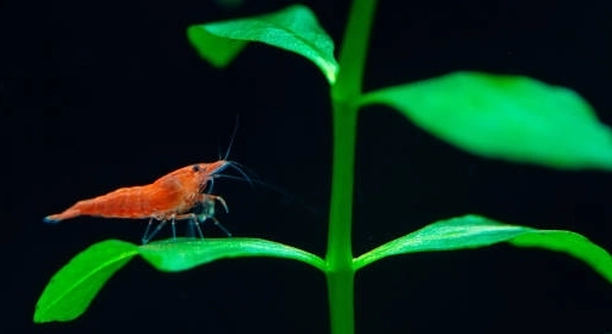
Do your shrimp seem less active under certain lights, leaving you unsure about their comfort? Many shrimp owners notice behavior changes depending on how their tanks are illuminated, which can affect feeding and activity patterns.
The preferred lighting setups for shrimp generally include dim to moderate brightness, with soft, diffused light that mimics their natural habitats. Red and blue spectrums tend to promote activity, while harsh, bright lights can cause stress and hiding behaviors.
Knowing the right light can make a big difference in your shrimp’s well-being and tank environment, helping them thrive naturally.
Soft White LED Lighting
Soft white LED lights provide a gentle and consistent illumination that is comfortable for shrimp. These lights help reduce stress, allowing shrimp to explore and feed naturally. They create a warm ambiance that supports plant growth while keeping shrimp visible without overwhelming their senses. Unlike harsh fluorescent lights, soft white LEDs prevent sudden brightness changes that can startle shrimp and cause hiding. They are energy-efficient and long-lasting, making them a practical choice for many tank setups. Adjusting the intensity ensures that the light mimics dawn and dusk, which aligns with shrimp activity cycles. Using a timer can further help maintain a regular day-night pattern. Observing shrimp under soft white light often reveals more natural behaviors, as they move freely and interact with their environment. This type of lighting also reduces algae growth compared to brighter, more intense options, keeping the tank cleaner and healthier for aquatic life.
Soft white LEDs are ideal for tanks with dense foliage. They balance plant health and shrimp comfort effectively.
Maintaining soft white lighting ensures shrimp remain active and visible while promoting overall tank stability. Gradual light transitions prevent stress, and pairing with dimming options supports a natural rhythm. This setup reduces aggressive algae growth and keeps plants vibrant, making shrimp habitats more manageable. It also allows observation of shrimp behavior without interference, creating a consistent environment for both plants and shrimp to thrive. Regular monitoring of light intensity and duration ensures shrimp remain healthy and active.
Blue Spectrum Lighting
Blue spectrum lights highlight shrimp colors and encourage nighttime activity. They provide a calm and natural environment without overwhelming brightness.
Using blue spectrum lighting can enhance shrimp color vibrancy, especially for red and blue varieties. It also encourages nocturnal movement, allowing observation of different behaviors.
Blue lighting supports a low-stress environment while emphasizing tank aesthetics. It complements other light setups, offering contrast that makes shrimp and plants stand out. By mimicking moonlight, it allows shrimp to remain active at night while plants undergo necessary dark periods. Proper placement and intensity help prevent algae while keeping shrimp engaged. This type of lighting is often paired with soft white LEDs during the day to maintain a natural light cycle, enhancing shrimp well-being and visual appeal.
Red Spectrum Lighting
Red spectrum lighting enhances shrimp coloration and promotes natural foraging behaviors. It is subtle enough to avoid causing stress while still providing enough visibility for observation.
Red lights are especially beneficial for shrimp that display red or orange tones, making their colors more vivid. This lighting helps them feel secure, reducing hiding tendencies during active periods. It also supports plant growth, particularly for species that respond well to warmer light spectrums. Using red lighting in combination with a timer creates a consistent day-night cycle, which helps regulate shrimp activity. Observing shrimp under red light often shows more natural movements, as they feed and explore without being startled by harsh illumination. Adjusting intensity can further ensure the light is comfortable without being too dim or bright.
Pairing red spectrum lighting with soft white or blue lights allows for balanced tank illumination. It encourages exploration while highlighting shrimp colors, keeping the tank visually appealing and behaviorally healthy.
Adjustable Dimmable LED Lights
Adjustable dimmable LEDs allow precise control over light intensity. This flexibility helps maintain shrimp comfort while adapting to plant needs and tank conditions.
Dimmable LEDs offer the advantage of replicating natural lighting changes throughout the day. By gradually increasing or decreasing brightness, shrimp experience smoother transitions that reduce stress. This lighting also supports plant growth by providing adjustable intensity for various species. Observing shrimp under dimmed settings often reveals calmer behaviors, as they feel secure while still active. Adjusting the spectrum and brightness allows you to create the optimal environment for both shrimp and plants. Overly bright lighting can trigger hiding, while insufficient light may reduce activity, so dimmable LEDs provide the perfect balance. Timers and dimmers combined allow fine-tuning, ensuring the tank consistently meets shrimp needs without constant manual adjustment.
Using adjustable LEDs, shrimp can remain active and visible without stress, while plants thrive under tailored light levels. This lighting method provides control over both color intensity and overall brightness, offering a versatile solution for maintaining healthy, balanced aquariums.
Moonlight or Night LED Lighting
Moonlight or night LEDs simulate natural moonlight, offering very low illumination that doesn’t disturb shrimp activity. They encourage nocturnal movement while maintaining a calm tank environment.
This lighting helps shrimp feel secure during dark periods. It also adds subtle visual appeal, highlighting their colors without overwhelming brightness.
Natural Daylight Simulation
Natural daylight simulation replicates outdoor light conditions, balancing warmth and brightness throughout the day. It promotes regular shrimp activity and supports plant growth effectively.
Spot Lighting
Spot lighting focuses light on specific areas of the tank, creating shaded regions that shrimp can explore or hide in. It enhances tank depth and provides variety for shrimp behavior.
FAQ
What type of lighting is safest for shrimp?
Soft white LEDs and dimmable lights are generally the safest. They provide gentle illumination that reduces stress and encourages natural behavior. Bright or harsh lights can make shrimp hide and feel threatened, while adjustable lighting allows you to fine-tune intensity for both shrimp comfort and plant growth.
Can red or blue lights harm shrimp?
No, red and blue lights are safe when used at appropriate intensity. Red lights enhance shrimp coloration and activity, while blue lights encourage nocturnal movement without startling them. Overly intense lighting of any color can stress shrimp, so it is important to monitor brightness levels.
How long should shrimp lighting be on each day?
A consistent day-night cycle of 8 to 10 hours of light is ideal. Using timers ensures a stable schedule, helping shrimp maintain natural rhythms. Extended lighting can stress shrimp and increase algae growth, while too little light can reduce activity and affect plant health.
Should I use multiple light spectrums in one tank?
Yes, combining soft white, red, and blue lights can create a balanced environment. This approach supports shrimp behavior, plant growth, and tank aesthetics. Gradually adjusting between spectrums prevents sudden changes that might startle shrimp and ensures each part of the tank has appropriate lighting conditions.
Do shrimp prefer brighter or dimmer tanks?
Shrimp generally prefer dimmer tanks or areas with shaded regions. They feel more secure and are more likely to explore, forage, and display natural behaviors in lower light conditions. Bright areas can be used selectively to highlight plants or shrimp, but overall, gentle lighting is better.
Can adjustable or dimmable LEDs improve shrimp health?
Yes, dimmable LEDs allow precise control over light intensity, helping maintain a comfortable environment. They reduce stress, encourage activity, and allow plants to thrive. Smooth transitions in brightness mimic natural conditions, creating a stable and balanced habitat.
Is moonlight lighting necessary?
Moonlight LEDs are not essential but beneficial for observing shrimp at night without disturbing them. They replicate subtle nighttime illumination, promoting nocturnal activity and providing a more natural day-night cycle. Shrimp remain active while feeling safe in low light.
How do I prevent algae while providing sufficient light?
Use moderate intensity, avoid excessive lighting duration, and balance spectrums. Combining soft white or dimmable lights with targeted red or blue lighting supports shrimp and plant health without encouraging uncontrolled algae growth. Regular maintenance and monitoring also help.
Can lighting affect shrimp color?
Yes, proper lighting enhances natural colors. Red spectrum lights intensify red and orange tones, while blue light emphasizes contrast. Dim lighting preserves vibrancy and prevents stress-related dulling of colors. Balanced lighting ensures shrimp appear bright while remaining comfortable.
What is the best setup for a mixed-species tank?
For mixed shrimp and plants, use adjustable or dimmable LED systems with multiple spectrums. Soft white light for overall visibility, red light to enhance shrimp coloration, and blue light for nocturnal activity creates a healthy, visually appealing environment that supports all species.
How often should I adjust lighting intensity?
Adjustments should be occasional and gradual. Frequent sudden changes can stress shrimp. Using timers and dimmers ensures smooth transitions, maintaining consistent day-night cycles and optimal conditions for shrimp behavior and plant health.
Do shrimp need shaded areas in the tank?
Yes, shaded areas are important. They provide security and encourage natural exploration. Spot lighting and plants can create these regions, giving shrimp options to retreat while maintaining enough illuminated space for observation.
Can improper lighting reduce shrimp activity?
Yes, overly bright or inconsistent lighting can make shrimp hide and reduce feeding and exploration. Gentle, balanced lighting with gradual transitions supports normal activity levels and overall well-being.
Shrimp thrive in environments where lighting is both gentle and consistent. Harsh or overly bright lights can stress them, causing hiding and reduced activity, while the right type of illumination encourages natural behaviors and supports overall health. Soft white LEDs are ideal for general tank lighting, offering a warm, consistent glow that reduces stress and allows shrimp to explore freely. Pairing these with dimmable options allows gradual adjustments, mimicking natural light cycles. Red and blue spectrum lights can be added strategically to enhance shrimp coloration and encourage nocturnal activity without overwhelming the tank. Observing shrimp under appropriate lighting often reveals calmer, more active behaviors, which also makes tank maintenance and monitoring easier. Proper lighting benefits not only shrimp but also plants, creating a balanced and healthy ecosystem.
Creating a successful lighting setup requires understanding how shrimp respond to different spectrums and intensities. Dimmable LEDs allow precise control, providing flexibility to adapt to changing tank conditions and seasonal variations. Red spectrum lights highlight natural colors, while blue lights replicate moonlight and nighttime activity, promoting a more complete day-night cycle. Spot lighting can be used to create shaded regions, offering shrimp safe areas to hide while still allowing observation. Maintaining this balance prevents stress-related behaviors, reduces algae growth, and promotes plant growth, all of which contribute to a thriving tank environment. By using timers and gradual transitions, shrimp are less likely to be startled by sudden changes, and their activity patterns remain more predictable. Even small adjustments to intensity or color can make a noticeable difference in shrimp comfort and visibility, supporting both their physical health and their natural instincts.
Ultimately, lighting is one of the most important aspects of maintaining a shrimp tank, impacting behavior, health, and overall tank aesthetics. Choosing the right combination of soft white, red, blue, or dimmable LEDs allows for flexibility and a stable environment. Moonlight or low-intensity night lighting provides additional comfort and encourages natural nocturnal activity. By observing shrimp responses and adjusting lighting accordingly, tank owners can create a habitat that supports healthy feeding, exploration, and social interaction. Proper lighting is not just about visibility; it plays a critical role in regulating stress levels, supporting plant growth, and maintaining water quality indirectly through balanced algae management. When thoughtfully implemented, a well-planned lighting setup contributes to a thriving, visually appealing, and low-stress environment for shrimp, making it easier to care for them and enjoy their natural behaviors in a calm, controlled space.

Hello,
If you enjoy the content that we create, please consider saying a "Thank You!" by leaving a tip.
Every little bit helps us continue crafting quality advice that supports the health, happiness, and well-being of pets around the world, for pets of all shapes, sizes, and species.
We really appreciate the kindness and support that you show us!