
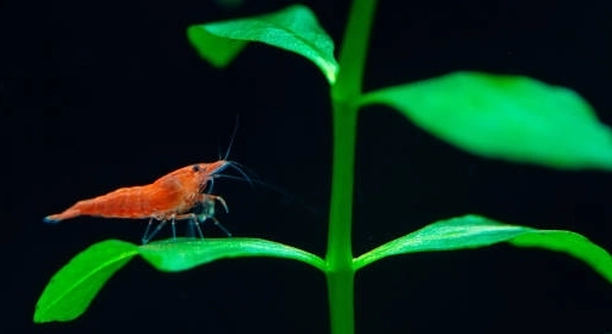
Cherry shrimp are small, vibrant creatures that add life and color to any aquarium. They move gracefully among plants and decorations, appearing attentive to their surroundings. Their behaviors can be surprisingly responsive to changes within their aquatic environment.
Cherry shrimp can recognize changes in their tank, responding to alterations in water conditions, decorations, or lighting. They may exhibit increased hiding, cautious movement, or altered feeding patterns, indicating a behavioral awareness of modifications in their immediate habitat.
Observing these subtle behaviors provides insight into how shrimp interact with their surroundings and adapt to new or shifting environments.
How Cherry Shrimp Notice Their Environment
Cherry shrimp are surprisingly aware of their surroundings. They rely heavily on their senses to navigate and assess their tank. Changes in water parameters, decorations, or even lighting can catch their attention. When a tank is rearranged, they may move cautiously, exploring the altered areas slowly. Their antennae play a key role in detecting shifts around them. Even minor changes, like adding a plant or adjusting the filter, can trigger a response. Shrimp often retreat to hiding spots when they feel uncertain or stressed. Over time, they learn which areas are safe and which are unfamiliar. Observation is important because it helps owners understand their shrimp’s comfort levels. Feeding habits can also reflect awareness. Shrimp may become hesitant to eat immediately after changes, showing patience and caution. Providing a stable environment with gradual changes reduces stress. Consistent water quality, steady temperature, and minimal sudden disturbances help shrimp feel secure.
These small adjustments make a significant difference in shrimp behavior and overall health.
Observing shrimp after changes can reveal patterns in their movement and activity. Over time, this helps in anticipating their reactions and ensuring a calm, stable environment.
Behavioral Signs of Stress and Adaptation
Shrimp may hide more or move slower when they sense a change.
Stress and adaptation in cherry shrimp are subtle but noticeable. Shrimp often change their activity levels when their environment shifts. Increased hiding is one of the first signs. They may also linger near familiar areas while avoiding new decorations or rearranged spots. Feeding patterns can change, with shrimp hesitating before eating or picking food more cautiously. Over time, they may explore the tank again as they adjust. Lighting changes can also influence activity, causing temporary reduction in movement. Water quality is critical, as sudden shifts in temperature, pH, or ammonia levels can create stress. Gentle observation allows owners to notice these signs early. Offering stable hiding places and maintaining steady water parameters help shrimp regain confidence. Gradual introduction of new elements reduces stress. Understanding these behavioral signals allows better care and improves their overall well-being. Patience and careful observation are key to supporting shrimp during transitions and ensuring a harmonious tank environment.
Tank Rearrangements and Shrimp Reactions
Even small rearrangements can catch cherry shrimp’s attention. They often pause, explore cautiously, or retreat. Changes in decorations, substrate, or plant placement can lead to temporary stress or altered movement patterns, showing their sensitivity to environmental shifts.
Shrimp rely on familiarity to feel secure. When the tank layout changes, they slowly adjust by exploring new spaces while frequently returning to known hiding spots. Antennae help them sense obstacles and determine safe routes. Gradual rearrangements reduce stress, allowing shrimp to acclimate more easily. Rapid or drastic changes can cause prolonged hiding, decreased feeding, or unusual swimming patterns. Observing their reactions can help in planning adjustments thoughtfully, ensuring they remain comfortable.
Feeding behavior is also affected by tank changes. Shrimp may hesitate to approach food or move cautiously while eating. Providing familiar food near familiar areas can encourage activity. Over time, as they become comfortable with the new layout, normal routines resume, and shrimp regain confidence, demonstrating their adaptability to changes without long-term disruption.
Water Quality and Environmental Awareness
Water quality directly influences shrimp behavior and stress levels. Even minor fluctuations can affect their activity and health.
Shrimp are highly sensitive to temperature, pH, ammonia, and nitrate levels. Sudden changes can cause them to hide, reduce movement, or show signs of stress. Consistent monitoring helps maintain stable conditions, reducing stress responses. Regular water testing and gradual adjustments prevent shocks, allowing shrimp to maintain normal behaviors. Filtration and aeration play important roles, ensuring clean water and sufficient oxygen. When shrimp sense optimal conditions, they become more active, feed regularly, and explore confidently. Awareness of environmental stability is essential for their overall well-being and longevity in the tank.
Maintaining steady water conditions involves careful observation and preventive measures. Regular partial water changes help keep parameters stable without creating abrupt shifts. Avoiding overcrowding, monitoring food quality, and preventing chemical contamination further support a healthy habitat. Gradual adjustments to temperature or lighting, along with proper acclimation when introducing new water or equipment, reduce stress. Noticing changes in swimming patterns, hiding tendencies, or feeding delays can indicate early signs of environmental imbalance. Attentive care ensures shrimp remain active and healthy, creating a balanced and thriving tank ecosystem that supports their natural behaviors and promotes long-term stability.
Lighting Changes and Shrimp Behavior
Sudden shifts in lighting can make cherry shrimp cautious. Bright or flickering lights often cause them to hide or move more slowly. Gradual adjustments help them adapt without stress.
Shrimp are more active under consistent light cycles. Too much light may trigger hiding, while dim or stable lighting encourages normal exploration and feeding patterns.
Recognizing Patterns in Activity
Cherry shrimp develop routines based on their environment. They explore, feed, and rest at consistent times when conditions are stable. Observing these patterns helps identify stress or discomfort. Changes in activity often indicate that tank conditions or arrangements need attention.
Feeding and Adaptation
Shrimp may initially hesitate to eat after tank changes. Placing food in familiar spots encourages them to resume normal feeding behaviors.
FAQ
Do cherry shrimp notice when I add new decorations?
Yes, cherry shrimp are sensitive to changes in their environment. Adding new decorations can cause them to explore cautiously or retreat to hiding spots at first. They use their antennae to investigate unfamiliar objects and determine whether the area is safe. Gradual introduction of decorations helps them adjust more comfortably.
Will cherry shrimp react to changes in water temperature?
Absolutely. Shrimp are highly sensitive to temperature fluctuations. Sudden shifts can trigger stress behaviors such as hiding, reduced movement, or slower feeding. Maintaining a stable temperature is crucial for their health. Gradual adjustments, if needed, allow shrimp to acclimate without prolonged stress.
Do cherry shrimp recognize when plants are moved?
Yes, moving plants can make shrimp wary. They rely on familiar hiding spots and landmarks to feel secure. When plants are rearranged, shrimp may spend time exploring cautiously or returning to previously safe areas until they feel comfortable with the new layout.
How long does it take for shrimp to adapt to tank changes?
The adaptation period varies depending on the type and extent of the change. Small adjustments, like moving a plant slightly, may only take a few hours. Larger changes, such as adding decorations or altering water parameters, can require several days before shrimp return to normal behavior. Observing them closely helps identify when they have fully adjusted.
Can lighting changes affect shrimp behavior?
Yes, cherry shrimp respond to light intensity and cycles. Bright or fluctuating lights may cause them to hide or move less, while consistent, gentle lighting encourages exploration and normal activity. Gradual changes to light levels reduce stress and help maintain their daily routines.
Do cherry shrimp notice new tankmates?
Shrimp are aware of other inhabitants, especially if they move quickly or are larger in size. They may hide or keep distance from new tankmates initially. Over time, they can adapt if the new tankmates are non-aggressive and the environment remains stable. Monitoring interactions ensures safety for all species.
Can feeding routines affect shrimp adaptation?
Yes, feeding behavior reflects their comfort and adjustment. After changes, shrimp may hesitate to eat or feed in smaller amounts. Offering familiar food in known locations encourages normal eating habits. Consistent feeding schedules help shrimp feel secure and reduce stress.
Do water quality changes make shrimp stressed?
Even minor water parameter shifts can affect shrimp. Fluctuations in pH, ammonia, nitrate, or hardness may cause hiding, sluggishness, or altered feeding. Regular monitoring and gradual adjustments prevent stress and help maintain a stable environment. Clean water and proper filtration are essential for their well-being.
Can cherry shrimp tell the difference between old and new water?
Yes, shrimp respond to differences in water chemistry. Newly added water, even during partial changes, can affect their behavior if it is not properly conditioned. Gradually introducing new water helps shrimp acclimate and prevents sudden stress reactions.
Do cherry shrimp react to tank vibrations or movement?
Shrimp are sensitive to vibrations or sudden tank disturbances. Tapping on the glass or moving equipment can cause them to hide or freeze temporarily. Minimizing sudden disturbances and keeping the tank environment calm encourages normal activity and reduces stress.
Is it normal for shrimp to hide after any change?
Yes, hiding is a natural stress response. After changes in tank layout, water conditions, lighting, or tankmates, shrimp may retreat temporarily. Providing consistent hiding places and allowing gradual adaptation helps them feel safe and regain normal behaviors quickly.
How can I make changes without stressing my shrimp?
Introduce changes slowly and carefully. Adjust water parameters gradually, rearrange decorations in small steps, and maintain consistent lighting and feeding routines. Observing shrimp behavior closely helps ensure they are adapting well. Patience and careful planning reduce stress and support long-term health.
Do shrimp communicate stress to each other?
While shrimp do not communicate in a social sense like mammals, they can react to each other’s behaviors. Observing one shrimp hiding or moving cautiously may influence others to behave similarly, creating a ripple effect in the tank. Stable conditions help minimize this response.
Will shrimp eventually ignore minor changes?
Yes, over time, shrimp can habituate to minor or frequent changes if the environment remains safe. Their awareness does not disappear, but they learn to assess the risk more efficiently, returning to normal activity sooner after adjustments.
Can I predict shrimp reactions to changes?
To some extent, yes. Observing previous behaviors in response to similar changes helps anticipate how shrimp will react. Gradual introductions, stable water conditions, and consistent routines allow for smoother transitions and reduced stress.
Are all shrimp equally sensitive to changes?
Sensitivity varies by species and individual temperament. Cherry shrimp are generally alert and cautious. Younger shrimp may be more reactive, while experienced or older shrimp may adjust faster. Individual differences should be considered when planning tank adjustments.
Does tank size affect how shrimp respond to changes?
Yes, smaller tanks amplify the impact of changes, as space is limited and stressors are more concentrated. Larger tanks provide more hiding spots and allow shrimp to adapt at their own pace. Adjustments should be proportional to tank size to minimize stress.
Can I use shrimp behavior to monitor tank health?
Observing shrimp is an effective way to gauge environmental stability. Sudden hiding, reduced feeding, or unusual movement can indicate changes in water quality, temperature, or other stressors. Monitoring behavior alongside regular testing helps maintain a healthy tank.
Do shrimp recognize my presence after changes?
Shrimp notice familiar movements outside the tank. After changes, they may retreat initially but gradually resume normal responses to routine human activity. Predictable behavior outside the tank reassures them and supports normal feeding and exploration patterns.
What is the best way to introduce changes gradually?
Make one change at a time and monitor shrimp reactions. Small, incremental adjustments in decorations, water parameters, or lighting reduce stress. Allow sufficient time between changes so shrimp can adapt fully before introducing the next modification.
Final Thoughts
Cherry shrimp are small but highly perceptive creatures. Their behaviors often reflect their comfort and adaptation to the environment. Even subtle changes in water, decorations, or lighting can trigger responses, from cautious movement to increased hiding. Observing these behaviors is the best way to understand how shrimp perceive their surroundings. Awareness of their reactions helps in creating a stable environment that supports their natural instincts. By paying attention to movement patterns, feeding habits, and interactions with their habitat, owners can ensure that shrimp feel secure and remain healthy. Maintaining stability in the tank does not mean avoiding all changes; rather, it means introducing adjustments thoughtfully and gradually so shrimp can adapt without stress. Each shrimp may react differently depending on its temperament, age, and previous experiences, making careful observation essential. This approach allows for a tank environment that promotes consistent activity, proper feeding, and reduced stress.
Water quality plays a critical role in shrimp well-being. Temperature, pH, ammonia, and nitrate levels should be consistently monitored. Sudden fluctuations often lead to stress, hiding, or decreased movement. Gradual adjustments help shrimp acclimate more comfortably. Providing proper filtration, aeration, and regular partial water changes ensures a clean and stable habitat. Attention to water parameters not only supports immediate health but also encourages long-term vitality. Feeding routines also contribute to stability. Shrimp may hesitate to eat after changes, but placing food in familiar areas encourages normal behavior. Observing feeding responses offers insight into how well shrimp have adapted to recent modifications. Combining stable water conditions, consistent feeding, and gradual environmental adjustments ensures a balanced ecosystem where shrimp can thrive. The more predictable the environment, the more confident and active shrimp become, leading to a more visually engaging and harmonious tank.
Behavioral responses to tank changes, lighting adjustments, and the presence of new tankmates provide valuable information about shrimp adaptation. While hiding or cautious movement may seem minor, these signals indicate how shrimp are processing environmental shifts. Gradual introductions of changes, consistent observation, and providing safe spaces allow shrimp to regain normal activity more quickly. Paying attention to patterns of exploration, feeding, and interaction supports their overall well-being. Patience is key, as shrimp may take hours or days to fully adjust. Understanding these behaviors fosters a more informed approach to care. Consistency in routine, water stability, and careful planning of changes builds an environment that minimizes stress and encourages natural behavior. By recognizing and respecting these small but significant responses, owners can create a habitat that supports healthy, active, and resilient cherry shrimp, ensuring their long-term comfort and vitality in the tank.

Hello,
If you enjoy the content that we create, please consider saying a "Thank You!" by leaving a tip.
Every little bit helps us continue crafting quality advice that supports the health, happiness, and well-being of pets around the world, for pets of all shapes, sizes, and species.
We really appreciate the kindness and support that you show us!