
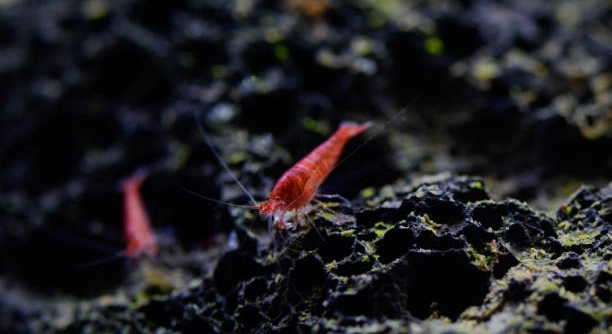
Have you ever noticed your shrimp hiding in the corners of their tank, only coming out when food is nearby? Watching them move cautiously can make feeding time feel unpredictable and slow. Observing their patterns can be fascinating.
Shrimp can be trained to respond to feeding cues through consistent routines. Repetition of visual or auditory signals, such as tapping or light changes, can condition shrimp to associate these actions with food availability over time.
Establishing a feeding routine helps shrimp feel secure and encourages them to explore their environment more actively during meal times.
Understanding Shrimp Behavior
Shrimp are naturally cautious creatures, often retreating to corners or hiding among plants when they feel threatened. Their behavior is influenced by light, movement, and the presence of other tank inhabitants. Over time, they learn patterns in their environment and adapt to consistent routines. By observing their daily habits, you can identify the best times to feed them. Shrimp rely heavily on sensory cues rather than visual recognition, so repeated signals can train them effectively. Small adjustments in tank conditions, like reducing sudden movements or keeping the water calm, help shrimp feel more secure. Once they are comfortable, they become more active during feeding, making observation and interaction easier. Different species may respond differently, but patience and consistency are key. Regular monitoring of shrimp behavior not only improves feeding efficiency but also supports overall tank health. With careful attention, shrimp can adapt to predictable feeding patterns naturally, providing a more engaging experience.
Shrimp use feelers and sight to detect food, making repetition and gentle cues essential for training them successfully in your tank.
Consistency in signaling feeding times helps shrimp form predictable patterns. Over a few weeks, they begin recognizing cues, like light changes or tapping, which encourages them to move out and feed more readily. This makes the tank feel livelier and helps maintain healthy eating habits.
Setting Up a Feeding Routine
A predictable routine encourages shrimp to come out during specific times, improving their activity and reducing stress.
Establishing a feeding schedule is essential for conditioning shrimp to respond to cues. Begin by feeding them at the same time each day while using a consistent signal, like tapping the tank lid or briefly switching the lights. Initially, shrimp may be slow to respond, but repetition over days helps them associate the action with food. Observe their reactions carefully, noting which cues are most effective. Ensure the environment remains calm during these sessions, avoiding sudden movements or disturbances that could scare them back into hiding. Adjust feeding amounts gradually to prevent overfeeding, which can harm water quality. Tracking their behavior helps refine the routine, allowing shrimp to emerge more confidently and consistently. With patience, the shrimp will begin to anticipate feeding, making tank management easier and more predictable. Over time, this simple routine can create a healthier and more interactive habitat for your shrimp.
Using Visual and Auditory Cues
Shrimp respond well to repeated visual and auditory signals. Simple actions like tapping the tank or moving a hand near the surface can alert them that food is coming. Consistency is essential for training.
Visual cues can include shadows or gentle movements above the tank, which shrimp gradually learn to associate with feeding. Repeating the same motion at the same time each day helps them recognize patterns. Auditory signals, like soft tapping on the tank, can also trigger their response. Over time, shrimp will start coming out as soon as they notice these cues, even before food is added. It requires patience, as some may take longer to adjust, and not all signals work equally well for every species. Observing which cues are most effective allows you to refine the approach and make feeding predictable and stress-free.
Combining cues with a consistent schedule strengthens their learning. Using both visual and auditory signals together improves shrimp responsiveness. They start connecting the actions with meals, making them more active during feeding times. Regular repetition ensures the behavior becomes routine, and the shrimp begin appearing reliably. Adjusting signals as needed for shy individuals ensures that all shrimp gradually participate, enhancing interaction and feeding efficiency.
Monitoring Progress and Adjustments
Keep track of shrimp reactions to cues and routine, noting which methods prompt the quickest response. Gradual changes may be required to maintain effectiveness.
Recording observations helps identify which shrimp are slow to respond and which adapt quickly. Some may need extra time or stronger cues, while others quickly learn the routine. Adjustments to feeding times, cue intensity, or tank conditions can improve results. Consistently tracking behavior allows you to notice progress, like shrimp emerging faster or grouping in feeding areas. Regular monitoring ensures that the training remains effective and that all shrimp are participating, which also supports healthier feeding habits and reduces stress in the tank.
Patience and Observation
Training shrimp requires patience. Some individuals take longer to recognize cues and respond. Observing their behavior carefully allows you to adjust signals and timing to suit their pace.
Small changes in routine can make a big difference. Consistent observation ensures shrimp gradually become more confident and predictable during feeding sessions.
Adjusting for Different Species
Different shrimp species may respond differently to cues and schedules. Some are more cautious, while others adapt quickly. Tailoring your approach to the specific species in your tank improves results. Monitor their reactions and adjust signals or feeding times to match their natural tendencies. Consistency and careful attention remain essential for all types.
Avoiding Overfeeding
Overfeeding can harm shrimp health and water quality. Stick to small, measured amounts to maintain balance in the tank.
FAQ
Can shrimp really learn to come out for feeding?
Yes, shrimp can learn to respond to consistent cues and routines. They rely on sensory signals, mainly touch, sight, and vibrations. By repeating a visual or auditory signal, like tapping the tank or moving a hand near the surface, they begin to associate it with food over time. Patience and consistency are key, and results may vary depending on species and individual temperament.
How long does it take for shrimp to recognize feeding cues?
Shrimp typically need a few days to several weeks to fully recognize a repeated signal. Some are naturally shy and may take longer, while bolder individuals adapt more quickly. Short, consistent sessions help reinforce the association between the cue and food, gradually building predictable feeding behavior.
What types of cues work best for shrimp?
Visual and auditory cues work well when paired with feeding routines. Gentle hand movements above the tank, shadows, or tapping on the tank lid are effective. Some shrimp respond better to subtle light changes or vibrations. Testing different signals allows you to find the most responsive method for your tank inhabitants.
Do all shrimp species respond the same way?
No, species differ in their reactions. Some are naturally more cautious and may need longer training, while others are active and quick to respond. Observing species-specific behavior and adjusting the type and timing of cues improves training success. Monitoring individual responses also helps ensure every shrimp in the tank participates.
Is it necessary to use both visual and auditory cues?
Using both can increase responsiveness but isn’t always required. Some shrimp learn to respond to one type of cue effectively. Combining cues can reinforce learning and make feeding more predictable, especially in mixed-species tanks where some shrimp may be slower to respond than others.
Can shrimp be trained if they are always hiding?
Yes, but it takes extra patience. Shy shrimp may need a calmer environment and gentle cues. Avoid sudden movements and maintain consistent feeding times. Gradually, even shy shrimp can learn to associate specific signals with food and start emerging more reliably.
Will shrimp get stressed if they are trained?
Training shrimp carefully does not cause stress. The key is gentle and consistent signals, avoiding sudden changes or overhandling. Gradual exposure to cues and maintaining a calm environment helps shrimp feel safe while learning to anticipate feeding times.
How often should I train shrimp?
Daily short sessions are most effective. Feeding at the same time each day while using consistent cues helps reinforce the association. Over time, shrimp begin to anticipate feeding, becoming more active during meal times. Avoid long or irregular sessions, as inconsistency can confuse them.
Can trained shrimp remember cues long-term?
Yes, shrimp can retain recognition of feeding cues for extended periods if the routine is maintained. Consistency is essential. Interruptions or sudden changes may temporarily disrupt learned behavior, but retraining usually works quickly with familiar cues.
What are common mistakes to avoid when training shrimp?
Inconsistency, overfeeding, and sudden disturbances are common mistakes. Avoid changing cues frequently or feeding at irregular times. Overfeeding can harm water quality and shrimp health, while sudden movements may scare them. Maintaining a calm, predictable environment ensures better results and reduces stress.
How do I know if my shrimp are responding correctly?
Shrimp responding correctly will begin to emerge from hiding as soon as they notice the cue, often before food is placed in the tank. Over time, their movements become more predictable, and they start to gather around feeding areas promptly. Tracking progress helps refine cues and timing.
Can shrimp be trained to come for feeding without food present?
Yes, once shrimp reliably associate a cue with food, they may respond even if food isn’t immediately added. However, occasional reinforcement is necessary to maintain the behavior. Skipping food too often can reduce responsiveness, so it’s important to balance reinforcement with training.
Does water quality affect training success?
Absolutely. Poor water conditions can stress shrimp, making them less responsive. Maintaining stable temperature, pH, and cleanliness ensures shrimp are healthy, comfortable, and more likely to learn and follow feeding cues consistently.
Are there any tools that help with shrimp training?
Simple tools like small tongs, a soft tapper, or a consistent light source can help deliver cues without disturbing the shrimp. Avoid using anything that could startle them. The goal is to create gentle, recognizable signals that they can easily associate with feeding.
What if some shrimp never respond?
Some individuals may remain shy despite consistent training. That’s normal. Continue gentle cues and maintain a calm environment. Over time, even hesitant shrimp may begin to participate. Focus on the overall behavior of the group rather than individual exceptions.
Can trained shrimp improve tank observation for hobbyists?
Yes, observing shrimp responding to cues can make feeding more engaging and predictable. It allows you to monitor health, notice changes in behavior, and enjoy the subtle interactions that develop as shrimp learn to anticipate meals.
How do I balance training with natural feeding instincts?
Training should complement natural foraging. Provide a mix of structured cues and free feeding opportunities to ensure shrimp maintain normal behaviors. Balance helps shrimp remain healthy, active, and responsive while still exploring and foraging naturally.
Will training shrimp affect breeding or molting?
Training itself does not negatively impact molting or breeding if done gently. Maintaining proper nutrition and environmental conditions is more important. A calm, predictable routine can even reduce stress, indirectly supporting molting and reproduction.
Can shrimp distinguish between different types of food during training?
They can, but training works best with consistent food initially. Once they respond reliably, you can introduce variety. Changing food types too quickly may confuse shrimp, so gradual transitions are recommended for maintaining learned behavior.
How long does a training session need to be?
Short, consistent sessions of a few minutes are sufficient. Prolonged sessions can stress shrimp or dilute the association between cues and feeding. Frequent, brief exposures work best for reinforcing behavior without overwhelming them.
What is the best way to reinforce learned behavior?
Consistency, patience, and gentle repetition are key. Always pair cues with feeding at predictable times. Occasional variation in timing is acceptable, but regular reinforcement helps shrimp retain learned responses over the long term.
Can trained shrimp interact with other species during feeding?
Yes, but caution is needed. Fast or aggressive tankmates can intimidate shrimp, reducing responsiveness. Ensure the environment is calm and monitor interactions to maintain effective training and safe conditions for all species.
How do I maintain learned behavior long-term?
Maintain consistent cues, feeding times, and tank conditions. Occasional reinforcement ensures shrimp continue responding reliably. Patience and careful observation are essential for sustaining training over months and even years.
Are there limits to what shrimp can learn?
Shrimp have simple learning abilities focused on survival and feeding. They respond to patterns and cues but cannot form complex associations. Training works best when aligned with natural instincts, like feeding and environmental awareness.
How can I tell if training is successful?
Success is seen when shrimp respond quickly to cues, emerge reliably at feeding times, and show reduced stress. Tracking progress over weeks allows hobbyists to gauge effectiveness and make small adjustments to improve results.
Do shrimp ever forget trained cues?
Yes, if cues are not regularly reinforced, shrimp may gradually stop responding. Periodic reinforcement helps maintain behavior. Occasional lapses are normal and can be corrected with consistent retraining.
Can training improve shrimp health?
Indirectly, yes. Regular feeding routines reduce stress and ensure proper nutrition. Observing shrimp during training also helps spot early signs of illness or molting issues, supporting overall tank health.
Is shrimp training suitable for all tanks?
It works best in stable, calm tanks without aggressive species. Overcrowded or turbulent environments can hinder learning. Tailoring training methods to tank size, population, and species ensures the best results.
Are there signs that training is causing stress?
Shrimp hiding more than usual, refusing to eat, or showing erratic movements can indicate stress. Adjusting cues, timing, and tank conditions helps minimize stress and maintain effective training.
How do I start training my shrimp today?
Choose a consistent cue, schedule short daily sessions, and observe responses. Be patient, adjust signals as needed, and pair every cue with feeding. Over time, shrimp will learn to emerge reliably, making feeding predictable and enjoyable.
Can I train multiple shrimp at once?
Yes, but results may vary. Some shrimp may respond quickly, while others lag behind. Use gentle cues and maintain consistency. Observing group behavior helps ensure all shrimp gradually participate without stressing individuals.
Do shrimp learn from each other?
They may observe movements of others, but individual learning is more effective. Group presence can encourage hesitant shrimp, but relying solely on observation is less predictable than consistent cue-based training.
What if I change the tank setup during training?
Significant changes can confuse shrimp and reduce responsiveness. Minor adjustments are okay if cues and feeding remain consistent. Gradual transitions are better to maintain learned behavior while improving the environment.
Can shrimp training be combined with other enrichment activities?
Yes, enrichment like plants, hiding spots, and foraging opportunities complements training. Keeping shrimp engaged supports natural behaviors while reinforcing learned responses, resulting in a healthier and more interactive tank environment.
How do I measure success over time?
Track response times, frequency of emergence, and participation levels. Improved consistency and reduced hesitation indicate effective training. Regular monitoring allows refinement of cues and schedules to maintain long-term results.
Are there tools or apps to help track shrimp training?
Simple notebooks or digital logs work well. Recording observations daily helps track progress, identify patterns, and refine cues. Some aquarium apps also allow logging feeding times and behaviors for long-term monitoring.
Can shrimp training become part of daily tank maintenance?
Yes, integrating cue-based feeding into routine tank care ensures consistency, reduces stress, and allows monitoring of shrimp health, behavior, and activity while keeping feeding predictable and controlled.
Is it okay if some shrimp never fully respond?
Yes, variability is normal. Focus on overall group behavior. Shy individuals may improve slowly, and some may never fully respond, but group participation still makes training effective and rewarding.
How do I deal with shrimp molting during training?
Avoid disturbing shrimp during molting. Training can resume once they are active again. Molting periods may temporarily slow responsiveness, but regular reinforcement after recovery restores learned behavior.
Can training affect shrimp lifespan?
When done gently, training does not negatively impact lifespan. Proper nutrition, stable tank conditions, and minimal stress are far more important for long-term health than the training process itself.
What is the ideal tank environment for training?
Stable water conditions, minimal sudden movements, and appropriate hiding spaces help shrimp feel secure. A calm environment supports learning, reduces stress, and encourages active participation during feeding sessions.
Can I train shrimp in a community tank?
Yes, but monitor interactions closely. Aggressive or fast-moving species can intimidate shrimp. Adjust cues and feeding areas to ensure shrimp feel safe while learning to respond reliably to signals.
How do I troubleshoot shrimp that stop responding?
Check water quality, feeding consistency, and cues. Reduce stress factors and reinforce cues with gentle repetition. Gradual retraining usually restores responsiveness in hesitant or distracted shrimp.
Are there limits to the number of cues shrimp can learn?
Shrimp respond best to a small number of simple, repeated cues. Overcomplicating signals can confuse them. Focus on one or two consistent signals paired with feeding for best results.
Do environmental changes affect shrimp memory of cues?
Yes, sudden changes in lighting, tank layout, or population can reduce responsiveness. Gradual adjustments and consistent reinforcement help shrimp retain learned behavior despite environmental changes.
How do I know when training is complete?
Training is ongoing. Success is measured by shrimp consistently responding to cues, emerging reliably, and participating in feeding. Continuous observation ensures behavior is maintained and reinforced over time.
Can trained shrimp be used in breeding programs?
Indirectly, yes. Consistent feeding routines reduce stress, support health, and can help maintain optimal conditions for breeding. Training itself does not directly influence reproduction but contributes to a stable, healthy environment.
Will shrimp stop responding if I use too many cues?
Yes, too many different signals can confuse them. Stick to one or two consistent cues paired with feeding. Simplicity ensures shrimp reliably associate the action with food, making training more effective.
How can I make training more effective?
Consistency, gentle cues, short daily sessions, and observation are essential. Pair every cue with food, maintain a calm tank, and adjust signals based on shrimp reactions to improve responsiveness and engagement.
Are some shrimp better learners than others?
Yes, personality and species affect learning speed. Bold or active shrimp adapt quickly, while shy individuals may require more patience. Understanding these differences helps set realistic expectations and tailor training methods.
Does age affect shrimp learning?
Juvenile shrimp may learn faster due to higher activity levels, while older shrimp may be slower. Both can learn, but sessions may need to be adjusted in duration or intensity to suit age and energy levels.
Can training shrimp improve tank hygiene?
Indirectly. Engaged shrimp actively seek food, reducing leftover waste and preventing uneaten debris from accumulating. Observing feeding also allows timely removal of excess food, supporting cleaner water and healthier shrimp.
Is it safe to use sound cues repeatedly?
Yes, if gentle. Loud or sudden sounds can stress shrimp. Soft taps or vibrations work best. Regular, calm signals encourage learning without harming their well-being.
Do shrimp respond differently to live versus prepared food?
Shrimp often react more quickly to live or highly aromatic food. However, training works with prepared food if cues are consistent. Gradually introducing variety helps maintain responsiveness and interest.
Can shrimp communicate during training?
Not in a complex way, but they may signal presence or movement to nearby shrimp. Group behavior can influence hesitant shrimp, encouraging them to emerge, though individual learning remains primary.
How do I adjust training for a heavily planted tank?
Use signals that penetrate plants, like gentle taps or overhead hand movements. Ensure cues reach all shrimp without disturbing plants, maintaining consistency and reinforcing feeding associations across the tank.
What signs show shrimp enjoy the training process?
Active movement toward cues, reduced hiding, and quick feeding responses indicate comfort and engagement. Calm, confident behavior during sessions reflects positive adaptation to the routine.
Can shrimp training reduce aggression in a tank?
Indirectly, yes. Predictable feeding reduces competition and stress. Consistent cues and controlled portions allow shrimp to feed more calmly, reducing territorial or competitive behaviors.
Do shrimp require treats to maintain training?
Not necessarily. Regular meals paired with cues are sufficient. Occasional variety can maintain interest, but treats are not required for reinforcing learned behavior.
Is there a best time of day to train shrimp?
Training during their natural active periods is most effective. Most shrimp are more responsive during daylight or early evening depending on species. Observing activity patterns ensures sessions occur when shrimp are naturally alert.
How do I balance feeding multiple times a day with training?
Use cues for one main session while providing small supplementary feedings without cues. This maintains learned behavior while ensuring proper nutrition and preventing overfeeding.
Can shrimp learn to respond to multiple cues over time?
Yes, but limit to a few simple, consistent signals. Gradual introduction of additional cues is possible once the first is reliably learned. Too many changes at once may reduce effectiveness.
How important is consistency in water temperature for training?
Very important. Stable temperatures support active, healthy shrimp, which are more responsive to cues. Sudden changes can stress them and reduce the effectiveness of training sessions.
Do shrimp recognize individual humans during training?
Not in a personal sense. They respond to repeated visual or tactile cues rather than identifying specific people. Consistency in who delivers the cue can help reinforce behavior, but recognition is cue-based.
Can trained shrimp adapt if I move them to a new tank?
Yes, but cues may need to be reintroduced gradually. A new environment requires adjustment, and training may need reinforcement until shrimp become comfortable and responsive again.
Are there limitations to using sound in large tanks?
Yes, vibrations may not reach all shrimp in larger setups. Visual cues can supplement auditory signals, ensuring that shrimp throughout the tank receive recognizable signals during feeding.
What is the most effective way to maintain long-term training?
Consistency, regular reinforcement, calm tank conditions, and careful observation are key. Gradually adjusting cues and monitoring responses ensures shrimp remain responsive and active over time.
Can shrimp learn to respond to more than one type of food?
Yes, once they reliably respond to cues, you can introduce different foods gradually. Consistent association between cues and feeding remains essential to maintain responsiveness.
Do shrimp ever refuse food during training?
Yes, molting, illness, or stress may cause temporary refusal. Adjusting timing, environment, or food type usually restores participation without disrupting learned behavior.
How do I know if cues are too strong?
Shrimp that retreat quickly or show erratic movements may find cues overwhelming. Gentle, consistent signals are best to encourage learning without causing stress.
Are shrimp capable of distinguishing feeding from danger?
Yes, they respond differently to food cues versus threats. Proper training ensures they recognize feeding signals as safe while maintaining natural caution in other situations.
Can I combine training with health monitoring?
Absolutely. Observing shrimp during feeding helps detect early signs of illness, molting problems, or stress, making training a useful part of regular tank maintenance.
How often should cues be reinforced after training is established?
Occasional reinforcement during regular feedings keeps behavior reliable. Completely stopping cues for long periods may weaken learned associations, so periodic reminders help maintain responsiveness.
Can shrimp trained in one tank be transferred and retain behavior?
Partially. Familiar cues may help, but a new environment requires gradual reintroduction. Patience and consistency are necessary to restore learned responses in a different tank.
Does tank size impact training success?
Smaller tanks allow cues to reach shrimp more easily, but larger tanks are manageable with careful planning. Using multiple cues or reinforcing signals ensures shrimp throughout the tank respond reliably.
Are there visual signs that shrimp have learned a cue?
Shrimp approaching the feeding area quickly, leaving hiding spots immediately, and showing anticipation behaviors indicate successful recognition of the cue and a strong learned association.
Can training improve shrimp survival in community tanks?
Yes, consistent feeding routines and reduced stress help shrimp remain active and healthy, improving survival chances in mixed-species tanks. Proper cues reduce competition and make feeding predictable, supporting well-being.
Is it possible to overtrain shrimp?
Yes, excessive or overly long sessions can stress shrimp. Short, consistent cues paired with feeding are effective without overwhelming them, maintaining learning while protecting their health.
Do shrimp retain memory of cues after months without reinforcement?
Memory may fade without periodic reinforcement. Brief reintroduction of cues and feeding restores learned behavior, though responsiveness may initially be slower. Regular reinforcement maintains long-term results.
**Can shrimp be
Training shrimp to respond to feeding cues is a gradual process that relies on patience, consistency, and careful observation. Shrimp are naturally cautious, but they can learn to associate simple visual or auditory signals with food over time. The key is to introduce cues slowly and repeat them consistently at the same times each day. Some shrimp may start responding within a few days, while others might take several weeks. Individual temperament, species, and environmental conditions all influence how quickly shrimp adapt. By paying attention to their behavior and making small adjustments, it is possible to create a feeding routine that the shrimp recognize and respond to reliably.
Maintaining a calm and stable environment is essential for training. Sudden movements, loud noises, or drastic changes in water conditions can stress shrimp and make them less likely to respond. Consistent feeding schedules, gentle cues, and a predictable routine help them feel secure. It is also important to avoid overfeeding, as excess food can affect water quality and the shrimp’s health. Tracking their reactions during feeding times allows for adjustments in cue type, timing, or intensity. Over time, shrimp not only learn to come out for food but also become more confident in exploring their environment. This improved activity can make caring for the tank easier and more engaging, as shrimp begin participating actively in their own feeding.
While not all shrimp will respond at the same pace or to the same cues, the overall benefit of training is clear. It helps reduce stress, encourages healthier feeding habits, and allows for closer observation of shrimp behavior and health. Training can also be integrated into regular tank maintenance, making it part of daily care rather than a separate task. Even if some shrimp remain shy, consistent application of cues and routines ensures that the majority will participate, creating a more predictable and interactive feeding experience. By focusing on patience, gentle reinforcement, and a stable environment, shrimp can gradually adapt to respond reliably, providing a rewarding and manageable approach to feeding and care.

Hello,
If you enjoy the content that we create, please consider saying a "Thank You!" by leaving a tip.
Every little bit helps us continue crafting quality advice that supports the health, happiness, and well-being of pets around the world, for pets of all shapes, sizes, and species.
We really appreciate the kindness and support that you show us!