
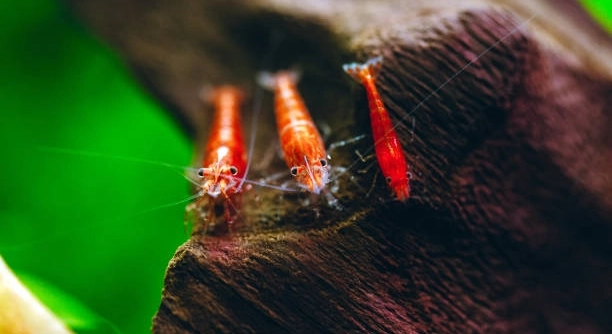
Have you ever noticed your shrimp hiding in one corner of the tank or moving slowly across the substrate? Observing their behavior can reveal a lot about their comfort and environmental preferences in your aquarium.
Shrimp often prefer calm water flow because strong currents can stress them and disrupt feeding or breeding patterns. Gentle water movement allows them to explore freely, maintain energy, and stay healthy, supporting natural behaviors essential for their survival.
Understanding these signs will help you create a better environment for your shrimp and ensure they thrive in your aquarium.
Shrimp Hiding Frequently
Shrimp that prefer calm water often spend more time hiding than exploring. They will tuck themselves under plants, driftwood, or decorations, avoiding areas with strong currents. Watching your shrimp, you may notice that they rarely swim in open water unless necessary. Their hiding behavior helps them conserve energy and feel secure. Constantly moving water can stress them, leading to more frequent retreats. Young shrimp and delicate species are particularly sensitive, and even moderate currents can make them seek shelter. Providing quiet zones with dense plants or smooth surfaces gives them a place to rest. Over time, you may notice that these calm zones become their favorite spots, where they feed, molt, and interact with other shrimp. Observing these habits closely allows you to adjust flow and placement in the tank, creating an environment that matches their natural preferences.
Shrimp hiding often signals a preference for calmer water and reduced stress levels in the tank environment.
Creating safe, slow-flow areas not only encourages shrimp activity but also reduces the risk of injuries or molting issues, helping them thrive naturally.
Reduced Swimming Activity
Shrimp in strong currents may struggle to move efficiently, so they often stay in one spot or move minimally. Their reduced swimming activity is an adaptation to avoid fatigue and conserve energy. You may notice them clinging to rocks, plants, or the substrate, hardly venturing into the main flow. Calm water allows shrimp to forage more freely, exploring surfaces for food without being pushed around. Observing their movement patterns can give insight into the optimal water flow for their comfort. Adjusting filter output, repositioning flow sources, or adding barriers can create areas of gentle water movement, allowing shrimp to maintain normal activity levels. Less active shrimp are not always unhealthy; they simply respond to the environment. Ensuring slow, steady currents enhances their confidence to move around and feed properly. Shrimp that can swim calmly are generally more visible and active, showing natural behaviors.
Shrimp tend to stay closer to surfaces when water flow is gentle, conserving energy while exploring efficiently.
Providing slow-flow zones supports feeding, molting, and social interaction while reducing stress, which is essential for long-term health and natural behavior patterns.
Fins and Antennae Held Close
Shrimp often hold their fins and antennae close when water flow is strong. Calm water lets them extend naturally without strain, which is a clear sign of comfort.
When shrimp experience strong currents, they may fold their fins and keep antennae tight to their bodies. This reaction helps them resist being pushed or swept away but limits their natural movement and exploration. In calmer water, these appendages can move freely, allowing shrimp to sense surroundings, find food, and communicate with other shrimp. Watching how your shrimp position their fins and antennae can reveal their preferences and stress levels. Over time, you will notice that shrimp in calm zones appear more relaxed, extending antennae fully to explore surfaces and interact with tank mates. Adjusting the water flow to reduce strong currents encourages natural behaviors and healthier interaction within the tank.
Extended fins and antennae indicate that shrimp feel safe and unpressured. Observing these movements can guide adjustments to water flow and tank layout.
Resting on Surfaces
Shrimp often rest directly on plants, rocks, or substrate when water flow is calm. This resting behavior is less common in strong currents, where they must constantly adjust their position.
Resting on surfaces allows shrimp to conserve energy and focus on feeding or molting. In strong currents, shrimp expend more energy just to stay in place, reducing time spent on essential activities. Calm zones let them pause, groom themselves, and explore nearby food without resistance. Surface resting also promotes natural behavior, as shrimp in the wild often cling to stationary objects to avoid being swept away. Providing ample flat or textured surfaces in gentle-flow areas encourages resting, improving shrimp health and reducing stress. Over time, these areas become favorite spots for shrimp, where they can molt safely, interact with others, and move freely when desired.
Observing where shrimp choose to rest can indicate preferred flow and guide tank adjustments for a more comfortable environment.
Clinging to Plants or Decorations
Shrimp often cling to plants or decorations when water flow is calm. Strong currents make holding on more difficult, so calm water allows them to rest without constant effort.
Clinging behavior helps shrimp feel secure and reduces stress. Calm areas let them stay attached while feeding, molting, or exploring nearby surfaces.
Avoiding Open Water
Shrimp tend to avoid open water when currents are strong. Staying near surfaces or sheltered areas conserves energy and prevents being swept away.
Shrimp avoid open water in favor of edges, plants, and hiding spots. Strong currents push them around, increasing stress and energy use. Calm water gives them freedom to explore safely while staying protected.
Smooth, Gentle Movements
Shrimp move slowly and deliberately in calm water. Their movements appear fluid, with minimal resistance, showing comfort in their environment.
Feeding Without Struggle
Shrimp can graze and pick at food easily when water flow is gentle. Strong currents often make feeding difficult, forcing shrimp to chase or fight against the flow.
How can I tell if my shrimp prefer calm water?
Shrimp show several behaviors when they prefer calm water. They often cling to plants, decorations, or the substrate rather than swimming in open areas. Fins and antennae stay extended naturally, and they rest more frequently. Reduced swimming activity, hiding in sheltered zones, and grazing without struggling are strong indicators. Watching their daily patterns can reveal how they respond to different flow levels.
What adjustments can I make to create calm water zones?
To create calmer areas, reduce the output of your filter or redirect water flow using decorations, rocks, or plants. Sponge filters, driftwood, and dense plant clusters can help slow currents locally. Avoid placing shrimp directly in the strongest flow from pumps or filters. Observing where shrimp gather most can guide placement of slow-flow zones. Adjusting water circulation carefully allows shrimp to explore comfortably while still maintaining overall tank filtration.
Will calm water affect water quality?
Calm water does not necessarily harm water quality if circulation is balanced. Slow-flow zones can coexist with active areas, as long as the tank maintains proper filtration. Occasional gentle water movement prevents stagnant spots and supports oxygenation. Regular water changes are essential to ensure shrimp stay healthy. Plant coverage also helps maintain water quality, as plants absorb excess nutrients. Observing shrimp behavior alongside water parameters ensures that calm areas support health without causing stagnation or buildup of waste.
Can all shrimp species tolerate the same water flow?
Not all shrimp handle flow the same way. Delicate species like Caridina often prefer very gentle currents, while some Neocaridina can manage moderate flow. Juvenile shrimp and molting individuals are usually more sensitive than adults. Knowing your species’ natural habitat helps set the appropriate flow. Adjusting flow gradually allows shrimp to acclimate without stress. Providing both calm zones and moderate-flow areas accommodates different activity needs, encouraging natural behaviors for all tank inhabitants.
How does water flow impact feeding behavior?
Strong water flow can make feeding difficult. Shrimp may struggle to hold onto food or get swept away before eating. In calm water, shrimp can graze at their own pace, picking at biofilm, algae, and leftover food. Slow currents also allow shrimp to interact socially while feeding, reducing competition and stress. Observing feeding patterns helps identify whether flow is too strong. Adjusting flow so shrimp can eat comfortably ensures proper nutrition and supports healthy growth and molting cycles.
Can calm water reduce stress in shrimp?
Yes, calm water can significantly reduce stress. Constantly fighting against strong currents expends energy and increases vulnerability to molting issues or disease. Calm zones allow shrimp to rest, forage safely, and display natural behaviors. Over time, less stress improves overall health, activity levels, and reproduction rates. Careful observation ensures shrimp have enough calm space without compromising water circulation and tank cleanliness.
Are there signs that my shrimp are uncomfortable with flow?
Shrimp showing constant hiding, clinging tightly, or curling their bodies indicate discomfort with strong currents. Excessive tail flicking, rapid movements, or staying near tank edges also signal stress. Shrimp may fail to feed properly or molt successfully in unsuitable flow. Recognizing these signs early allows you to make adjustments quickly. Calm water areas and appropriate plant or decoration placement help prevent stress-related problems while keeping shrimp active and healthy.
How often should I monitor shrimp behavior for flow preferences?
Monitoring shrimp daily helps identify preferred zones and behavior patterns. Short observations during feeding and resting times reveal whether flow adjustments are needed. Noting changes during molting or growth stages ensures calm zones meet their evolving needs. Regular observation allows timely changes without disturbing the tank excessively, keeping shrimp comfortable and reducing risk of stress or injury.
What types of plants or decorations work best for calm water zones?
Dense plants, mosses, and driftwood create sheltered areas that reduce current. Smooth rocks and flat surfaces give shrimp places to rest and graze. Tall plants near filter outputs break flow into gentler currents. Arranging decorations strategically can split strong water areas from calm zones, letting shrimp choose their comfort level naturally. These features also encourage natural behaviors like grazing and resting, enhancing shrimp health and activity.
Does water flow affect shrimp breeding?
Yes, gentle water flow supports breeding. Strong currents can disturb eggs or newly hatched larvae, increasing mortality risk. Calm zones allow shrimp to molt, mate, and care for offspring without excessive movement. Providing stable, slow-flow areas increases breeding success while maintaining tank cleanliness. Observing shrimp in these zones can indicate whether adjustments are needed to support reproduction effectively.
This FAQ provides guidance on recognizing shrimp preferences, adjusting flow, and creating environments that reduce stress, support feeding, and encourage natural behavior.
Shrimp are delicate creatures, and their comfort in the aquarium depends heavily on water flow. Observing their daily habits gives clear insight into what they prefer. Many shrimp naturally gravitate toward calm water, where they can move without constantly fighting currents. In these gentle areas, they cling to plants, rocks, or the substrate, extend their fins and antennae freely, and spend time resting or grazing. Strong currents often force them to hide, hold their appendages close, and expend more energy than necessary. By paying attention to these subtle behaviors, you can understand how your shrimp feel in different parts of the tank. Adjusting water flow to provide calmer areas ensures that shrimp can act naturally and reduces stress, which is essential for their overall health.
Creating calm zones does not mean eliminating water movement entirely. Adequate filtration and circulation are necessary for maintaining clean water and oxygen levels, but careful placement of decorations, plants, and flow-blocking objects can provide sheltered spots. Dense plants, driftwood, and flat surfaces act as buffers, breaking strong currents into gentle flows that shrimp can handle comfortably. Calm zones also support feeding, molting, and social behaviors. When shrimp have areas where they feel secure, they are more likely to explore, interact, and feed properly. Observing where shrimp naturally gather or how they react to currents can guide adjustments. Over time, creating a balance between calm and flowing areas enhances both the environment for the shrimp and the visual appeal of the tank.
Understanding shrimp behavior and their response to water flow ultimately improves their health and longevity. Calm water areas reduce stress, which can prevent molting issues, boost breeding success, and support energy conservation. Shrimp that feel secure in their environment are more active, display natural behaviors, and are easier to care for. Providing a variety of flow conditions, combined with monitoring their behavior regularly, helps ensure that the tank meets the needs of all shrimp species. Small adjustments, such as redirecting filter output or adding additional plants, can make a significant difference in comfort levels. Over time, these changes create an aquarium where shrimp thrive, allowing them to display their natural beauty and behaviors while remaining healthy and stress-free.

Hello,
If you enjoy the content that we create, please consider saying a "Thank You!" by leaving a tip.
Every little bit helps us continue crafting quality advice that supports the health, happiness, and well-being of pets around the world, for pets of all shapes, sizes, and species.
We really appreciate the kindness and support that you show us!