
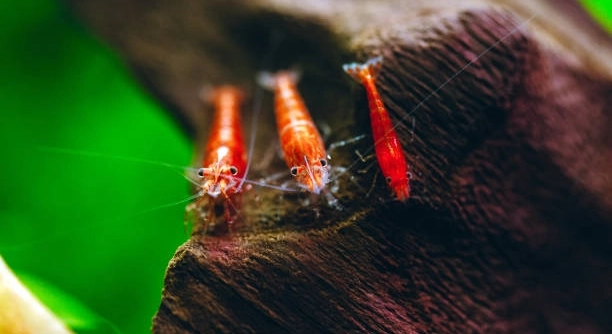
Have you ever noticed your cherry shrimp moving around the tank while other pets are nearby? Their delicate nature makes them sensitive to changes in their environment and the presence of other animals. Watching them can be calming.
Cherry shrimp are generally not distracted by other household pets. Their primary focus remains on foraging, exploring, and interacting with their tank environment. While sudden movements may startle them, consistent exposure does not significantly alter their normal behavior.
Observing how your shrimp respond to different pets can give you better insight into their daily habits and comfort levels. This understanding helps maintain a peaceful tank environment for everyone involved.
Cherry Shrimp and Visual Stimuli
Cherry shrimp are naturally sensitive to movement and changes around their tank. When other pets, like cats or dogs, approach the aquarium, shrimp may pause or hide briefly. This reaction is usually short-lived because shrimp quickly resume normal activities once the disturbance passes. Their primary focus remains on exploring the substrate, feeding, and interacting with plants. Over time, shrimp may become accustomed to the presence of other animals, showing minimal reaction to everyday movement. Some shrimp may be more cautious, while others seem almost indifferent, depending on their personality and previous experiences. Proper tank placement, away from high-traffic areas, can help reduce unnecessary stress. Regular observation allows you to notice if any shrimp show persistent hiding or changes in feeding behavior, which could indicate stress. Small adjustments, like adding more hiding spots, can make shrimp feel secure without completely isolating the tank from household activity. Their behavior remains predictable under consistent conditions.
While sudden movements may catch their attention, most shrimp quickly return to normal behavior. Stress is minimal with proper tank setup.
Understanding shrimp reactions to visual stimuli helps maintain their well-being. By providing hiding areas, consistent lighting, and a calm environment, shrimp can thrive even in busy households. Observing interactions over time gives insight into each shrimp’s personality and comfort level. Tank placement is crucial; placing the aquarium near windows with fluctuating light or close to pets’ favorite spots can increase stress. Adding plants or decorations allows them to explore safely. Cherry shrimp learn routines and can become habituated to repeated non-threatening events, reducing anxiety. Tank cleanliness and proper water parameters also support their resilience, making it easier for them to handle occasional disturbances. Overall, visual stimuli from other pets rarely interfere with daily behaviors when the environment is stable, structured, and secure.
Sounds and Vibrations Around the Tank
Cherry shrimp are sensitive to vibrations in their surroundings, which can influence their behavior. Loud noises or sudden knocks may cause them to retreat or freeze temporarily.
Vibrations travel through the tank water, alerting shrimp to potential danger. Even gentle tapping on the glass can startle them. Over time, they may habituate to regular household sounds, but sharp, unpredictable noises often trigger hiding. Shrimp rely on these cues for survival instincts, and repeated stress from vibrations may reduce feeding activity or increase hiding frequency. Ensuring the tank is placed on a stable surface away from foot traffic, doors, or appliances can minimize disturbances. Soft background noise, such as a low hum from a filter, typically does not disrupt them. Maintaining a consistent and calm environment allows shrimp to feel secure while still being exposed to typical household activity. Observing responses to vibrations can inform small adjustments to tank placement and layout, ultimately supporting a more relaxed and thriving shrimp population.
Tank Placement and Pet Interaction
Keeping the tank in a quiet corner reduces stress for shrimp. Avoid areas where pets frequently pass or jump near the tank.
Placing the aquarium on a stable surface is key. Vibrations from pets walking, jumping, or bumping nearby furniture can startle shrimp. A corner with minimal direct sunlight and low traffic creates a calm environment. Adding plants and hiding spots helps shrimp feel safe while observing activity from a distance. They can watch movement without feeling threatened. Over time, shrimp adapt to occasional motion, but consistent disturbances can increase hiding behavior or reduce feeding. Small adjustments in placement make a noticeable difference.
Even if pets are curious, a well-positioned tank ensures shrimp maintain their usual routines. Shrimp learn to distinguish harmless activity from potential threats. With careful placement, they continue exploring, grazing, and interacting with their environment. Observing shrimp over weeks shows they habituate to predictable patterns, making them less reactive to pets. A stable environment fosters comfort, health, and consistent behavior, allowing shrimp to thrive despite household activity. Proper tank setup minimizes stress while letting pets coexist nearby without impacting shrimp daily life.
Feeding Time Observations
Shrimp often focus more on food than surrounding pets. They show little distraction during feeding sessions.
During feeding, cherry shrimp gather around provided food, scanning the substrate and plants carefully. Even if pets move nearby, shrimp maintain attention on grazing. Their feeding behavior can be surprisingly consistent, with minimal interruption. Shrimp may pause momentarily if sudden movement occurs, but they resume quickly. Feeding times create structured periods of activity that reinforce routine and comfort. Observing them eat helps understand individual shrimp personalities, as some are more cautious while others are bold and active. Regular feeding with predictable timing reduces stress and strengthens normal behavior patterns.
Providing food in small portions encourages exploration and natural foraging. Shrimp approach each piece methodically, scraping surfaces and hiding spots. Even in the presence of other pets, shrimp prioritize grazing over reacting to movement. This focus shows how feeding routines help maintain calm and engagement in their environment. Observing shrimp during meals can reveal subtle stress cues or preferences, such as favorite foods or preferred feeding spots. Ensuring the tank remains stable, clean, and well-planted supports both healthy nutrition and behavioral consistency. Consistent feeding routines allow shrimp to remain confident, thriving even with pets nearby.
Interaction with Other Pets
Shrimp rarely interact directly with other pets. Their focus stays on exploring the tank and grazing on algae or biofilm.
Occasional movements outside the tank may catch their attention. Most shrimp quickly return to normal behavior, using plants and decorations to feel secure while observing without stress.
Stress Signs to Watch
Cherry shrimp may show stress through excessive hiding, clinging to surfaces, or reduced feeding. These behaviors indicate discomfort and a need for a calmer environment. Observing changes in activity levels helps determine if tank placement or household activity should be adjusted. Stress can be subtle but noticeable over time.
Tank Decorations and Hiding Spots
Providing plants, rocks, and caves encourages shrimp to explore while feeling safe. Proper hiding spots reduce stress from pets or sudden movements.
Do cherry shrimp get stressed by cats or dogs?
Cherry shrimp can be startled by sudden movements or vibrations caused by pets near the tank, but they rarely experience long-term stress. Most shrimp quickly resume their normal activities, especially if the tank is in a calm, stable location. Proper hiding spots and plants help them feel secure while pets are around.
Can shrimp recognize household pets?
Shrimp do not recognize pets individually. They respond mainly to movement, shadows, and vibrations. Sudden motion from a cat walking past the tank or a dog bumping nearby furniture may cause shrimp to freeze or hide temporarily, but repeated exposure usually reduces their reaction over time.
Will my shrimp stop eating if pets are around?
Feeding time remains a priority for shrimp. While sudden movements may cause brief pauses, shrimp usually continue grazing on algae, biofilm, and food pellets. Consistent feeding routines help shrimp feel safe and maintain normal feeding behavior even with pets nearby.
Do some shrimp react differently to pets than others?
Yes, shrimp personalities vary. Some are naturally more cautious and may hide at the slightest disturbance, while others are bolder and continue exploring or feeding. Observing each shrimp over time helps identify those that may need extra hiding places or calmer areas in the tank.
How can I reduce stress from pets near the tank?
Tank placement is key. Position the aquarium in a low-traffic area, away from doors, windows, and high-pet zones. Adding plants, rocks, and caves gives shrimp options to retreat. Using a stable, vibration-free stand and consistent lighting also reduces stress and encourages natural behaviors.
Do vibrations from pets really affect shrimp?
Yes, vibrations travel through water, alerting shrimp to potential danger. Even gentle bumps or tapping on the tank can cause brief hiding or freezing. Shrimp usually habituate to regular household activity, but sharp or unpredictable vibrations may temporarily disrupt their behavior.
Is it necessary to separate shrimp from other pets?
Full separation is not necessary if the tank is properly set up. Shrimp can safely coexist with pets nearby when they have hiding spots and the tank is stable. Occasional curiosity from pets does not significantly affect shrimp if their environment remains secure and consistent.
Can pets watching the tank cause long-term stress?
Observing pets does not typically cause long-term stress. Shrimp are more concerned with sudden movements or vibrations than visual attention. As long as their routine, water conditions, and hiding options are maintained, shrimp remain healthy and active despite nearby pets.
What signs indicate my shrimp are stressed by pets?
Look for excessive hiding, clinging to surfaces, loss of appetite, or lethargy. If these behaviors persist, review tank placement, add more plants or shelters, and ensure water parameters are stable. Small environmental adjustments often restore normal behavior quickly.
Do shrimp ever ignore pets completely?
Yes, many shrimp eventually ignore pets entirely. Habituation occurs as they learn that household movements pose no real threat. Bold shrimp may continue grazing or exploring confidently, while more cautious shrimp still maintain safe hiding areas. Proper care supports both adaptation and ongoing comfort.
How can I encourage shrimp to feel safe around pets?
Provide multiple hiding spots, consistent lighting, and a stable tank environment. Gradually, shrimp become accustomed to predictable household activity. Observation over time allows adjustments to placement, décor, and feeding routines, ensuring shrimp remain confident while coexisting with pets.
Can the presence of pets ever be beneficial for shrimp?
Indirectly, yes. Pets nearby can help shrimp acclimate to low-level movement and vibrations, encouraging resilience and normal behavior. A well-structured tank allows shrimp to explore safely while observing subtle activity, keeping their environment dynamic without causing stress.
How long does it take for shrimp to get used to other pets?
Adaptation varies by individual. Some shrimp become comfortable within days, while others may take weeks. Consistent tank conditions, predictable feeding, and sufficient hiding areas help all shrimp adjust more quickly, reducing hiding behavior and promoting natural exploration.
Do shrimp react differently to small pets versus large pets?
Yes, larger pets or those that move unpredictably tend to elicit stronger startle responses. Smaller pets, like fish or small rodents, often cause minimal disturbance. Observation and tank adjustments help minimize reactions from any type of nearby animal.
Can loud noises from pets affect shrimp behavior?
Loud noises may briefly startle shrimp, causing them to hide or freeze. However, as long as noise is not constant or extreme, shrimp usually resume normal activity. Hiding spots and stable water conditions make it easier for shrimp to cope with occasional disturbances.
Is it safe to let pets touch the tank?
Pets should not touch the tank. Physical contact can cause vibrations, risk water contamination, or stress shrimp. Limiting direct interaction ensures the shrimp’s environment stays safe, secure, and conducive to normal behavior.
Do shrimp communicate stress to each other?
Shrimp do not communicate stress in a way that significantly alters tank dynamics. Individual reactions, such as hiding, may influence nearby shrimp to be cautious temporarily, but this does not cause long-term disruption to the group.
Will adding more shrimp change reactions to pets?
Adding more shrimp can provide a sense of security, as individuals often feel safer in groups. Group behavior does not reduce awareness of pets, but it may reduce overall hiding behavior since multiple shrimp can forage while others stay hidden.
How can I monitor shrimp comfort around pets?
Regular observation is key. Watch feeding habits, hiding frequency, and movement patterns. Small adjustments in tank décor, placement, and feeding routines help maintain comfort. Over time, shrimp responses to pets become predictable, allowing you to create a stress-free environment.
Are there long-term effects of pet presence on shrimp?
When tanks are properly maintained, long-term effects are minimal. Shrimp habituate to normal household activity. Stress is only an issue if there is constant disruption, lack of hiding spots, or unstable water conditions. Maintaining structure and predictability supports long-term health and natural behavior.
Can visual contact with pets replace hiding spots?
No, visual contact is not enough. Shrimp need physical hiding spaces to feel safe. Plants, rocks, and caves provide security that helps them respond calmly to pets and other movements near the tank. Hiding spots remain essential for their well-being.
Do shrimp ever get curious about pets?
Shrimp may briefly observe movement outside the tank, but curiosity is limited. Their main focus remains on grazing, exploring, and interacting with their tank environment. Small glances at pets do not disrupt their usual routines or behavior.
Does the type of pet affect shrimp reactions?
Yes, pets that move quickly or unpredictably cause stronger reactions. Slow-moving or passive pets elicit minor responses. Understanding pet behavior helps determine optimal tank placement and décor for minimizing shrimp stress.
Can lighting changes affect shrimp reactions to pets?
Sudden lighting shifts can intensify reactions. Consistent lighting, combined with hiding spots, allows shrimp to feel secure even if pets are nearby. Abrupt brightness or shadows may cause temporary hiding or cautious behavior.
Is it necessary to cover the tank to protect shrimp from pets?
A secure lid helps prevent pets from accessing water, reduces jumping risk, and limits disturbances. While shrimp rarely interact directly with pets, a lid ensures safety and stability, protecting both shrimp and the tank environment.
How do shrimp recover from brief stress caused by pets?
Recovery is usually quick. Shrimp resume normal grazing and exploration once movement or vibrations stop. Consistent environment, hiding areas, and routine feeding accelerate recovery, ensuring shrimp remain healthy and active.
Can pets watching the tank influence shrimp growth or molting?
Not directly. Stress from pets is usually minimal and temporary, so it rarely affects growth or molting cycles. Stable water parameters, proper nutrition, and hiding spots are far more important for healthy development.
Do shrimp ever seem indifferent to pets entirely?
Yes, many shrimp eventually ignore pets. Habituation allows them to continue normal activities like grazing and exploring without reacting to nearby movement. Bold shrimp show little concern, while cautious ones still use hiding spots selectively.
How can I tell if shrimp are comfortable with pets over time?
Observe daily behavior. Consistent grazing, normal exploration, and minimal hiding indicate comfort. Shrimp that maintain routine even with pets nearby have adapted, showing they feel secure in their environment.
Are there specific pets that cause more stress for shrimp?
Large, energetic, or noisy pets tend to elicit stronger startle responses. Small, calm animals usually cause minor disturbance. Monitoring interactions and tank placement minimizes stress regardless of pet type.
Does temperature or water quality affect shrimp reactions to pets?
Yes, poor water conditions amplify stress reactions. Shrimp are more sensitive to movement when stressed by temperature fluctuations or poor water quality. Maintaining stable parameters ensures they respond calmly to pets and other environmental changes.
Can shrimp learn to ignore pets completely?
Habituation occurs over time. Predictable movements, consistent environment, and sufficient hiding spots allow shrimp to continue normal behavior while being aware of pets without reacting excessively. Observation confirms their adaptation.
Do shrimp react differently to new pets versus familiar ones?
New pets may trigger stronger reactions initially due to unfamiliar movement patterns or vibrations. Shrimp usually adapt over days or weeks, showing less stress as they recognize the activity as non-threatening.
Can repeated disturbances affect shrimp health long-term?
Persistent, unpredictable disturbances combined with poor tank conditions may increase stress, reduce feeding, or delay molting. Stable environment, hiding spaces, and careful tank placement prevent long-term effects, ensuring shrimp remain healthy.
Are shrimp more reactive at certain times of day?
Shrimp may be slightly more cautious during active periods when pets move around. Feeding times and quiet periods generally see less reaction. Predictable schedules help shrimp maintain normal behavior.
Do shrimp ever benefit from seeing other pets?
Indirectly, yes. Predictable activity helps shrimp adapt to minor environmental changes. Exposure to harmless motion strengthens natural behaviors, making shrimp resilient without causing stress.
How can I make shrimp feel safe without isolating the tank completely?
Provide plants, hiding spots, and stable tank placement. Allow shrimp to observe movement safely while keeping environment calm. Regular feeding, consistent water quality, and gradual exposure to household activity ensure comfort without isolation.
Can small vibrations from pets enhance shrimp awareness?
Mild vibrations help shrimp remain alert without causing stress. They can explore while remaining cautious. This natural sensitivity supports normal behavior, including grazing and interaction with tank structures.
Do shrimp ever show curiosity instead of fear toward pets?
Occasionally, some shrimp may pause to observe movement, but fear responses dominate. Curiosity is limited and brief, while primary focus remains on feeding, hiding, and exploring the tank safely.
Is the shrimp’s reaction to pets influenced by tank size?
Yes, larger tanks with more hiding spots reduce stress and allow shrimp to maintain normal routines despite nearby activity. Small tanks may amplify startle responses if there are fewer escape routes.
Do shrimp need gradual exposure to new pets?
Gradual exposure helps them adapt without frequent hiding or reduced feeding. Slowly introducing predictable activity ensures shrimp adjust comfortably over time, reducing unnecessary stress.
Can I use decorations to buffer pet movement?
Yes, plants, rocks, and ornaments break sight lines and reduce vibrations. These structures provide secure zones where shrimp can retreat while still exploring, making them less reactive to nearby pets.
Do shrimp ever become completely unbothered by pets?
Many shrimp habituate to predictable, non-threatening household activity. Bold individuals continue normal behaviors like grazing and exploring with minimal reaction, while cautious shrimp still use hiding spots selectively.
Does the presence of pets impact shrimp social behavior?
Not significantly. Shrimp continue interacting normally with each other, grazing, and exploring regardless of pets. Minor hiding behavior may occur temporarily, but overall social behavior remains intact.
Can stress from pets affect molting?
Only if stress is frequent and combined with poor water quality or nutrition. Minimal disturbances rarely influence molting. Providing secure hiding spots supports safe molting and overall health.
Is it helpful to limit pet activity near the tank?
Yes, reducing sudden or unpredictable movement minimizes startle responses. Stable, calm surroundings allow shrimp to maintain normal routines, including grazing, exploring, and social behavior.
Do shrimp respond differently to pets during feeding versus resting?
Feeding usually dominates their attention. They may briefly pause if pets move suddenly but resume quickly. During resting periods, shrimp may hide more, showing sensitivity to movement.
Can I monitor shrimp stress using behavior alone?
Behavior is the best indicator. Feeding habits, hiding frequency, exploration, and interaction with decorations reveal comfort levels. Persistent changes signal stress, prompting adjustments in placement, décor, or feeding routines.
Do shrimp react to pets outside the room?
Shrimp mostly respond to direct visual movement or vibrations. Pets in another room rarely affect them unless vibrations travel through floors or walls. Stable placement minimizes any indirect impact.
How often should I check shrimp reactions to pets?
Daily observation during feeding and active periods is ideal. Noting changes in hiding, grazing, or exploration helps maintain a stress-free environment and allows adjustments as needed.
Can gradual pet exposure reduce stress faster than complete separation?
Yes, gradual exposure allows shrimp to habituate while retaining normal behavior. Controlled observation, stable environment, and hiding spots help shrimp adjust without excessive hiding or feeding disruption.
Do shrimp react more to sudden or continuous movement?
Sudden movements startle them briefly. Continuous, predictable motion usually does not disrupt behavior. Stability, hiding spots, and routine exposure reduce sensitivity over time.
Is tank stability more important than limiting pets?
Yes, stable water parameters, consistent temperature, and hiding options matter more than reducing pet activity. Shrimp can tolerate minor disturbances if their core environment is secure.
Do shrimp reactions differ between individual species?
Some species are naturally more cautious, while others are bolder. Cherry shrimp generally adapt well to household activity, but observing individual behavior helps ensure proper care.
Can pets accidentally harm shrimp?
Direct contact or tapping on the tank can be harmful. Keeping a secure lid and stable placement prevents accidents while allowing shrimp to remain safe and stress-free.
Are shrimp reactions influenced by tank lighting during pet activity?
Yes, sudden brightness or shadows can amplify startle responses. Consistent, gentle lighting combined with hiding spots reduces stress and helps shrimp feel secure during activity near the tank.
Do shrimp need extra care if multiple pets are nearby?
Providing sufficient hiding spots, stable water conditions, and calm tank placement is key. Extra pets increase potential movement, but proper precautions maintain normal shrimp behavior and health.
Can shrimp ever fully ignore a noisy household?
Yes, over time many adapt to predictable noises. Bold shrimp continue grazing and exploring, while cautious ones still use hiding spots, showing that habituation allows normal behavior despite background activity.
Does tank size change reactions to pets?
Larger tanks with more décor reduce startle responses and allow shrimp to maintain routines. Small tanks may amplify reactions due to limited hiding space.
Can I tell if shrimp are truly comfortable around pets?
Observe feeding, exploration, and hiding behavior. Shrimp that graze, move around, and interact normally even with pets nearby show they feel safe and habituated to household activity.
Do shrimp ever “learn” that pets are harmless?
Yes, repeated exposure to predictable movement allows shrimp to recognize non-threatening patterns. Habituation reduces startle reactions and encourages continued exploration, grazing, and social interaction.
How do I balance pet presence with shrimp safety?
Maintain stable water parameters, provide hiding spots, and ensure a secure tank location. Gradual exposure and observation help shrimp adapt while minimizing stress, keeping their environment safe and comfortable.
Can stress from pets affect shrimp lifespan?
Minimal, temporary disturbances do not impact lifespan. Persistent stress combined with poor water quality or nutrition may affect health. Proper care ensures shrimp thrive despite nearby pets.
Is it better to have a single shrimp or a group when pets are around?
Groups provide a sense of security. Multiple shrimp allow some to hide while others forage, reducing individual stress. Social dynamics help maintain confidence and normal activity despite nearby pets.
Do shrimp ever react differently to familiar versus new pets?
New pets may trigger stronger startle responses initially. Shrimp usually adapt within days or weeks, showing less stress as movement patterns become predictable and non-threatening.
Can I use background noise to help shrimp ignore pets?
Soft, consistent background noise can help mask sudden sounds and vibrations, reducing startle reactions. Combined with hiding spots, this encourages calm and normal behavior.
How can I safely introduce a new pet near the shrimp tank?
Introduce slowly, keeping the tank secure and stable. Observe shrimp behavior, provide extra hiding spots, and maintain feeding routines. Gradual exposure helps shrimp adapt without prolonged hiding or stress.
Do shrimp ever show curiosity toward pets?
Occasionally, shrimp may pause to observe, but fear responses dominate. Their focus remains on feeding, hiding, and exploring the tank. Curiosity is brief and secondary to their main activities.
Are there long-term benefits to shrimp habituating to pets?
Habituation allows shrimp to remain confident, maintain normal behavior, and explore safely despite household activity. Predictable exposure strengthens resilience and reduces unnecessary stress over time.
Can rearranging the tank help shrimp feel safe with pets?
Yes, adding plants, rocks, and hiding areas creates secure zones. Shrimp can explore safely while minimizing stress from movement or vibrations caused by nearby pets.
Do shrimp ever become indifferent to all household activity?
Many eventually ignore routine movement. Bold individuals continue normal grazing and exploration, while cautious shrimp still use hiding spots selectively. Habituation allows shrimp to maintain comfort and routine.
Can I tell if shrimp are stressed by sudden movement versus constant activity?
Sudden movement causes brief hiding, while predictable, constant activity usually does not disrupt normal behavior. Observation over time identifies patterns and informs adjustments to tank placement or décor.
Do shrimp respond differently during day versus night?
Shrimp are more active during light periods and grazing times. Nighttime or dim periods may see more hiding, making them slightly more sensitive to sudden disturbances during rest periods.
Are shrimp reactions affected by tank mates like snails or other shrimp?
Tank mates rarely influence responses to pets. Shrimp maintain normal social behavior, grazing, and exploration. Presence of tank mates may provide confidence or distraction, reducing individual hiding behavior.
Can shrimp feel comfortable in a busy household long-term?
Yes, with proper tank placement, hiding spots, stable water conditions, and consistent feeding, shrimp can adapt to household activity while remaining healthy and active.
How often should I check on shrimp behavior around pets?
Daily observation during feeding and active periods helps identify stress, hiding trends, or feeding changes. Adjustments to décor, placement, or routine ensure shrimp maintain comfort and normal behavior.
Do shrimp ever completely ignore vibrations from pets?
Predictable, low-level vibrations often become background stimuli. Shrimp may continue normal exploration and feeding without reacting, showing habituation over time.
Can adding plants improve shrimp tolerance to pets?
Yes, plants provide
Cherry shrimp are delicate creatures, but they are also surprisingly resilient. Observing how they react to pets in the home can be both interesting and informative. In most cases, shrimp are not truly distracted by cats, dogs, or other animals nearby. Their attention is mainly on exploring the tank, foraging for algae or biofilm, and interacting with plants or decorations. Sudden movements or vibrations may startle them for a short time, but they usually resume normal behavior quickly. By providing a stable and predictable environment, including consistent lighting, clean water, and proper hiding spots, shrimp can live comfortably even in households with active pets. Small adjustments in tank placement, such as moving it away from doors, high-traffic areas, or spots where pets frequently jump, can make a noticeable difference in their overall comfort and security. Shrimp can adapt to seeing pets nearby as long as the environment remains calm and stable.
Providing adequate hiding spaces is one of the simplest yet most effective ways to ensure shrimp feel safe. Plants, rocks, and small caves give them options to retreat if they are startled or just want to stay hidden for a while. Even when pets move nearby or tap the tank unintentionally, these safe zones allow shrimp to continue their normal routines without stress. Consistent feeding schedules also help maintain routine and security. Shrimp prioritize foraging during feeding, which means even if pets are curious, shrimp remain focused on gathering food. Gradual exposure to household activity helps them habituate over time. Some shrimp may naturally be more cautious, hiding more frequently, while others appear bolder and explore freely. By observing each shrimp’s behavior over time, you can understand their individual comfort levels and make small adjustments to the tank environment as needed.
Ultimately, shrimp thrive when their core needs are met and their environment is stable. Pets in the home do not inherently cause long-term stress or behavioral issues, but careful tank placement and thoughtful decoration make a big difference. Observing shrimp reactions, monitoring their feeding habits, and providing multiple hiding spots ensures they remain comfortable and active. Habituation to predictable household movements helps shrimp feel secure, even when pets are present. Maintaining clean water, proper temperature, and adequate nutrition supports both health and resilience, allowing shrimp to live peacefully alongside other animals. With consistent care and observation, cherry shrimp can coexist with household pets without major issues, maintaining their natural behaviors and thriving in a well-structured tank environment.

Hello,
If you enjoy the content that we create, please consider saying a "Thank You!" by leaving a tip.
Every little bit helps us continue crafting quality advice that supports the health, happiness, and well-being of pets around the world, for pets of all shapes, sizes, and species.
We really appreciate the kindness and support that you show us!