
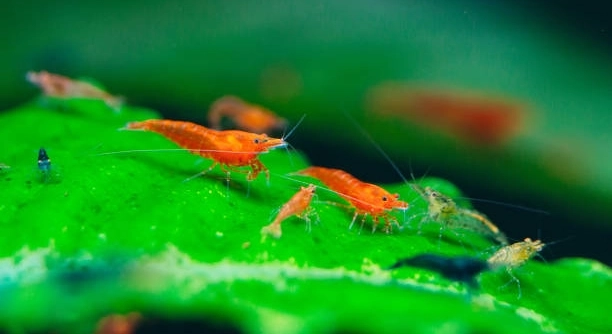
Are your shrimp tank inhabitants starting to feel cramped? Overcrowding is a common issue that can quietly affect their health and behavior. Many hobbyists don’t realize the impact of too many shrimp in a small tank.
Overcrowded shrimp tanks lead to poor water quality, increased stress, aggression, slower growth, and higher susceptibility to disease. Proper population management and habitat planning are essential to maintain a healthy and balanced aquatic environment for shrimp.
Managing shrimp populations carefully can prevent serious problems and keep your tank thriving. Paying attention to density ensures happier, healthier shrimp overall.
Poor Water Quality
When too many shrimp share a tank, waste can build up quickly, causing ammonia and nitrite levels to rise. Even with a filter, small tanks are especially vulnerable to rapid changes. High waste levels can lead to cloudy water, algae growth, and unpleasant odors. Shrimp are sensitive to water quality, and frequent spikes in harmful chemicals can stress them, reducing their immune response. Over time, unhealthy water can stunt growth, cause color loss, and increase mortality rates. Maintaining water parameters becomes difficult as the population grows, requiring constant testing and water changes. It is important to keep the tank balanced to ensure each shrimp remains healthy. Overcrowding magnifies every small problem, making what would be a minor water fluctuation into a serious hazard. Planning the number of shrimp per tank volume helps prevent these issues. Proper maintenance routines are easier to follow when the population is manageable, ensuring the tank stays clean and stable.
Even regular water changes can’t fully counteract overcrowding. The more shrimp, the faster the water degrades.
Smaller tanks are especially affected by poor water quality. High shrimp density increases ammonia and nitrites, which can damage gills and cause lethargy. Stress from dirty water often results in molting problems and higher susceptibility to disease. Adjusting population size and ensuring filtration support helps maintain clarity and chemical balance. Monitoring parameters consistently prevents sudden health crises and keeps shrimp vibrant and active. By preventing overcrowding, water remains stable, and shrimp can thrive naturally without constant intervention.
Stress and Aggression
Shrimp may become more aggressive when space is limited, leading to injuries and molting issues.
High population density increases competition for hiding spots and food. Dominant shrimp may harass weaker ones, causing stress and sometimes death. Stress can suppress the immune system, making shrimp more prone to infections and fungal growth. Even in peaceful species, constant encounters with other shrimp trigger fear responses and irregular behavior. Stress also reduces reproduction rates, limiting your tank’s natural population growth. Providing enough space and structure, like plants and rocks, allows shrimp to retreat when needed. Overcrowding leaves little room for escape, increasing conflict. Observing tank behavior is essential to identify stressed or injured shrimp early. By reducing numbers or enlarging the habitat, aggression can be minimized. Stress-free shrimp display normal coloration, activity levels, and successful molting patterns, which indicates a healthier environment. Proper density management ensures a balanced social dynamic and prevents unnecessary losses.
Managing shrimp density is crucial for peaceful cohabitation. Adequate space reduces conflict and allows all shrimp to thrive naturally.
Molting Problems
Overcrowded tanks can interfere with shrimp molting. Stress and limited hiding spots make it difficult for shrimp to shed their old exoskeleton safely, increasing the risk of injury or death during the process.
Shrimp need a secure environment to molt successfully. When too many shrimp are in a small tank, weaker individuals may be attacked or stressed while molting. Lack of proper hiding places forces shrimp into the open, making them vulnerable. Poor water quality from overcrowding also slows down the molting process and can lead to incomplete molts. Regular monitoring and providing sufficient space, plants, and shelters are crucial to reduce these risks. Observing molting patterns helps identify individuals struggling due to stress or overcrowding, allowing timely intervention.
Ensuring each shrimp has enough room and access to safe hiding spots supports healthy growth. Overcrowding directly impacts successful molting, overall health, and survival.
Disease and Infection Risk
High shrimp density makes disease spread more likely and harder to control. Contaminated water and stressed shrimp create ideal conditions for infections.
Overcrowded conditions increase physical contact between shrimp, which helps pathogens move quickly through the population. Fungal infections, bacterial diseases, and parasites are more common in densely packed tanks. Weak or stressed shrimp are less able to fight off infections, leading to higher mortality rates. Contaminated water accelerates disease progression, making treatments less effective and more stressful for the remaining shrimp. Preventing overcrowding is a critical step in disease management, alongside maintaining clean water and providing proper nutrition. Observing shrimp daily helps catch early signs of illness, preventing widespread problems.
Reducing population density allows treatments to work more effectively and prevents secondary infections. Maintaining cleanliness and space is key for long-term shrimp health.
Limited Food Access
Overcrowding can make it hard for all shrimp to get enough food. Dominant shrimp may consume most of the feed, leaving weaker ones undernourished.
Unequal feeding leads to slower growth, color loss, and weakened immune systems. Ensuring proper portions and even distribution is essential in densely populated tanks.
Stunted Growth
High population density restricts space and resources, slowing shrimp development. Constant stress and competition can prevent shrimp from reaching their full size potential, even with good nutrition.
Increased Waste Production
More shrimp produce more waste, which directly impacts water quality. Without proper filtration and maintenance, the tank environment deteriorates quickly, affecting shrimp health and clarity.
FAQ
How do I know if my shrimp tank is overcrowded?
Signs of overcrowding include excessive aggression, stress behaviors, slow growth, and cloudy water. If shrimp are frequently hiding or some are missing food, your tank may be overpopulated. Frequent water testing often reveals elevated ammonia or nitrite levels, which are clear indicators of too many shrimp. Observing behavior daily helps detect early problems.
What is the ideal shrimp density per gallon?
A safe guideline is usually 5 to 10 adult shrimp per gallon, depending on the tank setup, filtration, and plant coverage. Heavily planted tanks may allow slightly higher density, but caution is always needed. Overestimating capacity can quickly cause water quality and health issues. Keeping a smaller number ensures each shrimp has enough space and access to resources.
Can overcrowded tanks affect shrimp coloration?
Yes. Stress from overcrowding can dull shrimp colors. Shrimp under constant stress may lose their vibrant tones, appearing pale or faded. Maintaining proper density and good water quality helps shrimp display their natural coloration fully. Stress reduction, through space and hiding spots, directly improves appearance over time.
How often should I do water changes in a crowded tank?
Overcrowded tanks require more frequent water changes, often 25–50% weekly, depending on waste buildup and filtration. Smaller tanks are especially vulnerable. Regular water changes help maintain ammonia, nitrite, and nitrate at safe levels. Even with a strong filter, water replacement is necessary to prevent long-term issues caused by excess waste.
What are the best ways to prevent stress in shrimp?
Providing adequate space, hiding places, and even food distribution is essential. Plants, rocks, and other structures allow shrimp to retreat when stressed. Monitoring population density, maintaining water quality, and avoiding sudden changes in temperature or chemistry also reduce stress. Healthy shrimp are more active, colorful, and reproduce successfully.
Can overcrowding cause diseases to spread faster?
Absolutely. High population density increases contact between shrimp, which speeds the transmission of bacterial, fungal, and parasitic infections. Stressed shrimp are more susceptible to illness. Early detection, proper water maintenance, and reducing tank density are key to preventing widespread disease outbreaks.
How can I safely reduce shrimp numbers in my tank?
If your tank is overcrowded, transferring some shrimp to another tank is the safest method. Avoid sudden removal of too many at once to prevent stress. Ensure the new environment has similar water parameters to reduce shock. Select shrimp carefully, considering health and size to maintain balance in both tanks.
Does overcrowding affect molting?
Yes. Molting requires space and calm. Shrimp in overcrowded tanks may experience interrupted or incomplete molts, increasing mortality risk. Providing enough hiding spots and reducing stress ensures shrimp can molt safely. Observing molting frequency and behavior helps identify individuals struggling in dense conditions.
Are there ways to encourage growth in crowded conditions?
Shrimp growth is difficult in overcrowded tanks. Providing high-quality food, clean water, and additional hiding spots may help slightly, but true growth requires reducing population density. Even minor reductions in numbers allow shrimp to access resources evenly and grow at a healthier pace.
How do plants help in overcrowded tanks?
Plants create hiding spots, reduce aggression, and help maintain water quality by absorbing nitrates. Mosses, ferns, and other dense plants allow shrimp to retreat during molting or feeding. While plants improve conditions, they cannot fully compensate for too many shrimp in a small space. Proper stocking remains essential.
Can filtration fix overcrowding problems?
Filtration helps manage waste but cannot solve all issues caused by overcrowding. Filters improve water quality but do not reduce stress, aggression, or competition for food. Overcrowded shrimp may still experience health issues despite strong filtration. Proper tank management and population control are critical.
How do I monitor shrimp health in crowded tanks?
Observe activity levels, coloration, and molting patterns. Look for lethargy, fading colors, or irregular behavior. Test water regularly for ammonia, nitrites, and nitrates. Early detection of stress or illness is easier when you watch shrimp consistently and maintain detailed notes on population and tank conditions.
What is the long-term impact of overcrowding?
Chronic overcrowding leads to continuous stress, poor growth, increased disease risk, and shorter lifespans. Shrimp populations may decline, and water quality issues become harder to manage. Over time, the tank can become unstable, making long-term shrimp keeping unsustainable without intervention.
Are there signs of aggression I should watch for?
Shrimp may nip at each other, especially during feeding or molting. Constant chasing, hiding, or damaged exoskeletons indicate aggression. Stress from overcrowding is often the main factor. Increasing space, adding hiding spots, and monitoring population density reduces aggressive encounters.
How do I balance population and tank size?
Start with a conservative number of shrimp and adjust based on growth and reproduction rates. Observe water quality, behavior, and space availability. Adding structures can help but cannot replace proper stocking. Regular monitoring ensures a stable, healthy environment for all shrimp.
What is the best overall strategy to avoid overcrowding issues?
Maintain a balanced population, monitor water quality, provide hiding spots, and feed evenly. Reduce numbers if needed, and plan for future growth. Keeping shrimp density manageable prevents stress, disease, and stunted growth while supporting natural behaviors and vibrant colors.
Can I rehome excess shrimp safely?
Yes. Transfer shrimp slowly to tanks with matching water conditions. Acclimate them gradually to prevent shock. Provide adequate hiding spots in the new tank to reduce stress. Rehoming helps maintain healthy populations and prevents overcrowding problems from affecting the original tank.
How do I prevent molting complications?
Ensure shrimp have enough space and shelters for molting. Maintain clean, stable water and reduce stress. Observing molting frequency and intervening when shrimp appear stuck or vulnerable helps prevent injury or death. Consistent care improves survival rates during molting.
Is overfeeding a problem in crowded tanks?
Overfeeding in a crowded tank worsens water quality issues. Excess food breaks down, producing ammonia and nitrates. Feed small, controlled amounts and remove uneaten food promptly. This supports health and reduces the negative impact of high population density.
How often should I monitor water in dense tanks?
Check water parameters at least twice a week. Crowded tanks can experience rapid fluctuations in ammonia, nitrite, and nitrate. Frequent monitoring allows timely water changes and interventions, reducing stress and preventing health problems. Consistent observation ensures shrimp remain healthy despite higher population density.
Can I combine different shrimp species in crowded tanks?
Mixing species can increase aggression and stress. Different behaviors and space requirements may lead to fighting or hiding, exacerbating overcrowding problems. If combining species, provide extra space, hiding spots, and monitor interactions closely to prevent harm. Proper population planning is still essential.
What tank size is suitable for 20+ shrimp?
A tank of at least 10 gallons with strong filtration and dense planting is recommended. Smaller tanks cannot support large populations without frequent maintenance. Adequate space ensures shrimp have room to feed, molt safely, and reduce stress. Planning tank size for current and future population prevents problems.
How can I safely increase shrimp numbers over time?
Increase gradually, observing water quality, behavior, and molting success. Add a few shrimp at a time and provide extra hiding spots. Sudden large increases can stress the entire population. Gradual growth ensures shrimp remain healthy and water remains stable.
Do stress indicators differ between species?
Yes. Some species hide more, others become more aggressive. Watching behavior, coloration, and molting patterns for your specific species helps detect overcrowding and stress. Adjust population and environment accordingly to maintain health.
Can overcrowding affect reproduction?
Yes. Stressed shrimp may stop reproducing, or offspring survival decreases. Proper spacing, hiding spots, and food availability support breeding. Overcrowding can reduce hatching success and lead to weaker juveniles, affecting long-term population health.
How do I keep shrimp healthy in planted tanks?
Maintain moderate population density, provide hiding spots, and ensure plants are healthy. Plants improve water quality but do not replace proper stocking. Clean water, stable parameters, and careful feeding are still necessary to prevent stress, disease, and molting problems.
Is it ever okay to have a very high-density shrimp tank?
High-density tanks require expert care, constant monitoring, and exceptional filtration. Even then, stress and disease risk remain high. For most hobbyists, maintaining moderate density is safer and more sustainable for long-term shrimp health.
What are the signs of a tank recovering from overcrowding?
Shrimp become more active, feed evenly, and show brighter colors. Molting occurs without complications, aggression decreases, and water remains clear. Reduced stress leads to healthier shrimp and stable population growth, indicating a well-managed tank environment.
How do I prevent long-term overcrowding issues?
Plan tank capacity, monitor growth, rehome excess shrimp, and maintain water quality. Regular observation and interventions prevent stress, disease, and poor growth, ensuring a healthy, balanced population over time. Proper care and population management are essential for long-term success.
How important is regular observation?
Daily observation helps catch stress, illness, and aggression early. Early detection allows intervention before problems escalate. Watching behavior, molting, and feeding patterns ensures shrimp remain healthy and prevents long-term overcrowding issues from affecting the tank.
Can decorations help with overcrowding?
Yes, rocks, plants, and hiding spots reduce stress and aggression. They allow shrimp to retreat and feel secure. While helpful, decorations cannot fully replace proper stocking levels, and careful population management remains critical.
How does water temperature interact with overcrowding?
Higher temperatures increase metabolism, leading to more waste and faster resource depletion. In crowded tanks, this can worsen stress and water quality. Maintaining stable, appropriate temperatures reduces additional pressure on dense shrimp populations.
Is it better to start with fewer shrimp and grow the population?
Yes. Starting small allows you to monitor water quality, behavior, and growth. Gradual population increase prevents overcrowding, reduces stress, and supports healthier shrimp overall. Controlled growth is easier to manage than correcting overcrowding later.
What are common mistakes in crowded tanks?
Overfeeding, poor water changes, insufficient hiding spots, and overestimating tank capacity are common errors. These mistakes amplify stress, aggression, disease risk, and molting problems. Avoiding these pitfalls requires planning, observation, and gradual population management.
How long does it take for an overcrowded tank to stabilize?
With proper population reduction and maintenance, recovery may take weeks. Water quality must stabilize, stress levels decrease, and shrimp regain normal molting and feeding behavior. Patience and consistent care are essential.
Can I use chemical treatments in crowded tanks?
Treatments may help disease outbreaks but can stress shrimp further if density is high. Reducing population and improving water quality is safer and more effective for long-term health. Chemical use should be cautious and targeted.
How do I track shrimp health efficiently?
Keep a simple log of molting, feeding, coloration, and behavior. Regularly test water parameters and note any changes in aggression or lethargy. Tracking patterns helps identify issues early and supports better decision-making for population management.
Can overcrowding affect shrimp lifespan?
Yes. Chronic stress, disease, poor growth, and molting complications shorten lifespan. Maintaining appropriate density, clean water, and hiding spots supports longer, healthier lives for shrimp. Proper care directly influences longevity and quality of life.
What are key takeaways to avoid overcrowding?
Monitor water quality, provide hiding spots, control feeding, plan population growth, and reduce density when needed. Observation and consistent care prevent stress, disease, and health issues, ensuring a balanced and thriving shrimp tank.
How do I choose compatible species for shared tanks?
Select species with similar behavior, size, and habitat needs. Avoid combining aggressive or highly territorial shrimp with more passive ones. Proper compatibility reduces stress, aggression, and overcrowding issues.
How can I maintain water quality in growing tanks?
Use strong filtration, perform regular water changes, monitor parameters, and remove uneaten food. Maintaining balance prevents ammonia spikes and supports shrimp health, even as populations increase gradually.
What is the biggest risk of ignoring overcrowding?
Ignoring overcrowding leads to chronic stress, disease outbreaks, molting failures, poor growth, and higher mortality. Proactive management is essential to prevent irreversible problems and maintain a healthy tank environment.
Can I temporarily increase population for breeding?
Yes, but closely monitor water quality, feeding, and behavior. Limit the duration and ensure adequate space, hiding spots, and filtration. Temporary density increases require careful management to avoid long-term damage.
How do I acclimate new shrimp to prevent stress?
Introduce new shrimp slowly, matching water parameters closely. Gradually mix tank water with the new shrimp’s container over 30–60 minutes to reduce shock. Provide hiding spots immediately to allow them to adjust safely to the new environment.
What role does tank maintenance play in overcrowding?
Regular cleaning, substrate vacuuming, and filter maintenance reduce stress and disease risk. Even moderate populations can suffer if maintenance is neglected. Proper upkeep ensures a healthier environment and prevents overcrowding problems from worsening.
How do I know if my shrimp are reproducing successfully?
Healthy reproduction includes observing berried females, active juveniles, and even survival rates of offspring. Overcrowding or poor conditions often reduce hatching success and juvenile survival, signaling the need for population or environmental adjustments.
Can overcrowding affect shrimp behavior permanently?
Prolonged overcrowding may cause lasting stress behaviors, such as constant hiding, aggression, or irregular feeding. Reducing population and improving conditions can reverse some effects, but prevention is easier than correcting long-term behavioral changes.
How often should I check for uneaten food in dense tanks?
Daily checks prevent waste buildup. Removing uneaten food reduces ammonia and nitrate spikes, supporting water quality and shrimp health. Consistent feeding management is essential in overcrowded tanks.
Is lighting important in crowded tanks?
Proper lighting supports plant growth, which helps water quality and provides hiding spots. Excessive or inadequate lighting can stress shrimp and plants. Balanced lighting ensures a stable environment, reducing the negative effects of high density.
Can overcrowding cause cannibalism?
Yes, especially during molting or in stressed conditions. Shrimp may attack weaker or molting individuals if space is limited. Adequate hiding spots, population control, and stress reduction prevent cannibalistic behavior and injuries.
How do I prevent overcrowding in future tanks?
Plan population growth, start with fewer shrimp, monitor reproduction, and consider future tank expansion. Controlled introductions, proper filtration, and sufficient space keep populations manageable and reduce the risk of long-term overcrowding problems.
What is the safest way to feed in crowded tanks?
Distribute food evenly across multiple locations to ensure all shrimp can access it. Small, frequent feedings prevent dominant shrimp from taking most of the food and reduce waste buildup. Consistent feeding supports growth and health for all individuals.
How do I handle tank emergencies in overcrowded conditions?
Act quickly to reduce stressors: perform partial water changes, isolate sick shrimp, and monitor parameters. Maintaining calm and stable conditions prevents cascading problems. Prompt action is crucial to protect health in dense populations.
Are juvenile shrimp more affected by overcrowding than adults?
Yes, juveniles are more vulnerable to stress, aggression, and poor access to food. Overcrowding slows growth and increases mortality in young shrimp. Providing sufficient hiding spots and reducing density is critical for juvenile survival.
How do I balance filtration and population?
Ensure filters are rated for the tank size and population load. Even strong filtration cannot compensate for extreme overcrowding. Proper balance maintains water clarity, chemical stability, and overall health. Regular checks and adjustments support a thriving shrimp environment.
Can I keep snails or other tank mates with shrimp in crowded tanks?
Yes, but monitor interactions carefully. Snails can help clean waste, but overcrowding may still cause stress. Avoid adding additional tank mates if space is already limited. Population management remains the primary factor in maintaining a healthy tank.
Does overcrowding affect shrimp feeding behavior?
Yes. Aggressive feeding patterns emerge, and weaker shrimp may eat less. Uneven nutrition impacts growth, coloration, and immune health. Even food distribution and adequate space prevent competition-related feeding issues.
What long-term maintenance strategies help prevent overcrowding?
Track population growth, regularly rehome excess shrimp, maintain water quality, and provide hiding spots. Monitoring behavior, molting, and reproduction ensures early intervention. Planning ahead prevents chronic stress, disease, and growth problems while keeping shrimp healthy.
How can I gradually reduce overcrowding without stressing shrimp?
Remove a few shrimp at a time, transfer to a prepared tank, and provide hiding spots. Maintain water parameters consistently to minimize shock. Gradual reduction prevents stress and maintains population balance while improving overall tank health.
Are certain shrimp species more tolerant of higher densities?
Some species tolerate moderate density better, but all shrimp benefit from proper spacing. Even hardy species experience stress, aggression, and slower growth in extreme overcrowding. Adjust population based on species behavior and tank conditions.
How do I maintain stability during population growth?
Increase numbers slowly, monitor water quality, and add plants or structures as needed. Ensure feeding is adequate and evenly distributed. Stability prevents stress, disease, and aggression while supporting molting and reproduction.
Can overcrowding lead to long-term tank imbalance?
Yes. Continuous overpopulation strains filtration, water chemistry, and plant growth. Stress, disease, and mortality can create cascading issues. Proactive management ensures balance, allowing shrimp and plants to thrive in a sustainable environment.
How do I prioritize interventions in an overcrowded tank?
Focus on population reduction, water quality, hiding spots, and even feeding. Addressing these factors first reduces stress, aggression, and disease risk, creating a healthier tank environment more quickly than treating minor issues alone.
What is the best way to plan for future population growth?
Estimate reproduction rates, tank capacity, and filtration ability. Start small and gradually add shrimp while monitoring conditions. Planning prevents overcrowding, stress, and health problems, ensuring a stable, thriving tank environment for the long term.
How do I know if my overcrowding interventions are working?
Shrimp become more active, coloration improves, molting proceeds normally, and aggression decreases. Water remains clear and stable. Observing consistent positive changes indicates that population management and environmental adjustments are effective.
Can overcrowding impact breeding success long-term?
Yes. Continuous stress and poor conditions reduce fertility, offspring survival, and overall population stability. Managing density, hiding spots, and water quality supports sustainable breeding and healthier future generations.
How often should I reassess shrimp density?
Check population size, growth, and reproduction monthly or after significant events. Reassessing allows timely adjustments to prevent overcrowding, ensuring consistent health and minimizing stress in the tank.
Are there signs of subtle overcrowding?
Yes. Minor aggression, slight stress, slower growth, or pale coloration can indicate early overcrowding. Detecting these
Overcrowding in shrimp tanks can quietly cause a range of issues that affect both water quality and shrimp health. Even if the tank looks lively and active, having too many shrimp in a small space puts constant pressure on the environment. Waste accumulates faster, making it harder to maintain safe levels of ammonia, nitrites, and nitrates. Over time, poor water conditions can lead to stress, disease, and even death. Stress also makes shrimp more aggressive, reduces their ability to molt successfully, and slows growth. While filters and regular water changes help, they cannot fully compensate for too many shrimp in a tank. Proper planning and population management are essential to maintain a stable and healthy habitat for shrimp. By keeping the number of shrimp balanced with the tank size, you ensure that each individual has enough space, access to food, and opportunities to hide when molting or resting.
Providing adequate hiding spots and structures is an important part of managing overcrowding. Plants, mosses, and rocks allow shrimp to retreat from aggressive tank mates and feel secure during vulnerable periods such as molting. When space is limited, dominant shrimp may push others away from food, forcing weaker individuals to go hungry. This unequal access to resources can weaken shrimp over time, making them more prone to disease and color loss. Observing behavior regularly helps detect signs of stress or aggression early. If shrimp are hiding constantly, losing color, or failing to molt properly, it is often a sign that the tank is overpopulated. Adjustments such as reducing the number of shrimp, rearranging hiding spots, or expanding the tank can make a significant difference in overall health and activity levels. Attention to these details ensures that shrimp maintain normal behavior, grow steadily, and display vibrant coloration.
Long-term care for shrimp requires consistent monitoring and proactive management. Overcrowding is not only a short-term issue but can have lasting effects if left unaddressed. Planning for future growth, keeping water clean, and ensuring each shrimp has enough space helps prevent many common problems. Population management, combined with careful feeding and regular observation, supports healthy molting, reproduction, and natural behaviors. When the tank is balanced, shrimp are less stressed, disease risks decrease, and the overall environment remains stable. By taking these steps, shrimp tanks can thrive without the challenges that come with overcrowding. Proper care ensures that shrimp live longer, grow well, and remain active and vibrant, making the tank a healthier and more enjoyable space overall.

Hello,
If you enjoy the content that we create, please consider saying a "Thank You!" by leaving a tip.
Every little bit helps us continue crafting quality advice that supports the health, happiness, and well-being of pets around the world, for pets of all shapes, sizes, and species.
We really appreciate the kindness and support that you show us!