
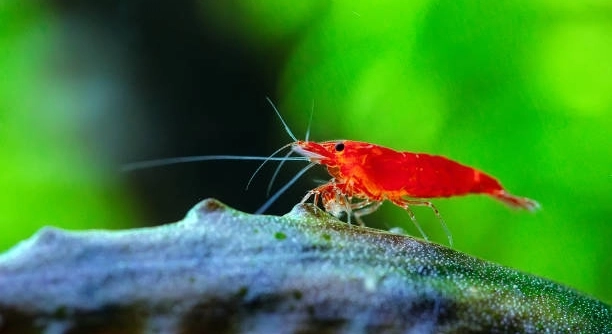
Shrimp are fascinating creatures that show subtle behaviors before breeding. Observing these tiny signals can help aquarists maintain a healthy and thriving aquarium while supporting the natural reproduction of their shrimp.
Shrimp display specific signs indicating readiness to breed, including changes in color, behavior, and physical appearance. Recognizing these indicators allows aquarists to provide optimal conditions for successful mating and ensures the continued health of the shrimp population.
Noticing these small changes can make a big difference for shrimp enthusiasts looking to maintain a flourishing tank. Paying attention leads to healthier, more active shrimp.
Changes in Color
Shrimp often show a noticeable shift in color when they are ready to breed. Females may develop a deeper or more vibrant hue, signaling their reproductive readiness. Males can also show subtle intensifications of color, particularly along their backs and tails. These changes are usually gradual but consistent, and they can vary slightly between species. Paying attention to these color variations can help predict mating periods. Environmental factors like lighting, diet, and water quality can influence the intensity of these colors. Ensuring your shrimp have optimal living conditions will make these natural signals more visible. Observing the tank regularly is essential, as missing these subtle signs may mean missing the breeding window. Experienced aquarists often note that even minor shifts in shade or brightness are important indicators. Watching these changes over several days allows you to see patterns rather than one-off fluctuations. Recognizing color changes early can make tank management easier.
Consistent observation of color changes provides a reliable method to anticipate breeding, allowing for timely preparation of the tank environment and monitoring of shrimp health.
Monitoring color shifts over time can be rewarding. It helps identify breeding readiness while improving your overall tank care and observation skills.
Behavioral Shifts
Shrimp exhibit subtle behavioral changes before breeding, which can be observed in their activity patterns and interactions.
Mature females may move less and appear more secretive, seeking sheltered spots in the tank, while males often become more active and display chasing behavior. These actions indicate the shrimp’s natural reproductive cycles and readiness. Observing feeding patterns can also give clues, as some shrimp reduce activity when nearing breeding. Tank setup plays a role in how visible these behaviors are. A tank with plenty of hiding spaces allows females to feel secure, while males’ increased activity may be more noticeable in open areas. Social dynamics in the tank can amplify these signs; overcrowding can suppress natural behaviors. Temperature and water chemistry influence the timing of these behavioral shifts, so maintaining stable conditions is key. Paying attention to these patterns over a week or two can help aquarists anticipate mating events. Recognizing and understanding these behaviors allows for a healthier and more productive breeding environment.
Physical Indicators
Females may develop a visible saddle on their back, which is a cluster of developing eggs. Males might show thicker claws or slightly larger bodies, reflecting readiness to mate. Observing these traits helps in identifying shrimp prepared for reproduction.
The saddle is often yellow or greenish and located behind the female’s head. It contains eggs that are not yet fertilized but indicate that the female is ready. Males may grow slightly larger or exhibit more pronounced features to compete for mates. Monitoring these signs is important for providing proper tank conditions, including temperature, hiding spots, and stable water parameters. Changes are gradual, so frequent observation over days or weeks is necessary to accurately track reproductive readiness.
Along with the saddle, females may hold their eggs under their abdomen after fertilization. This process, called berried, shows the eggs attached to pleopods, requiring a calm and secure environment. Males continue active chasing to ensure successful mating. Proper nutrition and water quality are crucial during this stage to support both adults and developing eggs. Observing these physical indicators closely allows you to manage the tank in a way that promotes healthy reproduction.
Molting Patterns
Shrimp often molt before breeding, shedding their old exoskeleton to grow. This molting is more frequent when reproductive readiness is near, particularly in females carrying eggs.
Molting is critical because females can only mate shortly after shedding, when their new exoskeleton is soft. Observing frequent or patterned molts can indicate that the shrimp are approaching this mating-ready phase. Providing calcium-rich food and stable water conditions helps support healthy molting. Tanks with plenty of hiding places reduce stress during vulnerable molting periods, increasing the likelihood of successful mating.
During this time, females may retreat into shelters to molt safely. Males may become more active around molting females, sensing their temporary vulnerability for mating. Tracking these patterns allows precise timing to ensure the environment supports reproduction. Stable water temperature and quality, along with minimal disturbance, are key to healthy molts and successful mating cycles. Recognizing molting as a reproductive cue gives a clearer picture of breeding readiness in the tank.
Tail Fanning
Tail fanning is a behavior often seen in males as they prepare to breed. It helps circulate water and release pheromones, signaling readiness to nearby females.
Females may respond by slightly lifting their abdomens or moving toward males. Observing these interactions provides insight into mating readiness without disturbing the tank environment.
Antennae Movements
Shrimp use their antennae to communicate and sense their surroundings. Rapid or frequent antennae movements often indicate heightened awareness and mating interest. This behavior is particularly noticeable in males actively searching for receptive females.
Egg Spot Visibility
Some female shrimp develop a faint egg spot before reproduction. This small, darker area under the exoskeleton hints at imminent egg development and readiness for mating. Recognizing this subtle change can help in timing tank adjustments and care.
Hiding Behavior
Females often seek more secluded spots in the tank as they approach breeding. This behavior helps them feel safe during vulnerable reproductive stages. Observing increased hiding can indicate that females are close to carrying eggs.
FAQ
How can I tell when my shrimp are ready to breed?
Observing a combination of physical, behavioral, and environmental cues gives the clearest indication. Females often develop a saddle behind their heads, which contains developing eggs. Males may display more vibrant colors, thicker claws, or increased activity around females. Frequent molting in females is also a reliable sign, as they can only mate shortly after shedding their old exoskeleton. Tail fanning and rapid antennae movements are additional behaviors signaling reproductive readiness. Keeping the tank stable, providing hiding spots, and offering nutritious food will make these cues easier to observe. Tracking changes over time allows you to anticipate breeding windows and support healthy reproduction.
What is a saddle, and why is it important?
A saddle is a cluster of developing eggs located behind a female shrimp’s head. It becomes visible through the exoskeleton and indicates that the female is ready to breed. The color may vary from yellow to green depending on the species. Observing the saddle allows aquarists to prepare the tank with proper conditions, including shelter and stable water parameters. After fertilization, the female carries the eggs under her abdomen, called berried. Proper nutrition and minimal stress during this stage are essential for egg survival. The saddle is one of the most reliable physical indicators of breeding readiness.
How often do shrimp molt before breeding?
Molting frequency increases as females approach reproduction. They shed their exoskeleton to grow, and mating can only occur shortly after this process when the new exoskeleton is still soft. Molting is influenced by water quality, temperature, and diet. Providing a calcium-rich diet and maintaining stable tank conditions support healthy molts. Females usually hide during molting to reduce stress, while males become more active around these hiding spots. Observing molting patterns over several weeks helps determine the best times for breeding. Molting not only allows growth but is a critical step for reproductive readiness.
Why are hiding spots important for breeding shrimp?
Females often seek secluded areas before and after mating. Hiding spots reduce stress and give them a safe place during molting or while carrying eggs. Plants, rocks, or decorations create secure spaces that allow natural behavior. Males continue to roam actively, so the tank should balance open areas and shelter. Lack of hiding places can delay or prevent successful mating, as females may feel exposed and stressed. Observing how females use these areas can help determine their readiness to breed and improve overall tank health.
Can tail fanning and antennae movements indicate mating readiness?
Yes, these behaviors are subtle but important signals. Males often fan their tails to circulate water and release pheromones, attracting females. Rapid antennae movements indicate alertness and searching behavior. Females may respond by adjusting their position or abdomen. Observing these behaviors in combination with color changes and saddles gives a fuller picture of reproductive readiness.
How long after noticing these signs will breeding occur?
Once females show a saddle, begin hiding, and molt successfully, breeding typically occurs within a few days. Environmental conditions like stable temperature, clean water, and adequate food impact timing. Tracking these signs consistently allows you to anticipate mating and ensure conditions support both adults and developing eggs.
How can I support shrimp during the breeding process?
Maintaining clean water, consistent temperature, and a balanced diet is crucial. Provide plenty of hiding spots for females, especially during molting or when carrying eggs. Avoid disturbing the tank unnecessarily, as stress can delay or prevent breeding. Observing physical and behavioral cues ensures timely care and improves reproductive success.
What should I do after the female is berried?
Monitor water quality and maintain a calm environment. Avoid aggressive tank mates or sudden changes. The eggs will develop under the female’s abdomen for several weeks. During this time, ensure proper nutrition for the female, as she needs energy to carry and care for the eggs. Observing from a distance helps prevent stress and increases the chances of healthy hatching.
How do I know the eggs are healthy?
Healthy eggs are attached firmly under the female’s abdomen and have a uniform color, usually golden or greenish. Any darkening, fungus, or detachment may indicate problems. Maintaining stable water parameters, providing a nutritious diet, and avoiding disturbances are essential to protect egg health until hatching occurs.
Observing shrimp breeding behavior can feel rewarding, but it requires attention and patience. The subtle signs, from color changes to antennae movements, give important clues about reproductive readiness. Paying close attention to these behaviors over time helps you understand the rhythms of your tank and the shrimp themselves. Small details, like the appearance of a saddle on a female or the increased activity of males, are meaningful indicators that should not be overlooked. Noticing these cues allows you to prepare the tank in advance, ensuring that conditions are optimal for breeding. Proper preparation includes maintaining stable water parameters, providing hiding spaces, and supplying nutritious food. Each of these elements contributes to healthier shrimp and a more successful breeding process. Even small improvements, like adding extra plants or rocks for shelter, can reduce stress for females and create a safer environment during molting and egg-carrying stages. Observing shrimp closely can also help identify potential problems early, such as illness or poor water quality, which could affect reproduction.
Breeding shrimp successfully involves more than just noticing when they are ready. It also requires understanding their needs during critical stages. Molting, for instance, is a vulnerable time when females need protection and stable conditions. During this period, females are more susceptible to stress, which can delay breeding or harm eggs. Likewise, maintaining water quality, including consistent temperature and proper filtration, is essential for reproductive health. Nutrition also plays a significant role. Feeding shrimp a balanced diet supports both adults and developing eggs, increasing survival rates. Even male behavior, like tail fanning and chasing, is part of the natural reproductive process and should be observed without interference. These combined factors create an environment that encourages healthy mating and egg development. Paying attention to each stage, from early signs to post-mating care, ensures that shrimp can breed successfully and thrive in the tank.
Understanding shrimp behavior and reproductive patterns not only improves breeding outcomes but also enhances overall tank management. When you observe and respond to their subtle signals, the shrimp are healthier, more active, and better adapted to their environment. Recognizing physical indicators, behavioral changes, and environmental needs makes it easier to support natural processes. This careful attention also creates a more stable and balanced aquarium, reducing stress for all inhabitants. Over time, these observations build a clearer understanding of shrimp life cycles, making breeding less unpredictable. It becomes possible to anticipate key events, such as molting, mating, and egg carrying, and adjust care practices accordingly. By combining observation, preparation, and maintenance, you can create a thriving environment where shrimp breed successfully and remain healthy. The effort spent understanding these tiny creatures pays off in a more vibrant and balanced tank, with shrimp that exhibit natural behaviors and maintain strong populations over time.

Hello,
If you enjoy the content that we create, please consider saying a "Thank You!" by leaving a tip.
Every little bit helps us continue crafting quality advice that supports the health, happiness, and well-being of pets around the world, for pets of all shapes, sizes, and species.
We really appreciate the kindness and support that you show us!