
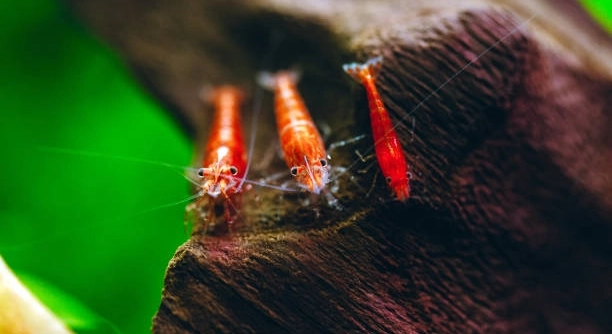
Have you ever noticed how your cherry shrimp react quickly whenever something moves near their tank? These tiny creatures seem sensitive to even the smallest ripples in the water. Observing them can be surprisingly engaging.
Cherry shrimp are capable of sensing vibrations in water through specialized sensory hairs called setae. These hairs detect changes in water movement, allowing the shrimp to respond to potential threats, locate food, and navigate their environment effectively.
Understanding how these vibrations affect their behavior can improve tank setup and shrimp care, helping them feel safer and more comfortable in their aquatic environment.
How Cherry Shrimp Detect Vibrations
Cherry shrimp have tiny hairs called setae on their bodies that pick up water vibrations. When something moves near them, these hairs send signals to their nervous system. I have watched them react to small changes in their tank, darting away or turning toward movement. Their sensitivity is surprising for such small creatures. These vibrations help them find food, avoid predators, and communicate with other shrimp. In my experience, even a slight tap on the tank can make them move quickly. The way they use vibrations is essential to their survival, giving them a sense of the environment beyond just what they can see. It’s fascinating to observe their quick responses and understand how important these signals are. Their reactions are not random; they are guided by a combination of instinct and their finely tuned sensory system. Knowing this makes feeding and maintaining a tank much easier and more enjoyable.
Cherry shrimp rely heavily on vibration detection, which plays a key role in their daily behavior and interactions.
Being aware of how sensitive cherry shrimp are to water vibrations helps improve tank conditions. By minimizing sudden disturbances and monitoring water movement, you create a calmer environment that encourages natural behaviors. This sensitivity also explains why they may hide when new items are introduced, helping caretakers better predict shrimp responses.
Practical Tips to Reduce Stress
Cherry shrimp feel stress from strong vibrations in the tank.
Keeping the tank in a quiet area reduces unnecessary movement that can disturb them. Gentle water flow, careful feeding, and minimal tapping help maintain calm conditions. I’ve noticed my shrimp thrive more when the tank environment is stable. Over time, they explore more and display normal behaviors instead of hiding constantly. Using soft decorations and smooth surfaces also reduces the intensity of vibrations they sense. Even small changes, like rearranging plants slowly, can make a difference. Providing hiding spots near the tank’s bottom gives them a sense of security while allowing natural movement. Observing their reactions regularly helps adjust conditions to their comfort level. This attention to vibration sensitivity ensures shrimp stay healthy, active, and stress-free. It also allows caretakers to better understand their needs and maintain a balanced aquatic habitat that supports growth and social interactions.
How Vibrations Influence Feeding
Cherry shrimp often react to vibrations when searching for food. Small movements in the water can signal potential meals. I’ve noticed they gather near areas with gentle currents, exploring carefully to locate edible particles without exposing themselves to danger.
Vibrations play a crucial role in feeding behavior. When food is added to the tank, cherry shrimp detect subtle ripples and adjust their movement accordingly. They tend to approach from directions where the vibration feels safe, avoiding strong or sudden disturbances. In my experience, shrimp feeding is more active in calmer tanks, where they can sense the slightest motion. Even minor water currents influence how they navigate and gather food. This sensitivity helps them find food efficiently while staying aware of potential threats nearby.
Feeding time also reveals their social interactions. Shrimp communicate indirectly through vibrations, and observing how they share food shows patterns of dominance and cooperation. The way they respond to water movement allows me to predict which shrimp will reach the food first and how they interact while eating. Understanding these behaviors improves how I feed them, ensuring all shrimp get enough to eat without stressing the more timid individuals. Proper placement of food and slow, gentle additions reduce competition and encourage natural behaviors.
Vibrations and Tank Behavior
Strong vibrations often cause cherry shrimp to hide or freeze. These reactions are consistent and easy to observe.
Cherry shrimp use vibrations to navigate their tank safely. Sudden or strong movements can make them retreat into plants or decorations for protection. I’ve noticed that even small disturbances, like tapping the glass or adjusting decorations, trigger quick, cautious responses. Vibrations from filters or pumps also affect their movement patterns. Observing their reactions over time shows how sensitive they are to changes in water flow. They learn to identify safe areas and adjust their swimming accordingly, balancing exploration and caution. By monitoring vibration sources, I can create an environment that encourages natural activity.
The way shrimp respond to vibrations also impacts tank cleaning and maintenance. Gentle handling of water changes and equipment prevents unnecessary stress. I avoid creating strong ripples during feeding or adjusting the filter settings slowly. Over time, shrimp become familiar with consistent patterns, showing calmer and more predictable behaviors. Understanding how vibrations shape movement helps me plan tank layout and decoration placement, allowing them to explore safely. Providing a mix of open spaces and hiding spots ensures they can react naturally while feeling secure. This approach improves overall health, encourages breeding, and makes observing their behavior far more rewarding.
Vibrations and Social Interaction
Cherry shrimp communicate subtly through vibrations. Movements in the water can signal presence, alert others, or indicate feeding spots. I’ve observed groups reacting almost instantly when one shrimp moves near food or hides from perceived danger.
These vibration signals help maintain social balance. Shrimp can sense each other’s location and adjust behavior to avoid conflicts. In my tank, this results in coordinated movement, with some shrimp leading and others following cautiously. Vibrations also influence mating behavior, as gentle water movements indicate readiness or interest. Understanding these signals makes it easier to manage tank dynamics and ensures all shrimp interact naturally without stress.
Vibrations and Mating
Vibrations play a key role during mating. Female shrimp often signal readiness through subtle water movements, which males detect and respond to quickly.
Tank Design for Vibration Control
Using plants, soft substrate, and strategic decorations can help absorb strong vibrations. These adjustments reduce stress and encourage natural behavior.
FAQ
How do cherry shrimp sense vibrations in water?
Cherry shrimp have tiny sensory hairs called setae on their bodies that detect movement in the water. These hairs send signals to their nervous system, allowing them to react to nearby changes. I’ve noticed even small ripples from my hand tapping the tank make them move quickly.
Can vibrations stress cherry shrimp?
Yes, strong or sudden vibrations can stress them. In my experience, frequent tapping or rough water movement makes them hide for longer periods. Gentle water flow and minimizing disturbances help them stay calm and active.
Do vibrations affect feeding behavior?
Absolutely. Cherry shrimp detect vibrations to locate food safely. When I sprinkle food gently, they approach carefully. Sudden strong movement can scare them away, reducing feeding efficiency. Calm conditions make feeding more successful and encourage natural behaviors.
Do all cherry shrimp react the same way to vibrations?
Not exactly. Some are bolder and explore more, while timid shrimp retreat quickly. I have noticed that shrimp in calmer tanks tend to become more confident over time, responding less to minor ripples.
Can vibrations influence breeding?
Yes. During mating, females may signal readiness through subtle water movements. Males detect these vibrations and respond accordingly. I’ve observed that gentle vibrations in a well-planted tank make courtship behaviors more noticeable and consistent.
Do tank filters and pumps affect shrimp behavior?
They can. Strong currents or vibrations from filters may stress shrimp. I reduce flow when possible and use sponge filters or gentle pumps, which maintain water quality without disturbing their natural movements.
How can I reduce vibration stress in the tank?
Soft decorations, plants, and substrate absorb strong movements. I always move objects slowly, avoid tapping the glass, and place the tank in a quiet area. These small adjustments help shrimp feel safe and encourage normal activity.
Do vibrations help shrimp communicate?
Yes. Vibrations allow shrimp to sense each other’s presence and activity. I’ve noticed they adjust swimming and feeding based on the movements of nearby shrimp. This helps maintain social balance and reduces conflicts in the tank.
Are baby shrimp sensitive to vibrations?
Baby shrimp are even more sensitive than adults. I have seen them freeze or hide quickly at the slightest ripple. Providing plenty of hiding spots and gentle water flow helps them grow without excessive stress.
Can I use vibrations to train shrimp behavior?
Indirectly. Consistent gentle vibrations can guide shrimp toward certain areas, like feeding spots. I’ve used slow, repeated water movements to encourage them to explore specific zones, but abrupt or strong vibrations always cause stress.
Does water temperature affect vibration sensitivity?
Yes. In warmer water, shrimp tend to be more active and respond faster to vibrations. Cooler temperatures slow their movement and reduce sensitivity. I monitor tank temperature carefully to maintain consistent activity levels.
Do different tank sizes impact how vibrations affect shrimp?
Definitely. Smaller tanks transmit vibrations more easily, so shrimp may react to even minor disturbances. In larger tanks, vibrations dissipate faster, and shrimp can move away from strong currents. I’ve adjusted feeding and cleaning routines based on tank size to reduce stress.
Can other fish in the tank create problematic vibrations?
Yes. Active or large fish create ripples that can stress shrimp. I keep more peaceful species with cherry shrimp to minimize disturbances. Observing interactions helps me ensure the shrimp can feed and explore without constant stress.
Is it normal for shrimp to hide after vibrations?
Yes, it is a natural response. After tapping the tank or rearranging decorations, I often see them retreat. They usually return once the water settles, indicating they are using vibrations to assess safety.
How do I know if shrimp are stressed from vibrations?
Signs include prolonged hiding, reduced feeding, or frantic swimming. In my tank, I watch their movement patterns carefully. Adjusting water flow, substrate, and decorations usually helps them regain normal behavior within hours or days.
Cherry shrimp are small but surprisingly aware of their surroundings. Their ability to sense vibrations in water is one of their most important survival tools. These tiny creatures rely on specialized hairs called setae to detect even the slightest ripples. This sensitivity allows them to find food, avoid danger, and communicate with other shrimp. Watching them respond to changes in water movement can be fascinating. Over time, I’ve noticed that the shrimp in my tank react quickly to even gentle disturbances, showing how finely tuned their senses are. Understanding this aspect of their behavior makes caring for them much easier. It also helps explain why they sometimes act shy or hide when new objects are introduced or when there is sudden activity near the tank. Creating a calm environment allows them to display natural behaviors and thrive in their space.
Vibrations affect many parts of a cherry shrimp’s life, including feeding and social interactions. When food is introduced, they respond to small water movements to locate it safely. Strong or sudden vibrations, however, can make them retreat or freeze. Observing these reactions has helped me adjust my tank setup, water flow, and feeding habits to reduce stress. Providing hiding spots, gentle water currents, and careful placement of decorations helps create a more comfortable environment. I’ve seen shy shrimp become more confident once the tank remains stable and free from unnecessary disturbances. Even tiny changes, like tapping the glass or rearranging plants too quickly, can trigger strong reactions. Knowing how sensitive they are to vibrations allows me to plan cleaning, maintenance, and daily care routines that keep the shrimp calm and active.
Understanding vibrations also improves overall tank management. Filters, pumps, and other equipment can create consistent movement that affects shrimp behavior. By observing how they respond, I can adjust flow rates and positions to maintain a balanced environment. Vibrations also play a role in breeding, as they help shrimp communicate subtle signals during courtship. Baby shrimp are especially sensitive, so gentle water movement and plenty of hiding areas are essential for their growth. Over time, I’ve learned that reducing sudden disturbances and monitoring water movement makes the tank a healthier and more predictable space for the shrimp. Paying attention to vibrations not only helps prevent stress but also encourages natural behaviors, making it easier to care for these delicate creatures. By understanding how cherry shrimp sense and react to their environment, it is possible to create a tank where they feel secure, active, and happy, which ultimately makes observing them much more rewarding.

Hello,
If you enjoy the content that we create, please consider saying a "Thank You!" by leaving a tip.
Every little bit helps us continue crafting quality advice that supports the health, happiness, and well-being of pets around the world, for pets of all shapes, sizes, and species.
We really appreciate the kindness and support that you show us!