
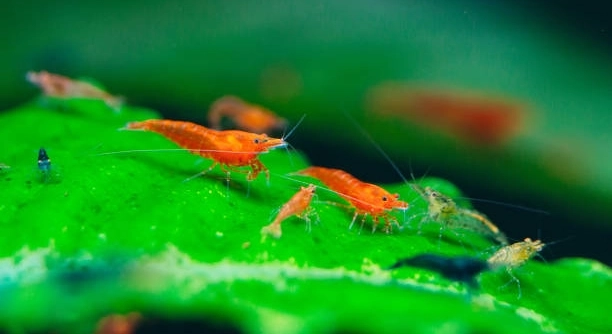
Are your cherry shrimp thriving in a community tank, or do they seem stressed and reclusive? Many aquarists enjoy watching these small, colorful creatures, but their well-being can vary depending on tank conditions and companions.
Cherry shrimp generally benefit from a species-specific tank due to reduced stress and competition. In such an environment, they can forage freely, maintain natural behaviors, and experience lower mortality rates compared to mixed-species setups with aggressive or larger fish.
Understanding these differences can improve shrimp health, behavior, and longevity, helping you create a more balanced and supportive environment for your aquatic pets.
Benefits of a Species Tank
A species tank allows cherry shrimp to thrive without interference from larger or aggressive fish. In a dedicated environment, they can explore freely, hide when needed, and maintain their natural behaviors. Stress levels decrease significantly, reducing disease risk and mortality. Plants, moss, and other decorations provide shelter and surfaces for biofilm growth, which is a crucial part of their diet. Feeding becomes more efficient, as food is less likely to be consumed by faster, larger fish. Additionally, reproduction is more successful in a species tank because adults are not disturbed, and juveniles have space to grow safely. Observing their behaviors is easier, allowing you to notice changes in health, molting, and activity. Water parameters can also be optimized for shrimp specifically, maintaining stable temperature, pH, and hardness. Overall, a species tank creates a safe, controlled environment that supports both their physical health and natural instincts.
The reduced stress and controlled environment make shrimp more active and colorful. They exhibit natural behaviors more consistently.
Keeping cherry shrimp in a species tank also allows for easier population management. You can separate adults from juveniles if necessary, monitor molting more closely, and prevent overcrowding. Water quality is easier to maintain because the bioload is lower than in a community tank, reducing ammonia and nitrite spikes. Care routines such as feeding, cleaning, and water changes become more predictable and effective. Plants and hiding spaces can be tailored specifically to shrimp needs, creating a habitat that mimics their natural environment. Observation is also simpler, helping you catch early signs of illness or stress. For breeding purposes, a species tank ensures higher survival rates of offspring and prevents predation. This controlled setting promotes longer lifespans, healthier shrimp, and more predictable growth patterns. It also fosters a visually appealing display, as shrimp are easier to see and photograph without constant competition from other fish.
Challenges in a Community Tank
Cherry shrimp often struggle in community tanks with larger fish. Predation risk increases significantly, and stress can lead to lower immunity and higher mortality.
Maintaining shrimp in a community tank requires careful species selection and tank layout. Even with peaceful fish, competition for food can prevent shrimp from getting enough nutrition. Hiding spots such as moss, caves, and plants are essential, but they may not fully protect smaller or juvenile shrimp. Aggressive or fast-moving fish can stress shrimp, causing them to hide constantly and reduce feeding. Additionally, tracking health and molting can be difficult in a busy tank. Water parameters suitable for both shrimp and other species can be tricky to balance, as shrimp often need softer, slightly acidic water. Even minor fluctuations can affect growth and reproduction. Feeding may need to be more frequent or specialized to ensure shrimp access to adequate nutrition. Despite these efforts, overall survival rates and activity levels are often lower than in a species-specific tank. Careful planning, observation, and tank design are necessary to keep shrimp safe and healthy in mixed-species setups.
Setting Up a Species Tank
A species tank should have plenty of hiding places, live plants, and moss. Stable water conditions and gentle filtration are essential. Low lighting helps shrimp feel secure and encourages natural behavior, while a soft substrate supports molting and foraging.
Choosing the right tank size and decorations is crucial. A small tank can work for a few shrimp, but a larger tank provides more space to reduce stress and support population growth. Live plants such as java moss, anubias, and floating plants offer surfaces for biofilm, a key food source. Hiding spots like caves, driftwood, or dense plant clusters give shrimp refuge during molting or stress. Filtration should be gentle to avoid sucking up juveniles, and water parameters need to remain stable. Regular monitoring of ammonia, nitrite, and nitrate levels ensures a healthy environment. A stable temperature and slightly acidic to neutral pH are ideal.
Feeding should be consistent but moderate. Shrimp can graze on biofilm and algae, supplemented with specialized shrimp pellets or blanched vegetables. Avoid overfeeding, as excess food can degrade water quality. Observation is key to notice molting, breeding, or any unusual behavior. Combining plants, hiding spots, and proper feeding creates a low-stress environment, allowing shrimp to flourish naturally and maintain vibrant coloration. Regular water changes and maintenance keep conditions stable for long-term health.
Choosing Tankmates
Peaceful invertebrates like snails or small shrimp species are ideal companions. Aggressive or large fish are unsuitable, as they may harm or stress shrimp.
When considering tankmates, compatibility and behavior are the main priorities. Fish that are small, slow-moving, and non-predatory can coexist without threatening shrimp. Snails such as nerites or mystery snails share the tank without disturbing shrimp and help with algae control. Avoid cichlids, goldfish, or other fast fish that may hunt shrimp. Monitoring interactions is important, as even peaceful species can occasionally harass shrimp during feeding or territorial disputes. Tankmates should not significantly alter water parameters that shrimp need to thrive, such as pH, hardness, or temperature.
Introducing new tankmates should be gradual and monitored. Quarantining new additions helps prevent disease and allows observation of behavior before full integration. Proper spacing and additional hiding places reduce stress and minimize conflict. Even compatible species need areas to retreat to avoid constant interaction. Maintaining a calm environment ensures shrimp remain active, healthy, and reproduce successfully. Choosing the right companions and managing their behavior contributes to a balanced ecosystem, protecting shrimp while supporting a visually appealing and lively tank.
Water Quality and Maintenance
Stable water conditions are essential for cherry shrimp. Frequent testing for ammonia, nitrites, and nitrates helps maintain a safe environment. Gentle filtration prevents strong currents that could stress or harm them.
Regular water changes of 10-20% weekly support health and reduce toxins. Avoid sudden parameter changes, as shrimp are sensitive to fluctuations in pH, temperature, and hardness. Using dechlorinated water and maintaining consistent temperature ensures molting and reproduction proceed smoothly. Keeping substrate clean by removing excess food prevents algae overgrowth and improves water clarity. Monitoring these factors closely promotes active, healthy shrimp.
Feeding and Nutrition
Cherry shrimp feed on biofilm, algae, and specialized foods. A balanced diet keeps them healthy and colorful.
Supplementing their natural grazing with high-quality shrimp pellets or blanched vegetables provides essential nutrients. Avoid overfeeding, as leftover food can pollute water. Rotating foods like zucchini, spinach, or cucumber adds variety and supports proper growth. Providing consistent feeding while allowing natural foraging encourages healthy behavior and reduces stress.
Breeding Considerations
Breeding is more successful in species tanks due to reduced stress and predation. Maintaining stable water conditions and adequate hiding spaces encourages reproduction.
Monitoring Behavior
Active and visible shrimp indicate a healthy tank. Sudden lethargy or hiding may signal stress or water issues.
FAQ
What is the ideal tank size for cherry shrimp?
A tank of at least 10 gallons is recommended for a small group of cherry shrimp. Larger tanks provide more stable water conditions, space for plants, and room for population growth. Smaller tanks can work but require careful monitoring of water parameters to prevent stress.
How often should I perform water changes?
Weekly water changes of 10-20% are ideal. Frequent changes maintain water quality, reduce toxins, and support healthy molting and reproduction. Always use dechlorinated water at a temperature close to the tank’s current level to prevent shock.
What water parameters do cherry shrimp need?
Cherry shrimp thrive in slightly acidic to neutral water, with a pH between 6.5 and 7.5. Temperature should be 72-78°F (22-26°C). They prefer soft to moderately hard water, with stable ammonia, nitrite, and nitrate levels near zero.
Can cherry shrimp live with other fish?
Yes, but only with peaceful, small, non-predatory fish. Aggressive or large fish can stress or eat shrimp. Snails or other small invertebrates make better companions. Providing hiding spots reduces stress in mixed tanks.
How often should I feed cherry shrimp?
Feed small amounts daily or every other day. Overfeeding can pollute water and increase stress. Shrimp graze on biofilm and algae naturally, so supplemental foods like blanched vegetables and shrimp pellets are sufficient. Rotate foods for balanced nutrition.
How do I know if my shrimp are healthy?
Active, colorful shrimp that move freely and forage regularly are healthy. Look for regular molting and successful breeding. Lethargy, fading color, or prolonged hiding may indicate stress, poor water quality, or illness.
What plants are best for a species tank?
Mosses such as java moss, floating plants, and anubias are ideal. They provide hiding places, surfaces for biofilm growth, and contribute to water stability. Dense plant clusters also help shrimp feel secure and reduce stress.
How can I encourage breeding?
Stable water parameters, adequate hiding spots, and proper nutrition encourage breeding. A species tank with minimal stress allows females to carry eggs safely and juveniles to grow without predation.
What signs indicate stress in shrimp?
Shrimp hiding constantly, losing color, or refusing to eat may be stressed. Poor water conditions, aggressive tankmates, or sudden parameter changes are common causes. Improving hiding spaces and maintaining stable water helps reduce stress.
Is it necessary to quarantine new shrimp?
Yes, quarantining prevents disease introduction and allows observation before adding them to the main tank. Even healthy-looking shrimp can carry parasites or illnesses that affect an established population.
How do I care for juvenile shrimp?
Juveniles need safe spaces, gentle filtration, and stable water. Providing moss or dense plants allows them to hide from adults and feed on biofilm. Avoid sudden water changes and overfeeding to support healthy growth.
Can cherry shrimp survive without plants?
They can survive, but plants significantly improve health, reduce stress, and provide food sources. Biofilm, algae, and hiding spots are crucial for molting, reproduction, and overall well-being. A planted tank creates a more natural and supportive environment.
How do I prevent algae overgrowth?
Moderate feeding, regular water changes, and balanced lighting help control algae. Adding algae-eating snails or maintaining live plants competes with algae for nutrients. Avoid excessive fertilizers and prolonged bright lighting to keep algae manageable.
What is the lifespan of cherry shrimp?
Cherry shrimp typically live 1.5 to 2 years. Lifespan depends on water quality, diet, stress levels, and tank conditions. Maintaining a stable environment and proper care maximizes health and longevity.
Can I keep multiple colors of cherry shrimp together?
Yes, different color strains can coexist in the same tank. Crossbreeding may occur, which can alter the intensity of coloration over time. Maintaining good water conditions ensures all shrimp remain healthy and vibrant.
How do I handle molting?
Shrimp shed their exoskeleton regularly. Provide hiding places to reduce stress during molting. Remove uneaten exoskeletons to prevent water quality issues, but they can also serve as a calcium source for other shrimp.
Are there signs of disease I should watch for?
White spots, lethargy, missing limbs, or discoloration may indicate illness. Poor water quality, stress, or parasites are common causes. Prompt intervention, quarantine, and water adjustments help prevent spread.
How can I maintain a balanced shrimp population?
Monitor breeding rates and remove excess shrimp if necessary. Provide adequate food, hiding spots, and stable water. Avoid overstocking to reduce stress and ensure all shrimp have space to thrive.
Is it necessary to use special substrate for shrimp?
A soft substrate is ideal to protect delicate legs and support molting. Fine gravel or sand works well. Some substrates can also help maintain stable pH and provide surfaces for biofilm growth.
What should I do if a shrimp dies?
Remove dead shrimp promptly to prevent water contamination. Check water parameters and observe remaining shrimp for signs of stress or illness. Adjust care routines if necessary to prevent further losses.
How can I encourage shrimp activity and color?
Consistent feeding, proper lighting, live plants, and a stress-free environment enhance activity and coloration. Shrimp display best colors in stable, well-maintained tanks with ample foraging opportunities.
Are shrimp sensitive to temperature changes?
Yes, sudden fluctuations can cause stress or death. Keep water temperature stable and gradual when making adjustments. Avoid heaters that create hot spots or rapid swings.
How often should I clean the tank?
Spot-clean daily by removing leftover food and debris. Perform partial water changes weekly. Thorough cleaning should be gentle to preserve plants and avoid disturbing shrimp or biofilm.
Can I breed cherry shrimp in a community tank?
Breeding is possible but less successful due to predation and competition. Juveniles are often eaten, and adults may be stressed, reducing reproduction rates. A species tank is recommended for optimal breeding conditions.
What supplements are beneficial for shrimp?
Calcium supplements support molting and exoskeleton development. Occasional trace elements can improve overall health. Avoid overuse, which can destabilize water parameters and harm shrimp.
Do shrimp require light?
Moderate lighting encourages plant growth and biofilm formation, supporting shrimp nutrition. Avoid overly bright or prolonged lighting, which can increase stress and algae growth.
How do I acclimate new shrimp to a tank?
Use a drip acclimation method to gradually adjust them to temperature and water chemistry. Sudden changes can cause shock or death, so patience ensures higher survival rates.
Can shrimp live with snails?
Yes, most snail species coexist peacefully. Snails help with algae control and don’t compete aggressively for food. Ensure adequate space to prevent overcrowding.
What is the best way to feed baby shrimp?
Juveniles feed on biofilm, algae, and powdered shrimp foods. Small amounts and frequent feeding ensure proper nutrition without polluting the tank. Live plants also provide surfaces for grazing.
How do I prevent stress in shrimp?
Stable water parameters, plenty of hiding spaces, gentle filtration, and compatible tankmates reduce stress. Avoid sudden changes in environment, feeding, or lighting to maintain calm conditions.
Can I keep shrimp in a small tank?
Yes, but population growth and water quality must be closely monitored. Smaller tanks are more prone to parameter fluctuations, requiring attentive maintenance.
What is the role of biofilm in a shrimp tank?
Biofilm is a natural food source rich in bacteria and microorganisms. It supports growth, molting, and overall health, supplementing regular feeding with pellets or vegetables.
How do I identify male and female shrimp?
Females are generally larger, more colorful, and carry eggs under their abdomen. Males are smaller and less vibrant. Observing behavior during breeding helps distinguish them.
Are shrimp hardy enough for beginners?
Cherry shrimp are relatively hardy but require stable water and attentive care. Beginners can succeed with proper setup, maintenance, and monitoring. Careful observation ensures healthy populations.
How often should I check water parameters?
At least once a week, or more frequently if issues arise. Monitoring pH, ammonia, nitrite, and nitrate ensures early detection of potential problems.
What is the best diet for long-term health?
A mix of biofilm, algae, shrimp-specific pellets, and blanched vegetables supports overall health, molting, and reproduction. Variety prevents nutrient deficiencies and promotes vibrant coloration.
Can shrimp survive without hiding spots?
They may survive but will experience stress and higher mortality. Hiding places reduce predation risk and support natural behaviors like molting and breeding.
How do I know when shrimp are ready to molt?
Shrimp may become less active, seek shelter, or appear slightly dull. Providing hiding spots ensures a safe and successful molting process.
Are shrimp sensitive to chemicals in water?
Yes, chlorine, heavy metals, and some medications can be lethal. Always use dechlorinated water and avoid chemicals not labeled safe for invertebrates.
What should I do if shrimp stop eating?
Check water quality, temperature, and tankmates. Stress, poor water conditions, or illness can reduce appetite. Adjust care and monitor closely until normal behavior returns.
Can I breed multiple shrimp colors together?
Yes, but offspring may show mixed coloration. Careful selection and stable conditions improve survival and maintain visual appeal.
Is it necessary to remove uneaten food?
Yes, leftover food can degrade water quality, leading to stress or illness. Removing it prevents ammonia spikes and supports a clean environment.
How do I maintain a thriving shrimp population?
Stable water, adequate food, hiding spaces, compatible tankmates, and attentive care promote growth, reproduction, and overall health in the tank.
Can shrimp tolerate small pH fluctuations?
Minor fluctuations may be tolerated, but large or sudden changes can stress or kill them. Stability is more important than exact numbers.
How can I encourage natural behavior?
Provide plants, moss, hiding spots, and surfaces for biofilm growth. Minimizing stress and avoiding aggressive tankmates lets shrimp explore, forage, and breed naturally.
Do shrimp need a heater?
A heater maintains stable temperature in cooler climates. They can survive room temperature in stable conditions but benefit from a consistent range of 72-78°F.
What are signs of molting problems?
Shrimp stuck in old exoskeletons, deformities, or frequent unsuccessful molts indicate calcium deficiency or stress. Adjust diet and water parameters to support molting.
Is it safe to use fertilizers in a shrimp tank?
Use only shrimp-safe fertilizers. Many plant fertilizers contain copper, which is toxic to shrimp. Always check labels before use.
How long do juvenile shrimp take to reach maturity?
Typically 3-4 months under optimal conditions. Growth depends on water quality, food availability, and stress levels. Adequate hiding spaces improve survival.
Can shrimp tolerate low oxygen levels?
Low oxygen can stress or kill shrimp. Gentle aeration and plants help maintain dissolved oxygen without creating strong currents.
Are shrimp social animals?
Yes, they are more active and show natural behaviors when kept in groups. A small colony enhances observation and overall tank dynamics.
What is the most common mistake in shrimp care?
Neglecting water quality, overfeeding, or housing them with aggressive fish are common issues. Monitoring conditions and maintaining a stable environment ensures healthy shrimp.
Can I use tap water for shrimp?
Yes, if properly treated to remove chlorine and heavy metals. Testing and adjusting pH or hardness may also be necessary to match shrimp needs.
How do I prevent sudden die-offs?
Maintain stable water parameters, avoid aggressive tankmates, feed properly, and perform regular maintenance. Sudden changes or poor conditions often cause mass losses.
What is the best lighting schedule?
Moderate lighting for 8-10 hours supports plant growth and biofilm development. Avoid excessive light, which can increase stress and algae growth.
Can shrimp survive with fish food alone?
No, fish food may not provide adequate nutrients. A mix of biofilm, algae, pellets, and vegetables ensures proper growth and molting.
How can I safely remove shrimp for tank cleaning?
Use a soft net or cup to gently transfer them. Avoid rough handling, which can damage legs or antennae.
Do cherry shrimp prefer soft or hard water?
They prefer soft to moderately hard water. Stable parameters are more important than exact hardness values.
Can shrimp tolerate sudden light changes?
Sudden bright light can stress shrimp. Gradual adjustments and providing shaded areas reduce stress.
What is the best substrate for breeding?
Fine gravel or sand with plant coverage is ideal. It provides surfaces for biofilm and safe spaces for juveniles.
How can I prevent disease spread in a tank?
Quarantine new shrimp, maintain water quality, avoid overcrowding, and monitor behavior. Promptly remove sick or dead shrimp.
Do shrimp need constant observation?
Regular monitoring is important but not constant. Weekly checks for water quality, molting, and behavior are sufficient in a stable tank.
Can I mix different shrimp species?
Mixing species is possible but may lead to competition, hybridization, or stress. Research compatibility before combining them.
How do I care for shrimp eggs?
Leave eggs undisturbed in hiding spots. Females carry eggs under their abdomen until hatching. Stable water and low stress improve survival.
Are shrimp sensitive to noise or vibration?
Yes, excessive vibrations or loud equipment can stress shrimp. A stable, quiet environment supports natural behavior and health.
How do I know if my shrimp are molting properly?
Successful molts leave an intact exoskeleton behind, and shrimp resume normal activity and feeding shortly after. Problems indicate dietary or environmental issues.
Can cherry shrimp live with livebearers?
It depends on the fish. Peaceful, small livebearers may coexist, but larger or aggressive types can harm shrimp or eat juveniles.
What is the best way to introduce plants?
Rinse plants thoroughly, remove pests, and place them gradually. Avoid sudden changes to water chemistry that may stress shrimp.
How do I prevent overcrowding?
Monitor population growth and remove excess shrimp if necessary. Ensure adequate hiding spots and food for all individuals to reduce stress.
Can shrimp survive in cold water?
They tolerate slightly lower temperatures but slower metabolism, reduced activity, and lower breeding rates occur. Extreme cold can be fatal.
Are shrimp affected by water flow?
Yes, strong currents stress shrimp. Gentle filtration and calm areas allow natural behavior and successful feeding.
How often should I check for molting issues?
Observe shrimp during weekly checks. Frequent unsuccessful molts indicate a need for dietary or water adjustments.
Can I use aquarium salt for shrimp?
Use only species-safe products. Many salts harm invertebrates. Always verify suitability before adding anything to the tank.
Do shrimp need oxygenation?
Yes, adequate dissolved oxygen supports activity, molting, and reproduction. Plants and gentle aeration help maintain oxygen without strong currents.
What is the role of hiding spots in breeding?
Hiding spots reduce predation, stress, and cannibalism, improving juvenile survival and supporting successful reproduction.
How do I know if tank conditions are stable?
Consistent water parameters, active shrimp, regular molting, and successful breeding indicate stability. Fluctuations signal adjustment is needed.
Can shrimp survive a power outage?
Short outages are usually tolerated, but prolonged periods without aeration or filtration can stress or kill shrimp. Plan for backup systems if needed.
How do I handle a tank with sudden shrimp deaths?
Remove dead shrimp, test water parameters, check filtration and temperature, and isolate any remaining stressed or sick individuals. Adjust care routines immediately.
Are cherry shrimp easy to breed?
Yes, under stable water conditions, low stress, and proper nutrition, breeding is straightforward. Species tanks improve survival rates and juvenile growth.
What is the best way to clean decorations?
Remove debris gently and rinse with dechlorinated water. Avoid harsh chemicals that could harm shrimp or disrupt biofilm.
Can shrimp live with moss alone?
Yes, moss provides hiding spots, surfaces for biofilm, and a natural environment. Adding other plants enhances nutrition and security.
Do shrimp need aeration in planted tanks?
Moderate aeration is beneficial but avoid strong currents. Plants contribute oxygen, reducing the need for heavy aeration.
How do I avoid algae outbreaks?
Balance feeding, lighting, and nutrient levels. Live plants compete with algae, and snails or shrimp grazing help control growth.
Can I use tap water conditioner?
Yes, it removes chlorine and neutralizes harmful metals. Ensure it is labeled safe for invertebrates.
How do I support molting in shrimp?
Provide hiding spots, stable water, and calcium-rich foods. Avoid stress and sudden parameter changes during molting periods.
What should I do if shrimp hide excessively?
Check water parameters, tankmates, and lighting. Stress, poor water quality, or aggressive companions often cause hiding. Adjust conditions to improve comfort.
Are shrimp sensitive to medications?
Yes, many fish medications are toxic. Only use products labeled safe for invertebrates. Quarantine sick individuals when possible.
How do I prevent hybridization between shrimp colors?
Separate color strains into different tanks or carefully manage breeding. Crossbreeding changes offspring coloration.
Can cherry shrimp survive without live food?
Yes, biofilm, algae, and prepared shrimp foods provide adequate nutrition. Occasional supplements improve growth and color.
What are the signs of overfeeding?
Excess food, cloudy water, and increased algae indicate overfeeding. Remove leftovers and adjust portions to maintain water quality.
How do I acclimate shrimp to new water chemistry?
Drip acclimation over 1-2 hours gradually adjusts temperature, pH, and hardness. Sudden changes cause stress or mortality.
Can shrimp tolerate soft or hard water?
They prefer soft to moderately hard water. Stability matters more than exact hardness. Sudden changes are harmful.
How do I encourage natural foraging?
Provide biofilm surfaces, moss, and live plants. Minimal disturbance and gentle feeding allow shrimp to graze naturally.
Are shrimp compatible with all snail species?
Most snails are safe, but avoid aggressive or large species that could compete for food or space.
How do I handle molting failures?
Adjust calcium intake, maintain stable water parameters, and ensure hiding spots. Monitor shrimp closely during recovery periods.
Can shrimp survive low-light tanks?
Yes, but biofilm and plant growth may slow. Moderate light improves feeding and activity levels.
**Do shrimp
Cherry shrimp thrive best in environments that match their natural needs. A species-specific tank offers the ideal conditions for their health, behavior, and reproduction. In such a tank, they can explore freely, hide when needed, and forage without competition from larger or aggressive fish. The controlled environment also allows water parameters to remain stable, which is crucial for molting, breeding, and overall well-being. Observing shrimp in a species tank is easier, making it simpler to identify signs of stress, illness, or changes in behavior. Providing live plants, moss, and gentle filtration enhances their comfort, creating a habitat that supports both their physical and psychological needs. The combination of stable water, proper feeding, and suitable hiding spots ensures that cherry shrimp live active, healthy lives.
In community tanks, shrimp can survive, but they face increased risks. Larger or aggressive fish may prey on them, and competition for food can prevent them from getting adequate nutrition. Stress from constant exposure to other species may reduce coloration, limit natural behaviors, and lower reproduction rates. Maintaining water conditions that satisfy both shrimp and other fish can be challenging, as the needs of each species may differ. Even with careful planning, the survival of juveniles is often compromised in mixed-species setups. Providing plenty of hiding spots, dense plants, and careful selection of tankmates can reduce some of these risks, but a species tank still offers the best conditions for long-term shrimp health. In short, while community tanks are possible, they require significant monitoring and adjustments to support cherry shrimp successfully.
Ultimately, whether keeping a species tank or a community tank, attention to detail is essential. Regular water testing, moderate feeding, and appropriate tank maintenance help prevent problems before they arise. Observing shrimp daily provides insight into their activity levels, health, and breeding progress. Planning the tank layout with sufficient hiding spaces, biofilm sources, and gentle filtration contributes to stress reduction and natural behavior. Choosing compatible tankmates carefully ensures a harmonious environment and reduces risks of predation. By providing stable, well-maintained conditions, shrimp can live longer, breed successfully, and display vibrant colors. These factors highlight the importance of thoughtful care, regardless of the type of tank, and reinforce that cherry shrimp flourish best when their natural needs are prioritized, allowing them to reach their full potential in a safe, supportive environment.

Hello,
If you enjoy the content that we create, please consider saying a "Thank You!" by leaving a tip.
Every little bit helps us continue crafting quality advice that supports the health, happiness, and well-being of pets around the world, for pets of all shapes, sizes, and species.
We really appreciate the kindness and support that you show us!