
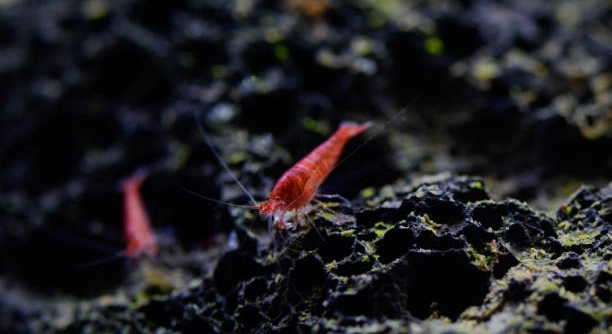
Cherry shrimp are small, colorful freshwater creatures that can brighten any aquarium. Keeping them healthy requires understanding their basic needs, such as water quality, diet, and environment, to ensure they live a long and active life.
Cherry shrimp thrive when provided with stable water conditions, proper nutrition, sufficient hiding spaces, suitable tank mates, adequate filtration, consistent temperature, and occasional supplements to support molting and overall health. Meeting these needs promotes growth, reproduction, and longevity.
Maintaining a proper setup for these shrimp involves more than just feeding them. Small changes in their care routine can have a big impact on their well-being.
Water Quality and Parameters
Keeping cherry shrimp healthy starts with water. They need clean, stable water with a pH between 6.5 and 8.0 and a temperature around 72–78°F. Regular water changes of 10–20% per week help remove waste and prevent ammonia or nitrite spikes. Filtration is important, but strong currents should be avoided, as shrimp prefer gentle water movement. Hardness also matters; soft to moderately hard water supports molting and overall health. Chlorine and chloramine must be removed from tap water before adding it to the tank. Observing your shrimp daily can help you notice any signs of stress, like unusual swimming or hiding.
Proper water maintenance keeps shrimp healthy and supports their growth. Clean water reduces stress and prevents disease outbreaks.
Even minor water fluctuations can stress cherry shrimp. Stable water encourages regular molting, reproduction, and bright coloration. Consistent monitoring of pH, temperature, and hardness ensures that shrimp remain active and reproduce successfully. Testing water weekly and adjusting parameters carefully creates a safe environment, which is essential for long-term shrimp health.
Hiding Spaces and Tank Environment
Cherry shrimp need plenty of hiding spots to feel secure. Moss, plants, and decorations create safe areas for molting and resting.
A well-structured tank reduces stress and supports natural behavior. Hiding spaces also encourage breeding, as shrimplets need protection from adults.
Dense planting and small decorations give shrimp places to explore and retreat. Live plants like Java moss or Anubias are excellent because they provide shelter and grazing surfaces for biofilm. Driftwood and rocks add variety and mimic natural habitats. Providing multiple hiding spots prevents competition and stress, especially in tanks with multiple shrimp or small fish. Hiding spaces also reduce predation risk and improve molting success, since shrimp are vulnerable during this process. Observing shrimp behavior in a well-arranged tank shows they feel safer and move more freely. Tank decor should be cleaned regularly without chemicals to maintain both aesthetics and water quality, ensuring shrimp thrive over time.
Nutrition and Feeding
Cherry shrimp need a varied diet to stay healthy. Algae, biofilm, and high-quality shrimp pellets provide essential nutrients. Supplementing with blanched vegetables, like zucchini or spinach, ensures they get vitamins and minerals for growth and bright coloration.
A balanced diet promotes molting, reproduction, and overall vitality. Feeding small amounts once or twice a day prevents overfeeding, which can pollute the tank and harm water quality. Shrimp will graze on biofilm naturally, but supplemental food helps maintain health, especially in tanks with low algae growth. Rotating between commercial pellets and fresh vegetables ensures they receive protein, fiber, and other nutrients. Observing feeding behavior helps adjust portions to avoid leftover food, keeping the tank cleaner.
Overfeeding can lead to water problems and stress. Too little food affects growth and reproduction. Offering a mix of plant matter, pellets, and occasional protein sources gives cherry shrimp all necessary nutrients. Monitoring their eating habits ensures they consume enough without compromising tank conditions.
Tank Mates
Cherry shrimp do best with peaceful tank mates that do not eat or harass them. Small snails and certain fish species can coexist safely.
Aggressive or large fish may stress or eat shrimp, so choosing compatible species is critical for a harmonious aquarium.
Shrimp benefit from living with calm species like otocinclus, small tetras, or guppies that ignore them. Avoid cichlids, bettas, or any fast, predatory fish that might attack. Tank size also matters; a larger tank with multiple hiding spaces reduces conflicts and stress. Observing interactions helps ensure shrimp are safe, and adjusting population or layout can prevent losses. Proper planning of tank mates allows shrimp to explore, graze, and breed without constant threat, maintaining both their health and the stability of the aquarium ecosystem.
Temperature Stability
Cherry shrimp need consistent temperatures between 72 and 78°F. Sudden fluctuations can cause stress, molting issues, and even death.
Using a reliable heater and thermometer helps maintain stable conditions. Avoid placing the tank near windows or vents that create temperature swings.
Filtration and Water Flow
A gentle filter keeps the water clean without creating strong currents. Sponge filters are ideal because they provide biological filtration and safe surfaces for shrimp to graze on. Regular filter maintenance ensures debris is removed and water remains healthy, supporting shrimp growth and activity.
Molting Support
Providing calcium-rich foods and stable water conditions helps shrimp molt successfully. Molting is essential for growth, and improper support can lead to complications or death.
FAQ
How often should I feed my cherry shrimp?
Feeding once or twice a day is usually sufficient. Only provide what they can eat in a few hours to prevent leftover food from polluting the tank. Fresh vegetables like zucchini, spinach, or blanched peas can be rotated with commercial shrimp pellets. Observing their eating behavior ensures they get enough without overfeeding.
Can cherry shrimp live with other fish?
Yes, but only with peaceful, small species that won’t eat or harass them. Fish like otocinclus, small tetras, or guppies are safe. Avoid cichlids, bettas, or any fast-moving predatory fish. Providing hiding spaces like moss, plants, and decorations helps shrimp feel secure in a shared tank.
How important is water quality for cherry shrimp?
Water quality is critical. Cherry shrimp are sensitive to ammonia, nitrites, and sudden pH or temperature changes. Regular water tests and weekly partial water changes help maintain stability. Removing chlorine or chloramine from tap water is essential. Stable water conditions support molting, reproduction, and overall health.
What should I do if my shrimp stop molting?
Molting issues are often caused by poor water quality or lack of minerals, especially calcium. Check water parameters, provide calcium-rich foods, and ensure stable temperatures. Hiding spaces are also important, as stress can prevent proper molting. Regular monitoring and small adjustments usually resolve the problem.
How can I encourage breeding in cherry shrimp?
Breeding requires stable water, hiding spaces, and a balanced diet. Females need sufficient nutrition, and males should be stress-free. Dense plants or moss give shrimplets protection. Keeping water parameters stable and avoiding aggressive tank mates encourages natural reproduction without forcing it.
Why are my shrimp turning pale?
Pale coloration often indicates stress, poor diet, or low water quality. Ensure water is clean, temperature is stable, and they receive nutrient-rich foods. Stress from aggressive tank mates or inadequate hiding spots can also cause fading. Addressing these issues usually restores their bright colors.
How can I prevent shrimp from dying after molting?
Shrimp are vulnerable after molting, especially if water conditions are poor or predators are present. Maintain stable water parameters, provide hiding spaces, and supply calcium. Avoid sudden changes in temperature or water chemistry. Observing shrimp during molting helps identify potential risks and improve survival rates.
Do I need to use special water for cherry shrimp?
Regular tap water can be used if treated to remove chlorine or chloramine and adjusted for pH and hardness. Soft to moderately hard water with stable parameters supports molting and growth. Using a sponge filter and performing regular water changes keeps the environment safe and healthy.
How many shrimp should I keep in one tank?
Stocking depends on tank size. A 10-gallon tank can comfortably house 15–20 adult shrimp. Overcrowding can lead to stress, competition for food, and poor water quality. Providing plants and hiding spaces ensures each shrimp has space to thrive. Gradual population increases help maintain balance.
What is the best way to introduce new shrimp?
Acclimate new shrimp slowly to match the tank’s temperature, pH, and water chemistry. Float the bag in the tank for 15–20 minutes, then gradually mix small amounts of tank water into the bag before releasing them. This reduces shock and improves survival.
Can I keep cherry shrimp in a planted tank?
Yes, planted tanks are ideal. Plants provide grazing surfaces, hiding spots, and improve water quality. Mosses like Java moss and plants like Anubias or ferns help shrimp feel secure while providing surfaces for biofilm growth, which is a natural food source.
What do I do if a shrimp dies?
Remove dead shrimp quickly to prevent water contamination. Check water parameters and tank conditions to ensure the cause isn’t environmental. Frequent deaths may indicate poor water quality, aggressive tank mates, or disease, which should be addressed immediately.
How do I clean the tank without harming shrimp?
Use gentle methods like siphoning debris and wiping surfaces without chemicals. Avoid strong currents or vacuuming shrimp. Partial water changes and sponge filter maintenance keep the tank clean while minimizing stress. Regular but careful cleaning supports shrimp health and tank stability.
Why are my shrimp hiding all the time?
Hiding can indicate stress from poor water quality, aggressive tank mates, or inadequate shelter. Ensure stable water parameters, provide dense plants or decorations, and avoid disturbances. Shrimp naturally hide during molting, so some behavior is normal, but consistent hiding signals environmental issues that need correction.
What signs show that shrimp are healthy?
Healthy shrimp are active, eat regularly, molt properly, and maintain bright coloration. They explore the tank, graze on biofilm, and interact with tank mates without stress. Regular observation helps catch early signs of health problems and ensures they remain active and vibrant.
Can cherry shrimp survive in cooler water?
They tolerate slightly lower temperatures, but prolonged cold can slow metabolism, reduce activity, and affect reproduction. Maintaining temperatures between 72–78°F is optimal. Sudden drops can cause stress, molting issues, and even death, so a reliable heater and stable environment are recommended.
How long do cherry shrimp live?
Under proper care, cherry shrimp typically live 1.5 to 2 years. Stable water conditions, good diet, and a safe tank environment contribute to lifespan. Avoiding stress and predation supports natural growth and reproduction cycles. Observing them regularly helps ensure they remain healthy throughout their life.
What should I do if shrimp stop eating?
Loss of appetite can indicate stress, poor water quality, illness, or molting. Check water parameters, ensure temperature is stable, and offer fresh food like blanched vegetables or pellets. Monitor behavior closely, as persistent refusal to eat may require additional interventions or adjustments in care.
Can I keep different shrimp species together?
Some species can coexist, but not all. Compatibility depends on size, temperament, and environmental needs. Mixing species with different water requirements or aggressive tendencies can cause stress, competition, or mortality. Researching species compatibility before adding new shrimp ensures a peaceful and thriving tank environment.
How do I prevent algae overgrowth?
Algae control requires balanced lighting, regular water changes, and avoiding overfeeding. Adding moss or fast-growing plants can compete with algae for nutrients. Proper tank maintenance, combined with natural grazing by shrimp, helps keep algae in check without harming shrimp or water quality.
What are common diseases in cherry shrimp?
Bacterial infections, fungal growths, and parasitic infestations can occur, often due to poor water quality or stress. Quarantining new shrimp, maintaining stable water conditions, and observing for unusual behavior or discoloration helps prevent outbreaks. Early detection and intervention are crucial for survival.
How often should I test water parameters?
Weekly testing of ammonia, nitrite, nitrate, pH, and hardness is recommended. Regular monitoring ensures stability, helps prevent stress, and allows for quick corrections before problems escalate. Consistent testing supports shrimp health and a balanced tank environment.
Do cherry shrimp need a dark period?
Yes, a regular light-dark cycle of around 8–10 hours of light and 14–16 hours of darkness supports natural behavior, feeding, and molting. Too much light can promote algae growth, while too little may reduce activity and feeding efficiency. Maintaining a consistent schedule benefits their overall health.
Can I breed cherry shrimp without a male?
No, breeding requires at least one male and one female. Females carry fertilized eggs, but without a male, reproduction won’t occur. Ensuring a proper male-to-female ratio improves the likelihood of successful breeding and healthy shrimplets.
How long does it take for shrimp eggs to hatch?
Eggs usually hatch in about 2–4 weeks, depending on temperature and water conditions. Warmer, stable water can speed up hatching slightly, while cooler or fluctuating conditions may delay it. Observing females carrying eggs helps predict when shrimplets will appear.
What do baby shrimp eat?
Shrimplets feed on biofilm, microorganisms, and finely powdered shrimp foods. Providing moss, fine algae wafers, or crushed pellets ensures they receive adequate nutrition. Dense plants and safe hiding spots improve survival by giving them protection while grazing in the tank.
How do I handle shrimp safely?
Handle only when necessary, using a soft net or container. Avoid direct contact, as shrimp are delicate. Minimal handling reduces stress and prevents injury, helping them maintain normal behavior, feeding, and molting cycles in the tank.
Can cherry shrimp live in brackish water?
No, they are freshwater species. Exposure to salt or brackish conditions can be harmful or fatal. Maintaining proper freshwater parameters is essential for survival, health, and reproduction. Any changes in water chemistry should be gradual and carefully monitored.
Is it necessary to quarantine new shrimp?
Yes, quarantining prevents introducing diseases, parasites, or harmful bacteria into an established tank. A separate, prepared tank for at least two weeks allows observation and treatment if needed, keeping the main tank and existing shrimp safe.
How do I know if water hardness is correct?
General hardness (GH) affects molting and growth. Test kits measure GH and carbonate hardness (KH). Soft to moderately hard water supports healthy molting. Adjusting minerals carefully ensures proper conditions without sudden changes that could stress shrimp.
Can cherry shrimp survive without live plants?
They can survive, but plants provide food, hiding spots, and improved water quality. Mosses, ferns, and low-maintenance plants enhance natural behavior, grazing opportunities, and breeding success. Tanks without plants require careful attention to other food sources and hiding spaces to prevent stress.
How do I prevent shrimp from escaping the tank?
Covering the tank with a secure lid prevents escapes. Shrimp can climb, especially near water surfaces. Maintaining proper water levels and providing gentle flow reduces the chance of climbing and accidental falls, keeping them safe inside the aquarium.
What happens if I add too many shrimp?
Overcrowding leads to competition for food, stress, and poor water quality. Mortality rates increase, and reproduction may decline. Stocking according to tank size and providing sufficient hiding spaces ensures a balanced population and healthier shrimp.
Can I keep cherry shrimp in a small tank?
Yes, but proper care is crucial. A 5–10 gallon tank can support a small colony, but water quality must be monitored closely. Overcrowding or neglecting maintenance in small tanks can quickly lead to stress and health issues.
What is the best way to observe shrimp behavior?
Watching daily activity, feeding patterns, molting, and interaction with tank mates reveals health and stress levels. Noticing changes early allows quick action. Active, grazing shrimp with bright colors indicate a stable and healthy environment.
How do I prevent stress during water changes?
Perform gradual water changes, ideally 10–20% weekly, with water matched in temperature, pH, and hardness. Avoid sudden changes or strong currents. Slow, careful adjustments minimize stress and protect molting shrimp from harm.
Can cherry shrimp survive in unheated tanks?
They can tolerate slightly cooler temperatures but growth and reproduction may slow. A heater ensures stability, preventing stress and molting issues caused by temperature fluctuations. Unheated tanks may work only in consistently warm climates.
What foods should I avoid feeding shrimp?
Avoid processed human food, anything with salt, or large protein sources that decay quickly. These can pollute the tank and harm shrimp. Stick to commercial pellets, blanched vegetables, and occasional protein sources designed for shrimp.
How can I tell the difference between male and female shrimp?
Females are usually larger, with a rounder, fuller body and visible eggs when carrying them. Males are smaller, slimmer, and more active. Identifying sexes helps manage breeding and maintain a balanced population in the tank.
Do cherry shrimp need supplements?
Occasional calcium or mineral supplements support molting and growth. Liquid supplements or specialized foods provide essential nutrients. Over-supplementing should be avoided to prevent water quality issues. Regular monitoring of shrimp health guides supplement use.
How often should I clean decorations and plants?
Clean decorations and plants gently when debris accumulates, avoiding chemicals. Sponge or soft brushes work well. Frequent but careful cleaning maintains water quality and prevents algae buildup without harming shrimp or the tank environment.
Can cherry shrimp live alone?
Yes, but they thrive in groups. Solitary shrimp may feel stressed or less active. A small colony improves social interaction, grazing behavior, and breeding potential, enhancing overall health and activity.
What is biofilm, and why is it important?
Biofilm is a layer of microorganisms that grow on surfaces in the tank. It provides a natural food source for shrimp, especially juveniles. Dense plants and moss encourage biofilm growth, supporting feeding behavior and overall health.
How do I know if my shrimp are stressed?
Signs include hiding excessively, losing color, reduced feeding, or erratic swimming. Stress often results from poor water quality, temperature swings, overcrowding, or aggressive tank mates. Observing behavior and adjusting the environment quickly improves shrimp well-being.
Can cherry shrimp tolerate tap water directly?
Tap water must be treated to remove chlorine and chloramine. Adjusting pH and hardness ensures safe conditions. Untreated tap water can be toxic, causing immediate stress or death, so proper preparation is essential before adding shrimp.
Is it necessary to have a planted substrate?
Planted substrates help with biofilm growth, hiding spots, and water quality. They are not mandatory but greatly enhance shrimp health and breeding success. Alternative surfaces must still provide grazing areas and shelter.
How long should I quarantine new tank decorations?
Rinse and soak new decorations before adding them. A short observation period of a few days ensures no chemicals or pests enter the tank. This protects shrimp and maintains a stable environment.
What causes shrimp to molt frequently?
Frequent molting can be normal in growing shrimp or indicate rich food and optimal conditions. However, stress, poor water quality, or mineral imbalances may also trigger excessive molting. Observing behavior and water parameters helps determine the cause.
Can cherry shrimp survive in community tanks?
Yes, if tank mates are small, peaceful, and non-predatory. Proper hiding spots and plant coverage reduce stress. Careful selection of species ensures coexistence without harming shrimp health or reproduction.
How do I prevent bacterial infections?
Maintaining clean water, stable conditions, and quarantine for new shrimp helps prevent infections. Avoid overcrowding and provide proper nutrition. Early detection of abnormal behavior or discoloration allows timely intervention, protecting the colony.
Do cherry shrimp need a lot of light?
Moderate lighting supports plant growth and biofilm production. Too much light can cause algae overgrowth, while too little may reduce grazing opportunities. Maintaining a balanced light cycle supports health and natural behavior.
Can I use fertilizers in a shrimp tank?
Yes, but only plant-safe fertilizers without copper or harmful chemicals. Fertilizers support plant growth, which benefits shrimp. Avoid excess, as it can impact water quality and shrimp health.
How can I help shrimp recover from stress?
Stabilize water parameters, provide hiding spots, reduce handling, and maintain proper feeding. Observing behavior and adjusting tank conditions gradually helps shrimp regain activity, molting success, and coloration.
Are shrimp sensitive to sudden light changes?
Yes, abrupt lighting changes can stress shrimp, causing hiding or erratic swimming. Gradual light transitions or using a timer helps maintain stability and reduces stress.
How do I safely move shrimp between tanks?
Use a soft net or container, minimizing handling. Acclimate slowly to temperature and water chemistry differences by gradually mixing tank water before release. Quick, careful transfers reduce shock and mortality.
Can cherry shrimp tolerate low oxygen levels?
They prefer well-oxygenated water. Low oxygen can cause stress, reduced feeding, and lethargy. Gentle aeration or dense planting helps maintain proper oxygen levels, supporting normal behavior and survival.
What causes shrimp to lose their color temporarily?
Color loss can result from stress, poor water quality, molting, or insufficient nutrients. Providing stable conditions, proper food, and hiding spaces usually restores bright coloration.
Do cherry shrimp need specific minerals?
Calcium, magnesium, and other trace minerals support molting, growth, and overall health. Balanced water and occasional supplements ensure they receive what they need. Lack of minerals can lead to molting issues or weak exoskeletons.
How do I reduce stress during tank maintenance?
Perform water changes gradually, avoid strong currents, and minimize handling. Clean equipment gently and maintain stable conditions. These practices prevent stress, improve molting success, and ensure shrimp remain active and healthy.
Can cherry shrimp survive in a bare-bottom tank?
Yes, but they require hiding spots, grazing surfaces, and stable water conditions. Bare-bottom tanks simplify cleaning but may reduce biofilm availability and natural shelter. Supplementing with moss, decorations, or floating plants helps maintain health.
How long should I observe shrimp after introducing them?
Monitor for at least 48–72 hours to ensure they acclimate, eat, and behave normally. Watch for stress, hiding, or unusual swimming, and adjust tank conditions if needed. Early observation prevents losses and supports health.
Can I feed shrimp frozen foods?
Yes, frozen foods like bloodworms or daphnia can supplement their diet. Thaw and rinse before feeding to avoid water contamination. Use sparingly to prevent overfeeding and maintain tank cleanliness.
Do cherry shrimp need a constant light schedule?
Yes, maintaining a regular light-dark cycle of 8–10 hours light and 14–16 hours darkness supports feeding, molting, and activity. Timers help ensure consistency and reduce stress.
How can I tell if my shrimp are reproducing?
Females carry green or yellow eggs under their abdomen. Active feeding, healthy coloration, and frequent molting indicate readiness. Observing these signs shows the tank environment supports successful breeding.
Can cherry shrimp live with snails?
Yes, peaceful snails like nerites or mystery snails coexist well. They don’t harm shrimp and help maintain cleanliness by eating algae and detritus. Ensure enough space and hiding spots for shrimp to feel secure.
What should I do if water parameters suddenly change?
Address the cause immediately by adjusting temperature, pH, hardness, or performing partial water changes. Sudden fluctuations stress shrimp and can cause illness or death. Gradual corrections minimize harm and restore stability.
Are cherry shrimp active at night?
They are more active during low light or nighttime hours. Hiding during the day is normal. Providing plants and shelter allows natural behavior while minimizing stress during periods of inactivity.
How do I prevent shrimp from getting stuck in filter intakes?
Use sponge pre-filters or guards on intake tubes. Gentle flow ensures shrimp are not drawn in. Regular inspection and adjustment prevent accidents while maintaining proper filtration.
Can cherry shrimp survive without biofilm?
Biofilm is a natural food source, but they can survive with supplemental foods like pellets
Cherry shrimp are small but fascinating creatures that can bring life and color to any freshwater aquarium. Taking care of them properly requires attention to several key factors, including water quality, diet, tank environment, and compatible tank mates. Maintaining stable water parameters is essential, as cherry shrimp are sensitive to sudden changes in temperature, pH, and hardness. Regular water testing and partial water changes help ensure their environment remains healthy and supportive. Using a gentle filter like a sponge filter provides adequate filtration without creating strong currents that could stress the shrimp. Providing hiding spaces with plants, moss, and decorations helps them feel secure and supports natural behavior, especially during molting when they are vulnerable.
Feeding cherry shrimp a balanced diet is another crucial part of their care. They naturally graze on biofilm in the tank, but supplemental foods like high-quality shrimp pellets and blanched vegetables provide necessary nutrients for growth, molting, and bright coloration. Rotating food sources ensures they receive protein, fiber, and essential vitamins, which contributes to overall health and longevity. Overfeeding should be avoided because uneaten food can pollute the water, stressing the shrimp and potentially causing health issues. Observing their feeding habits daily can help adjust the amounts offered and ensure they are consuming enough without compromising water quality. In addition, minerals like calcium support proper molting and shell strength, making occasional supplementation beneficial in some setups.
Finally, paying attention to tank mates and population balance is important for a peaceful environment. Cherry shrimp thrive with small, non-aggressive species that do not threaten their safety. Overcrowding can lead to stress, competition for food, and poorer water quality. Monitoring shrimp behavior, hiding spots, and general activity helps identify issues early and maintain a stable, healthy tank. Plants, moss, and decorations not only provide cover but also contribute to biofilm growth, which serves as a natural food source. Careful observation and consistent maintenance create conditions in which cherry shrimp can grow, reproduce, and display vibrant colors. By focusing on these essential aspects, anyone can support the well-being of their cherry shrimp and enjoy the satisfaction of a thriving, active colony.

Hello,
If you enjoy the content that we create, please consider saying a "Thank You!" by leaving a tip.
Every little bit helps us continue crafting quality advice that supports the health, happiness, and well-being of pets around the world, for pets of all shapes, sizes, and species.
We really appreciate the kindness and support that you show us!