
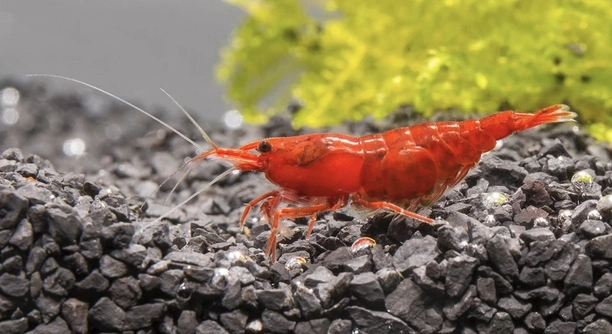
Do you enjoy keeping freshwater shrimp but find water changes stressful for your tiny tank inhabitants? Managing stress during routine maintenance can be tricky, yet maintaining calm shrimp is essential for their health and longevity in your aquarium.
Shrimp are highly sensitive to changes in water chemistry, temperature, and flow. Minimizing sudden disruptions and maintaining stable environmental conditions during water changes reduces stress and supports their overall health, feeding behavior, and molting process in a controlled habitat.
Proper preparation and small adjustments during maintenance can make a significant difference in keeping shrimp calm and healthy in your aquarium environment.
Prepare a Separate Container for Shrimp
When performing water changes, it is helpful to have a small container ready to temporarily house your shrimp. This container should contain water from the main tank to maintain familiar conditions. Using a gentle net, carefully transfer the shrimp, avoiding sudden movements. Make sure the container has adequate aeration, such as a small sponge filter or gentle air stone, to keep oxygen levels stable. It is also important to keep the container out of direct sunlight or drafts that could change water temperature. Having the container prepared in advance reduces the time shrimp spend out of their regular habitat, lowering stress levels. During this period, monitor them closely for unusual behavior or signs of distress. Keeping the water clean and maintaining similar parameters as the main tank helps the shrimp remain calm and prevents shock from sudden environmental changes. This step sets the foundation for a smoother water change process.
Using a separate container allows you to control conditions more effectively while working on the main tank.
This method ensures shrimp are not directly exposed to water changes, temperature shifts, or disturbances, making the overall process safer. Over time, it can improve their resilience to routine maintenance and enhance their overall health, feeding response, and activity levels, giving you a more stable aquarium.
Adjust Water Parameters Gradually
Before adding new water to the tank, it is essential to test and match parameters such as temperature, pH, and hardness. Small adjustments reduce stress for the shrimp.
Matching new water to the tank ensures shrimp experience minimal shock. Gradual changes prevent sudden chemical or thermal stress.
To maintain shrimp health, always add replacement water slowly, using a drip method if possible. Sudden changes in temperature, pH, or chemical composition can cause them to hide or become lethargic. Slowly introducing new water allows them to acclimate naturally and prevents molting issues or sudden health declines. Regularly testing both the tank and new water ensures consistency and minimizes potential stressors. Even minor fluctuations can affect sensitive species, so patience and careful measurement are key. Over time, this practice fosters a stable environment, promoting consistent activity and healthy feeding behaviors. Taking these steps during every water change builds a safer routine for your shrimp. Consistency and attention to detail in water parameter management significantly reduce stress and contribute to long-term well-being.
Use a Gentle Water Flow
Strong currents can stress shrimp during water changes. Always use a gentle flow when refilling the tank to prevent them from being tossed around.
Controlling the flow helps shrimp maintain stability and reduces panic. Using a low-pressure hose or adjusting a filter output allows water to enter slowly. Avoid pouring water directly onto shrimp or decorations, as sudden force can harm delicate bodies. A gentle flow also prevents substrate disruption, keeping water clearer and more predictable for shrimp. Ensuring a calm environment during refills makes them less likely to hide or show stress. Maintaining steady, slow movement helps them adjust naturally to the new water, reducing overall anxiety during maintenance.
Even small adjustments, like angling the water stream or using a spreader, can significantly calm shrimp. Consistent gentle flow practices during every change create a more comfortable habitat and support their long-term health.
Maintain Consistent Lighting
Shrimp are sensitive to light changes, which can increase stress during water changes. Keep lighting consistent to prevent sudden disturbances.
Sudden shifts from bright light to darkness or vice versa can startle shrimp, making them retreat or freeze in place. Using a timer helps maintain predictable lighting schedules, reducing unexpected stress. If adjustments are necessary, gradually change the intensity or duration over several days. Consistency in lighting supports normal activity patterns, feeding behavior, and molting cycles. When performing water changes, avoid turning lights on or off abruptly, as this can compound stress from movement, temperature, and water chemistry changes. Gradual, steady lighting ensures shrimp feel secure, allowing them to respond calmly to environmental adjustments.
Keep Decorations and Hiding Spots Intact
Shrimp feel safer when their environment remains familiar. Avoid moving decorations or removing plants during water changes.
Maintaining hiding spots reduces stress by giving shrimp secure areas to retreat. Sudden changes in terrain can make them anxious and disrupt normal behavior.
Use a Soft Net
When transferring shrimp, choose a soft, fine-mesh net. This prevents injury and minimizes stress.
A soft net protects delicate legs and antennae while allowing gentle handling. Hard or coarse nets can damage shrimp, leading to molting problems or infections. Using careful movements and a soft net ensures safer transfers and less panic, supporting overall health.
Limit Feeding During Water Changes
Feeding should be reduced on water change days to prevent water quality issues.
Shrimp are sensitive to sudden water changes and leftover food can deteriorate water. By temporarily limiting feeding, you maintain cleaner conditions, reduce stress, and support a healthier, calmer environment for your shrimp during maintenance.
FAQ
How often should I perform water changes for shrimp?
The frequency of water changes depends on tank size, stocking levels, and filtration efficiency. Generally, changing 10–20% of water weekly keeps conditions stable without causing shock. Consistency is more important than large, infrequent changes, which can stress shrimp.
What temperature should the new water be during a change?
New water should closely match the tank’s current temperature. Sudden differences, even by a few degrees, can shock shrimp. Using a thermometer to check and adjust the water beforehand ensures a safe transition.
Can I use tap water directly for water changes?
Tap water must be treated to remove chlorine and chloramine. Using a water conditioner ensures chemicals that harm shrimp are neutralized. Untreated water can cause gill damage, stress, or death.
Should I add shrimp to a separate container during water changes?
Using a temporary container can help reduce stress during major changes, especially if water replacement is slow or large. Include some tank water and ensure gentle aeration to keep oxygen levels stable while shrimp are relocated.
Is it necessary to adjust pH during water changes?
Shrimp are sensitive to sudden pH shifts. If the new water’s pH differs significantly, it should be adjusted gradually. Abrupt changes can affect molting, feeding, and overall health. Consistent water chemistry is essential for a calm and thriving shrimp population.
How do I prevent shrimp from being disturbed by strong water flow?
Always introduce new water slowly and gently. A low-pressure hose, sponge, or drip system reduces turbulence. Strong currents can injure shrimp or make them hide, increasing stress during routine maintenance.
Can lighting affect shrimp stress during water changes?
Yes, sudden changes in lighting can startle shrimp. Keep lights on a regular schedule and avoid turning them on or off abruptly while performing water changes. Consistent lighting helps maintain natural activity and reduces anxiety.
What should I do if a shrimp shows signs of stress?
Signs include hiding excessively, curling up, or losing color. Check water parameters and ensure environmental stability. Reducing handling, flow, and sudden changes allows shrimp to recover naturally. Temporary relocation to a calm container can also help.
Is it okay to feed shrimp during a water change?
Feeding should be limited during water changes to prevent water quality issues. Leftover food can pollute the water and increase stress. Feeding should resume once conditions are stable.
How do I make the water change process less stressful overall?
Plan ahead, keep new water parameters consistent, use gentle flow, preserve hiding spots, and limit handling. Gradual changes and careful monitoring prevent sudden shocks, helping shrimp remain calm and healthy.
Are some shrimp species more sensitive than others?
Yes, species like Caridina are generally more sensitive to environmental changes than Neocaridina. Adjust water change routines according to species tolerance, focusing on slow acclimation, gentle flow, and stable water parameters.
How important is aeration during water changes?
Aeration helps maintain oxygen levels, especially in temporary containers. Low oxygen can quickly stress shrimp. Using a sponge filter or gentle air stone ensures they remain comfortable during maintenance.
Can I use a net to move shrimp directly into the main tank?
Soft nets are recommended for transfers. Hard nets or rough handling can damage delicate appendages, increase stress, and affect molting. Gentle movement ensures safe relocation.
What is the safest way to acclimate shrimp to new water?
Drip acclimation is most effective. Slowly mixing new water with tank water over time prevents sudden chemical or temperature shocks, supporting calm and healthy shrimp behavior.
How much water is safe to change at once?
Changing small portions, like 10–20%, is safest. Large changes can cause sudden parameter shifts, increasing stress and risking health issues. Gradual adjustments maintain stability and reduce risk.
How long should shrimp stay in a temporary container?
Keep them only as long as necessary for the water change. Extended time outside the main tank can be stressful. Monitor oxygen and water quality, and return shrimp promptly once the main tank is ready.
Can stress from water changes affect shrimp molting?
Yes, stress can disrupt molting cycles. Ensuring gentle handling, consistent water parameters, and minimal disturbances helps shrimp molt safely and maintain healthy growth.
How do I know if water change stress is affecting shrimp health?
Look for hiding, lethargy, color changes, or reduced feeding. Persistent symptoms may indicate environmental issues or improper water change practices. Correcting water parameters and minimizing disturbances can restore their well-being.
Are there any tools that make water changes safer for shrimp?
Yes, soft nets, siphons with adjustable flow, drip systems, and thermometers improve safety. Using the right tools reduces stress and ensures a controlled, gentle process.
Can I perform partial water changes daily instead of weekly?
Small, frequent changes can maintain stable parameters and reduce stress. Daily or every-other-day partial changes keep water clean without large sudden shifts, supporting calm shrimp behavior and overall health.
Final Thoughts
Keeping shrimp calm during water changes is an essential part of maintaining a healthy aquarium. Shrimp are sensitive to changes in water chemistry, temperature, and flow, so even small disturbances can create stress. By taking steps to reduce sudden shocks, you help shrimp stay active, feed normally, and molt safely. Using a separate container, matching water parameters, and moving water gently are simple yet effective measures. Each step may seem small, but when combined, they create a calmer environment that supports the long-term health of your shrimp. It is important to remember that consistency is key. Regular, careful water changes are less stressful than infrequent, large changes that can disrupt their habitat.
Attention to detail during every water change can make a significant difference. Preserving hiding spots, using soft nets, and gradually adjusting lighting and water parameters all help reduce anxiety. Limiting feeding temporarily during maintenance also prevents water quality issues, which can further stress shrimp. Maintaining oxygen levels and avoiding strong currents while refilling the tank gives them time to acclimate naturally. Over time, these habits become part of a routine that promotes stability in the aquarium. Calm shrimp are more likely to display natural behaviors, eat properly, and grow well. By observing their reactions during water changes, you can refine your approach and ensure each step is as gentle as possible.
Overall, creating a low-stress environment during water changes is about planning, consistency, and patience. Preparing water in advance, monitoring conditions closely, and handling shrimp carefully all contribute to their well-being. A little effort goes a long way in preventing shock and promoting health. These practices not only protect the shrimp but also make maintenance easier for the keeper. Healthy, calm shrimp are more vibrant, active, and responsive, which makes caring for them more rewarding. Maintaining these practices regularly ensures the tank remains stable, reduces stress-related health problems, and supports a thriving aquatic ecosystem. By following these simple steps, every water change can become a smooth and safe part of your aquarium routine.

Hello,
If you enjoy the content that we create, please consider saying a "Thank You!" by leaving a tip.
Every little bit helps us continue crafting quality advice that supports the health, happiness, and well-being of pets around the world, for pets of all shapes, sizes, and species.
We really appreciate the kindness and support that you show us!