
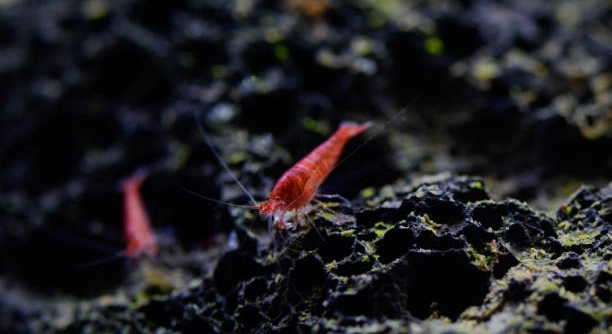
Do you enjoy observing your cherry shrimp and noticing how they move around the tank? Many aquarists spend time watching these tiny creatures, fascinated by their behaviors and reactions to changes in their environment.
Cherry shrimp can recognize human hands to a limited degree. They respond to repeated presence and gentle movement, often associating hands with feeding or interaction. Recognition is not complex but shows basic learning and environmental awareness.
Understanding these responses can enhance your care routine and strengthen the bond you share with your shrimp. Observing them closely reveals subtle but meaningful behaviors.
How Cherry Shrimp Respond to Human Presence
Cherry shrimp are naturally cautious creatures, but they can become accustomed to your presence over time. When a hand approaches the tank, they often pause or retreat slightly at first. This reaction is instinctive, as movement near their environment may signal potential danger. With consistent, gentle interactions, shrimp can learn that hands are associated with feeding or maintenance rather than threats. They may start to swim closer or remain in place instead of hiding. Visual cues, such as the shadow of a hand or the sight of fingers near the water, play a significant role in shaping their behavior. Over several weeks, shrimp may show subtle responses, like following a hand with their eyes or gathering near a spot where food is usually offered. This type of recognition is a form of learned behavior, demonstrating that even small aquatic creatures can adapt to repeated, positive stimuli in their environment.
Repeated exposure to your hand helps shrimp become more comfortable and less startled during routine care.
Observing this behavior can improve how you interact with your tank. By offering food consistently at certain times, shrimp begin to associate human presence with feeding. This recognition doesn’t mean complex cognition, but it indicates learning through experience. Maintaining a calm approach and avoiding sudden movements encourages shrimp to respond predictably. Over time, you may notice shrimp swimming toward your hand or lingering in areas where you frequently interact. These behaviors can help you anticipate their needs, making feeding and tank maintenance smoother. Understanding how they respond allows for a more harmonious aquarium environment, where shrimp are confident and stress is minimized. Watching these subtle patterns of recognition offers satisfaction, showing that even tiny shrimp can adapt to humans in meaningful ways.
Feeding Patterns and Hand Recognition
Cherry shrimp often link your hand with food, making them less cautious during feeding.
Consistent feeding routines strengthen recognition and trust. When you regularly provide food in the same manner, shrimp begin to understand the timing and location. They may gather near the surface or swim toward the approaching hand, demonstrating learned behavior. This process relies on repetition and patience, allowing shrimp to associate human interaction with a positive experience. Observing these responses gives insight into their habits, such as preferred feeding spots and active times. Over time, shrimp may even anticipate food delivery, gathering before it is placed. This recognition improves your ability to manage tank feeding efficiently and reduces stress for the shrimp. While simple, this learned response highlights the adaptability of cherry shrimp and their capacity to form basic associations between stimuli and reward. Proper feeding practices ensure shrimp remain healthy, active, and comfortable in your care.
Signs of Recognition in Cherry Shrimp
Cherry shrimp may gather near your hand during feeding or move calmly when it enters the tank. These small actions indicate they are starting to recognize human presence and link it with positive experiences like food or gentle interaction.
Over time, shrimp begin to show consistent reactions when hands approach the tank. They may pause and observe movement rather than immediately retreating, suggesting they have learned the difference between harmless and threatening gestures. Subtle behaviors, such as lingering near feeding areas or lightly brushing against surfaces near your hand, demonstrate their ability to associate you with regular care. This recognition develops gradually through repeated interactions.
These responses are not complex but reflect basic learning and adaptation. Cherry shrimp can remember patterns, such as feeding times or specific hand movements, which helps them navigate their environment with less stress. By paying attention to these behaviors, you can better understand their needs and provide a more predictable, comfortable setting in the aquarium.
Factors Affecting Hand Recognition
Consistency in feeding routines significantly impacts how quickly shrimp recognize human hands. Regular schedules and gentle movements reinforce positive associations, encouraging shrimp to approach rather than hide.
Environmental factors also play a role in shrimp behavior. Tank size, decoration density, and water clarity can affect how easily shrimp notice hands and respond. Shrimp in smaller or sparsely decorated tanks may be more visible and responsive, while heavily planted or cluttered tanks provide more hiding spots, slowing recognition. Temperature and lighting influence activity levels, which in turn affect responsiveness. Patience and steady interactions allow shrimp to adapt, while sudden or erratic movements can trigger fear responses and reduce the likelihood of recognition developing naturally. By managing these factors thoughtfully, you can create conditions that support learning and comfort, making shrimp interactions more predictable and pleasant over time.
Observing Subtle Behaviors
Cherry shrimp may lightly brush against surfaces or move closer when hands are near. These small reactions suggest they are paying attention and slowly learning to associate human presence with food or routine care.
Changes in swimming patterns also indicate recognition. Shrimp may stop or hover near feeding spots when a hand approaches, showing awareness without stress.
Training Cherry Shrimp to Recognize Hands
Consistent feeding at the same time and location helps shrimp link hands with positive experiences. Gentle movements, avoiding sudden splashes, encourage shrimp to respond calmly. Over several weeks, shrimp begin anticipating food and lingering near your hand, demonstrating learning through repeated exposure. Patience and consistency are key to reinforcing this behavior.
Avoiding Stressful Interactions
Abrupt movements or tapping on the tank can frighten shrimp. Maintaining calm, predictable behavior supports recognition and comfort.
FAQ
Can cherry shrimp actually see my hand clearly?
Cherry shrimp have simple eyes that detect movement and contrast rather than fine details. They notice your hand approaching primarily by motion and changes in light. While they cannot see like humans, they can recognize shapes and shadows, which helps them respond to your presence during feeding or maintenance. Over time, repeated exposure helps them associate your hand with non-threatening actions and food.
How long does it take for shrimp to recognize my hand?
Recognition develops gradually and depends on consistency. Some shrimp may start showing subtle responses within a week, while others may take several weeks to react reliably. Factors like feeding schedules, tank setup, and individual shrimp personality influence how quickly they adapt. Regular, gentle interactions encourage quicker recognition and reduce stress.
Why do some shrimp hide even when I approach gently?
Hiding is a natural defense mechanism. Even if shrimp are familiar with your hand, sudden movements, shadows, or noises can trigger retreat. Each shrimp has its own comfort level, and some may remain cautious longer. Creating a calm environment with predictable routines helps minimize hiding behavior.
Does feeding shrimp by hand improve recognition?
Yes, hand-feeding can strengthen recognition. When shrimp associate hands with food, they learn to approach instead of hiding. Using the same hand, gentle placement, and consistent timing reinforces positive behavior. This method encourages shrimp to anticipate feeding and reduces fear responses over time.
Can all shrimp recognize humans equally?
Not all shrimp respond the same. Individual differences, age, and previous experiences affect recognition. Younger or more active shrimp may be bolder, while shy individuals remain cautious. Environmental conditions, such as tank size, plants, and water clarity, also influence how easily shrimp notice and react to human hands.
Will shrimp respond to any movement near the tank?
Shrimp primarily respond to movements that affect their environment, like your hand or a shadow across the water. Random vibrations or distant movements may go unnoticed. Their responses are shaped by repeated exposure, so consistent interaction teaches them to link specific actions, like hand placement, with predictable outcomes.
Is it safe to touch or interact with shrimp directly?
Direct touching is not recommended as it can stress or injure them. Gentle presence outside the tank, associated with feeding or observation, is safest. Providing visual cues rather than physical contact allows shrimp to recognize your hand without risk, building trust while keeping them healthy.
Can recognition reduce shrimp stress in the tank?
Yes, familiar interactions can lower stress. When shrimp associate your hand with positive experiences, they are less likely to hide during feeding or maintenance. Stress reduction improves overall health, encourages natural behaviors, and allows for smoother tank management. Predictable routines and calm movements are essential.
Do shrimp remember humans if moved to a new tank?
Memory is linked to the environment. If shrimp are moved, recognition may decrease temporarily because they associate hands with specific locations. Over time, consistent care and feeding routines in the new tank can rebuild their learned responses and reduce cautious behavior.
How can I encourage shy shrimp to recognize my hand?
Patience and gentle repetition are key. Approach slowly, maintain consistent feeding schedules, and avoid sudden movements. Gradually, shrimp learn to link your hand with food and safety. Observing their behavior closely helps you adjust actions to suit their comfort, promoting calm, confident responses.
Cherry shrimp are small and delicate creatures, but they can show surprising awareness of their surroundings. Over time, they may recognize human hands as part of their daily routine, especially during feeding. This recognition is not complex or conscious in the way mammals understand it, but it demonstrates their ability to learn patterns and adapt to repeated, gentle stimuli. By consistently placing food in the same spot and approaching the tank in a calm manner, shrimp begin to associate these actions with positive experiences. Subtle changes in behavior, like lingering near your hand or pausing to observe movement, reflect this learning. Even though their vision is limited and their reactions are instinctive, these small signals indicate that they are adjusting to human presence in ways that benefit their comfort and wellbeing. Observing these responses can be rewarding for aquarium owners and offers insight into the behavioral flexibility of these tiny animals.
Maintaining a calm and predictable routine is essential for encouraging recognition. Cherry shrimp respond best to consistency in both timing and movement. Sudden gestures or tapping on the tank can startle them and disrupt the learning process. By keeping interactions steady and gentle, you provide an environment where shrimp feel safe enough to exhibit natural behaviors, including approaching food or moving near hands without fear. The layout of the tank also plays a role. Open spaces, clear water, and moderate decoration levels make it easier for shrimp to notice your hand and respond appropriately. On the other hand, heavily planted or cluttered tanks can slow the recognition process because shrimp have more hiding spots and may feel less exposed to positive stimuli. Temperature, lighting, and water quality also influence their activity levels, indirectly affecting how they interact with human presence. Paying attention to these environmental factors supports their learning and reduces stress, creating a more harmonious aquarium overall.
While recognition in cherry shrimp may seem minor, it is an example of the adaptability of even the smallest aquatic creatures. Over time, repeated gentle interactions can lead to predictable and observable behaviors, making feeding and tank maintenance smoother and more enjoyable. Watching shrimp respond to human presence can also strengthen your understanding of their needs and preferences, from preferred feeding locations to patterns of activity throughout the day. This learning process does not require complex cognition, but it highlights the value of patience, consistency, and observation in caring for aquatic pets. By respecting their natural instincts while providing safe and repeated cues, you create an environment where shrimp can thrive and show subtle, yet meaningful, responses to human interaction. Observing these behaviors can deepen the connection between you and your shrimp, making the care process both satisfying and informative.

Hello,
If you enjoy the content that we create, please consider saying a "Thank You!" by leaving a tip.
Every little bit helps us continue crafting quality advice that supports the health, happiness, and well-being of pets around the world, for pets of all shapes, sizes, and species.
We really appreciate the kindness and support that you show us!