
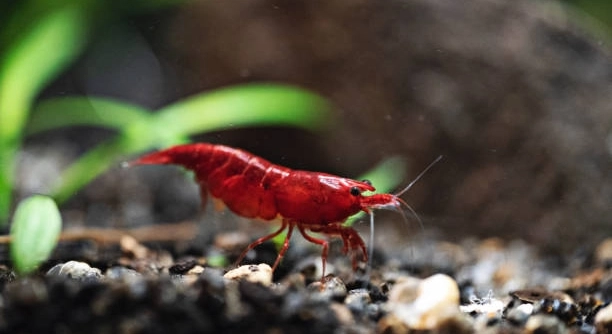
Have you ever watched your cherry shrimp moving gracefully in their tank and noticed them suddenly darting away? These tiny creatures are sensitive to changes in their environment and often react to unexpected stimuli. Their behavior can seem unpredictable at times.
Cherry shrimp can indeed get startled by shadows. Sudden movements or changes in lighting trigger their natural flight response. This reaction is an instinctive survival mechanism, helping them avoid potential threats in their surroundings, even in a safe aquarium setting.
Observing these subtle reactions can help you better understand your shrimp and create a calmer environment for them. Their responses reveal more about their natural instincts than most people realize.
How Shadows Affect Cherry Shrimp Behavior
Cherry shrimp are small and delicate, and their behavior is easily influenced by light and movement. When shadows fall across their tank, they often react by quickly swimming to hide. This is part of their natural instinct to avoid predators. Even a simple hand moving near the aquarium or a sudden change in room lighting can startle them. Shadows create brief moments of uncertainty, making shrimp pause or retreat. Over time, constant sudden shadows can increase stress, affecting their feeding and overall activity. Shrimp are more comfortable in a stable, predictable environment where light changes gradually. Providing plants, decorations, or hiding spots gives them a sense of security. Observing how they respond to shadows can help you adjust lighting and tank placement. A calm, well-arranged tank reduces sudden stress responses and promotes healthier shrimp behavior. Noticing patterns in their reactions can also improve your ability to care for them consistently.
Shadows trigger an instinctive avoidance response in cherry shrimp. Sudden changes cause them to hide or swim quickly.
Understanding these reactions can help maintain a peaceful tank. Minimizing abrupt movements or strong shadows encourages natural behavior. Creating consistent lighting and stable surroundings supports their comfort and reduces stress. Observing their behavior also allows small adjustments to tank layout, ensuring hiding spots are available when needed. Over time, shrimp adapt to regular patterns of light and shadow, responding less drastically while still keeping their natural caution. Tank accessories like moss, plants, and rocks provide cover and reduce anxiety from sudden changes. Even gentle, indirect lighting helps shrimp feel safer. By learning how shadows affect them, you can create a more predictable environment, enhancing their feeding, activity, and interactions. A well-thought-out setup not only benefits shrimp but makes tank management easier, reducing surprises and keeping the aquatic habitat healthy. Paying attention to these subtle cues makes caring for cherry shrimp more effective and rewarding.
Preventing Startle Responses
Keeping sudden shadows minimal is important for stress reduction. Consistent lighting helps shrimp feel safe.
Positioning the tank away from high traffic areas reduces unexpected shadows and movements. Using soft, indirect lighting or gradual light changes is better than bright, sudden lights. Decorations, plants, and hiding spots give shrimp places to retreat naturally. Monitoring how your shrimp respond allows small adjustments, like moving decorations or adjusting light angles. Even feeding routines can influence reactions—approaching the tank slowly avoids startling them. Creating a stable environment with predictable lighting and minimal abrupt changes encourages calm and natural behavior. Over time, shrimp become more confident, exploring their habitat freely while still responding appropriately to necessary stimuli. These practices support healthier shrimp, better feeding habits, and less stress, making aquarium management easier and more enjoyable.
Signs Your Cherry Shrimp Is Startled
Cherry shrimp react quickly when startled. They may dart to the nearest hiding spot, freeze mid-swim, or curl their bodies slightly. These reactions are subtle but noticeable if you watch closely. Changes in light or movement often trigger these instinctive behaviors.
Startle responses in cherry shrimp are often brief but can repeat if shadows or sudden movements continue. You may notice them swimming erratically for a few seconds or retreating into plants or decorations. Even minor disturbances, like someone walking past the tank or turning a light on suddenly, can provoke this reaction. Their sensitivity is heightened because they are prey animals in the wild, so even small environmental changes can feel threatening. Observing these behaviors consistently helps you identify patterns and adjust the tank environment accordingly. Over time, you may notice some shrimp become more cautious, while others react less dramatically.
Repeated exposure to sudden shadows can increase stress levels in cherry shrimp, affecting feeding and activity. Stress may reduce their overall health, making them more susceptible to disease. Ensuring stable lighting, slow movement around the tank, and plenty of hiding spots helps maintain calm behavior. Shrimp that feel safe tend to explore more and feed regularly, showing natural, healthy patterns. Watching their reactions allows you to make small changes to the environment to reduce unnecessary stress and create a comfortable, predictable habitat. Understanding these cues is key to keeping shrimp healthy and active.
Tips for Reducing Stress
Stable tank lighting is essential to keep shrimp calm. Avoid turning lights on or off abruptly.
Soft, consistent lighting and gradual changes reduce sudden stress triggers. Placing the tank in a low-traffic area prevents unexpected shadows from startling shrimp. Providing plants, moss, and decorations gives them places to hide, which further lowers stress. Feeding routines should be predictable, approaching the tank slowly to avoid sudden movements. Observing their behavior regularly allows you to adjust lighting angles or decorations if needed. Over time, shrimp learn the environment is safe, becoming more confident while still maintaining natural caution. These small measures create a calm and healthy habitat.
Using tank accessories strategically helps manage stress. Dense plants or moss pads offer retreat spots, while rocks or ornaments create visual barriers from sudden movements. Arranging decorations to break up open space allows shrimp to feel less exposed. Gradual lighting transitions, either with dimmers or indirect light, reduce the likelihood of startling shadows. Predictable feeding times also contribute to a stable environment, encouraging shrimp to remain active without fear. Monitoring shrimp behavior helps identify specific stress triggers, allowing precise adjustments. Reducing sudden environmental changes promotes long-term health, supporting natural behavior, regular feeding, and overall tank harmony. A well-planned setup ensures shrimp thrive comfortably in their habitat.
Common Tank Shadows
Shadows can form from furniture, decorations, or even people walking near the tank. These small changes may seem minor but can startle cherry shrimp. They are highly sensitive to visual changes, reacting instinctively to anything that appears sudden or threatening.
Overhead lighting or sunlight through a window can create shifting shadows that affect shrimp behavior. Even a curtain moving slightly can make them pause or retreat. Observing how shadows move in your tank throughout the day helps you understand patterns that may stress your shrimp. Adjusting tank placement, light direction, or adding stable decorations can minimize sudden dark areas, creating a calmer environment for the shrimp.
Feeding and Light Interaction
Cherry shrimp are more active during feeding times, and sudden shadows during this period can disrupt their natural routine.
Gradual Adjustments
Introducing light changes slowly allows shrimp to adapt without stress. Sudden bright or dim shifts trigger avoidance behavior.
Hiding Spots
Providing multiple hiding spots helps shrimp feel secure. Dense plants or rocks offer safe areas during sudden movements.
FAQ
Do cherry shrimp react to every shadow?
Not every shadow will startle cherry shrimp. They are more sensitive to sudden, unexpected changes in light or movement. Gradual shifts, such as slow cloud cover or dimming lights over time, usually do not provoke a reaction. Their response depends on the intensity, size, and speed of the shadow passing across their tank.
Why do cherry shrimp dart when a shadow passes?
Darting is a natural instinct to escape potential threats. In the wild, predators often cast shadows over shrimp, signaling danger. Even in a safe aquarium, this instinct remains. They swim quickly to the nearest hiding place to protect themselves until the perceived threat passes.
How can I reduce startle responses in my tank?
Maintaining consistent lighting and limiting sudden movements near the tank helps reduce stress. Positioning the aquarium in a quieter area of the room, away from doors or windows, prevents unexpected shadows. Adding plants, moss, or decorations offers secure hiding spots that make shrimp feel safer.
Can stress from shadows affect shrimp health?
Yes, prolonged or repeated stress can reduce feeding, activity, and overall well-being. Stress may make shrimp more susceptible to disease or reduce molting success. A calm environment with stable light and minimal abrupt shadows supports healthy behavior and growth.
Do all shrimp react the same way to shadows?
Not necessarily. Some shrimp are naturally bolder and may ignore minor changes, while others are more cautious and react immediately. Factors such as age, molting stage, and previous exposure to stress can influence how strongly an individual shrimp responds.
Is it better to use natural or artificial light for shrimp?
Both can work, but stability is key. Artificial lights with timers create predictable light cycles, minimizing sudden changes that cause shadows. Natural light can be acceptable if the tank is positioned to avoid fluctuating sunlight or strong direct beams that create sharp shadows.
How do hiding spots help reduce startle reactions?
Hiding spots offer a sense of security. When shrimp see a shadow, they instinctively retreat to plants, moss pads, or rock crevices. These areas allow them to feel safe while observing their surroundings. More hiding spaces generally mean shrimp are less stressed and display natural behaviors more consistently.
Can I train shrimp to ignore shadows?
While not “trainable” like pets, shrimp can acclimate to consistent, predictable conditions. Repeated exposure to non-threatening movements or light changes in a calm setting can reduce exaggerated startle reactions over time. They learn the environment is safe, though instinctive caution remains.
Does tank size influence shadow sensitivity?
Yes, smaller tanks can make shadows more noticeable, as light changes cover more of the environment quickly. Larger tanks with plants and decorations help diffuse shadows, giving shrimp multiple options to escape or hide, reducing stress responses.
Are there specific times when shrimp are more likely to be startled?
Shrimp tend to be more sensitive during feeding, molting, or low-light periods. During these times, they may react more quickly to shadows or movements because they feel vulnerable. Observing their behavior and timing adjustments in light or tank interaction helps reduce stress.
Can other fish or tank inhabitants increase startle reactions?
Yes, active or fast-moving tank mates can cast shadows or cause sudden movements that affect shrimp. Choosing compatible, gentle tank companions reduces unnecessary stress and allows shrimp to behave naturally.
How do I know if a shadow is causing real stress?
Signs include repeated darting, hiding for long periods, refusal to feed, or erratic swimming. Minor reactions are normal, but constant startle responses indicate the tank environment may need adjustment in lighting, placement, or decorations.
Does tank cover or lid impact shadow reactions?
A tank cover can help diffuse overhead light and reduce sudden shadows from room activity. Transparent covers allow light in while limiting abrupt dark patches, helping shrimp feel more secure while maintaining visibility.
Are cherry shrimp more sensitive to shadows than other shrimp species?
Cherry shrimp are moderately sensitive, but some dwarf shrimp or wild species may be even more cautious. Sensitivity often relates to natural predator pressures in their native habitats. Observing species-specific behavior helps tailor tank setups for minimal stress.
Do reflections cause similar reactions as shadows?
Reflections from glass, water, or shiny decorations can mimic shadows, sometimes startling shrimp. Moving objects outside the tank reflected on the surface may trigger brief avoidance behavior, similar to shadows but often less intense.
Cherry shrimp are small, delicate creatures that rely heavily on their senses to navigate their environment. Shadows, whether caused by moving hands, passing people, or shifting light, can startle them because their natural instinct is to avoid potential danger. This reaction is normal and expected, as it is part of their survival mechanism. Even though the shrimp are safe in an aquarium, their behavior still reflects what they would do in the wild. Observing these reactions carefully can teach a lot about their preferences and comfort levels, and paying attention to how they respond to shadows can help in creating a stable, calm tank environment. The more predictable their surroundings, the less they feel threatened, which allows them to focus on feeding, exploring, and interacting naturally.
Managing shadows in a shrimp tank is not difficult, but it requires mindfulness and some planning. Simple adjustments like positioning the aquarium away from high-traffic areas or direct sunlight can make a noticeable difference. Using consistent lighting, either with a timer or soft artificial lights, helps maintain a predictable day-night cycle. Including hiding spots such as plants, moss, or small decorations allows shrimp to feel secure even if a shadow appears suddenly. These small touches give them control over their space and reduce stress. Over time, shrimp tend to become more confident as they learn that shadows and movements do not always pose a threat. Paying attention to their behavior and making small adjustments can lead to healthier, more active shrimp, which makes caring for them more satisfying and easier.
Finally, understanding cherry shrimp behavior is not only about minimizing stress but also about creating an environment where they can thrive. Shadows are just one factor in their habitat, but they can have a real impact if not considered. Observing shrimp regularly, noting when and how they react to changes, and adjusting lighting or decorations accordingly promotes natural behavior and overall health. It is important to remember that some level of caution is normal, and occasional darting or hiding is expected. Providing a stable, well-arranged tank with calm lighting, predictable routines, and plenty of hiding options ensures that cherry shrimp feel safe, reducing stress and encouraging them to live more naturally. By taking these steps, it is possible to enjoy watching them without constantly worrying about shadows or sudden reactions, creating a peaceful, balanced aquatic environment that benefits both the shrimp and the caretaker.

Hello,
If you enjoy the content that we create, please consider saying a "Thank You!" by leaving a tip.
Every little bit helps us continue crafting quality advice that supports the health, happiness, and well-being of pets around the world, for pets of all shapes, sizes, and species.
We really appreciate the kindness and support that you show us!