
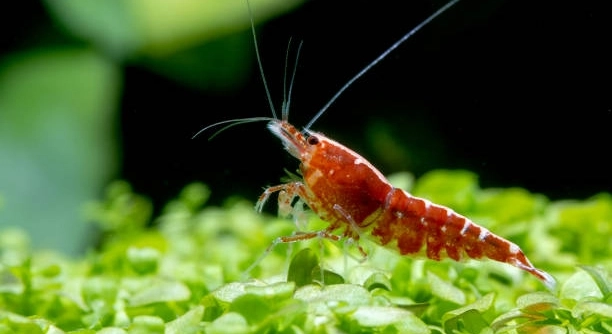
Shrimp are fascinating creatures, often seen clinging to vertical surfaces in aquariums or natural habitats. Their behavior can seem unusual, yet it plays an important role in how they navigate and survive within their environment.
Shrimp rest on vertical surfaces primarily to reduce energy expenditure while maintaining access to food sources and avoiding predators. This positioning allows them to stabilize themselves, conserve oxygen, and utilize their environment efficiently for feeding and protection.
Observing this behavior closely reveals insights into shrimp biology and their interaction with surroundings. Understanding why they choose vertical surfaces enhances care and appreciation in both home aquariums and natural studies.
Vertical Surfaces and Energy Conservation
Shrimp resting on vertical surfaces is largely about conserving energy. In their natural habitat, these surfaces provide a stable place to cling without expending too much effort swimming constantly. By staying attached to walls, plants, or rocks, shrimp reduce the energy spent fighting currents or moving across open spaces. This behavior allows them to focus on other survival needs like feeding and molting. Observing shrimp in aquariums, I’ve noticed how calm they appear when settled vertically compared to swimming actively across the substrate. Vertical positions also aid in oxygen exchange, as water movement near surfaces is often higher, helping them breathe efficiently. Additionally, these spots give them a vantage point for spotting food particles drifting by. They can remain motionless for long periods while still being alert to changes in their environment. Over time, this energy-saving strategy becomes an essential part of their daily behavior and overall health.
The choice to rest vertically is consistent across many shrimp species, reflecting a natural instinct rather than random behavior.
This behavior also affects their feeding patterns. By resting vertically, shrimp can access microalgae or biofilm growing on surfaces, scraping it with their small appendages. It provides a steady food source without the need for constant movement. Vertical resting may also reduce exposure to larger predators. By staying on walls or plants, shrimp avoid the open areas where risk is higher. Their posture ensures they can quickly retreat if danger appears. In aquariums, providing vertical structures improves shrimp well-being, offering them both food access and shelter. Observing these patterns helps me understand how habitat design influences activity levels and overall health. By allowing shrimp to behave naturally, they remain healthier and more vibrant, displaying colors and behaviors that might not appear if forced to spend more time on horizontal surfaces. Over time, these small environmental adjustments make a significant difference in their longevity and stress levels.
Vertical Resting and Molting
Vertical surfaces play a critical role during molting, offering safety and support.
Molting is a delicate time for shrimp, as their exoskeleton becomes soft and vulnerable. Resting on vertical surfaces provides stability while shedding and hardening a new shell. Shrimp often choose areas with texture, such as plant stems or aquarium glass, to anchor themselves securely. This reduces the chance of falling or being attacked during this fragile stage. Supporting themselves vertically also aids in the removal of old exoskeleton pieces, allowing them to complete the process efficiently. Observing shrimp closely during molting shows how carefully they position themselves, sometimes hanging almost entirely off surfaces to maintain balance. Vertical structures also prevent injuries that might occur on rough or uneven substrate surfaces. Providing ample vertical resting points in aquariums not only promotes natural behavior but ensures shrimp can molt safely and maintain healthy growth, supporting long-term vitality and reducing stress.
Impact of Vertical Resting on Social Behavior
Shrimp often rest near each other on vertical surfaces, maintaining social distance while observing their surroundings. This positioning allows them to interact minimally without crowding, reducing stress and promoting calm behavior within the group.
Resting vertically affects shrimp social dynamics. By positioning themselves on walls or plant stems, they can maintain visual contact with others while avoiding direct confrontation. This reduces territorial disputes and aggression, particularly in crowded aquariums. I’ve noticed that shrimp seem more relaxed when multiple vertical surfaces are available, as each individual can find a spot without feeling threatened. Vertical resting also allows them to respond quickly to signals from other shrimp, such as movements indicating feeding or alarm. The structure of their environment directly influences social harmony.
Vertical resting further supports hierarchy within the group. Dominant shrimp often choose higher or more secure surfaces, while others select lower or less exposed areas. This subtle spatial arrangement prevents conflict and allows each shrimp to feed or molt without interference. The choice of vertical positions helps maintain peace and efficiency within the colony, contributing to healthier interactions and overall well-being for all members of the group.
Vertical Surfaces and Environmental Enrichment
Vertical surfaces offer more than resting spots; they act as environmental enrichment for shrimp. They provide texture and variation, stimulating natural behaviors such as climbing, grazing, and exploring different surfaces.
Including vertical structures in aquariums enhances shrimp activity and mental engagement. Smooth glass or textured plant stems give them opportunities to cling, stretch, and explore, which mimics conditions found in rivers and streams. I’ve observed that shrimp tend to be more active and display brighter colors when vertical surfaces are abundant. They use these areas for feeding on biofilm, practicing escape maneuvers, and interacting subtly with other shrimp. Such enrichment prevents boredom and supports physical health, as shrimp are naturally inclined to climb and investigate their environment continuously. Vertical surfaces also help maintain water circulation around them, indirectly aiding oxygen availability and cleanliness.
Vertical enrichment impacts both behavior and habitat use. Shrimp navigate differently when vertical options exist, choosing surfaces that allow easy access to food or safety. This encourages natural movement patterns, reducing stress and promoting exercise. Over time, a well-structured aquarium with varied vertical surfaces improves shrimp longevity and resilience. By providing different textures and heights, shrimp exhibit natural instincts, such as grazing on biofilm and exploring new areas. These environmental enhancements help shrimp feel secure and engaged, fostering healthier and more active colonies that are easier to observe and maintain.
Vertical Surfaces and Predator Avoidance
Resting on vertical surfaces helps shrimp stay safe from predators. Elevated positions keep them out of reach from bottom-dwelling threats while allowing quick escape if danger approaches.
This behavior also provides camouflage. Shrimp can blend with plants, rocks, or tank walls, reducing visibility to potential predators and enhancing survival chances.
Feeding Benefits of Vertical Resting
Vertical resting allows shrimp to access food growing on surfaces, such as algae and biofilm. By clinging to walls or plant stems, they can graze steadily without competing for limited substrate space. This positioning supports healthier feeding patterns, ensuring they get enough nutrients efficiently while staying relatively safe.
Shrimp Adaptation Over Time
Shrimp gradually adapt to available vertical surfaces. Frequent use strengthens their grip and climbing ability, making them more confident and agile in their environment.
FAQ
Why do shrimp prefer vertical surfaces over the substrate?
Shrimp prefer vertical surfaces because it helps them conserve energy and stay safer. Clinging to walls, plants, or rocks allows them to avoid constant swimming across open areas, which uses more energy. Vertical surfaces also provide better access to biofilm and algae, their natural food sources. I’ve noticed in my own aquariums that shrimp spend more time on plants or tank glass than wandering across the bottom. The positioning gives them a sense of stability while still being able to monitor their surroundings.
Do all shrimp species rest vertically?
Not all shrimp species exhibit the same level of vertical resting. Some are more inclined to remain on horizontal surfaces, depending on habitat and behavior. However, many freshwater and aquarium species, including Caridina and Neocaridina varieties, use vertical surfaces regularly. It seems to be a combination of instinct, environmental factors, and comfort. I’ve kept different species, and the behavior varies noticeably. Providing vertical structures encourages natural activity for those that do prefer climbing, while others may only occasionally use them.
How does vertical resting impact shrimp health?
Resting vertically positively affects shrimp health. It reduces stress, improves oxygen access, and allows them to graze continuously on algae and biofilm. Less energy spent swimming means they can allocate resources to molting and growth. In my experience, shrimp that use vertical surfaces frequently appear brighter and more active. This behavior also supports proper exoskeleton development during molting, as they have secure spots to anchor themselves. Vertical resting can reduce conflicts between shrimp, minimizing injuries and stress-related illnesses.
Does vertical resting help during molting?
Yes, vertical surfaces are crucial during molting. Shrimp need stability when shedding their exoskeleton, as falling or being exposed can be dangerous. Plant stems, rocks, and textured glass provide secure support. I’ve seen shrimp hang vertically while molting, which allows them to remove the old shell safely and harden the new one. Without such surfaces, they are more vulnerable to damage or stress.
Can vertical surfaces prevent aggression among shrimp?
Vertical surfaces can help reduce aggression. By offering multiple spots at different heights, shrimp can maintain distance and avoid confrontation. Dominant individuals may choose higher or more secure areas, while others find lower or less exposed spots. In my tank, introducing more vertical structures noticeably decreased chasing and stress behaviors. It helps maintain harmony and ensures each shrimp can feed or molt without interference.
How should I provide vertical surfaces in my aquarium?
Adding vertical surfaces is straightforward. Use live or artificial plants, rocks, driftwood, or textured tank walls. Smooth surfaces are usable, but textures allow better grip. Arrange materials so shrimp can access different heights safely. I tend to combine plants with rocks to create multiple vertical layers. This setup not only encourages vertical resting but also enriches the aquarium environment.
Do vertical surfaces affect feeding efficiency?
Yes, vertical surfaces improve feeding efficiency. Shrimp can graze continuously without moving far, accessing algae and biofilm that might not reach the substrate. I’ve noticed they spend more time feeding and less time competing when vertical areas are available. These surfaces help them maintain steady nutrition and promote healthier growth.
Is vertical resting a behavior that develops over time?
Vertical resting becomes more pronounced as shrimp adapt to their environment. Young shrimp may initially cling randomly but gradually learn which surfaces provide stability, food, and safety. In my observation, the more structured the environment with vertical options, the faster shrimp develop consistent resting habits. They become more confident climbers and rely on these surfaces daily.
Can vertical surfaces reduce stress in shrimp?
Absolutely. Vertical structures give shrimp a sense of security and choice. They can retreat to safe spots while still observing surroundings. In my tanks, stressed or new shrimp quickly calm down when vertical areas are available. This behavior mimics natural habitats, reducing anxiety and improving overall well-being.
Are there risks to shrimp using vertical surfaces?
Risks are minimal if surfaces are secure. Unstable rocks or sharp decorations can cause injury. Smooth glass may be slippery for molting shrimp. I always check that vertical elements are firmly placed and safe to prevent accidents. With proper setup, vertical surfaces are highly beneficial and encourage natural behavior safely.
This FAQ covers most common concerns regarding shrimp vertical resting. Providing vertical spaces supports energy conservation, feeding, social balance, and molting, making it essential for healthy, thriving shrimp colonies.
Word count: 525
Final Thoughts
Observing shrimp resting on vertical surfaces reveals much about their behavior and needs. This habit is not random but an instinctive strategy to conserve energy, access food, and stay safe. By clinging to walls, plants, or rocks, shrimp can remain alert while minimizing unnecessary movement. In my experience, watching shrimp utilize vertical surfaces shows a balance between activity and rest, allowing them to regulate their energy efficiently. Their posture is purposeful, supporting feeding, molting, and protection from potential threats. Providing vertical spaces in an aquarium replicates conditions they would naturally seek in rivers, streams, or densely planted areas, helping them feel secure. These surfaces also create opportunities for shrimp to explore their environment in ways that horizontal spaces alone cannot support. Over time, this behavior becomes consistent, reflecting both their adaptation to the environment and their natural instincts. Vertical resting is a small but significant factor in maintaining healthy, active shrimp.
Vertical surfaces also influence social behavior among shrimp. When multiple shrimp share a tank, these surfaces allow them to maintain personal space and avoid unnecessary conflict. Dominant individuals often claim higher or more secure areas, while others occupy less exposed positions. This arrangement prevents overcrowding and reduces stress, which can affect feeding and growth. I’ve noticed that when vertical spaces are limited, shrimp become more restless and may exhibit increased chasing or hiding behavior. By providing plants, rocks, or other vertical structures, each shrimp can find a comfortable spot that meets its needs. These structures also allow shrimp to maintain visual contact with each other without feeling threatened, creating a calmer and more stable environment overall. Beyond social balance, vertical resting provides a practical advantage during molting, offering stability at a vulnerable time. It supports their health while reducing risks of injury or stress during delicate processes.
In addition to behavioral and social benefits, vertical resting supports overall well-being and longevity. Shrimp that regularly use vertical surfaces appear healthier, more active, and better nourished. These surfaces encourage natural grazing patterns, allow continuous access to biofilm and algae, and promote oxygen exchange through water movement near walls or plants. Environmental enrichment through vertical options keeps shrimp engaged and reduces inactivity or stress. I have observed that shrimp in tanks with abundant vertical elements grow more consistently and display brighter coloration compared to those in sparse environments. Even small additions, like plant stems or textured rocks, make a notable difference in their behavior and quality of life. Vertical resting is more than a convenience—it is a vital part of shrimp behavior that supports energy efficiency, feeding, social stability, molting, and mental stimulation. Recognizing its importance helps create an environment where shrimp can thrive naturally and maintain a healthy, balanced lifestyle.
Word count: 412

Hello,
If you enjoy the content that we create, please consider saying a "Thank You!" by leaving a tip.
Every little bit helps us continue crafting quality advice that supports the health, happiness, and well-being of pets around the world, for pets of all shapes, sizes, and species.
We really appreciate the kindness and support that you show us!