
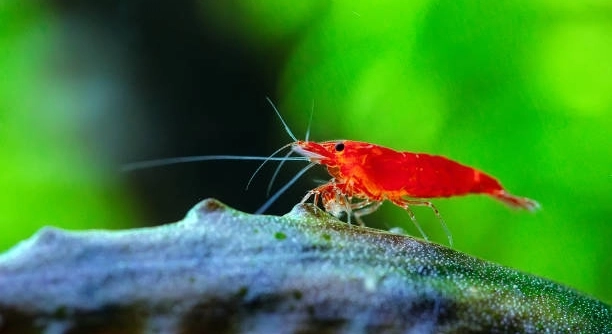
Cherry shrimp are small, colorful freshwater creatures often kept in home aquariums. Observing their behavior can be fascinating, as they respond to changes in their environment and exhibit unique feeding habits that catch the attention of hobbyists.
Research indicates that cherry shrimp can associate certain sounds with feeding times. Repeated exposure to consistent feeding noises allows them to anticipate food, demonstrating a conditioned response. This behavior suggests that auditory cues play a role in their foraging activities and routine.
Understanding how these tiny shrimp respond to feeding sounds can enhance aquarium care and improve their overall well-being, providing a more engaging and natural environment for them.
How Cherry Shrimp Learn Feeding Sounds
Cherry shrimp show an interesting ability to learn and respond to sounds associated with feeding. When exposed to repeated noises like the rustling of food or tapping on the tank, they begin to anticipate mealtime. Over several days, their behavior changes noticeably. They gather near the area where food is usually placed, moving more actively and staying alert. This behavior demonstrates that they can form simple associations between auditory cues and a positive outcome. Observing them, you notice a pattern: a slight change in noise triggers movement toward food even before it arrives. The shrimp’s small size and delicate nature make this learning subtle, but with attention, it becomes clear. By recognizing this pattern, caretakers can better understand shrimp behavior. It also suggests that cherry shrimp have more complex sensory abilities than often assumed, responding not just to sight or touch but also to sound cues in their environment.
Repeated exposure to the same feeding sounds strengthens this learned behavior. They gradually anticipate food more accurately.
Watching cherry shrimp respond to feeding sounds can be surprisingly engaging. Their reactions reveal adaptability and a level of cognitive function that makes caring for them more interactive. Adjusting feeding routines to consistent sounds can reduce stress and help maintain a predictable environment, promoting healthier, more active shrimp. Observing these responses over time highlights the importance of routine in their daily life. Caretakers may find it rewarding to note subtle differences in behavior, indicating when shrimp recognize cues and when they do not. These patterns also suggest that even small aquatic animals can form memories and associations, which can influence their feeding habits. The ability to respond to auditory stimuli demonstrates the shrimp’s capacity for learning and environmental adaptation, offering insight into their overall welfare and comfort in the aquarium setting. By incorporating consistent auditory signals, you can encourage a more natural and engaging environment that supports the shrimp’s health and responsiveness.
Signs That Shrimp Recognize Feeding Sounds
Cherry shrimp often gather near feeding areas when familiar noises occur, moving with more alertness and anticipation. Their reactions are consistent across multiple feeding sessions, showing recognition of auditory cues.
Noticing these signs requires careful observation. The shrimp may swim toward the noise source, pause expectantly, or exhibit heightened activity near the substrate. Over time, these responses become more predictable. By observing such behaviors, caretakers can adjust feeding methods and tank management to support shrimp well-being. Consistency in feeding sounds helps reinforce the association, creating a routine that reduces stress. It also provides a subtle form of enrichment, keeping the shrimp engaged with their environment. Regular observation allows you to track behavioral changes, indicating how well the shrimp have learned to recognize the cues and how effectively they respond to their environment. This knowledge enhances overall care and ensures the shrimp remain active and healthy in a predictable, comfortable setting.
Feeding Routine and Sound Consistency
Maintaining a consistent feeding routine helps cherry shrimp recognize and respond to specific sounds. Repeating the same noise at regular times strengthens their association between sound and food, making their behavior more predictable. Consistency reduces stress and encourages active foraging.
Regular feeding sounds allow cherry shrimp to anticipate food more reliably. Over time, they learn to move toward the source of the noise before food is even visible. This conditioning highlights their ability to form associations and remember patterns in their environment. By establishing a consistent routine, shrimp become more active and responsive, which improves their overall health and reduces unexpected behaviors. Predictable feeding cues also make it easier to monitor their well-being and observe natural behavior in the tank.
The type of sound and its repetition play a key role in conditioning cherry shrimp. Gentle tapping, light rustling, or the specific sound of food hitting the substrate becomes a recognizable signal. Consistency in tone, volume, and timing ensures that shrimp can associate it with feeding events. Irregular or abrupt sounds may confuse them, reducing their responsiveness and increasing stress. By maintaining predictable auditory cues, shrimp adapt faster, showing anticipation and alertness during feeding. This predictable behavior also helps in assessing the health of each shrimp, as changes in responsiveness can indicate stress or illness.
Environmental Factors Affecting Sound Recognition
Water quality, tank size, and decorations influence how cherry shrimp perceive feeding sounds. Clear, well-maintained water transmits sound better, while clutter or poor conditions can muffle cues and affect recognition.
Tank setup affects auditory learning and responsiveness. A heavily decorated tank may create sound distortions or block the shrimp’s line of movement toward the food. Maintaining proper water parameters ensures that shrimp remain healthy and capable of responding to cues. Temperature, pH, and filtration influence their activity levels and sensitivity to stimuli. Noise levels from external sources can also interfere with their recognition of feeding sounds. By managing environmental factors, caretakers improve the shrimp’s ability to detect cues consistently. A well-organized, calm tank supports natural behavior, allowing shrimp to learn and anticipate feeding events effectively.
Impact of Feeding Frequency
Frequent, predictable feedings strengthen the shrimp’s recognition of auditory cues. When meals occur at consistent times, they become more responsive and alert to sounds associated with food.
Irregular feeding schedules can confuse cherry shrimp, reducing their ability to anticipate food. Predictability improves learning and encourages active, healthy behavior.
Observing Behavioral Changes
Cherry shrimp may show small but noticeable changes when recognizing feeding sounds. They often gather near the source of the noise and move more actively, signaling anticipation.
Adjusting Feeding Sounds
Altering the type or volume of feeding noises can affect shrimp response. Gentle, consistent sounds work best to maintain recognition and reduce stress.
FAQ
Can cherry shrimp hear like other animals?
Cherry shrimp do not have ears like mammals, but they can detect vibrations in water. These vibrations are perceived through sensory hairs and specialized cells on their bodies. This allows them to respond to changes in their environment, including movements and sounds associated with feeding.
How quickly do cherry shrimp learn feeding sounds?
Learning speed varies depending on consistency and repetition. When exposed to the same feeding noise at regular intervals, shrimp can begin responding within a few days. The more predictable the schedule, the faster they associate the sound with food.
Do all cherry shrimp respond to feeding sounds the same way?
No, individual shrimp may react differently. Factors such as age, health, and personality can influence their responsiveness. Some shrimp may move immediately toward the sound, while others may be slower or more cautious.
What type of sound is most effective for feeding recognition?
Gentle tapping, rustling, or the sound of food hitting the substrate works best. Loud or abrupt noises can startle shrimp and reduce their responsiveness. Consistency in tone and volume is key to reinforcing learning.
Can environmental factors affect sound recognition?
Yes, water quality, temperature, tank size, and decorations all influence how shrimp perceive feeding sounds. Clear water and minimal obstructions allow vibrations to transmit effectively, while cluttered or noisy tanks can interfere with recognition.
Does feeding sound recognition improve shrimp health?
Indirectly, yes. Recognizing feeding cues reduces stress and promotes natural foraging behavior. Active shrimp tend to be healthier, with better growth and coloration. Predictable feeding routines also allow caretakers to monitor eating habits and identify potential health issues early.
Can shrimp forget feeding sounds?
Shrimp can lose recognition if feeding becomes irregular or sounds change frequently. Consistent exposure is needed to maintain learned behavior. If sounds are inconsistent, shrimp may stop responding or become less alert during feeding times.
Is it possible to train shrimp to respond to new sounds?
Yes, shrimp can learn new auditory cues if these are introduced consistently. Gradually pairing a new sound with feeding allows shrimp to form a new association, similar to how they respond to familiar feeding noises.
Do feeding sounds affect shrimp social behavior?
Feeding sounds can influence group activity. When one shrimp responds to a feeding cue, others may follow, creating a synchronized reaction. This collective behavior reflects their social nature and helps maintain a balanced, active aquarium environment.
How can caretakers use sound recognition in daily care?
Using consistent feeding sounds can make feeding more efficient and reduce stress. It also allows observation of shrimp behavior, helping identify any changes in activity or appetite that may indicate health issues. Gradual adjustments to sounds or routines can optimize shrimp well-being.
Are there risks associated with using sounds for feeding cues?
If sounds are too loud, abrupt, or inconsistent, shrimp may become stressed or confused. Maintaining gentle, predictable cues ensures learning occurs without negative effects, supporting a calm and healthy tank environment.
Can shrimp distinguish between different feeding sounds?
Yes, they can learn to associate specific sounds with different food types. Over time, shrimp may respond more quickly to certain noises, indicating recognition and anticipation of their preferred food.
Do shrimp respond to sounds from outside the tank?
Shrimp are sensitive to vibrations, so nearby noises can have an effect. However, consistent, close-range feeding sounds are more effective for training and recognition, as distant or irregular noises may not create a strong association.
How long should shrimp be exposed to feeding sounds each day?
Exposure should coincide with feeding times only. Brief, consistent sounds during meals are sufficient. Overexposure or unnecessary noise can cause stress and reduce the effectiveness of learning.
Can feeding sounds replace visual cues for shrimp?
Feeding sounds complement visual cues but cannot fully replace them. Shrimp rely on multiple senses, including sight and touch, to locate food. Sounds primarily help them anticipate feeding and increase alertness.
Does age affect shrimp’s ability to learn sounds?
Younger shrimp may be more active and responsive, learning faster than older shrimp. However, all healthy shrimp can form associations with feeding sounds, though the pace and strength of learning may differ.
Can feeding sounds improve tank harmony?
Yes, predictable cues reduce sudden movements and stress in the tank. Shrimp gather calmly, feeding efficiently and reducing conflicts over food. This improves overall activity and maintains a more stable, harmonious environment.
Should different species respond to the same feeding sounds similarly?
Responses vary by species. While cherry shrimp are sensitive to vibrations and sounds, other shrimp or tank inhabitants may have different sensory thresholds. Observing each species individually helps identify which cues work best for them.
Can shrimp stop responding if feeding sound is used too often?
Overuse or inconsistent association can diminish response. To maintain effectiveness, use sounds only during actual feeding times and keep them consistent in tone and timing.
What is the best way to start introducing feeding sounds?
Begin with a gentle, repeatable noise immediately before adding food. Maintain this pattern for several days to establish a clear connection. Once shrimp consistently respond, continue using the sound as a reliable feeding cue.
Are there signs that shrimp have learned a feeding sound?
Yes, they gather near the food source, increase activity, and show alertness when the sound occurs. These behaviors indicate anticipation and recognition, confirming that the shrimp have associated the noise with feeding.
Can other tank animals interfere with sound recognition?
Yes, larger or more active tank mates can create vibrations that mask feeding sounds. Providing a calm environment and minimizing external interference helps shrimp learn and respond effectively.
Does tank location matter for sound learning?
A quiet, stable location improves sound transmission and reduces distractions. Avoid placing the tank near loud appliances or heavy foot traffic to maintain predictable cues for shrimp.
Can feeding sound recognition be used for multiple meals per day?
Yes, but each meal should have consistent sound cues. Multiple predictable feedings enhance learning and maintain active, alert behavior without causing stress or confusion.
How long does the effect of sound recognition last?
If the routine is maintained, shrimp can remember the association indefinitely. Inconsistent feeding or changing cues can weaken recognition, but consistent practice reinforces learning over time.
Is it possible to retrain shrimp if they forget a sound?
Yes, reintroducing the sound consistently with feeding helps shrimp regain recognition. Patience and repetition are key to reestablishing learned behavior.
Do shrimp react differently to live food versus dry food sounds?
They may respond differently depending on texture and noise. Live or sinking foods produce distinct vibrations that shrimp can learn to recognize separately, forming specific associations with each type of food.
Can stress affect learning feeding sounds?
Yes, stressed or unhealthy shrimp may be less responsive. Ensuring proper water quality, temperature, and minimal disturbances supports learning and maintains consistent behavioral responses.
Do feeding sounds influence shrimp growth?
Indirectly, yes. Anticipation and timely feeding encourage regular intake, which supports growth, coloration, and overall vitality. Predictable cues help maintain healthy feeding habits and reduce missed meals.
Are there long-term benefits of using feeding sounds?
Consistent feeding sounds create a predictable, calm environment that reduces stress, encourages natural behavior, and allows caretakers to monitor health and activity. Over time, shrimp become more active, responsive, and easier to care for.
Can feeding sounds replace hand-feeding cues?
Sounds can complement hand-feeding but do not fully replace direct observation. Visual confirmation of shrimp eating ensures proper intake and allows monitoring of health.
Is there a risk of overstimulation from feeding sounds?
Overly frequent or loud noises can cause stress. Limiting sounds to actual feeding times and keeping them gentle ensures shrimp remain calm and responsive.
Do shrimp respond immediately to feeding sounds?
Responses may be immediate or gradual, depending on learning, individual behavior, and environmental factors. Consistency in cues improves the speed and reliability of their reaction.
Can sound recognition help identify unhealthy shrimp?
Yes, shrimp that fail to respond to familiar feeding cues may indicate stress, illness, or environmental issues, providing a subtle early warning system for caretakers.
Are there tools to help train shrimp with feeding sounds?
Simple tools like gentle tapping implements or standardized food droppers work well. Consistency and careful observation are more important than sophisticated equipment for effective training.
Do shrimp require visual cues along with sounds?
Visual cues enhance feeding efficiency, but sound alone can trigger anticipation. Combining cues improves recognition and ensures all shrimp benefit from predictable feeding signals.
How important is patience in training shrimp to feeding sounds?
Patience is essential. Shrimp learn gradually, and consistent repetition over days or weeks is necessary. Rushing the process or changing cues too quickly can reduce effectiveness.
Can multiple feeding sounds be used in the same tank?
Yes, different sounds can signal different foods, but each must be consistent to avoid confusion. Gradually introducing new sounds ensures shrimp can distinguish and respond appropriately.
Does water temperature affect shrimp response to feeding sounds?
Yes, activity levels vary with temperature. Warmer, stable conditions encourage responsiveness, while sudden changes may reduce activity and delay reactions to feeding cues.
Are juvenile shrimp as responsive as adults to feeding sounds?
Juveniles may react more quickly due to higher activity, but both age groups can learn associations. Observing patterns helps determine effective cues for all shrimp.
Can feeding sound recognition reduce aggressive behavior?
Yes, predictable feeding reduces competition and sudden movements, promoting calmer interactions and less stress among shrimp in the tank.
Is repetition more important than volume for feeding sounds?
Repetition is key. Gentle, consistent sounds are more effective than loud noises, ensuring shrimp associate the cue with food without causing stress.
Do shrimp respond to human voices or tapping on the glass?
Yes, vibrations from voices or tapping can be perceived. However, consistent, gentle feeding-specific sounds are more effective for learning and recognition.
Can feeding sound recognition be applied in community tanks?
Yes, but responses may vary by species. Observing interactions ensures cues benefit shrimp without disturbing other tank inhabitants.
How long should caretakers continue using the same feeding sound?
Consistency is important. Maintaining the same sound for months reinforces recognition, creating predictable and stress-free feeding experiences.
Are there signs that shrimp do not respond to feeding sounds?
Shrimp that ignore cues, show lethargy, or fail to gather near food may indicate stress, illness, or ineffective sound cues, signaling a need to reassess routine and environment.
Do feeding sounds influence shrimp foraging behavior outside feeding times?
Yes, shrimp may explore or investigate areas associated with previous feeding sounds, demonstrating anticipation and learned environmental awareness.
Can feeding sounds reduce food waste?
By encouraging shrimp to respond promptly, feeding sounds help ensure food is consumed efficiently, minimizing leftovers and maintaining water quality.
Are some shrimp more sensitive to sound than others?
Individual sensitivity varies. Some shrimp respond immediately, while others may need repeated exposure. Observing patterns helps tailor cues for optimal effectiveness.
Is it possible to condition shrimp to respond to multiple cues simultaneously?
Yes, pairing sound with visual or tactile cues strengthens learning. Over time, shrimp respond reliably to the combination, enhancing feeding efficiency and environmental engagement.
Does tank size affect feeding sound recognition?
Larger tanks may require slightly louder or more distinct cues to ensure vibrations reach all shrimp. Adjusting sound appropriately ensures consistent recognition across the tank.
How does stress affect shrimp memory of feeding sounds?
High stress or poor health can reduce responsiveness. Maintaining stable water conditions and minimizing disturbances supports memory retention and consistent behavioral response.
Are feeding sounds beneficial for breeding shrimp?
Yes, predictable feeding encourages activity and energy levels, which can support reproductive behavior. Recognizable cues reduce stress and promote overall health, indirectly benefiting breeding success.
Can shrimp differentiate between short and long feeding sounds?
Yes, they can learn to associate specific durations with food delivery. Consistency in length and pattern improves recognition and anticipatory behavior.
Do shrimp respond differently to sounds at different times of day?
Responses may vary with activity cycles. Feeding cues during peak activity periods are most effective, while late or off-cycle cues may elicit slower reactions.
Can feeding sound recognition improve observation of shrimp behavior?
Yes, predictable responses make it easier to monitor activity, health, and social interactions, providing valuable insight into shrimp well-being.
Do shrimp show excitement when feeding sounds are used consistently?
They may display increased activity, alertness, and movement toward food, signaling anticipation and recognition of the auditory cue.
Is it necessary to pair feeding sounds with food every time?
Yes, pairing ensures the association is reinforced. Occasional omission can weaken recognition, while consistent pairing strengthens learning and response.
Can feeding sounds be used with automated feeders?
Yes, pairing sound cues with automatic feeding helps shrimp anticipate food even without direct human interaction, supporting consistent routines.
Do shrimp respond differently to food quantity in relation to sound?
They may adjust activity based on previous experiences with portion size, anticipating more or less food depending on past feeding events associated with the sound.
Are some shrimp species better at recognizing sounds than others?
Yes, cherry shrimp are particularly sensitive to vibrations, but responsiveness varies among species. Observing individual species’ behavior helps identify effective cues.
Does light level affect response to feeding sounds?
Low light may reduce visual cues, making sound recognition more important. Bright, stable lighting helps shrimp coordinate responses to both visual and auditory stimuli.
Can feeding sounds help with selective feeding?
Yes, shrimp can be conditioned to respond more to certain sounds linked with preferred foods, allowing targeted feeding and better control over diet.
Are there any long-term drawbacks to using feeding sounds?
When used appropriately, there are no major drawbacks. Overuse, loudness, or inconsistency can cause stress, but careful management ensures benefits without negative effects.
Do shrimp respond faster to repeated exposure over weeks?
Yes, repeated exposure strengthens learning. Over several weeks, shrimp respond more quickly and consistently, showing clear recognition and anticipation of feeding cues.
Can feeding sound recognition support observation of growth?
Yes, active, responsive shrimp indicate good health, feeding efficiency, and growth. Tracking their reactions provides insight into development over time.
Does tank decoration placement affect response to sounds?
Yes, objects can block vibrations or alter propagation. Proper placement ensures shrimp can perceive cues and respond effectively throughout the tank.
Can feeding sounds be combined with other enrichment methods?
Yes, pairing sound cues with environmental enrichment like plants or hiding spots encourages natural foraging and exploration, enhancing overall well-being.
Do shrimp respond differently to sounds during molting?
Molting shrimp may be less responsive due to vulnerability and reduced activity. During this time, minimal disturbance ensures safety and stress-free recovery.
How precise should timing be for feeding sounds?
Consistency in timing is important. Feeding sounds delivered at predictable intervals strengthen learning and anticipation, while irregular timing reduces effectiveness.
Can feeding sound recognition improve overall tank management?
Yes, predictable responses simplify feeding, reduce stress, support health monitoring, and improve behavioral observation, making care more efficient and effective.
Do shrimp ever ignore feeding sounds intentionally?
Not intentionally. Ignoring cues usually indicates distraction, stress, poor health, or environmental factors interfering with recognition.
Are there signs that shrimp are overstimulated by feeding sounds?
Rapid, erratic movement, hiding, or refusal to feed may indicate overstimulation. Gentle, predictable cues prevent stress and maintain positive responses.
Can shrimp learn multiple sounds for different tasks?
Yes, with consistent exposure, shrimp can associate distinct sounds with specific feeding types or routines, demonstrating flexibility in learning and environmental adaptation.
Do feeding sounds affect nocturnal behavior?
Nocturnal shrimp may respond differently, with slower reactions or delayed movement. Timing cues with natural activity cycles ensures better recognition and responsiveness.
Are feeding sounds more effective than tapping on the tank?
Consistent, gentle sounds associated with food are more reliable. Random tapping may startle or confuse shrimp, reducing effectiveness of learned responses.
How do you know if a sound is too harsh for shrimp?
If shrimp scatter, freeze, or show avoidance, the sound may be too loud or abrupt. Softer, consistent cues work best for learning.
Does water movement interfere with feeding sound recognition?
Strong currents can mask vibrations and reduce cue effectiveness. Minimal water disturbance during feeding improves perception and response.
Can shrimp learn to respond to sound without food?
Yes, but pairing with food is essential initially. Once learned, the sound alone can trigger anticipation, though food should follow to reinforce the association.
Do shrimp respond differently to live versus powdered food sounds?
Yes, vibrations differ. Live food produces subtle movement cues, while powdered or pellet food creates distinct substrate sounds, allowing shrimp to form separate associations.
Is it better to use the same sound for all feeding types?
Consistency strengthens learning, but different sounds can be used for specific foods if introduced gradually and paired reliably with each feeding.
Can feeding sounds be used in breeding tanks?
Yes, predictable cues encourage feeding, activity, and energy, which supports reproductive behavior and maintains calm, healthy conditions.
Do shrimp recognize feeding sounds across multiple tanks?
Recognition is tank-specific. Shrimp respond to cues in the environment where they learned them. Transferring shrimp may require reestablishing associations.
How long does it take for shrimp to generalize sound recognition?
Generalization depends on consistency, repetition, and similarity of cues. Over time, shrimp respond to familiar patterns even with slight variations, demonstrating flexible learning.
Can feeding sounds help reduce aggression in mixed species tanks?
Yes, predictable cues encourage organized feeding, reducing competition and stress among tank inhabitants, including shrimp and other species.
Do shrimp show signs of excitement when recognizing feeding sounds?
Yes, they often display increased activity, swimming toward the food source, and alertness, indicating anticipation and learned behavior.
Is it necessary to maintain the same sound long-term?
Yes, maintaining a consistent sound reinforces recognition, while frequent changes can reduce response and increase stress.
Can shrimp differentiate between feeding sounds and other environmental noises?
Yes, they learn to associate specific vibrations with food, distinguishing them from unrelated movements or background tank noises.
Do all shrimp in a tank respond at the same rate?
No, individual differences exist. Age, health, and personality influence response time, but group patterns often emerge with consistent feeding cues.
Are there any health indicators linked to feeding sound response?
Reduced responsiveness or inactivity may indicate stress, illness, or poor environmental conditions, serving as an early warning sign for caretakers.
Can shrimp be conditioned to feed faster using sound cues?
Yes, consistent auditory signals can increase anticipation and activity, encouraging quicker response to food and more efficient feeding.
Does substrate type affect feeding sound recognition?
Yes, soft or uneven substrates may dampen vibrations, while hard surfaces transmit cues more effectively, influencing shrimp learning and responsiveness.
Can feeding sound recognition support observational studies?
Yes, predictable reactions allow
Cherry shrimp are small but remarkably observant creatures. Over time, it becomes clear that they respond to more than just visual cues in their environment. Sounds associated with feeding, like the gentle rustle of food or the subtle tapping of pellets on the substrate, can become a consistent signal for these shrimp. When exposed to such noises repeatedly and at regular intervals, they start to show anticipation, moving toward the area where food is usually placed. This behavior indicates that they can form associations and remember patterns, which is impressive for such tiny animals. Observing these responses not only provides insight into their behavior but also highlights the importance of consistency in their care. Predictable feeding cues create a more structured environment, reducing stress and encouraging natural activity, which is beneficial for their overall health. As caretakers, paying attention to these small behaviors helps in understanding the shrimp better and enhances the enjoyment of keeping an aquarium.
The role of environmental factors in cherry shrimp’s response to feeding sounds cannot be overlooked. Water quality, temperature, tank size, and the placement of decorations all play a part in how well they can detect vibrations. Clear water and minimal obstructions allow sounds to travel effectively, while cluttered or noisy tanks may reduce the shrimp’s ability to recognize these cues. Regular feeding times combined with consistent sounds strengthen the association and help shrimp respond more reliably. It is also important to consider individual differences among shrimp. Some are naturally more responsive, while others may take longer to learn or react. This variability means that observation and patience are essential. By maintaining stable conditions and consistent routines, caretakers can ensure that shrimp remain healthy, active, and alert.
Using feeding sounds as a part of daily care offers practical benefits. Shrimp that recognize and respond to auditory cues tend to gather near the feeding area more quickly and with less stress. This makes feeding more efficient and allows for better monitoring of their health and activity levels. Predictable cues can also help reduce competition and minor conflicts, as shrimp are less likely to scramble unpredictably for food. Over time, the repeated use of consistent sounds reinforces learning, supporting the shrimp’s cognitive abilities and providing subtle enrichment within the tank. Observing how shrimp react to these cues can reveal changes in behavior, appetite, or overall well-being, giving caretakers valuable information to adjust care as needed. Overall, incorporating feeding sounds into routine care is a simple yet effective method to enhance the shrimp’s environment and support their natural behaviors. It demonstrates that even small aquatic animals can benefit from structured, consistent interactions that promote activity, health, and a calmer tank environment.

Hello,
If you enjoy the content that we create, please consider saying a "Thank You!" by leaving a tip.
Every little bit helps us continue crafting quality advice that supports the health, happiness, and well-being of pets around the world, for pets of all shapes, sizes, and species.
We really appreciate the kindness and support that you show us!