
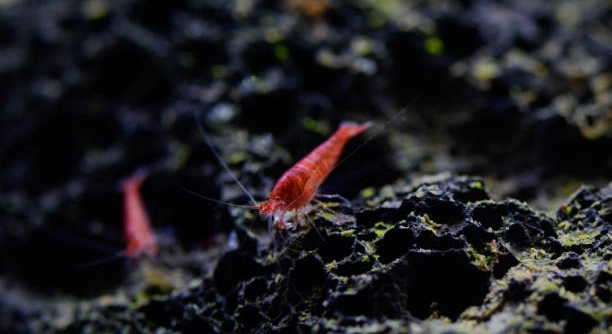
New cherry shrimp are delicate creatures that react strongly to changes in their environment. Even small missteps in care can cause stress, impacting their health and behavior. Understanding these pitfalls is essential for a thriving shrimp tank.
Stress in new cherry shrimp most often results from improper water parameters, sudden changes in temperature, overcrowding, inadequate hiding spaces, overfeeding, poor water quality, and aggressive tankmates. Addressing these issues systematically ensures healthier, more active shrimp.
Recognizing these common mistakes will help maintain a calm, balanced environment for your shrimp, promoting long-term health and peaceful tank interactions.
Overcrowding the Tank
Keeping too many cherry shrimp in a small tank creates stress that affects their health and behavior. Shrimp need space to move, hide, and establish territories. Overcrowding increases competition for food and resources, leading to aggression and even mortality. It also accelerates waste accumulation, which impacts water quality. Small tanks can become unstable, with fluctuating temperatures and chemical levels that stress the shrimp further. Observing your shrimp’s behavior can reveal if the tank is too crowded. Shy shrimp hiding constantly or appearing lethargic may be signaling stress. Regularly counting your shrimp and maintaining an appropriate ratio based on tank size helps prevent overcrowding. Adding too many plants or decorations without considering space can also reduce free swimming areas. Planning tank population carefully and monitoring growth over time ensures a healthy environment. Young shrimp are especially vulnerable, so gradual introductions are key to maintaining balance. A balanced tank keeps shrimp active, healthy, and more likely to breed successfully.
Overcrowding not only stresses shrimp but also compromises water stability, increasing the likelihood of disease outbreaks and behavioral issues.
Space management is vital for long-term tank health. Shrimp thrive when each has access to shelter, feeding areas, and open swimming space. Overcrowding can mask early signs of illness, as stressed shrimp are less likely to display normal behavior. By keeping populations manageable, you also simplify maintenance and improve water quality. Introducing new shrimp gradually and ensuring a well-planned tank setup reduces stress, promotes natural behavior, and encourages successful breeding. Observing shrimp interactions regularly allows adjustments to population density before serious problems develop. Proper spacing supports healthy molting, feeding, and overall vitality. It is also easier to detect and treat illness early. A well-balanced tank creates a calm environment where shrimp can explore, feed, and reproduce naturally. Ultimately, preventing overcrowding safeguards both the health of individual shrimp and the stability of the aquarium ecosystem as a whole.
Sudden Water Changes
Sudden shifts in water parameters shock cherry shrimp, leading to stress or death. Even small fluctuations in temperature, pH, or hardness can impact their delicate systems.
Gradual adjustments allow shrimp to acclimate safely, minimizing stress and mortality in the tank.
Consistency in water quality is critical. Cherry shrimp are sensitive to ammonia, nitrites, and nitrates, which can rise quickly if water is changed abruptly. When performing water changes, matching temperature and chemistry reduces the risk of shock. Introducing new water slowly using a drip method or acclimation procedure helps maintain stability. Sudden chemical changes, even from different tap water sources, can disturb the balance and harm shrimp. Testing water regularly ensures parameters remain within safe ranges. In addition, using conditioners to remove chlorine and chloramines protects gill health. Gradual changes promote normal feeding, molting, and activity patterns. Avoiding rapid fluctuations is particularly important after adding new shrimp or plants, as the tank ecosystem needs time to adjust. Maintaining stable conditions builds resilience, reducing stress-related illness and improving survival rates for all shrimp in the aquarium.
Overfeeding
Excess food in the tank quickly decomposes, raising ammonia and nitrate levels. Cherry shrimp may become stressed or sick if water quality deteriorates. Feeding small portions and removing uneaten food prevents this.
Feeding too much is one of the easiest mistakes to make. Shrimp often graze throughout the day, so small, frequent feedings are better than large meals. Leftover food decays, causing spikes in harmful chemicals like ammonia and nitrites. Overfeeding can also lead to obesity and slower molting. Watching how much your shrimp consume in a few hours helps gauge the right portion size. Adjusting feeding based on shrimp activity and tank population ensures food is available without compromising water quality.
It is also important to choose appropriate foods. Algae wafers, blanched vegetables, and specially formulated shrimp pellets provide necessary nutrients without overwhelming the tank. Rotating food types supports balanced growth and coloration. Avoid feeding human food scraps, which can introduce bacteria and toxins. Maintaining a feeding schedule helps prevent both starvation and overfeeding. Observing shrimp behavior during feeding shows if the portions are adequate. Consistent monitoring keeps water safe and shrimp healthy while encouraging natural foraging behaviors in the tank.
Aggressive Tankmates
Some fish or invertebrates can harass or eat cherry shrimp, causing stress or injury. Selecting peaceful tankmates reduces this risk significantly.
Aggressive tankmates often target young or molting shrimp. Even minor harassment disrupts feeding and hiding behavior, leading to stress. Keeping shrimp with calm, non-predatory species creates a stable, safe environment.
Careful tankmate selection supports shrimp health. Avoid cichlids, larger barbs, and active tetras, which may nip at shrimp or outcompete them for food. Snails and small peaceful fish generally coexist well. Observing interactions during the first few days is crucial; if shrimp show signs of constant hiding or injury, adjustments are needed. Providing dense plant cover, moss, and hiding spaces helps mitigate stress even with moderately active species. By planning tankmates and offering shelters, shrimp can explore and feed without fear, improving overall vitality and longevity in a mixed-species aquarium.
Poor Water Quality
High levels of ammonia, nitrites, or nitrates stress cherry shrimp and can be fatal. Regular testing and maintenance are essential to keep water safe and stable.
Neglecting water changes allows toxins to build up. Even small spikes in harmful chemicals affect shrimp health. Consistent monitoring prevents sudden problems and maintains a balanced tank environment.
Lack of Hiding Spots
Shrimp feel vulnerable without sufficient shelter. Plants, moss, and decorations provide safety, reducing stress and supporting natural behavior.
Rapid Temperature Fluctuations
Sudden changes in water temperature shock cherry shrimp, impacting their metabolism and molting process. Stable temperatures are critical for survival and well-being.
FAQ
Why do cherry shrimp get stressed easily?
Cherry shrimp have delicate systems that react quickly to changes in their environment. Even small shifts in water chemistry, temperature, or tank activity can affect them. Their size makes them vulnerable, and stress often appears through hiding, pale color, or decreased activity. Keeping conditions steady helps them feel safe and secure.
How can I tell if my cherry shrimp are stressed?
Signs of stress include constant hiding, sudden color fading, frantic swimming, and refusal to eat. Molting issues can also hint at poor tank conditions. When shrimp behave differently than usual, the cause is often related to water quality, tankmates, or temperature changes. Observing daily behavior helps you catch problems early.
What water parameters are best for cherry shrimp?
They thrive in clean, stable water with a pH between 6.5 and 7.8 and temperatures between 72 and 78 degrees Fahrenheit. Ammonia and nitrites should always be at zero. Nitrates must remain low through regular water changes. Stability is more important than perfect numbers.
How often should I change the water in a shrimp tank?
Small, weekly water changes work best. Replacing ten to twenty percent of the water at a time keeps conditions steady without overwhelming the shrimp. Matching the temperature and treating tap water before adding it helps prevent shock. Slow changes protect their sensitive systems.
Is it normal for shrimp to hide a lot?
Hiding is natural, especially during molting or after being introduced to a new tank. However, constant hiding may signal stress. Adding plants, moss, and shelters helps them feel safe. When they trust their environment, they balance hiding with active grazing.
Can cherry shrimp live with fish?
They can live with peaceful fish that will not chase or eat them. Small species like ember tetras, neon tetras, or peaceful rasboras usually coexist without issues. Avoid larger or aggressive fish. Watching interactions closely during the first days ensures shrimp safety.
Why do cherry shrimp die shortly after being added to a tank?
Sudden deaths often come from shock caused by differences between the store’s water and the home tank. Proper acclimation prevents this. Drip acclimation is gentle and allows them time to adjust. Stable water quality is also important to help them transition safely.
What should I feed cherry shrimp?
They enjoy algae, biofilm, quality shrimp pellets, blanched vegetables, and occasional protein-based foods. Offering small portions prevents overfeeding. Variety supports color, growth, and overall health. Removing leftovers keeps water clean and stable.
How many cherry shrimp should I keep in my tank?
A ten gallon tank can comfortably support twenty to thirty shrimp, depending on filtration and plant density. Overcrowding increases waste and stress. Starting with a smaller group and letting them breed naturally helps maintain balance.
Why do shrimp lose their color?
Color loss often comes from stress, poor diet, or unstable water conditions. A nutrient rich diet and calm surroundings support brighter coloration. Genetics also play a role, but healthy shrimp usually show stronger, clearer colors.
Do cherry shrimp need a heater?
A heater is helpful if your home has fluctuating temperatures. Stable warmth keeps their metabolism steady and prevents stress. If your room remains consistently within their preferred range, a heater may not be necessary.
How can I keep my shrimp healthy long term?
Consistent care is the key. Stable parameters, good filtration, regular water changes, and peaceful tankmates create a supportive environment. Feeding a balanced diet, offering plenty of hiding spots, and avoiding sudden changes help them thrive for many months.
Final Thoughts
Caring for cherry shrimp becomes much easier when each part of their environment is kept stable, gentle, and predictable. These small creatures depend on consistency, so every detail in the tank plays a role in how safe they feel. Water quality, temperature, feeding habits, and tankmates all influence their comfort. When any of these elements become unbalanced, the shrimp respond quickly with signs of stress. This is why observing their daily behavior is important, as it helps identify early changes that might require attention. A calm tank is created through steady routines, thoughtful adjustments, and a willingness to keep conditions simple. Over time, these habits support a healthier environment where the shrimp can behave naturally. Their active grazing, bright colors, and slow, peaceful movements show when they are well cared for and comfortable. Focusing on gradual changes and mindful maintenance ensures they remain safe and stable in their environment.
Maintaining a shrimp tank is not overly complicated, but it does require consistency and patience. Clean water, gentle filtration, and a balanced population form the foundation of a strong setup. Adding plants, moss, and hiding places helps the shrimp feel secure and reduces unnecessary stress. Feeding in small portions prevents water quality issues, while selecting peaceful tankmates keeps the shrimp free from harassment. Many problems come from sudden changes in temperature, water chemistry, or tank activity, so taking things slowly makes a noticeable difference. Testing water regularly and observing how the shrimp interact with their surroundings helps guide decisions. When small issues appear, addressing them early prevents larger problems. Even simple steps, such as matching temperatures during water changes or adjusting feeding routines, can create a more stable tank environment. These efforts show clear benefits as the shrimp become more active, display stronger coloration, and settle into predictable patterns.
Cherry shrimp thrive when their keepers focus on stability, gentle care, and steady routines. Once the basic needs of clean water, consistent parameters, appropriate feeding, and safe tankmates are met, the tank becomes a calm environment where the shrimp can grow and reproduce naturally. Their peaceful behavior and subtle movements contribute to a relaxing space that is enjoyable to maintain. Over time, the tank becomes easier to manage as good habits take shape. Observing the shrimp each day helps strengthen your understanding of their needs and behavior. With attention to detail and a commitment to steady care, the shrimp will continue to flourish, adding a quiet, graceful presence to your aquarium for a long time.

Hello,
If you enjoy the content that we create, please consider saying a "Thank You!" by leaving a tip.
Every little bit helps us continue crafting quality advice that supports the health, happiness, and well-being of pets around the world, for pets of all shapes, sizes, and species.
We really appreciate the kindness and support that you show us!