
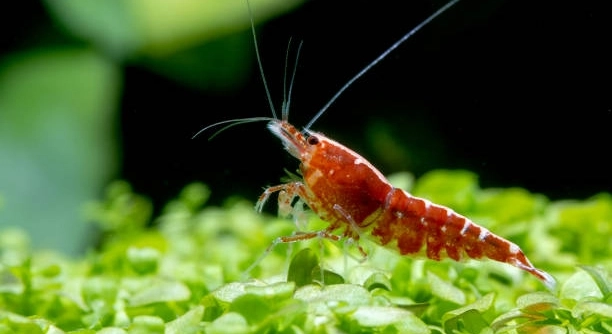
Cherry shrimp are lively additions to freshwater aquariums, often admired for their bright red color and playful movements. Watching them explore their tank is enjoyable, though they sometimes gather in unusual spots like near the heater.
Cherry shrimp often cluster on or near the heater because they are seeking warmer water. This behavior is typically a response to cooler tank temperatures, stress, or low oxygen levels. Maintaining stable conditions helps reduce this clustering behavior.
Understanding why they behave this way can help you create a healthier environment. Small adjustments in tank care can make a significant difference for their comfort and well-being.
Reasons Cherry Shrimp Gather on the Heater
Cherry shrimp are very sensitive to temperature changes. In a tank that is slightly too cold, they naturally seek out warmer areas, and the heater provides that. Stress from overcrowding, poor water quality, or sudden changes in environment can also cause them to cluster. Low oxygen levels in the tank may make shrimp look for areas where water is more comfortable, often near the heater. Even minor fluctuations in water parameters, such as pH or ammonia spikes, can influence their behavior. Observing shrimp near the heater frequently signals a need to check the tank. Adjusting the temperature gradually and ensuring proper filtration and aeration can make the tank more comfortable. Shrimp will usually spread out again once the water is stable. Taking small, consistent steps can prevent them from staying huddled and help maintain a healthier, more active tank environment.
Heaters attract shrimp mainly because of warmer, more stable water. Monitoring the tank can prevent stress.
Regular maintenance, including water changes, cleaning, and monitoring temperature, can keep shrimp comfortable. Proper placement of the heater and adding gentle water movement help distribute warmth evenly.
How to Encourage Balanced Tank Behavior
Ensuring water quality is stable helps shrimp explore the whole tank freely.
Checking water parameters, adding plants, and improving circulation encourages shrimp to move away from the heater. Avoid sudden temperature changes, and make sure the tank is not overcrowded. Spreading food evenly and providing hiding spots can reduce clustering. Keeping the heater at a steady, appropriate temperature while maintaining aeration will make shrimp feel safe in other areas. By observing patterns and gradually adjusting conditions, you can support more natural behavior. A well-maintained tank allows shrimp to display their color and activity fully, improving both their health and the visual appeal of the aquarium. Consistency in temperature and environment is key. Over time, shrimp will explore more, reducing stress and making the tank easier to care for overall. Monitoring their habits regularly ensures that small issues are addressed before they become bigger problems.
Adjusting Tank Temperature
Keeping the tank temperature steady prevents shrimp from gathering on the heater. Sudden changes can stress them, so a consistent range is key.
Using a reliable heater and thermometer helps maintain stability. Gradually adjusting the temperature rather than making sudden jumps ensures shrimp adapt comfortably. Avoid placing the heater where water flow is weak, as this can create hot spots. Observing shrimp behavior after changes gives clues about comfort levels. A stable environment encourages natural movement and feeding habits. Proper placement and monitoring also prevent overheating, which can be harmful. Small adjustments over time are more effective than drastic changes. Consistency is the most important factor in reducing clustering.
Gradual heating avoids shocking shrimp and helps them spread evenly. Even small, consistent changes improve overall tank comfort. Monitoring water carefully ensures long-term stability and promotes healthy behavior. Proper equipment and careful attention make a noticeable difference in shrimp activity and health.
Improving Water Quality
Regular water changes prevent ammonia and nitrate buildup, keeping shrimp healthy. Clean water reduces stress and promotes even tank distribution.
Filtering properly and checking water chemistry regularly are essential. Uneven or poor-quality water can make shrimp stay near warmer zones. Plants and gentle aeration help oxygen levels remain steady, improving comfort throughout the tank. Removing uneaten food prevents decay and toxins that can concentrate in certain areas. Observing water clarity, smell, and testing parameters gives a clear picture of overall quality. Adjustments like partial water changes and filtration checks ensure shrimp stay active. Well-maintained water encourages natural feeding, movement, and color expression. This approach prevents clustering near the heater caused by low-quality water or stagnant zones.
Maintaining consistent quality reduces stress and keeps shrimp active. Attention to filtration, aeration, and regular testing ensures the tank environment remains healthy. Even small improvements lead to noticeable behavior changes.
Proper Heater Placement
Placing the heater where water flow is even helps distribute warmth throughout the tank. Shrimp are less likely to crowd one area when heat spreads consistently.
Avoid hiding the heater behind decorations or in corners. Exposed, well-placed heaters keep water temperature uniform and reduce stress for shrimp.
Feeding and Behavior
Uneven feeding can cause shrimp to gather near the heater if food accumulates there. Spreading food evenly encourages movement and exploration. Feeding smaller amounts multiple times a day helps prevent leftovers from decomposing and affecting water quality. Observing shrimp during feeding gives insight into their activity levels. Properly timed feeding supports healthy growth, color, and reduces clustering caused by stress or temperature differences. By adjusting feeding habits, shrimp naturally spread out and interact more with their environment, promoting a more balanced and lively tank atmosphere.
Observing Shrimp Patterns
Regularly watching shrimp helps identify unusual behavior. This allows early intervention and improves overall tank health.
FAQ
Why are my cherry shrimp always on the heater?
Shrimp tend to stay near the heater when the tank water is cooler than their comfort zone. They are cold-blooded, so warmer water helps them stay active and healthy. Stress from poor water quality, low oxygen, or overcrowding can also make them gather in warmer areas. Monitoring temperature and water conditions usually resolves this behavior.
Is it harmful if they stay on the heater?
Being near the heater itself is not dangerous as long as the water isn’t too hot. However, clustering can signal stress or poor water conditions. Over time, constant exposure to uneven temperature or low oxygen can weaken their immune system and affect molting. Ensuring steady, appropriate temperature and proper aeration keeps shrimp safe.
How can I get them to spread out?
Gradually adjusting the tank temperature, improving water flow, and providing hiding spots helps shrimp feel comfortable throughout the tank. Adding plants and decorations creates shaded areas and gentle current zones. Evenly distributing food encourages shrimp to move and explore other areas. Consistency is key, as shrimp need time to adjust.
Can low oxygen levels cause clustering on the heater?
Yes. Shrimp may gather near the heater if oxygen is unevenly distributed or if water circulation is poor. Aeration with air stones or adjusting filter flow improves oxygen levels. Plants also help maintain oxygen, giving shrimp more comfortable spaces to move away from the heater.
Does tank size matter for this behavior?
Smaller tanks can heat unevenly, making shrimp more likely to stay near the heater. Larger tanks with proper filtration and circulation reduce temperature differences, allowing shrimp to spread out naturally. Proper setup and maintenance are essential, regardless of tank size, to avoid clustering and stress.
Should I be worried about molting if they stay near the heater?
Shrimp usually molt more successfully in stable, warm water, but being overcrowded near the heater can cause stress during this vulnerable time. Ensure there are hiding spots and adequate water quality. Proper conditions help shrimp molt safely without clustering in one area.
How often should I check water parameters?
Checking water parameters weekly is ideal for maintaining a healthy environment. Temperature, pH, ammonia, nitrite, and nitrate levels should be monitored. Sudden changes or imbalances can stress shrimp and encourage clustering near warmer areas. Small, consistent adjustments help maintain comfort.
Can diet affect clustering behavior?
Yes. Uneven feeding or leftover food that accumulates near the heater can attract shrimp. Feeding small portions throughout the day and spreading food evenly encourages movement. A varied diet also supports color, molting, and overall health, reducing stress-driven clustering.
Will adding more plants help?
Adding plants provides shelter and increases oxygen levels, making shrimp feel safer away from the heater. Plants also create natural territories, encouraging movement and exploration. A well-planted tank reduces stress and promotes even distribution throughout the tank, preventing over-reliance on warmer spots.
What is the ideal temperature for cherry shrimp?
Cherry shrimp thrive in water between 72°F and 78°F (22°C to 26°C). Maintaining this range helps them stay active and reduces clustering. Small daily fluctuations are less harmful than sudden large changes. Monitoring and adjusting gradually ensures they remain comfortable and healthy.
How long does it take for shrimp to stop clustering?
Once water quality, temperature, and oxygen are stabilized, shrimp typically start exploring more within a few days to a week. Providing hiding spots, proper feeding, and gentle water flow speeds up the process. Observing their patterns daily helps gauge improvements and prevent stress-related behaviors.
Can overcrowding cause them to gather on the heater?
Yes. Too many shrimp in a tank increases competition for space and resources. Shrimp may cluster near the heater where conditions feel safer or more comfortable. Ensuring adequate space, hiding spots, and proper filtration reduces overcrowding stress and encourages natural distribution.
Do shrimp prefer certain areas of the tank besides the heater?
Shrimp naturally like hiding in plants, decorations, or near substrate. They avoid strong currents but benefit from gentle water movement. Evenly distributing these features helps balance their movement and reduces reliance on warm spots. A well-structured tank encourages activity throughout.
What signs indicate stress besides clustering?
Shrimp that are stressed may show color fading, reduced activity, hiding constantly, or failed molts. Monitoring behavior along with water parameters gives a full picture. Addressing water quality, temperature, oxygen, and food distribution usually alleviates stress.
Can other tank inhabitants affect clustering behavior?
Yes. Fish or aggressive tank mates can scare shrimp, pushing them toward warmer areas like near the heater. Providing hiding places, adequate space, and careful selection of tank mates allows shrimp to move freely and reduces clustering caused by fear or stress.
Is it normal for shrimp to return to the heater at night?
Occasionally, shrimp may gather near the heater at night if water cools slightly or if oxygen levels drop. This is normal as long as it’s temporary. Ensuring stable temperature and aeration minimizes nighttime clustering and promotes even movement throughout the tank.
How do I know if the heater itself is causing issues?
Check for uneven heating, exposed wires, or hotspots near decorations. A malfunctioning heater can overheat or underheat areas, prompting shrimp to gather. Using a reliable heater with a thermostat and monitoring with a thermometer ensures consistent temperature and prevents clustering due to heater problems.
Are there any long-term effects if shrimp always stay on the heater?
Prolonged clustering can cause stress, poor molting, and weakened immunity. Shrimp may become less active and lose color. Correcting water conditions, temperature, oxygen, and tank layout prevents long-term health issues and encourages natural behavior and distribution.
Can seasonal changes affect clustering?
Yes. Room temperature fluctuations in different seasons can cause the tank to cool or heat unevenly. Shrimp may move toward the heater to maintain comfort. Adjusting the heater gradually and monitoring tank conditions helps them adapt to seasonal changes without stress.
Is it necessary to adjust heater placement often?
Once the heater is properly placed and water flow is balanced, frequent adjustments are usually unnecessary. Only make changes if shrimp consistently cluster in one area, if temperature readings fluctuate, or after tank modifications. Consistency is more important than constant repositioning.
Can lighting affect clustering behavior?
Bright or harsh lighting can make shrimp seek shelter or warmer areas. Providing shaded areas, gentle lighting, and hiding spots helps shrimp feel safe, reducing clustering near the heater. Balancing lighting with tank decorations creates a comfortable environment for natural movement.
Do baby shrimp behave differently around the heater?
Baby shrimp are more sensitive to temperature and water quality. They may gather near the heater more often than adults for warmth. Ensuring stable, gentle heating and safe hiding spaces supports their growth and encourages gradual exploration away from concentrated heat zones.
What are the easiest changes to implement to reduce clustering?
Gradually adjusting temperature, adding plants and hiding spots, improving water flow, and spreading food evenly are simple steps. Regular monitoring and minor adjustments over time create a stable, comfortable environment that encourages shrimp to explore all areas of the tank naturally.
How do I track improvement in shrimp behavior?
Observing shrimp daily and noting clustering frequency, color, and activity helps track improvement. Gradual reduction in heater gathering and increased exploration are signs of success. Adjustments in temperature, oxygen, and food distribution can be fine-tuned based on these observations.
Can substrate type influence heater clustering?
Yes. Dark or uneven substrate can affect water temperature distribution and comfort. Smooth, even substrate encourages shrimp to move freely, reducing the tendency to stay near warmer zones. Combining substrate choice with proper heater placement helps balance tank conditions.
What should I do if clustering persists despite changes?
Reevaluate water quality, temperature, oxygen levels, and tank setup. Consider potential stressors like tank mates, overcrowding, or disease. Consulting care guides or experienced aquarists can provide additional insights. Consistent observation and gradual adjustments usually resolve persistent clustering.
Are there preventive measures for new tanks?
Yes. Setting up the tank with stable temperature, proper filtration, gentle water flow, adequate plants, and hiding spots from the start reduces clustering behavior. Acclimating shrimp slowly to their environment ensures comfort and natural movement from the beginning.
How long can cherry shrimp tolerate minor temperature fluctuations?
Minor fluctuations within a few degrees are generally tolerated, but prolonged or sudden changes can cause stress. Maintaining a steady range between 72°F and 78°F ensures activity, feeding, and molting remain consistent. Regular monitoring prevents long-term negative effects.
Does water hardness affect heater-seeking behavior?
Water hardness can influence overall comfort but is less directly related to clustering than temperature or oxygen. Balanced water parameters help shrimp feel comfortable, supporting even distribution and normal behavior. Testing and adjusting hardness along with other parameters ensures overall tank health.
Can adding a second heater help?
In larger tanks, a second heater can improve temperature stability and distribution. This prevents shrimp from huddling in one area. Both heaters should be monitored to avoid overheating. Proper placement and flow ensure consistent warmth throughout the tank.
Is it normal for only some shrimp to gather on the heater?
Yes. Individual shrimp may have slightly different comfort needs or stress responses. Observing whether the same shrimp always cluster helps identify potential issues like hierarchy, health, or environmental preference. Gradual adjustments can encourage more even distribution.
How does water flow affect heater clustering?
Poor water flow creates uneven temperature and oxygen distribution, prompting shrimp to stay near the heater. Gentle circulation spreads warmth and oxygen evenly, encouraging movement and reducing stress. Adjusting filter flow or adding gentle aeration can improve water dynamics.
Should I worry about disease if shrimp stay on the heater?
Clustering alone isn’t a disease sign, but stress from poor conditions can make shrimp more susceptible to illness. Monitoring water quality, behavior, and physical health reduces the risk of disease and ensures shrimp stay active and healthy.
Can seasonal temperature changes outside the tank affect shrimp?
Yes. Room temperature drops or increases can impact tank stability. Shrimp may seek the heater if the water becomes cooler. Adjusting the heater gradually and monitoring tank conditions maintains a comfortable, stable environment despite seasonal changes.
Is it okay if shrimp return to the heater occasionally after improvements?
Yes. Occasional visits are normal for warmth or temporary stress. As long as clustering is not constant and the shrimp explore the tank normally, occasional heater use is safe. Regular monitoring ensures they remain healthy and comfortable.
What tools help monitor shrimp comfort around the heater?
Thermometers, water test kits, and observation logs are effective tools. They help track temperature, oxygen, and water quality. Noting shrimp behavior alongside these readings allows you to make informed adjustments and maintain a healthy, evenly distributed tank environment.
How can I make the tank more inviting away from the heater?
Adding plants, hiding spots, gentle currents, and even food distribution encourages exploration. A well-structured environment with balanced warmth, oxygen, and safety reduces reliance on the heater and supports natural shrimp behavior.
Are there any behavioral signs that indicate success in reducing clustering?
Shrimp moving freely, feeding actively, showing bright colors, and molting successfully indicate that adjustments are working. Less time spent near the heater and more interaction with plants or substrate are positive signs that the tank environment supports their needs.
Do I need to adjust heater settings for different shrimp species?
Yes. Each species has its preferred temperature range. While cherry shrimp do best around 72–78°F, other species may require different conditions. Researching species-specific needs ensures proper comfort and reduces stress-related clustering behavior.
Can stress from handling affect heater behavior?
Yes. Recent handling, water changes, or tank rearrangements can temporarily make shrimp seek warmth. Minimizing disturbance and maintaining consistent conditions allows shrimp to recover quickly and reduces heater clustering caused by temporary stress.
Does water surface agitation affect heater clustering?
Yes. Proper agitation improves oxygen distribution, reducing clustering. Too strong a current may scare shrimp, while too little may create stagnant areas near the heater. Gentle surface movement ensures comfort and encourages natural tank exploration.
How often should I inspect the heater for safety?
Inspecting the heater monthly for wear, proper functioning, and placement prevents hotspots or malfunction. Ensuring it works reliably supports even temperature distribution and reduces clustering caused by uneven heating.
What adjustments help baby shrimp feel comfortable away from the heater?
Providing small hiding spots, stable warm water, gentle flow, and evenly distributed food encourages babies to explore safely. Gradual acclimation helps them spread out while still feeling secure. Observing their movement helps track comfort and development.
Can seasonal lighting changes affect clustering?
Yes. Bright summer light or shorter winter days may alter shrimp behavior. Providing shaded areas and consistent light cycles helps shrimp feel safe and reduces reliance on the heater for comfort.
Is it necessary to have a backup heater?
In larger tanks or areas with fluctuating room temperatures, a backup heater prevents sudden cooling. This keeps water stable and prevents shrimp from clustering due to temporary temperature drops. Proper placement and monitoring are essential for safety and effectiveness.
How do I know if clustering is abnormal or temporary?
Temporary clustering usually resolves after small environmental adjustments. Persistent gathering, color fading, or inactivity signals stress or imbalance. Monitoring water parameters, tank setup, and shrimp behavior helps determine whether clustering is a minor or ongoing issue.
What small changes can make the biggest difference in reducing clustering?
Evenly spreading food, adding plants, adjusting heater placement slightly, improving water flow, and stabilizing temperature can have a significant impact. Gradual, consistent adjustments often work better than drastic changes, encouraging shrimp to explore all areas of the tank.
Can seasonal water changes affect clustering?
Yes. Large temperature swings during water changes may make shrimp seek warmer areas. Using water at tank temperature and performing gradual changes prevents sudden stress and reduces clustering near the heater.
Do shrimp have preferred hiding spots?
Yes. Shrimp like plants, rocks, and shaded areas. Providing multiple safe spots throughout the tank encourages exploration and reduces dependence on the heater for comfort.
Is clustering more common in newly established tanks?
Yes. New tanks often have unstable water parameters. Shrimp seek warmth and stable conditions near the heater. Regular monitoring and gradual acclimation reduce clustering as the tank stabilizes.
How does filter type affect heater clustering?
Filters that create uneven water flow or areas of low oxygen can push shrimp toward warmer zones. Choosing a filter that promotes gentle, even circulation prevents clustering and supports healthy behavior.
Can heater temperature spikes harm shrimp?
Yes. Sudden high temperatures can stress or injure shrimp. Using a thermostat and monitoring water temperature prevents spikes and keeps shrimp safe while reducing clustering caused by inconsistent warmth.
Are there any signs of overheating to watch for?
Shrimp may become lethargic, lose color, or avoid the heater if the water is too hot. Checking temperature regularly and ensuring proper circulation prevents overheating and encourages balanced movement.
Do shrimp ever prefer the heater even in stable tanks?
Some shrimp may occasionally gather near the heater for comfort, but in a well-maintained tank, this should be temporary. Consistent behavior elsewhere shows the tank conditions are healthy and evenly distributed.
How can I gradually improve tank conditions without stressing shrimp?
Make small adjustments to temperature, oxygen, and water quality. Introduce changes one at a time, and observe shrimp behavior. Gradual improvements reduce stress and encourage natural distribution away from the heater.
What are the best hiding spots to encourage movement?
Plants, moss, rocks, and small decorations placed evenly throughout the tank provide security. These spots reduce reliance on the heater and promote healthy exploration.
Does clustering indicate a lack of food?
Sometimes. If food accumulates near the heater or other areas, shrimp may gather there. Even, regular feeding and monitoring leftovers prevents clustering caused by food concentration.
How can I tell if clustering is stress-related or temperature-related?
Observe water parameters, oxygen levels, and recent environmental changes. If conditions are stable, clustering may be temporary or behavioral. Persistent gathering with poor water quality usually indicates stress rather than just temperature preference.
Can substrate depth influence clustering?
Yes. Uneven or shallow substrate may make shrimp feel exposed, prompting them to seek warmth near the heater. Providing adequate, even substrate encourages exploration and reduces stress-related clustering.
Is clustering more noticeable in certain tank designs?
Yes. Tanks with corners, limited hiding spots, or uneven flow may concentrate warmth in one area. Proper layout, circulation, and decoration placement help shrimp move freely throughout the tank.
Do seasonal room temperature drops require heater adjustments?
Yes. Cooler room temperatures can lower tank water, prompting shrimp to seek warmth. Gradually adjusting the heater helps maintain consistent temperature and reduces clustering caused by seasonal fluctuations.
Can heater vibrations affect shrimp behavior?
Minor vibrations are usually tolerated, but strong or inconsistent vibrations may stress shrimp. Ensuring secure placement and minimal disturbance encourages normal movement away from the heater.
How do I know if my shrimp are comfortable overall?
Healthy shrimp are active, colorful, feed well, molt successfully, and explore all areas of the tank. Reduced clustering, regular movement, and natural interactions with decorations indicate comfort.
Are there any long-term behavioral benefits to correcting clustering?
Yes. Shrimp become more active, healthier, and display natural behaviors. Proper temperature, oxygen, and environment reduce stress, support growth, and improve overall longevity and appearance.
Do different life stages respond differently to temperature?
Yes. Juveniles are more sensitive to cold and low oxygen, making them cluster more. Adults are slightly more resilient but still benefit from stable, comfortable tank conditions.
Can uneven lighting cause temporary clustering near the heater?
Yes. Harsh or bright lighting may make shrimp feel exposed. Providing shaded areas or adjusting light intensity encourages movement and reduces temporary clustering near the heater.
What are the signs that tank improvements are working?
Shrimp spread out, feed actively, show brighter colors, and explore plants or substrate. Less time near the heater indicates improved comfort and balanced tank conditions.
How do I prevent clustering in new tanks?
Stabilize water parameters, maintain consistent temperature, provide hiding spots, and acclimate shrimp slowly. Even distribution of food and gentle water flow encourages exploration from the start, reducing reliance on the heater.
Can heater malfunction cause sudden clustering?
Yes. If the heater stops working or overheats, shrimp may gather in warmer or cooler spots. Regular inspection and monitoring prevent clustering due to heater issues.
Is clustering normal after water changes?
Temporary clustering may occur if water temperature or flow changes suddenly. Using water at tank temperature and gradual adjustment prevents stress-related clustering.
Do seasonal temperature changes outside the tank affect clustering?
Yes. Room temperature fluctuations can influence tank conditions, prompting shrimp to seek warmth near the heater. Consistent monitoring and gradual heater adjustments maintain comfort despite seasonal changes.
How do I encourage natural shrimp behavior?
Provide stable water, proper temperature, even oxygen distribution, hiding spots, plants, and gentle water flow. Balanced feeding and monitoring promote healthy, active, and evenly distributed shrimp behavior.
Can clustering indicate illness?
Occ
Final Thoughts
Cherry shrimp are sensitive creatures that respond quickly to changes in their environment. Their tendency to gather near the heater is usually a sign that something in the tank needs attention. Temperature, water quality, oxygen levels, and space all play important roles in how comfortable shrimp feel. Observing their behavior closely is the first step in understanding their needs. When shrimp cluster near the heater, it’s not necessarily a cause for alarm, but it is an opportunity to check on the tank’s overall condition. By maintaining stable water conditions and monitoring their activity, shrimp will naturally spread out and feel more secure in their environment. Small, consistent adjustments often lead to the biggest improvements, and patience is key when addressing these behaviors.
A stable tank environment is essential for shrimp health and activity. Maintaining consistent temperature between 72°F and 78°F helps keep them active and prevents stress. Even minor fluctuations can encourage clustering, so a reliable heater with proper placement is important. Water quality should be monitored regularly, including ammonia, nitrite, nitrate, and pH levels. Proper filtration, gentle water flow, and adequate aeration also contribute to a comfortable habitat. Adding plants, hiding spots, and decorations helps distribute shrimp evenly and encourages natural behavior. Feeding small amounts of food spread throughout the tank further prevents clustering. These steps create a balanced environment where shrimp can explore, feed, and molt safely without relying on the heater for comfort. Observing their patterns over time allows you to make fine adjustments and ensure long-term health.
Consistency and attention to detail are the most important factors in keeping cherry shrimp comfortable. They respond well to steady conditions and gradual changes, which help reduce stress and improve overall activity. Clustering near the heater often signals the need for small improvements in tank management rather than major problems. By carefully monitoring temperature, water quality, oxygen, feeding habits, and tank setup, you can prevent excessive clustering and support natural shrimp behavior. Over time, healthy shrimp will display bright colors, active movement, and even distribution throughout the tank. Taking the time to provide a stable, well-maintained environment not only improves their well-being but also makes caring for them more enjoyable. Observing and responding to their needs ensures a thriving, balanced aquarium where shrimp can live comfortably and behave naturally.

Hello,
If you enjoy the content that we create, please consider saying a "Thank You!" by leaving a tip.
Every little bit helps us continue crafting quality advice that supports the health, happiness, and well-being of pets around the world, for pets of all shapes, sizes, and species.
We really appreciate the kindness and support that you show us!