
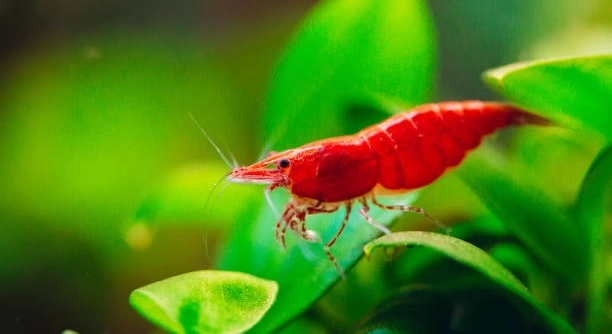
Cherry shrimp are small, colorful creatures that add life to freshwater aquariums. Many hobbyists enjoy observing their behavior and interactions. Their feeding habits often become a daily routine, creating a rhythm in the tank environment.
Research indicates that cherry shrimp can learn to anticipate feeding times. Repeated exposure to consistent schedules allows them to associate certain cues, such as light changes or movements, with food availability, demonstrating a simple form of learned behavior in these crustaceans.
Understanding this behavior helps shrimp keepers improve care routines. Observing these patterns can make feeding times more predictable and enrich the shrimp’s daily environment.
How Cherry Shrimp Learn Feeding Times
Cherry shrimp are surprisingly observant in their small environment. Over time, they begin to notice patterns linked to feeding, like when lights change or someone approaches the tank. Repetition is key. Consistently offering food at the same time daily allows shrimp to associate cues with meals. In my tank, I noticed they start gathering near the feeding area minutes before I place the food. This behavior shows they recognize the schedule rather than reacting randomly. Their anticipation is subtle at first, with small movements or hovering near favorite spots. Gradually, it becomes more pronounced, reflecting their ability to adapt to consistent routines. This learning process isn’t instant; it requires patience and careful observation. By understanding these habits, caretakers can plan feeding more efficiently, reducing waste and stress for both shrimp and the aquarium environment. These patterns also enhance interaction, as observing them becomes a quiet, rewarding experience.
Anticipation improves shrimp health. Regular feeding reinforces their internal rhythm and reduces erratic behavior.
Keeping a consistent schedule encourages natural foraging habits. Inconsistent feeding can confuse them, but a steady routine helps them thrive. Observing their reactions to cues allows adjustments to timing and quantity. Shrimp respond better to repeated, predictable feeding rather than random timing. Maintaining this consistency ensures proper nutrition and a calmer, more balanced tank ecosystem.
Recognizing Behavioral Cues
Shrimp use movement and positioning to indicate anticipation.
Noticing subtle changes like clustering near feeding zones or increased activity provides insight into their awareness of timing. It can guide caretakers to adjust feeding methods.
Behavioral cues vary by individual. Some shrimp hover near the substrate while others linger around decorations where food is often placed. Watching these patterns over weeks reveals how strongly each shrimp responds to schedules. In my experience, they seem to “remember” even after a few missed meals, showing a short-term associative memory. Observing their behavior also helps identify stress or overfeeding. Signs like frantic swimming or ignoring food can indicate issues, while calm, consistent anticipation reflects comfort. Incorporating these observations into daily care allows more precise adjustments in quantity and timing. By paying attention to their responses, it is possible to create a feeding routine that supports growth, health, and natural behavior patterns, ensuring a more harmonious aquarium overall.
Tips for Establishing Feeding Schedules
Consistency is essential. Feed cherry shrimp at the same time daily. Small portions prevent overfeeding and maintain water quality. Watching their reactions helps refine timing and quantity for healthier, more active shrimp.
I feed my shrimp twice a day, offering just enough to clear in a few hours. Over time, they learned the routine, gathering near the feeding area before I even drop food. Observing them closely allows me to adjust portions if leftovers remain. Light cues, like switching on the tank light, also reinforce the schedule. This approach has reduced stress and improved their activity, creating a predictable, calm environment.
Using natural cues strengthens learning. Moving near food consistently, hovering around certain spots, or clustering in anticipation signals they are adapting. These behaviors guide adjustments to feeding times. Tracking their responses over several weeks ensures the routine meets their nutritional needs while keeping water clean. A steady schedule fosters confidence and reduces sudden changes that might stress the shrimp.
Benefits of Scheduled Feeding
Scheduled feeding encourages activity and stability.
Shrimp become more predictable and healthier with routine meals. Regular timing reduces aggressive or erratic behavior while enhancing overall vitality.
Maintaining a feeding schedule helps regulate shrimp metabolism. They learn to anticipate meals, which promotes natural foraging instincts and improves digestion. In my experience, shrimp with regular feeding times display brighter colors, increased interaction, and more energy compared to those fed inconsistently. The tank ecosystem also benefits, as leftover food decreases and water quality remains stable. Over weeks, these small improvements accumulate, making a noticeable difference in the shrimp’s well-being. Structured routines simplify care and allow better observation of any health changes, ensuring a balanced environment for every shrimp in the tank.
Adjusting to New Feeding Times
Shrimp adapt gradually to changes. When I shift feeding by even thirty minutes, they show subtle hesitation at first but adjust within a few days. Consistency afterward helps them quickly re-learn the schedule.
Small, incremental changes work best. Sudden shifts can confuse them, so I adjust timing slowly, watching behavior closely to ensure they remain active and healthy.
Observing Feeding Behavior
Cherry shrimp exhibit clear patterns during feeding. Some move quickly to the food, while others remain near hiding spots. These differences help me understand individual preferences and adjust portions. Observing behavior over time shows how each shrimp anticipates feeding, revealing their learning and adaptability.
Signs of Stress from Irregular Feeding
Skipped or inconsistent feedings can lead to sluggish movement or reduced activity. Recognizing these signs allows adjustments to restore normal routines and maintain shrimp health.
FAQ
Can cherry shrimp really remember feeding times?
Yes, cherry shrimp can recognize patterns linked to feeding. In my experience, consistent routines allow them to associate certain cues, such as light changes or my approach to the tank, with meals. They start anticipating food, hovering near usual feeding areas before I even place it. This learning is subtle at first but becomes noticeable over time, showing a basic form of memory. Regular observation helps confirm their adaptation and guides adjustments to the feeding schedule, ensuring each shrimp stays healthy and active while maintaining the tank’s overall balance.
How long does it take for shrimp to adjust to a new schedule?
Adjustment depends on how drastically the feeding time changes. Small shifts of 15–30 minutes usually take only a few days for shrimp to adapt. In my tank, I noticed they start showing anticipatory behavior within three days if the new time remains consistent. Sudden, large changes can confuse them, slowing adaptation and sometimes causing temporary stress. Patience and close observation are key. Incremental adjustments combined with consistent portions help them re-learn the schedule more efficiently without affecting their activity or health.
What are the best cues to help shrimp recognize feeding times?
Light changes are very effective. Turning on the tank light at the same time each day creates a natural signal for the shrimp. My shrimp also respond to movements near the tank, like approaching the feeding area. Using these cues consistently strengthens their ability to anticipate meals. Avoiding random distractions or irregular feeding keeps their learning clear. Over weeks, these signals help establish a predictable routine, reducing stress and encouraging natural foraging behavior while improving their overall health and energy.
How often should cherry shrimp be fed?
Feeding twice a day works well in my experience. Small portions that clear within a few hours prevent overfeeding and maintain water quality. Once-daily feeding can work for smaller tanks or minimal populations, but more frequent, measured feedings encourage activity and natural foraging. Consistency is more important than quantity. Observing leftovers and shrimp behavior allows fine-tuning portions, ensuring no food is wasted and the shrimp receive proper nutrition, helping them remain vibrant and healthy.
What happens if a feeding is missed?
Missing a single feeding is generally not harmful. Cherry shrimp can tolerate occasional gaps without significant health issues. In my experience, they may show a bit of hesitation near usual feeding spots but quickly return to normal behavior. Frequent missed meals, however, can cause stress, reduced activity, and slower growth. Maintaining consistency ensures they remain healthy, active, and better able to anticipate meals. Monitoring their behavior helps prevent potential issues and supports a stable, thriving tank environment.
Can shrimp become stressed by irregular feeding?
Yes, inconsistent feeding can lead to stress. I’ve noticed shrimp become less active, hiding more, or swimming frantically when meals are unpredictable. Stress can affect growth, color, and overall health. Maintaining a consistent schedule reduces anxiety and encourages predictable behavior. Observing subtle signs of stress early allows me to adjust feeding patterns, improving their well-being and keeping the tank environment stable for all inhabitants.
Do all shrimp learn feeding schedules at the same pace?
No, individual shrimp vary. Some adapt quickly and anticipate meals almost immediately, while others take longer or respond more subtly. In my tank, dominant shrimp often move first, signaling others. Paying attention to each shrimp’s behavior helps ensure all receive food and adapt to the schedule without stress, allowing for balanced nutrition and stable social dynamics within the tank.
How can I tell if my shrimp understand the schedule?
Look for consistent anticipatory behavior, such as clustering near the feeding area before food appears or increased movement at feeding times. Over weeks, I’ve observed my shrimp responding to light cues and subtle movements in the tank. This indicates they associate these signals with meals, showing their ability to recognize and adapt to a routine. Tracking these patterns helps fine-tune feeding practices for optimal care and tank health.
Is it necessary to stick to the same food when keeping a schedule?
Consistency in type and quantity helps reinforce learning. My shrimp respond better to a predictable food source combined with routine timing. Occasional variation, such as adding vegetables or specialized shrimp food, is acceptable but should not disrupt the overall schedule. Predictable feeding strengthens anticipation and ensures all shrimp receive proper nutrition without confusion, supporting both health and natural behavior.
How can I balance feeding schedule with water quality?
Small, measured portions at consistent times prevent leftover food from contaminating the water. In my tank, feeding just enough for a few hours ensures shrimp consume most of it, reducing waste. Monitoring water parameters regularly and removing excess food as needed helps maintain a stable, clean environment. A steady schedule simplifies care while protecting both shrimp health and water quality.
Final Thoughts
Cherry shrimp are small but surprisingly perceptive creatures. Observing their behavior over time reveals that they are capable of learning and adapting to routines, particularly feeding schedules. In my experience, they begin to recognize patterns when meals are offered consistently at the same time each day. They respond to cues such as light changes, movement near the tank, or the placement of food, showing signs of anticipation. These small but noticeable behaviors demonstrate a form of associative learning, which can be rewarding to watch as a caretaker. Understanding how they adapt to feeding schedules can help create a more predictable and calm environment in the aquarium, benefiting both the shrimp and the overall tank ecosystem. This awareness also allows for better planning of portions and feeding times, which directly supports their health and growth.
Maintaining a consistent feeding schedule is not only beneficial for learning but also for overall shrimp well-being. When meals are regular, cherry shrimp exhibit more active behavior and better coloration, reflecting a healthy and balanced lifestyle. Irregular feeding, on the other hand, can lead to confusion, reduced activity, and stress, which may affect their growth and natural behavior. In my tank, even small changes in timing caused slight hesitation or clustering in unexpected areas, indicating that they had noticed the difference. Gradually, they adjust if changes are introduced slowly, but consistency remains the key to minimizing stress and encouraging predictable behavior. Tracking their reactions over days and weeks provides insight into how each shrimp responds individually, allowing adjustments that cater to both dominant and more reserved shrimp. This approach ensures that all shrimp receive proper nutrition while supporting a stable and harmonious tank environment.
Paying attention to feeding habits also strengthens the bond between the caretaker and the shrimp in a subtle way. While shrimp do not form attachments like larger pets, observing their reactions to feeding cues creates an opportunity to understand their behavior and preferences. Small details, such as hovering near food spots or moving more actively at certain times, reveal how well they have adapted to their environment. Implementing a structured feeding routine contributes to a cleaner tank, better water quality, and reduced waste, while also promoting natural foraging behavior. Over time, the benefits of consistent feeding extend beyond health, making it easier to monitor shrimp activity, identify potential issues early, and maintain a thriving aquarium. Consistency, observation, and patience are essential, and applying these principles ensures that cherry shrimp remain healthy, active, and responsive to their care.

Hello,
If you enjoy the content that we create, please consider saying a "Thank You!" by leaving a tip.
Every little bit helps us continue crafting quality advice that supports the health, happiness, and well-being of pets around the world, for pets of all shapes, sizes, and species.
We really appreciate the kindness and support that you show us!