
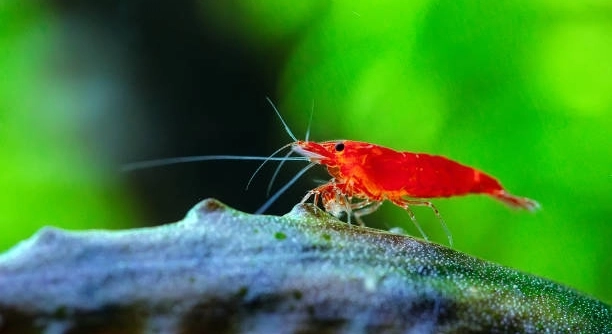
Have you ever noticed your shrimp acting stressed and wondered why they are not shedding their old shells properly, giving you reasons to worry about their overall comfort in the tank each and every day.
Shrimp fail to molt when environmental conditions disrupt their physiological processes, including unstable water parameters, inadequate minerals, poor nutrition, or chronic stress, all of which interfere with proper exoskeleton development and hinder the hormonal signals required for successful molting cycles.
Understanding these influences helps you support steadier molting patterns, offering your shrimp a smoother path toward healthier development ahead today.
Unstable Water Parameters
Unstable water parameters can stop shrimp from molting properly, and it is one of the first things I check when my own shrimp start acting uneasy. Shrimp need steady conditions to feel safe enough to shed their shells. When the temperature swings too often or the pH rises and falls without warning, their bodies struggle to prepare for a healthy molt. Ammonia or nitrite spikes create even more pressure on their systems, making them hold onto old shells longer than they should. I have learned that even small changes in hardness can make a noticeable difference in their behavior. Keeping everything consistent helps them stay relaxed, and relaxed shrimp molt more often with fewer issues. It may seem simple, but stable water keeps their bodies working the way they should. Clean water, regular testing, and gentle adjustments can give them the comfort they need to complete this important process at the right time.
Small shifts might not seem serious at first, but shrimp notice every change in their environment. When the water stays predictable, they settle down and focus on growing. This stability gives them the support they need to shed their shells without added stress holding them back each day in peace.
Keeping stable water parameters becomes easier once you follow a simple routine that feels natural. I test the tank on a regular schedule and make small corrections instead of large ones. This approach prevents sudden swings that can confuse or weaken shrimp during their molting cycle. A gentle water change can clear away waste before it becomes harmful, and maintaining the right hardness helps them build strong new shells. When you create a calm environment, their behavior becomes more predictable, and you see healthier molts over time. It is a steady method that supports their needs without overwhelming them.
Lack of Essential Minerals
Shrimp rely on calcium and other minerals to form new shells, and when these levels drop too low, their bodies struggle to complete the molting cycle. Insufficient minerals weaken their structure, leaving them stressed and unable to shed properly in a safe and steady way that supports their growth better.
Lack of essential minerals often develops quietly, and I have seen how quickly shrimp react when their water becomes too soft. Minerals like calcium and magnesium support the formation of a sturdy new shell, and without them the molting process slows down. When the water lacks these important elements, shrimp may experience weak shells that break too easily, or they may fail to complete the molt at all. One helpful habit is testing hardness on a routine schedule, especially if you use filtered water that removes natural minerals. Adding a safe mineral supplement or remineralizing your water supply can restore balance and encourage proper shell development. I learned that even a small boost makes a noticeable difference in how confidently shrimp approach molting, especially younger ones that grow rapidly. Crushed coral, mineral blocks, or specialized powders can release these nutrients slowly, offering a steady source that keeps their systems functioning well. Balanced minerals not only help them molt but also support healthy movement and feeding. When shrimp have the right building blocks available, they molt with fewer complications, and their colors and activity improve noticeably. Creating this stability gives them a better chance at maintaining strong shells and reliable growth throughout their lives.
Poor Nutrition
Poor nutrition weakens shrimp over time, and I notice it quickly when their appetite drops or their colors fade. Without balanced food, their bodies cannot form strong new shells, making each molt slower and far more difficult than it needs to be for healthy growth.
Shrimp need a steady mix of protein, minerals, and plant matter to support their internal processes. When their diet becomes too limited, their systems lack the fuel required for proper shell formation. I have seen shrimp struggle when fed only one type of pellet or when biofilm in the tank becomes scarce. Offering a variety of foods helps prevent these issues. Algae wafers, blanched vegetables, and mineral-rich pellets give them the nutrients they need. When their diet stays diverse, their bodies stay stronger, and their molting cycles become more consistent, which makes the whole tank feel more lively and balanced.
I learned that feeding small portions regularly works better than giving large meals at once. It keeps the water cleaner and avoids leftover food breaking down into harmful waste. Shrimp respond well to gentle feeding routines because it pushes them to graze naturally throughout the day. This natural grazing creates a healthier environment as they pick at surfaces and encourage steady biofilm growth. Good nutrition shows in their behavior, their color, and how confidently they shed. When they receive the right nutrients, each molt becomes less stressful, and you can see their shells forming more evenly with each cycle.
Stress From Tankmates
Stress from tankmates can cause shrimp to hold back molts, and I notice this most when fast or aggressive species share the aquarium. Constant movement or territorial behavior makes shrimp hide too often, leaving them without the calm space they need to molt safely.
Some fish nip at shrimp or chase them during feeding time, and even if no harm occurs, the stress alone can disrupt their molting cycle. I try to choose tankmates carefully, sticking with peaceful species that leave shrimp alone. When the environment feels calm, shrimp behave more naturally. They explore openly, graze without fear, and begin molting on a predictable schedule. Providing hiding spots helps too, especially near plants or moss where they can shelter while shedding. A quiet tank supports healthier molts, better colors, and more confident activity throughout the day.
Inadequate Hiding Spaces
Inadequate hiding spaces make shrimp feel exposed during molting, and I notice them delaying the process when they cannot find a safe place. Without cover, they stay vulnerable and stressed, which slows their ability to shed properly and recover afterward in a steady and comfortable way.
Adding plants, moss, and small shelters helps them feel secure. These spots give them the privacy they need to molt without disturbance. When the layout supports their natural behavior, they relax more easily, and molting becomes smoother. A well-structured tank keeps them confident and far less anxious during this sensitive time.
Sudden Environmental Changes
Sudden environmental changes can interrupt molting quickly, and I have seen shrimp react within hours when something shifts too fast. Rapid temperature drops, quick parameter adjustments, or large water changes disturb their rhythm and force their bodies to halt the molting process. Gentle, gradual changes always work best. I keep my adjustments small to avoid surprising them, especially during routine maintenance. Protecting them from abrupt shifts allows their systems to stay balanced, making it easier for them to complete each molt without unnecessary strain slowing them down.
Overcrowding
Overcrowding creates constant pressure in the tank, and shrimp often delay molting when they feel crowded. Too many individuals increase competition and reduce the calm space they rely on. A balanced population gives them room to grow, explore, and molt without the stress of constant activity around them.
FAQ
Why do shrimp struggle to molt even when the tank looks clean?
Shrimp can still have molting issues in a clean tank because cleanliness alone does not guarantee balanced conditions. I learned this when I focused too much on water clarity and not enough on stability. Even crystal clear water can hide shifting parameters, soft water, or low minerals. Shrimp depend on consistency, and slight changes in hardness or temperature can stop a molt. Clean water is only part of the equation, so it helps to test regularly and make sure their needs are fully met. When everything stays steady, molting becomes much smoother for them.
How do I know if my shrimp are about to molt?
I usually notice signs like hiding more often, eating less, or showing a slightly cloudy shell. These hints can appear a day or two before the molt. They start acting more cautious and move a little slower as their bodies prepare to shed. Once they molt, the new shell looks brighter and softer, and they usually rest for a while before exploring again. Paying attention to small behavior changes makes it easier to understand their routine and support them when they need extra calm.
What should I do if a shrimp gets stuck while molting?
When a shrimp struggles mid molt, it is usually because something in the environment is off. I check water parameters right away, especially hardness, temperature, and ammonia. A stuck molt often means the shell is too weak or the shrimp is too stressed. I avoid touching the shrimp because handling can cause more harm. Instead, I fix any water issues and add extra hiding spots to help reduce stress. Stable, mineral rich water is the best long term solution, and once the tank feels balanced again, future molts usually become easier.
Can filter flow affect molting?
Strong filter flow can bother shrimp and make them avoid open spaces where they might molt. I noticed this when my shrimp kept hiding in corners with weaker current. High flow forces them to use more energy just to move around, which adds unnecessary stress. Using sponge filters or adjusting the direction of the flow helps create calmer areas. When the current stays gentle, shrimp feel safer and molt more confidently.
Why do young shrimp molt more often than adults?
Young shrimp grow rapidly, so they shed their shells more frequently. I see this clearly when new babies appear because they molt several times as they increase in size. Adults molt less often because their growth slows down. Even so, they still rely on stable conditions and good nutrition to keep their shells healthy. Watching young shrimp molt regularly is a good sign that they are growing well and getting the nutrition they need.
Is it normal for shrimp to eat their old molts?
Yes, and I always let mine do it. Their old shells are full of minerals that help rebuild the new exoskeleton. Eating the molt is completely natural and supports their next growth cycle. It is a simple way for them to reuse important nutrients. I only remove molts if I notice too many piling up, which is rare. Leaving them in the tank helps maintain a healthier environment.
How often should I test water parameters to support healthy molting?
I test weekly, and sometimes twice a week if something feels off. Regular testing helps catch small changes before they become bigger problems. Shrimp react quickly to imbalances, so staying ahead of issues keeps them safe. When I keep a steady routine, their molting patterns remain predictable, and the tank stays peaceful.
Final Thoughts
Keeping shrimp healthy during molting becomes much easier when you focus on the small details that shape their daily environment. I have learned that consistency matters more than anything else. When the water stays stable, the tank remains peaceful, and their diet supports steady growth, shrimp respond with calmer behavior and smoother molts. Many issues that seem confusing at first often come down to factors that can be adjusted with a little patience. By paying attention to their routine and making gentle changes instead of sudden ones, you help them feel safe enough to shed without hesitation. Shrimp rely heavily on their surroundings, and even small improvements can make their lives much easier. When you keep their needs in mind, you start to see each molt as a sign of their progress rather than a moment of worry.
I have watched how shrimp behave when the tank gives them everything they need, and the difference is noticeable. They move with more confidence, explore more freely, and show clearer colors. A tank that supports healthy molting is usually one that feels calm and balanced, both for the shrimp and for you as the keeper. It becomes easier to understand their patterns when you see how they react to stable water, proper nutrition, and safe hiding spots. Even something as simple as adjusting the flow or adding more plants can transform their comfort level. Over time, you start recognizing early signs of stress, and you can fix small problems before they grow into something more serious. This kind of awareness builds naturally when you spend time observing them without rushing.
The more you learn about what affects the molting process, the easier it becomes to create a space where shrimp can grow without unnecessary pressure. Shrimp are sensitive, but they are also resilient when their environment supports them. Offering them balanced minerals, gentle conditions, and peaceful tankmates gives them a foundation that allows them to molt successfully again and again. A healthy molt is not just a physical change, it is a reflection of the care you put into their home. Each improvement brings them closer to thriving rather than simply surviving. With the right attention and habits, you can make their molting cycles predictable, safe, and far less stressful. Even small steps bring positive results, and over time, the tank becomes a place where shrimp can develop comfortably, showing you that your efforts truly make a difference in their growth.

Hello,
If you enjoy the content that we create, please consider saying a "Thank You!" by leaving a tip.
Every little bit helps us continue crafting quality advice that supports the health, happiness, and well-being of pets around the world, for pets of all shapes, sizes, and species.
We really appreciate the kindness and support that you show us!