
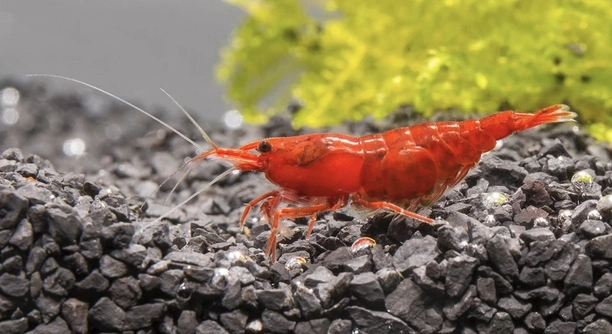
Cherry shrimp are tiny, colorful creatures that can brighten any aquarium. They are fun to watch and care for, but feeding them the wrong foods can easily harm their health and wellbeing.
Certain foods are toxic or harmful to cherry shrimp, including processed human snacks, citrus fruits, high-fat meats, salty foods, and certain vegetables. Consistently feeding these items can lead to poor growth, disease, and even death in your shrimp.
Knowing what to avoid is essential for their safety. This guide will help you provide a healthier, safer diet for your cherry shrimp.
Processed Human Snacks
Processed snacks like chips, cookies, and crackers may seem harmless, but they are very dangerous for cherry shrimp. These foods often contain salt, sugar, and artificial flavors that shrimp cannot digest. Feeding even small amounts can upset their delicate digestive system and lead to long-term health problems. Cherry shrimp need natural, simple foods to thrive. Foods meant for humans provide no nutrients they require and may cause water contamination, which can further harm their habitat. Observing your shrimp after introducing new foods is important. Signs of stress or lethargy often indicate dietary issues. Consistently feeding processed foods can reduce lifespan and make them more susceptible to disease. Always stick to food designed for shrimp or suitable plant matter. Your care routine, including feeding habits, directly affects their growth and coloration. Choosing the right diet ensures your shrimp stay active, healthy, and colorful, maintaining a lively aquarium environment that is easy to manage and enjoy daily.
Processed snacks should be completely avoided to keep your shrimp healthy and safe.
Even small amounts of chips or cookies can damage your shrimp over time. Avoiding these foods ensures better health, longevity, and fewer tank problems, keeping your aquarium balanced.
Citrus Fruits
Citrus fruits such as oranges, lemons, and limes are very acidic, making them unsafe for cherry shrimp. The acid can harm their digestive tract and lead to stress or even death if ingested. Their bodies are not built to handle acidic foods, and even small pieces can upset the tank’s water chemistry. Over time, this can reduce shrimp activity, interfere with molting, and weaken their immune system. It is best to stick to safe vegetables, algae wafers, and shrimp-specific foods to maintain proper nutrition.
Citrus should never be added to a shrimp diet.
The high acidity of citrus fruits disrupts the pH balance of your tank, causing stress and health issues. Shrimp need mild, neutral foods, so avoid lemons, oranges, or any citrus. Stick to natural foods like blanched spinach or algae wafers to promote healthy growth, vibrant coloration, and normal molting. Citrus can also lead to water cloudiness and bacterial growth, increasing the risk of disease. Observing shrimp closely and keeping their diet simple ensures they remain active and safe. Consistently feeding appropriate foods encourages healthy behavior, longevity, and a cleaner aquarium. By carefully selecting what your cherry shrimp eat, you provide them with the nutrients they need without endangering their delicate systems. Simple, safe feeding is key to a thriving, balanced tank.
High-Fat Meats
High-fat meats like bacon, sausage, or beef are dangerous for cherry shrimp. Their bodies cannot process fats like humans can, leading to digestive issues, slow movement, and even death if consumed regularly.
Fats in meats can coat the shrimp’s digestive tract, preventing proper nutrient absorption. Over time, this leads to poor growth, weak shells, and a greater susceptibility to disease. Tank water can also be affected, as leftover meat breaks down quickly, producing harmful ammonia and toxins that endanger the shrimp. Even occasional feeding of fatty meats is risky, so it’s best to avoid these foods entirely. Instead, focus on algae, blanched vegetables, and shrimp-specific pellets to keep their system healthy. Proper feeding helps maintain vibrant colors and normal activity levels.
Feeding high-fat meats disrupts both shrimp health and tank balance. Avoiding these foods ensures long-term wellbeing, cleaner water, and better molting cycles for your cherry shrimp.
Salty Foods
Salty foods like pretzels, chips, and processed snacks can severely harm cherry shrimp. Even small amounts of salt can disturb their osmoregulation, which controls water balance in their bodies, causing dehydration and stress.
Salt draws water out of their bodies, affecting internal organs and slowing metabolism. Over time, repeated exposure weakens shrimp, making them prone to illness. Tank water can also change, as excessive salt can damage plants and beneficial bacteria. Shrimp thrive in low-salt environments, so keeping salt out of their diet is essential. Feeding safe alternatives like algae, vegetables, and shrimp food ensures proper growth and vitality. Maintaining low-salt conditions supports healthy molting and strong exoskeleton development.
By keeping salty foods out of their diet, your shrimp remain healthy, active, and vibrant. Proper feeding and tank care together prevent stress, illness, and premature death, ensuring a thriving aquatic environment.
Onions and Garlic
Onions and garlic are harmful to cherry shrimp because they contain compounds shrimp cannot digest. Even tiny amounts can cause stress, digestive issues, and a weakened immune system.
These foods can release toxins into the tank water, affecting both shrimp and beneficial bacteria. Avoid adding any raw or cooked onions and garlic to their diet to maintain a safe, stable environment for your shrimp.
Dairy Products
Dairy products like cheese, milk, and yogurt are unsuitable for cherry shrimp. Their digestive systems are not equipped to process lactose or high-protein dairy, which can lead to bloating, lethargy, and poor molting. Stick to plant-based foods and shrimp-specific pellets to ensure proper nutrition and healthy growth.
Leafy Greens with Pesticides
Leafy greens treated with pesticides or chemicals are dangerous. Residues can poison shrimp and disrupt their sensitive tank ecosystem. Always wash and blanch vegetables or choose organic options to ensure safety and avoid unnecessary stress or health problems for your shrimp.
Citrus Peels
Citrus peels carry high acidity and oils that are toxic to cherry shrimp. Adding them to the tank can harm their digestive systems, stress them, and upset water quality, leading to an unsafe environment. Avoid using peels under any circumstances.
FAQ
What foods are completely safe for cherry shrimp?
Cherry shrimp thrive on a simple, plant-based diet. Safe foods include blanched vegetables like spinach, zucchini, and cucumber, algae wafers, and shrimp-specific pellets. These foods provide essential nutrients, support healthy molting, and help maintain their vibrant colors. Avoid feeding anything processed, salty, or fatty.
Can cherry shrimp eat fruits?
Most fruits are too acidic or sugary for cherry shrimp. Very small amounts of soft, mild fruits like melon or peeled grapes can be given occasionally, but citrus, apples with seeds, or anything with strong flavors should always be avoided. Stick to vegetables and algae for their main diet.
Is it okay to feed leftover human food?
Leftover human food is almost always unsafe. It often contains salt, sugar, oils, or preservatives that shrimp cannot digest. Feeding such foods can cause digestive problems, stress, and even death. Always remove uneaten food from the tank promptly to maintain clean water.
How often should I feed cherry shrimp?
Cherry shrimp should be fed small portions once a day or every other day. Overfeeding can pollute the tank, while underfeeding can stunt growth. Only give what they can consume within a few hours and supplement with algae or vegetables to keep them healthy.
Can shrimp eat live plants?
Yes, cherry shrimp often nibble on soft, live plants. Mosses, such as Java moss, and leafy plants like Anubias provide natural grazing material. Avoid plants treated with pesticides or fertilizers, as chemicals can be toxic and quickly harm your shrimp.
Are there any household foods they can safely eat?
Most household foods are risky. Some carefully prepared items like blanched spinach or zucchini are safe, but anything processed, salty, or fatty should be avoided. Keeping their diet simple and natural is the best way to prevent illness and maintain water quality.
What happens if my shrimp eat harmful foods?
Ingesting unsafe foods can cause digestive issues, stress, and molting problems. Symptoms may include lethargy, discoloration, or death in severe cases. Tank water quality can also deteriorate, increasing the risk of bacterial infections. Promptly removing harmful foods and sticking to a safe diet is essential.
How do I introduce new foods safely?
Introduce new foods in very small amounts to see how shrimp react. Observe for changes in behavior or water quality. Gradually increasing quantities is safer than feeding large portions at once. Stick to vegetables, algae, and shrimp-specific foods as staples.
Can shrimp survive on algae alone?
Algae provides good nutrition but is not sufficient by itself. It should be supplemented with vegetables and shrimp pellets to ensure balanced nutrition, proper growth, and strong exoskeleton development. Algae alone may leave them deficient in essential vitamins and minerals.
Are there signs my shrimp are eating something harmful?
Yes. Signs include reduced movement, discoloration, slow growth, molting difficulties, and unusual floating behavior. Water may also become cloudy or smelly. Identifying and removing harmful foods immediately prevents serious health issues and maintains a safe tank environment.
Is it safe to feed shrimp commercial shrimp snacks?
Commercial shrimp snacks formulated for freshwater shrimp are generally safe. They contain balanced nutrients and support growth and molting. Always check ingredient lists and avoid products with fillers, excessive salt, or artificial additives to ensure optimal shrimp health.
How do I clean the tank after accidental feeding of harmful foods?
Remove leftover harmful food immediately. Perform a partial water change, clean debris from the substrate, and monitor water parameters. Maintaining proper filtration and avoiding overfeeding in the future ensures the tank environment remains safe and healthy for your shrimp.
Can shrimp eat meat or protein sources?
High-fat or heavily processed meats are unsafe. Tiny amounts of plain boiled egg yolk are sometimes used, but plant-based foods remain the safest main diet. Excess protein can harm digestive systems, reduce lifespan, and negatively impact water quality.
What is the best way to maintain shrimp health overall?
Provide clean water, a stable environment, and a simple plant-based diet. Avoid processed, salty, fatty, or acidic foods. Observe behavior daily, remove uneaten food, and maintain a balance of algae, vegetables, and shrimp-specific pellets for long-term health.
How do I handle mixed-species tanks with cherry shrimp?
Mixed-species tanks require careful monitoring of food and interactions. Avoid feeding foods that larger fish can monopolize or that may harm shrimp. Provide hiding spaces and ensure shrimp receive enough safe food to thrive without competition or stress.
Can baby shrimp eat the same foods as adults?
Baby shrimp need smaller, softer food, like powdered shrimp pellets or finely chopped blanched vegetables. Adults can handle larger portions and firmer textures. Feeding appropriately sized food ensures proper growth and prevents malnutrition in juveniles.
How can I tell if my shrimp are getting enough nutrition?
Healthy shrimp are active, vibrant, and molt regularly. Slow movement, dull color, or failed molts indicate nutritional deficiencies. Regularly providing algae, vegetables, and shrimp-specific food in correct amounts keeps them well-nourished and thriving.
Are frozen vegetables safe for cherry shrimp?
Yes, if properly thawed and rinsed. Frozen vegetables should be blanched and free from chemicals or seasoning. These provide safe nutrients and are a convenient alternative to fresh vegetables, helping maintain a balanced diet.
Is it okay to feed shrimp table scraps like rice or bread?
No. Table scraps often contain salt, oils, or preservatives that are toxic to shrimp. Even small amounts can cause digestive problems, stress, or death. Stick to safe vegetables, algae wafers, and shrimp-specific foods only.
How do I store shrimp food safely?
Store shrimp food in a cool, dry place and keep it sealed. Exposure to moisture or heat can spoil food, reduce nutrients, and introduce bacteria. Proper storage ensures your shrimp receive safe, healthy meals every time.
Can shrimp overeat if given too much food?
Yes. Overfeeding can lead to water pollution, digestive problems, and stress. Feed only what can be consumed in a few hours, remove leftovers promptly, and maintain a consistent feeding schedule for optimal shrimp health.
What is the most important rule for feeding cherry shrimp?
Always feed simple, natural, low-salt, and plant-based foods. Avoid processed snacks, high-fat meats, citrus, and other harmful items. Careful attention to diet and feeding practices keeps shrimp healthy, active, and colorful while maintaining a stable tank environment.
Cherry shrimp are delicate creatures that require careful attention to their diet. Unlike some pets, they cannot eat just anything from the kitchen or garden. Foods that are too salty, fatty, acidic, or processed can cause serious harm. Even small amounts of unsafe foods can affect their digestion, stress levels, and overall health. It is important to understand what they can and cannot eat to keep them thriving. By providing appropriate foods like algae, blanched vegetables, and shrimp-specific pellets, you ensure that your shrimp get the nutrients they need without risking illness. Paying attention to their diet is not just about feeding; it is about maintaining a healthy tank environment as well. Leftover food, spoiled or harmful items can quickly contaminate the water, affecting all inhabitants and leading to bigger problems. Simple, consistent feeding routines help prevent these issues while promoting strong growth, vibrant colors, and normal molting cycles.
Many people underestimate the impact of diet on cherry shrimp. Their small size and delicate systems make them extremely sensitive to changes in food and water quality. Even foods that seem harmless to humans, such as fruit peels, onions, garlic, or processed snacks, can be toxic to shrimp. These items introduce substances shrimp cannot process, causing stress and potentially fatal consequences. It is also important to remember that shrimp are not designed to digest high-protein or high-fat foods. Feeding them such items can lead to blockages, slowed growth, or even death. Observing your shrimp’s behavior and physical condition is a key part of responsible care. Active, colorful shrimp indicate a healthy diet and environment, while lethargy, faded coloration, or molting problems signal that dietary adjustments may be necessary. By keeping their diet simple and natural, you reduce risks and help maintain a stable, thriving aquarium.
Consistency and caution are the best approaches to feeding cherry shrimp. Avoid guessing or experimenting with foods that could harm them. Stick to proven, safe options and remove any uneaten food promptly. Introduce new foods slowly, in small amounts, and always monitor your shrimp for signs of stress or illness. Proper feeding also goes hand-in-hand with maintaining water quality, as leftover or unsuitable food can quickly spoil and alter the tank’s chemistry. Remember, your attention to detail in feeding practices directly impacts the health, longevity, and happiness of your shrimp. A balanced diet ensures they remain active, vibrant, and resilient, while a careful approach to food selection protects the entire aquarium environment. By respecting these basic principles, you can enjoy a thriving, colorful shrimp population for years to come.

Hello,
If you enjoy the content that we create, please consider saying a "Thank You!" by leaving a tip.
Every little bit helps us continue crafting quality advice that supports the health, happiness, and well-being of pets around the world, for pets of all shapes, sizes, and species.
We really appreciate the kindness and support that you show us!