
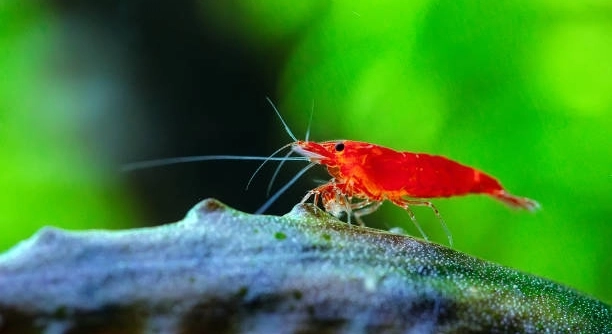
Do your cherry shrimp seem to react when you tap on their aquarium glass? Observing their tiny movements can be surprisingly engaging, as they shift, freeze, or swim cautiously in response to outside disturbances around their tank.
Cherry shrimp do show behavioral responses to glass tapping. These reactions are typically startle responses, including sudden swimming or freezing. The intensity of their reaction depends on the frequency, force of the tapping, and the shrimp’s familiarity with external stimuli.
Understanding how these shrimp respond helps maintain a calm aquarium environment and ensures their overall well-being remains undisturbed by sudden noises or vibrations.
How Cherry Shrimp Sense Vibrations
Cherry shrimp have delicate sensory organs that allow them to detect vibrations in water. When you tap on the glass, these vibrations travel through the water and reach their antennae. Their antennae are highly sensitive, letting them notice even slight disturbances. This sensitivity helps them avoid potential threats. Observing shrimp in a quiet tank makes it easier to see these responses. They may freeze, swim erratically, or hide among plants. Some shrimp learn to ignore minor disturbances over time, especially if they realize there is no real threat. The reaction can vary depending on the shrimp’s age, size, and health. Younger shrimp often respond more sharply, while older shrimp may show calmer behavior. Tank decorations, water movement, and the type of substrate can also influence how vibrations are transmitted. Understanding these behaviors helps you create a stable environment and reduces stress for your shrimp, ensuring they stay active and healthy.
Repeated tapping can gradually desensitize shrimp, but it should be done carefully to avoid stress.
Overstimulation from frequent vibrations may lead to long-term stress. Chronic stress can weaken their immune system, slow growth, and reduce breeding success. Providing hiding spots, like plants and small caves, allows shrimp to escape disturbances. Keeping water conditions stable and avoiding sudden noises helps maintain their natural behavior. By observing how your shrimp respond to tapping, you can learn the threshold of disturbance they tolerate. Avoid tapping excessively, especially near feeding times or during molting periods. Consistent, gentle observation allows you to enjoy watching their behavior without compromising their health. Each tank is different, so what is mild for one setup may be intense in another. Respecting these differences ensures your shrimp remain lively, continue regular feeding, and display natural behaviors that make them fascinating to watch.
Tips to Minimize Stress
Limiting glass tapping prevents unnecessary stress for your shrimp.
Simple adjustments, like moving slowly around the tank and reducing sudden noises, significantly improve shrimp comfort. Gradually acclimating them to household activity also helps, allowing shrimp to settle into their environment without constant fear.
Recognizing Stress in Cherry Shrimp
Shrimp under stress may hide more often, swim erratically, or stop eating. Their color can fade slightly, and they may molt less frequently. Stress signs are subtle but noticeable when observed over time, especially in a calm and stable tank environment.
Chronic stress affects shrimp behavior and overall health. Overexposure to vibrations or sudden movements can make them cautious, leading to reduced activity and exploration. Stress may also impact reproduction, as stressed shrimp are less likely to breed successfully. Monitoring water parameters like temperature, pH, and ammonia levels is crucial, as poor conditions can amplify stress. Providing plenty of hiding spots, plants, and low-traffic areas allows shrimp to feel safe. Regular observation helps detect early signs of stress, enabling timely adjustments to their environment. Avoid tapping glass repeatedly, especially during feeding or molting periods, to maintain calm and natural behavior.
Understanding stress indicators allows better care and ensures shrimp remain healthy. Hiding behavior, color changes, and irregular swimming patterns signal the need for environment adjustments. Stress management improves their lifespan and activity, keeping the tank dynamic yet safe. Observing shrimp reactions teaches how they interact with their habitat.
Safe Interaction Techniques
Minimizing vibrations and sudden movements helps shrimp stay relaxed.
Gently moving around the tank, speaking softly, and avoiding tapping glass reduces unnecessary stress. Consistent care routines help shrimp become accustomed to household activity, maintaining calm behavior.
Introducing new objects or decorations slowly allows shrimp to adjust without panic. Gradually feeding at predictable times builds routine and security. Observing from a distance limits disturbances while still enjoying their behavior. Keeping the tank environment stable, with proper filtration and water quality, prevents additional stress factors. Over time, shrimp learn to tolerate minor movements and sounds, but sudden tapping or rapid changes should be avoided. Using soft lighting and avoiding constant disruptions encourages natural activity and molting cycles. Safe interaction techniques create a healthier, more engaging aquarium without compromising shrimp well-being.
How Tank Setup Affects Reactions
The layout of the tank influences shrimp responses to glass tapping. Dense plants, rocks, and hiding spots reduce exposure to vibrations, helping shrimp feel safer and less reactive.
Smooth substrate and stable decorations prevent sudden shifts in water movement. This stability keeps shrimp calm and encourages natural behavior, even when minor disturbances occur outside the tank.
Water Conditions and Behavior
Stable water conditions play a key role in shrimp reactions. Sudden changes in temperature, pH, or hardness increase sensitivity to external stimuli, making them more reactive. Maintaining consistent water parameters helps shrimp remain calm and reduces stress responses to tapping or vibrations.
Observing Individual Differences
Each shrimp reacts differently to disturbances. Age, health, and temperament influence sensitivity. Watching shrimp closely allows you to understand their unique responses and adjust care to minimize stress.
Do cherry shrimp feel stress from tapping the glass?
Yes, cherry shrimp can experience stress from repeated tapping or vibrations. Their sensitive antennae detect even minor disturbances in the water. When startled, they may freeze, swim quickly, or hide. Prolonged exposure to these disturbances can lead to reduced activity, less feeding, and slower growth. Providing hiding spots and keeping household movements around the tank gentle helps reduce stress.
How can I tell if my shrimp are stressed?
Stress in cherry shrimp shows through subtle changes in behavior and appearance. They may hide frequently, move erratically, or stop eating for periods. Color fading and irregular molting are also common signs. Watching shrimp over time in a quiet tank makes it easier to notice these signals. Stress is compounded by poor water quality or overcrowding, so monitoring both environment and behavior is essential.
Can tapping ever be safe for cherry shrimp?
Minor, occasional tapping is usually tolerated, especially if shrimp are accustomed to household activity. The key is moderation and observing their reactions. If shrimp immediately retreat or show signs of panic, the tapping is too strong or frequent. Slow, gentle movements around the tank without excessive noise are safer. Avoid tapping during feeding or molting to prevent additional stress.
Do all shrimp react the same way to vibrations?
No, shrimp reactions vary by age, size, and individual temperament. Younger shrimp tend to respond more sharply, while older shrimp may remain calmer. Tank setup also affects responses, as dense plants and decorations dampen vibrations. Observing each shrimp allows for tailored care that minimizes stress for all individuals.
Does water quality affect sensitivity to glass tapping?
Yes, unstable water parameters amplify shrimp reactions. Sudden changes in temperature, pH, or hardness make them more sensitive to disturbances. Keeping water conditions consistent ensures shrimp remain calm and less reactive. Proper filtration, regular water changes, and monitoring key parameters reduce unnecessary stress from external vibrations.
What can I do to reduce stress from household activity?
Minimizing sudden movements, loud noises, and tapping around the tank helps maintain calm shrimp. Predictable feeding routines, stable lighting, and providing plenty of hiding spots encourage natural behavior. Observing shrimp from a distance allows enjoyment of their activity without disturbing them. Gradual acclimation to household sounds improves long-term tolerance.
Is hiding behavior always a sign of stress?
Not always. Cherry shrimp naturally hide while molting, resting, or exploring. Frequent hiding combined with color fading, reduced feeding, or erratic swimming indicates stress. Observing patterns over time helps distinguish normal behavior from stress responses, allowing for timely adjustments to their environment.
How quickly do shrimp recover from stress?
Recovery depends on the severity of the stress and tank conditions. Minor disturbances often result in brief hiding, while repeated stress can lead to longer-term behavioral changes. Providing a stable, calm environment and minimizing disturbances promotes faster recovery, allowing shrimp to return to regular activity and feeding habits.
Can tapping the glass affect shrimp breeding?
Yes, frequent disturbances can impact breeding behavior. Stressed shrimp are less likely to mate or care for eggs properly. Ensuring a calm tank with stable water parameters and minimal external vibrations supports healthy reproduction and increases the chances of successful hatching.
Are there tools to reduce vibrations in a tank?
Yes, using thicker glass or acrylic tanks, adding substrate mats, and arranging decorations strategically can help dampen vibrations. Plants and hiding spots also reduce the transmission of outside disturbances. Combining these methods creates a calmer environment, reducing stress responses to unavoidable household activity.
Should I ever tap to check if shrimp are alive?
Tapping the glass to check on shrimp is not recommended. Gentle observation from a distance is safer. Excessive tapping can cause unnecessary stress, even if shrimp appear unresponsive. Visual checks, looking for movement in antennae or gill areas, are sufficient to confirm their well-being.
How long should I wait between interactions?
Interactions should be spaced to avoid overstimulation. Giving shrimp periods of calm between any movement, cleaning, or feeding reduces cumulative stress. Observing their behavior helps determine when they have returned to normal activity before introducing new disturbances, ensuring their comfort and health.
Can shrimp get used to tapping over time?
Some shrimp gradually become accustomed to minor, consistent vibrations if they learn there is no threat. However, overdoing it or tapping unpredictably can prevent habituation and increase stress. Gentle, consistent exposure combined with a secure tank setup improves tolerance without compromising well-being.
Does the number of shrimp in the tank influence reactions?
Yes, crowded tanks can amplify stress responses. More shrimp increase competition for space and hiding spots, making vibrations feel stronger. Adequate space, decorations, and hiding areas help each shrimp cope with disturbances individually and reduce overall stress levels in the tank.
Is it better to observe shrimp at night or during the day?
Shrimp are generally more active during the day but may react more sharply to movement. Observing during calm daytime periods allows for better monitoring of behavior and stress responses. Nighttime observation is possible with dim lighting but may limit visibility and interpretation of subtle reactions.
Cherry shrimp are delicate creatures that rely heavily on their environment to feel safe and secure. Even small disturbances, like tapping the aquarium glass, can trigger noticeable reactions. Their antennae detect vibrations in the water, and any sudden movement nearby can startle them. Some shrimp may freeze, while others may swim quickly to hiding spots. Over time, repeated disturbances can create stress, affecting their feeding habits, growth, and overall health. Creating a stable environment with consistent water parameters and plenty of hiding places is essential to reduce stress. Plants, rocks, and decorations not only make the tank visually appealing but also provide safety and comfort for the shrimp. By minimizing outside disturbances and observing their behavior closely, you can ensure they remain active and healthy in their habitat.
It is important to understand that shrimp reactions can vary from one individual to another. Age, health, and temperament all play a role in how a shrimp responds to vibrations or sudden movements. Younger shrimp often react more sharply to disturbances, while older shrimp may remain calm even when external activity occurs. Observing your shrimp over time allows you to notice patterns in behavior and adjust care accordingly. For example, if certain shrimp hide frequently or appear pale, it may indicate stress or environmental issues that need attention. Adjusting tank setup, limiting excessive tapping, and providing safe spaces can help mitigate these issues. Paying attention to their natural behaviors and accommodating individual differences supports a healthier, calmer environment, making it easier to enjoy watching them without causing unnecessary stress.
Maintaining a calm, consistent environment benefits both the shrimp and the overall tank ecosystem. Stress not only affects individual shrimp but can also influence breeding, molting, and interactions within the tank. When shrimp are comfortable and feel secure, they are more likely to display natural behaviors, including feeding actively, exploring, and reproducing successfully. Reducing external disturbances, keeping water conditions stable, and creating a structured habitat are simple yet effective ways to ensure their well-being. Observing shrimp reactions to glass tapping provides valuable insight into their sensitivity and needs. By understanding these responses and taking appropriate precautions, you can maintain a thriving aquarium where cherry shrimp remain healthy, active, and stress-free. Creating a calm environment is not only beneficial for shrimp health but also enhances the enjoyment of keeping and observing these delicate aquatic creatures.

Hello,
If you enjoy the content that we create, please consider saying a "Thank You!" by leaving a tip.
Every little bit helps us continue crafting quality advice that supports the health, happiness, and well-being of pets around the world, for pets of all shapes, sizes, and species.
We really appreciate the kindness and support that you show us!