
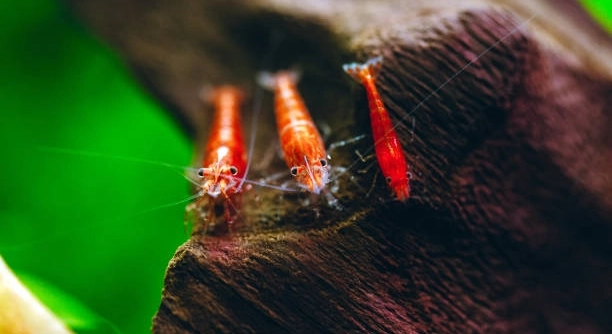
Cherry shrimp are delicate creatures that bring life and color to any aquarium. They thrive in calm, stable environments and can quickly become stressed if their surroundings change unexpectedly or are not properly maintained.
Cherry shrimp experience stress primarily due to sudden changes in water conditions, overcrowding, inappropriate tank mates, improper diet, insufficient hiding spots, exposure to toxins, and excessive handling. Each factor disrupts their natural behavior and can severely impact their health.
Knowing what triggers stress in cherry shrimp can help you create a stable and healthy environment for them to flourish and enjoy their tank life fully.
Sudden Changes in Water Conditions
Cherry shrimp are very sensitive to their water environment. Sudden changes in temperature, pH, or hardness can cause immediate stress. Even small fluctuations can make them hide, refuse food, or become lethargic. Stable water parameters are key for their health, so frequent monitoring is important. Using a reliable thermometer and test kits can help detect changes early. When adding new water, make sure it is treated, at the same temperature, and properly conditioned. Drastic water changes, like replacing a large portion at once, can shock shrimp and disrupt their molting process. Even moving them between tanks without proper acclimation can have negative effects. Over time, repeated stress from water fluctuations can reduce their lifespan and breeding success. Proper filtration, gentle water flow, and gradual adjustments make a tank a safe environment. Observing behavior daily helps catch stress early and allows corrective actions before serious health problems occur.
Keeping water stable ensures shrimp stay active and healthy, reducing stress levels significantly.
Regular checks and careful water additions create a peaceful, stress-free environment, making shrimp feel safe and comfortable in their tank.
Overcrowding
Too many shrimp or other tank mates can quickly create a stressful environment. Overcrowding limits hiding spots and increases competition for food, causing constant stress. Shrimp need enough space to explore and molt safely without being disturbed.
Overcrowding also impacts water quality, raising waste levels and ammonia faster. High population density reduces oxygen availability and can trigger aggressive behavior from other inhabitants. Some shrimp may hide constantly, fail to eat, or even stop breeding. Choosing the right number of shrimp for tank size is essential, along with providing sufficient plants and decorations to act as shelters. Monitoring behavior, especially molting success and feeding patterns, helps detect overcrowding issues. Balancing tank population with proper filtration, regular water changes, and observing interactions ensures shrimp live comfortably. Overcrowding is often overlooked, yet it is one of the fastest ways to stress shrimp, making early prevention crucial.
Creating a balanced tank with enough space and hiding areas helps shrimp thrive and reduces stress naturally.
Inappropriate Tank Mates
Aggressive or large fish can stress cherry shrimp instantly. Shrimp may hide constantly or get injured when placed with incompatible tank mates.
Choosing peaceful species is essential. Shrimp are small and vulnerable, so even fish that aren’t outright predators can intimidate them. Fish that chase, nip, or compete aggressively for food can cause shrimp to stop eating or molt poorly. Popular choices like small tetras, rasboras, or snails work well. Plants, moss, and decorations provide additional hiding spots, which helps reduce encounters with threatening tank mates. Observing interactions daily ensures any stress signs are caught early, and adjustments can be made.
Even seemingly minor tank mate interactions can lead to long-term stress. Shrimp might hide for hours, refuse food, or experience molting difficulties. Providing a calm, peaceful tank with compatible companions and plenty of cover creates a stable environment where shrimp can thrive without constant fear. Careful selection and arrangement are key to keeping shrimp comfortable.
Improper Diet
Feeding cherry shrimp the wrong foods or inconsistent amounts can quickly cause stress. They need a balanced diet of algae, biofilm, and occasional supplements.
A poor diet affects growth, molting, and coloration. Overfeeding leads to water quality issues, while underfeeding weakens shrimp. Providing a variety of foods, including blanched vegetables, algae wafers, and specialized shrimp pellets, ensures they receive proper nutrients. Removing uneaten food promptly prevents ammonia spikes. Observing how much shrimp eat helps maintain the right feeding schedule.
Shrimp respond strongly to diet changes. Switching foods suddenly can cause refusal to eat or hiding. Maintaining a stable routine with nutrient-rich options supports health and reduces stress. Small portions multiple times a day are better than one large feeding. Careful attention to their dietary needs keeps shrimp active, colorful, and less prone to stress.
Insufficient Hiding Spots
Shrimp need places to hide, especially during molting or when stressed. Without cover, they feel exposed and anxious.
Plants, moss, and decorations act as safe zones. Shrimp retreat to these areas when threatened or uncomfortable. A lack of hiding spots can lead to constant stress, poor molting, and even injuries.
Exposure to Toxins
Chemicals in water, including chlorine, heavy metals, or cleaning residues, can harm shrimp instantly. Even small amounts may cause stress, illness, or death.
Regular water treatment, careful cleaning, and avoiding contaminated decorations or substrate prevent exposure. Monitoring water parameters and using dechlorinators or filtration helps maintain a safe, non-toxic environment for shrimp.
Excessive Handling
Shrimp are fragile and should not be handled frequently. Touching them directly can cause stress and injuries.
Handling should be limited to necessary tank maintenance, moving shrimp carefully using nets or containers. Avoiding unnecessary contact reduces stress and supports long-term health.
FAQ
How can I tell if my cherry shrimp is stressed?
Stressed cherry shrimp often hide more than usual, refuse food, or remain inactive for long periods. Changes in color, lethargy, or unsuccessful molting are also signs. Observing behavior daily is the best way to detect stress early and respond appropriately.
What water parameters are ideal for cherry shrimp?
Cherry shrimp thrive in stable water with a temperature between 68–78°F, pH around 6.5–7.5, and low levels of ammonia and nitrites. Keeping hardness moderate and avoiding sudden fluctuations in these parameters prevents stress and supports healthy growth.
How often should I feed cherry shrimp?
Small portions once or twice a day are sufficient. Overfeeding can pollute the water, while underfeeding may weaken shrimp. Provide a mix of algae, biofilm, blanched vegetables, and shrimp-specific pellets to ensure a balanced diet. Remove uneaten food after a few hours.
Can cherry shrimp live with fish?
Yes, but only with peaceful, small species that won’t chase or eat them. Fish like small tetras, rasboras, or snails are usually safe companions. Always provide hiding spots to reduce encounters and stress. Avoid aggressive or large fish that intimidate shrimp.
How many shrimp should I keep in one tank?
Population depends on tank size. Overcrowding reduces hiding space and increases competition for food, raising stress levels. A small tank may only support a handful, while larger tanks can house more. Always monitor interactions and adjust numbers as needed.
What should I do if water quality drops suddenly?
Perform partial water changes gradually to avoid shocking shrimp. Test water frequently for ammonia, nitrites, nitrates, and pH. Remove any contaminants and treat new water properly. Maintaining stable conditions is key to minimizing stress and protecting shrimp health.
How do I help shrimp during molting?
Provide plenty of hiding spots and avoid disturbing them. Molting is stressful and leaves them vulnerable. Ensure water quality is stable and diet is sufficient in calcium and minerals to support healthy exoskeleton growth. Avoid moving or handling shrimp during this time.
Are decorations or plants necessary for shrimp?
Yes, they offer hiding spots, reduce stress, and support natural behavior. Moss, live plants, and ornaments give shrimp safe areas to explore and retreat when threatened. A well-decorated tank reduces aggression from tank mates and encourages active, healthy shrimp.
Can sudden changes in diet stress shrimp?
Yes, introducing new foods abruptly may cause shrimp to stop eating or hide. Transition gradually and observe how they respond. Consistent, nutrient-rich feeding keeps shrimp active, colorful, and less prone to stress. Small, frequent portions are better than large, irregular feedings.
Is frequent tank cleaning harmful to shrimp?
Excessive or rough cleaning can stress shrimp and disturb biofilm they feed on. Clean gently, removing debris and uneaten food without disrupting the substrate or plants too much. Regular, careful maintenance supports water quality without causing unnecessary stress.
How can I prevent toxin exposure?
Treat tap water with dechlorinators, avoid metal or painted decorations that may leach chemicals, and keep cleaning products away from the tank. Regularly test water and observe shrimp for early signs of distress to catch potential toxin exposure quickly.
What is the best way to acclimate new shrimp?
Float the bag in tank water to match temperature, then gradually mix tank water over 30–60 minutes. Sudden changes in temperature or water chemistry can cause stress. Proper acclimation helps shrimp adjust and reduces risk of illness or death.
Can stress affect shrimp breeding?
Yes, stressed shrimp are less likely to breed successfully. Hiding constantly, refusing food, or poor molting reduces reproductive activity. Maintaining stable water, proper diet, and enough space ensures shrimp feel safe and encourages natural breeding behavior.
How long can cherry shrimp live in a stressful environment?
Prolonged stress shortens lifespan and increases susceptibility to disease. Even minor repeated stressors can lead to premature death. Creating a stable, calm environment with proper diet, hiding spots, and compatible tank mates maximizes longevity and overall health.
What signs indicate tank mates are stressing shrimp?
Shrimp may hide excessively, lose color, stop eating, or fail to molt properly. Aggressive chasing, nipping, or disturbance from other species is a common stress source. Observing interactions carefully helps identify problem tank mates and allows for adjustments to protect shrimp.
Cherry shrimp are small, colorful creatures that bring life and movement to any tank. Their delicate nature makes them sensitive to changes in their environment, so even small disturbances can affect their health and behavior. Stress in shrimp often shows up as hiding, loss of appetite, or changes in color. Over time, constant stress can lead to molting problems, weaker shells, and shorter lifespans. Understanding what stresses cherry shrimp helps maintain a stable and comfortable environment where they can thrive. Keeping water parameters consistent, providing hiding spots, and avoiding sudden changes are simple but effective ways to reduce stress. Paying attention to their behavior daily allows you to detect issues early before they become serious. Observing shrimp carefully also makes caring for them more rewarding because you can see them exploring, eating, and molting naturally when they feel safe.
Creating a balanced tank is about more than just filling it with water and shrimp. Proper planning for tank mates, population size, and diet is essential. Aggressive or large fish can scare shrimp, while too many shrimp in a small space can increase competition and stress. Providing plenty of plants, moss, and decorations gives them places to retreat and feel secure. A consistent feeding routine with varied, nutritious food helps shrimp maintain energy, coloration, and healthy molting. Water quality is another crucial factor; ammonia, nitrites, and chlorine can harm shrimp even in small amounts. Using water conditioners, filtration, and regular testing keeps the environment safe and reduces unexpected stress. Small, gradual changes when adjusting water parameters or adding new shrimp prevent shock and help them acclimate. These steps may seem simple, but they have a big impact on shrimp well-being and tank harmony.
Taking care of cherry shrimp requires patience and attention, but it is also very satisfying. Watching shrimp move, feed, and interact with their surroundings is much more enjoyable when they are calm and healthy. Stress-free shrimp are more likely to breed successfully and display vibrant colors, which adds to the appeal of keeping them. Even minor mistakes, like overfeeding or rough handling, can have noticeable effects, so careful observation and gentle care are important. By understanding the main sources of stress—water fluctuations, overcrowding, improper diet, unsafe tank mates, exposure to toxins, lack of hiding spots, and excessive handling—you can prevent most common problems. A little effort goes a long way in creating a safe and stable home for cherry shrimp. With consistent care, attention to detail, and proper planning, your shrimp can live longer, stay healthier, and continue to add charm to your aquarium.

Hello,
If you enjoy the content that we create, please consider saying a "Thank You!" by leaving a tip.
Every little bit helps us continue crafting quality advice that supports the health, happiness, and well-being of pets around the world, for pets of all shapes, sizes, and species.
We really appreciate the kindness and support that you show us!