
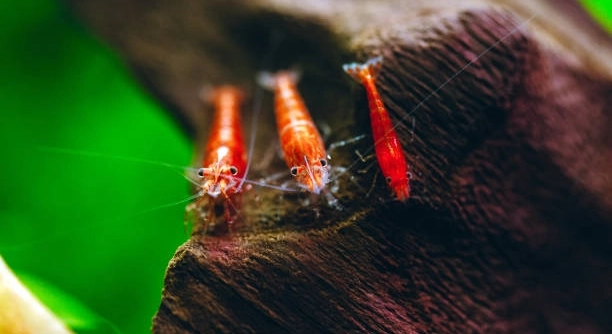
Do you ever notice shrimp farms struggling even when conditions seem normal? Environmental shocks can unexpectedly affect shrimp health and growth. Many farmers face challenges they cannot immediately identify, which may lead to sudden losses in productivity and quality.
Shrimp are highly sensitive to changes in their environment, including temperature fluctuations, oxygen levels, salinity, and water quality. Sudden shifts can cause stress, disease susceptibility, and mortality, making environmental stability crucial for sustainable shrimp farming.
Understanding these shocks can help farmers protect their stock and maintain consistent growth. Small adjustments and monitoring can make a significant difference over time.
Sudden Temperature Changes
Temperature swings can be very stressful for shrimp. When water gets too hot or too cold too quickly, shrimp metabolism is disrupted. They may stop eating or become more prone to disease. In ponds or tanks, even a small drop at night or a heat spike during the day can trigger stress. Monitoring water temperature is essential, especially during seasonal changes. Equipment like heaters or chillers can help maintain a steady temperature. Farmers often overlook nighttime cooling or midday sun exposure, which can cause fluctuations. Consistent temperatures help shrimp grow steadily and maintain strong immune systems. Sudden changes may also affect breeding, leading to lower yields. Preparing for predictable temperature shifts and reacting quickly to unexpected changes can prevent losses. Regular checks and maintaining shade or aeration in outdoor ponds reduce stress and create a stable environment for shrimp to thrive.
Temperature management is crucial for shrimp health. Avoiding sudden shifts improves growth and reduces disease risks significantly.
By controlling water temperature and reacting to changes immediately, shrimp farming becomes more predictable. Maintaining consistent conditions prevents stress, improves survival rates, and ensures better productivity. Combining aeration, shading, and monitoring devices can stabilize the environment. Attention to temperature is one of the most effective ways to protect shrimp from environmental shocks, making it a fundamental aspect of responsible aquaculture practices.
Poor Water Quality
Shrimp are highly sensitive to their water environment. Poor water quality can lead to disease and stunted growth.
Maintaining proper pH, dissolved oxygen, and low ammonia levels is essential for shrimp survival. Monitoring these parameters daily helps prevent sudden health issues.
Contaminants such as excess feed, waste, or chemical residues can deteriorate water quality rapidly. Ammonia and nitrite spikes reduce oxygen availability, directly impacting shrimp metabolism. Algae blooms may also deplete oxygen and release toxins. Consistent water testing allows farmers to adjust aeration, filtration, or water exchange rates quickly. Even small imbalances in pH or salinity can stress shrimp and make them more susceptible to infections. Implementing proper feeding schedules and avoiding overstocking helps reduce waste accumulation. Regular cleaning and sediment removal improve water clarity and quality. Maintaining balanced water parameters ensures shrimp grow efficiently, remain healthy, and survive unexpected environmental fluctuations. Effective water management is one of the most reliable ways to protect shrimp from long-term stress and losses.
Salinity Fluctuations
Shrimp are very sensitive to changes in salinity. Sudden increases or decreases can stress them, slowing growth and making them more vulnerable to disease.
Rapid changes in salinity affect the shrimp’s ability to regulate internal fluids. Inconsistent levels may lead to molting problems, poor feeding, and weakened immunity. Outdoor ponds are especially at risk during heavy rainfall or evaporation in hot weather. Consistent monitoring and gradual adjustments can help maintain optimal conditions. Some farmers use water blending techniques to stabilize salinity and reduce stress. Keeping salinity steady supports shrimp development and overall health.
Salinity instability can also impact reproduction and survival rates in young shrimp. Hatcheries must pay attention to both incoming water and pond evaporation. Small, frequent checks allow immediate corrections before serious issues develop. Over time, maintaining proper salinity reduces disease outbreaks, improves growth efficiency, and ensures stronger, more resilient shrimp. Combining salinity control with water quality monitoring provides a safer, more predictable environment for shrimp farming.
Oxygen Depletion
Low dissolved oxygen is dangerous for shrimp. Without enough oxygen, they become lethargic, eat less, and face higher mortality.
Oxygen levels can drop quickly due to overcrowding, high temperatures, or decaying organic matter. Aerators and regular water movement help maintain sufficient oxygen in ponds or tanks. Monitoring oxygen at multiple points ensures early detection of low levels.
Extended periods of low oxygen can trigger mass die-offs. Shrimp use more energy trying to breathe, reducing growth and weakening immunity. Decomposition of uneaten feed and waste further consumes oxygen, creating a cycle of stress. Adjusting feeding, increasing aeration, and performing partial water exchanges can restore oxygen balance. Preventing depletion requires consistent observation and timely intervention. By prioritizing oxygen management, farmers protect shrimp health, improve growth rates, and reduce losses caused by environmental stress.
Chemical Contamination
Shrimp are highly sensitive to chemicals in their water. Pesticides, heavy metals, or residues from nearby farms can harm their health and slow growth.
Even small amounts of contaminants can cause stress, reduce feeding, and increase susceptibility to disease. Testing water regularly is essential to ensure safety.
Disease Outbreaks
Pathogens such as bacteria, viruses, and fungi can spread quickly in shrimp ponds. Poor water quality, stress, or overcrowding often trigger outbreaks. Maintaining hygiene, monitoring shrimp behavior, and isolating infected individuals can help reduce losses and protect the rest of the stock.
Sudden Storms
Heavy storms or strong winds can damage shrimp ponds, change water quality, and increase stress. Quick action to protect infrastructure and stabilize water parameters is crucial to prevent mortality and preserve shrimp health.
FAQ
What are the main environmental shocks that affect shrimp?
The main environmental shocks include sudden temperature changes, fluctuations in salinity, poor water quality, oxygen depletion, chemical contamination, disease outbreaks, and extreme weather events. Each factor can stress shrimp, reduce growth, and increase mortality. Maintaining stable conditions helps prevent these issues and ensures healthier shrimp.
How do temperature changes impact shrimp health?
Shrimp are very sensitive to both rapid increases and decreases in temperature. Sudden heat spikes or cold drops disrupt metabolism, feeding, and molting cycles. Continuous monitoring and using heaters, chillers, or shading in outdoor ponds can maintain stable temperatures and reduce stress.
Why is water quality so important for shrimp?
Shrimp live entirely in water, so pH, ammonia, nitrite, and oxygen levels directly affect their health. Poor water quality can cause stress, make shrimp prone to disease, and stunt growth. Regular testing, water exchange, and proper feeding practices help maintain healthy conditions.
How does salinity affect shrimp farming?
Shrimp regulate internal fluids according to surrounding salinity. Sudden increases or decreases can cause stress, molting issues, and lower immunity. Gradual adjustments, monitoring, and blending water from different sources help maintain stable salinity levels and support growth.
What happens during oxygen depletion?
Low dissolved oxygen makes shrimp lethargic, reduces feeding, and increases mortality risk. Oxygen can drop due to overcrowding, high temperatures, or decaying feed. Aerators, water movement, and monitoring oxygen at multiple points prevent harmful drops and maintain shrimp health.
How can chemical contamination harm shrimp?
Pesticides, heavy metals, and chemical residues interfere with shrimp metabolism and immunity. Even small amounts can stress shrimp and increase disease susceptibility. Testing incoming water, avoiding runoff, and using safe pond management practices reduce exposure to harmful chemicals.
Why do disease outbreaks happen in shrimp ponds?
Disease outbreaks often result from poor water quality, stress, overcrowding, or introduction of pathogens. Bacteria, viruses, and fungi can spread quickly if not addressed. Early detection, maintaining hygiene, and isolating sick shrimp help control outbreaks and protect healthy stock.
How do storms or extreme weather affect shrimp?
Heavy storms or strong winds can damage pond structures, change water temperature and salinity, and reduce oxygen levels. Quick response, including stabilizing water quality and protecting infrastructure, helps prevent shrimp mortality and reduces stress from environmental disruption.
Can monitoring and preventive measures reduce environmental shocks?
Yes, consistent monitoring of temperature, salinity, oxygen, and water quality allows early detection of problems. Preventive actions like aeration, gradual water adjustments, shading, and controlled feeding reduce stress and protect shrimp from sudden environmental changes.
What is the most effective way to protect shrimp from multiple shocks?
A combination of regular monitoring, proper feeding, pond management, and quick corrective actions works best. Maintaining stable environmental conditions, managing water quality, and addressing issues promptly ensures shrimp remain healthy, grow efficiently, and survive unexpected shocks.
How often should shrimp farmers check pond conditions?
Daily checks are ideal for temperature, oxygen, and salinity. Weekly or bi-weekly tests for pH, ammonia, and nitrites help prevent long-term issues. Consistent observation allows early intervention before small problems turn into significant losses.
Are young shrimp more vulnerable to environmental shocks?
Yes, juvenile shrimp have weaker immunity and are more sensitive to sudden changes. Maintaining stable water parameters and avoiding overcrowding is especially important for young shrimp to support growth and survival.
How does stress from environmental shocks affect shrimp long-term?
Chronic stress slows growth, weakens immunity, increases susceptibility to disease, and can reduce reproductive success. Preventing shocks through monitoring, stable conditions, and careful pond management minimizes long-term impacts and supports healthy shrimp populations.
What tools can help manage environmental risks in shrimp ponds?
Aerators, water heaters, chillers, pond covers, oxygen meters, pH and salinity test kits, and automated feeding systems help maintain stability. These tools allow timely adjustments and reduce the risk of stress, disease, and mortality caused by environmental shocks.
Can proper planning prevent most shrimp losses?
While not all risks can be avoided, proper planning, monitoring, and preventive measures significantly reduce losses. Predicting seasonal changes, preparing for storms, and maintaining optimal water conditions help shrimp thrive and improve overall farm productivity.
Shrimp farming is highly sensitive to environmental conditions, and even small changes can have a large impact on shrimp health and growth. Factors like sudden temperature swings, salinity fluctuations, poor water quality, oxygen depletion, chemical contamination, disease outbreaks, and extreme weather all pose challenges. Each of these shocks can stress shrimp, reduce feeding, slow growth, and increase susceptibility to disease. Farmers who are aware of these risks can take steps to prevent or minimize their effects. Regular monitoring and careful management of ponds or tanks are essential for creating stable conditions. Consistent observation of water quality, temperature, and salinity, combined with proactive measures, allows farmers to identify problems early before they become severe. Over time, this attention to environmental stability can significantly improve shrimp survival rates and overall productivity, making it a key part of successful aquaculture.
Maintaining proper water conditions is central to keeping shrimp healthy. Poor water quality, including high ammonia or nitrite levels, low oxygen, or incorrect pH, can stress shrimp and make them more prone to disease. Monitoring these parameters regularly is critical, as sudden shifts can cause immediate harm. Aeration, water exchange, and careful feeding practices help maintain balance, while equipment such as oxygen meters and test kits can provide reliable measurements. Temperature and salinity also need constant attention. Sudden heat or cold can disrupt metabolism and molting, while large shifts in salinity affect internal fluid regulation. By keeping conditions consistent, farmers reduce stress, support steady growth, and maintain the overall health of the shrimp population. Preventive steps, like preparing for storms or controlling runoff from nearby farms, also contribute to a safer environment.
Taking a proactive approach to shrimp farming helps protect against losses caused by environmental shocks. Stress from poor conditions or sudden changes can have long-term effects, slowing growth and reducing reproductive success. By implementing regular checks, maintaining stable parameters, and responding quickly to changes, farmers give shrimp the best chance to thrive. Tools like aerators, heaters, shading structures, and water testing equipment make it easier to maintain a consistent environment. Even minor adjustments, when done promptly, can prevent major problems. Planning ahead for seasonal changes, chemical exposure, and disease risk helps minimize stress and ensures shrimp can grow efficiently. Overall, careful management and continuous attention to environmental conditions are key to sustaining healthy shrimp populations and successful aquaculture operations.

Hello,
If you enjoy the content that we create, please consider saying a "Thank You!" by leaving a tip.
Every little bit helps us continue crafting quality advice that supports the health, happiness, and well-being of pets around the world, for pets of all shapes, sizes, and species.
We really appreciate the kindness and support that you show us!