
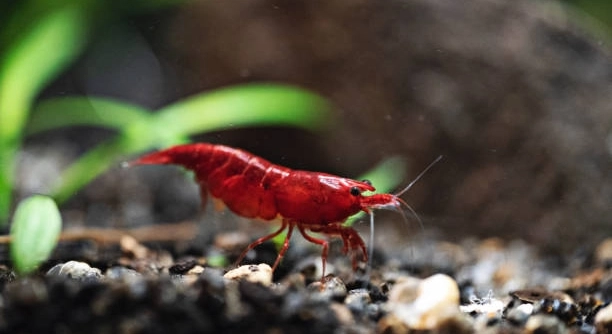
Do you ever find yourself watching your cherry shrimp swim and wonder how many can comfortably live together in one tank? These tiny, colorful creatures can brighten any aquarium with their activity and charm. Caring for them properly matters.
Cherry shrimp can indeed overpopulate a tank if their numbers exceed the available space, filtration, and hiding spots. Overcrowding can cause stress, poor water quality, slower growth, and increased susceptibility to disease, making careful population management essential.
Managing their numbers is important to maintain a healthy and balanced tank environment for both shrimp and plants. Proper planning ensures long-term enjoyment of your vibrant aquatic community.
How Many Cherry Shrimp Can Fit in a Tank
A standard 10-gallon tank can usually house about 20 to 30 cherry shrimp comfortably. Their small size makes them easy to keep, but overcrowding can sneak up quickly if you’re not paying attention. Cherry shrimp need space to swim, graze, and molt without stress. Overcrowding can lead to poor water conditions, and you’ll notice higher ammonia and nitrite levels. Plants and hiding spots are essential since these shrimp feel safer when they can retreat. Without adequate cover, they can become stressed and hide more, reducing their activity and breeding. Feeding plays a role too; too many shrimp for the amount of food available can cause competition and uneven growth. Observing your shrimp daily helps you notice if their tank is getting crowded. Signs like slowed movement or fewer babies indicate it’s time to manage the population or expand the tank.
Keeping the right number ensures your shrimp stay healthy and active.
Overcrowding also increases waste production and can upset the tank’s balance.
Managing tank size, adding plants, and monitoring shrimp numbers helps maintain a stable environment. Regular water checks and feeding routines prevent stress and support breeding. By spacing them properly and providing hiding spots, your shrimp can thrive. Choosing the right density is simple but crucial for a balanced aquarium.
Signs Your Tank is Overcrowded
Shrimp hiding constantly or molting issues are clear signs of overcrowding.
Overcrowded tanks often show water quality problems first. Increased waste from too many shrimp leads to higher ammonia, nitrite, and nitrate levels. Shrimp may compete for food, causing some to grow slower or become weak. Molting problems can appear because stressed shrimp cannot shed exoskeletons properly. Aggressive behavior is rare but may occur if hiding spots are limited. Plants and moss may suffer from overgrazing, further reducing cover. Monitoring behavior and water parameters is key. By adjusting shrimp numbers or adding tank space, you can restore balance and prevent long-term health issues. Consistent observation allows you to intervene early before stress or disease takes hold. Managing both population and environment ensures shrimp remain active, reproduce successfully, and your tank stays clean. This approach makes the tank more enjoyable and reduces maintenance problems over time.
Preventing Overcrowding
Monitoring shrimp numbers and tank conditions is essential to prevent overcrowding. Regular water testing and adjusting the population keep the tank balanced and shrimp healthy.
Maintaining proper density starts with knowing how many shrimp your tank can support. For a 10-gallon tank, 20–30 shrimp is ideal. Adding too many can overwhelm filtration and reduce water quality. Plants and moss help absorb waste and provide hiding spots, but they can only compensate so much. Removing excess shrimp or upgrading to a larger tank helps maintain balance. Regular observation of shrimp behavior and water parameters ensures early action before stress or health issues appear.
Feeding plays a role in preventing overcrowding problems. Overfeeding increases waste, which worsens water quality when the tank is already full. Keeping a moderate diet, providing enough plants, and controlling population creates a stable environment where shrimp can thrive and reproduce safely. Proper planning saves time and reduces stress for both you and the shrimp.
Tank Setup for Healthy Shrimp
A well-planned tank reduces overcrowding risks and keeps shrimp active. Proper filtration and live plants support their health.
Shrimp need a stable environment with clean water, consistent temperature, and plenty of hiding spots. Fine gravel or sand is ideal for grazing. Plants, moss, and decorations provide shelter and reduce stress. Filtration must be adequate for the number of shrimp to prevent spikes in ammonia or nitrites. Regular water changes help maintain balance and prevent overpopulation-related issues. Careful attention to tank layout ensures shrimp have space to explore, feed, and molt safely, which improves survival and breeding success.
Breeding Control
Controlling shrimp breeding helps prevent overcrowding. Separating males and females or limiting food can slow population growth.
Using breeding tanks or selectively removing baby shrimp keeps numbers manageable. Observing breeding patterns allows better planning for population control.
Water Quality Management
Maintaining clean water is crucial in crowded tanks. Frequent water changes, proper filtration, and monitoring ammonia, nitrite, and nitrate levels prevent stress and disease. Keeping parameters stable supports growth, molting, and reproduction, ensuring shrimp stay healthy even in denser setups.
Feeding Practices
Overfeeding can worsen overcrowding problems. Providing measured amounts of food ensures shrimp have enough to eat without polluting the tank.
FAQ
How do I know if my cherry shrimp tank is overcrowded?
Signs of overcrowding include shrimp hiding constantly, slowed movement, and reduced molting success. Water quality often drops, with higher ammonia or nitrite levels. Uneven growth among shrimp and increased competition for food also indicate the tank may have too many residents.
Can overcrowding harm baby shrimp?
Yes, baby shrimp are particularly vulnerable. Overcrowded conditions increase stress and competition for food, which can slow growth or cause mortality. Limited hiding spots make them easy targets for larger shrimp, reducing their survival rate. Proper population management helps ensure healthy offspring.
What tank size is best for cherry shrimp?
A 10-gallon tank is ideal for a small group, around 20–30 shrimp. Larger tanks allow more room for plants, hiding spots, and better water stability, reducing stress and promoting healthy growth. Overcrowding risks increase in smaller tanks.
How often should I monitor water quality?
Testing water at least once a week is recommended, especially in tanks with high shrimp density. Key parameters to monitor include ammonia, nitrite, nitrate, and pH. Consistent checks help catch early issues and prevent stress or disease.
Do plants help reduce overcrowding effects?
Yes, live plants provide hiding spots and grazing surfaces. Moss, Java fern, and other dense plants help absorb waste and give shrimp space to retreat. Plants also improve water quality and reduce stress, making them essential in crowded tanks.
Is it safe to add more shrimp to an established tank?
Adding new shrimp can be safe if the tank has enough space, hiding spots, and filtration capacity. Quarantine new shrimp first to prevent disease. Introducing too many at once can stress the existing population and worsen water quality.
How should I feed in a crowded tank?
Provide small, measured amounts of food, enough for all shrimp to eat within a few hours. Overfeeding increases waste, worsens water quality, and stresses shrimp. Feeding multiple times in smaller portions is better than one large feeding.
Can filtration handle overcrowding?
Filtration helps, but it has limits. Too many shrimp produce more waste than the filter can process efficiently, leading to spikes in ammonia and nitrite. Upgrading filtration or performing more frequent water changes is necessary in densely stocked tanks.
Should I separate shrimp by size?
Separating very small shrimp can reduce stress and competition for food, especially in tanks with adults. However, most small tanks manage well if hiding spots are sufficient. Observation of behavior helps decide if separation is necessary.
What’s the long-term impact of overcrowding?
Long-term overcrowding leads to stress, slower growth, reduced molting success, poor reproduction, and higher disease risk. Maintaining a balanced population ensures shrimp remain healthy and active over time, and the tank stays easier to manage.
Can I use breeding tanks to control numbers?
Yes, breeding tanks allow you to separate babies from adults until they are large enough to survive in the main tank. This prevents sudden population spikes and reduces competition for food and hiding spaces.
How many hiding spots do shrimp need?
Each shrimp should have at least one hiding space, such as moss clumps, plants, or decorations. Hiding spots reduce stress, support molting, and help maintain a balanced community even if numbers are slightly higher than recommended.
Does overcrowding affect molting?
Yes, crowded conditions increase stress, which can interfere with molting. Inadequate space or hiding spots may cause shrimp to get stuck in their exoskeletons, leading to injury or death. Proper density and cover support healthy molting cycles.
Are there signs of aggression in cherry shrimp?
Aggression is rare but can appear if hiding spots are limited. Shrimp may push each other away from food or crowding areas. Providing plants and decorations reduces tension and ensures all shrimp have access to food and shelter.
Can overcrowding affect shrimp color?
Stress from overcrowding can dull shrimp color. Healthy shrimp in a well-maintained, balanced tank usually show brighter red tones. Maintaining proper density, water quality, and nutrition supports vibrant coloring over time.
How do I reduce overcrowding without harming shrimp?
Options include moving some shrimp to another tank, increasing tank size, or using breeding tanks for juveniles. Avoid sudden large removals or water changes that can stress the remaining shrimp. Gradual adjustments are safest.
Do shrimp reproduce faster in crowded tanks?
Yes, shrimp may breed more in crowded tanks, but survival rates drop due to stress, limited food, and hiding spots. Proper population management ensures healthy growth and higher survival of offspring.
Can filtration and plants completely prevent overcrowding problems?
They help, but cannot fully prevent issues if the population exceeds tank capacity. Overcrowding still stresses shrimp, reduces water quality, and affects growth. Managing numbers is the most effective solution.
How can I plan for population growth?
Estimate adult numbers and potential offspring. Maintain enough space, plants, and filtration to handle growth. Remove excess shrimp gradually or provide separate tanks to avoid sudden overcrowding. Planning prevents stress and keeps the tank stable.
What’s the ideal shrimp density per gallon?
A safe guideline is 2–3 shrimp per gallon in a planted tank. Adjust based on plant coverage, hiding spots, and filtration strength. Higher numbers increase maintenance needs and risk of stress-related problems.
Can overcrowding affect tank plants?
Yes, too many shrimp can overgraze on moss or delicate plants. Dense planting helps, but monitoring shrimp numbers ensures plants survive, providing necessary shelter and improving overall tank health.
Is it necessary to count shrimp regularly?
Counting helps track population growth and detect overcrowding early. Observing behavior and estimating numbers ensures you take action before water quality or health issues arise.
Does overcrowding increase disease risk?
Yes, stress weakens shrimp immune systems, and crowded conditions accelerate disease spread. Maintaining proper density, clean water, and good nutrition reduces risk and promotes healthy growth.
Can I mix cherry shrimp with other species to reduce overcrowding?
Mixing can work with peaceful species, but it doesn’t reduce population—it only shares the tank space. Ensure other species won’t harm shrimp or compete excessively for food. Proper planning remains crucial.
How often should I adjust the population?
Adjust population as needed, based on tank size, water quality, and behavior. Gradual changes are safest. Regular monitoring ensures the tank stays balanced and shrimp remain healthy.
What is the best way to remove excess shrimp?
Gently transfer them to another tank or offer them to someone with a proper setup. Avoid overcrowding one area or sudden changes that stress the shrimp. Handling carefully ensures survival and reduces stress.
Can overcrowding affect shrimp lifespan?
Yes, stressed shrimp in overcrowded tanks may have shorter lifespans. Maintaining a balanced population, clean water, and proper nutrition supports longer, healthier lives.
How do I maintain a happy shrimp tank long-term?
Regular monitoring, careful feeding, proper filtration, adequate hiding spots, and managing population size all contribute to a stable, thriving tank where shrimp remain healthy and active for years.
Cherry shrimp are small, colorful creatures that bring life and activity to a home aquarium. Their tiny size and peaceful nature make them enjoyable to watch, but they require attention to population and tank conditions to thrive. Overcrowding is one of the main concerns when keeping cherry shrimp. When too many shrimp are in a tank, the balance of the environment can quickly be upset. Water quality may decline, hiding spots may become scarce, and stress can affect the shrimp’s health. Even though cherry shrimp are small, they still need space to swim, feed, and molt safely. Without proper management, overcrowding can lead to slower growth, poor reproduction, and higher vulnerability to disease. Observing their behavior daily and understanding their needs is essential for maintaining a healthy tank. Keeping their population in check ensures that each shrimp has enough room and resources to live comfortably, which makes the tank more enjoyable overall.
Population control is not only about limiting numbers but also about planning for future growth. Cherry shrimp reproduce quickly under favorable conditions, and a small tank can become crowded faster than expected. Providing plenty of plants, moss, and hiding spots helps, but these measures cannot replace proper population management. Using separate breeding tanks for juveniles or gently relocating some shrimp to another tank helps prevent sudden overcrowding. Feeding practices also play a role in keeping the population balanced. Overfeeding can worsen water quality, especially in a crowded tank, while moderate feeding ensures all shrimp have access to food without creating excess waste. Adequate filtration, regular water changes, and careful observation of behavior and health signs are key to preventing issues caused by high density. Planning ahead and managing the tank proactively keeps shrimp healthy and reduces the likelihood of stress or disease caused by too many residents in one space.
Finally, maintaining a balanced tank environment benefits both the shrimp and the aquarist. A tank with the right number of shrimp, good water quality, and enough plants allows the shrimp to behave naturally, feed properly, and reproduce successfully. Overcrowding can have subtle but long-term effects, such as stunted growth or duller coloration, which may not be immediately noticeable but impact the shrimp over time. By paying attention to population, water parameters, and overall tank setup, you can create a stable and thriving habitat for cherry shrimp. Regular monitoring and adjustments prevent small problems from becoming major ones and ensure the tank remains a peaceful and healthy space. Careful planning, proper maintenance, and understanding the shrimp’s needs make it possible to enjoy the beauty and activity of a cherry shrimp tank without the stress and complications of overcrowding. A well-managed tank allows these tiny creatures to live comfortably, and observing them flourish becomes a rewarding part of aquarium keeping.

Hello,
If you enjoy the content that we create, please consider saying a "Thank You!" by leaving a tip.
Every little bit helps us continue crafting quality advice that supports the health, happiness, and well-being of pets around the world, for pets of all shapes, sizes, and species.
We really appreciate the kindness and support that you show us!