
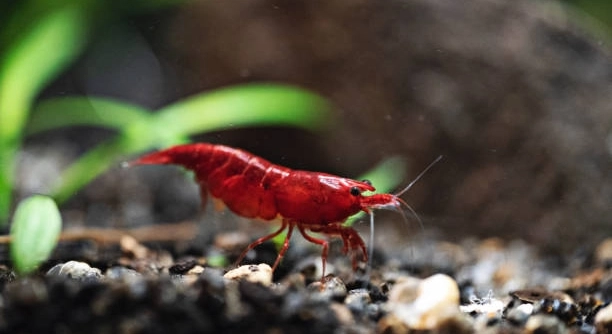
Uneven color in cherry shrimp can be frustrating for hobbyists who value vibrant, consistent hues in their tanks. These small creatures are sensitive to environmental changes, diet, and stress, all of which can influence their coloration subtly but noticeably.
Several factors contribute to uneven color in cherry shrimp, including poor water quality, inadequate nutrition, genetic variation, molting issues, stress, insufficient light, and aging. Each of these elements can disrupt pigment development, leading to patchy or dull coloration over time.
Identifying the causes behind your shrimp’s uneven coloring is important for maintaining a healthy, visually appealing aquarium environment. Proper care and attention can help restore their natural vibrancy effectively.
Poor Water Quality
Poor water quality is a major reason cherry shrimp lose their even color. These shrimp are highly sensitive to changes in ammonia, nitrites, and nitrates. Even small fluctuations can stress them, causing their colors to fade or become patchy. Hard or soft water that is outside their preferred range can also impact pigment development. Chlorine or heavy metals in tap water may further affect their overall health. Maintaining stable parameters, such as keeping ammonia and nitrites at zero and nitrates low, helps shrimp retain vibrant coloration. Regular water changes and monitoring are essential. Filtration is important too, but overly strong currents can stress shrimp and lead to color loss. By ensuring water conditions are stable and clean, you create an environment where cherry shrimp can display their natural colors fully. Consistency and attention to detail in water maintenance directly influence the appearance and vitality of the shrimp.
Monitoring water parameters closely helps prevent color fading effectively.
Consistently maintaining proper water quality benefits not only coloration but overall shrimp health. Stable conditions reduce stress, support molting, and prevent disease. A well-balanced tank encourages feeding, breeding, and natural behaviors, all of which contribute to bright, even pigmentation. Filtration systems, substrate choice, and regular partial water changes work together to create optimal conditions. Avoid sudden chemical treatments or harsh cleaners, which can shock shrimp and cause pigment loss. Observing shrimp daily allows you to notice early signs of stress or discoloration, letting you intervene quickly. Over time, attentive care leads to stronger, healthier shrimp that maintain their vibrant hues, making your tank more visually appealing and balanced.
Inadequate Nutrition
A poor diet can result in uneven or dull coloring. Cherry shrimp need a varied diet with essential nutrients and pigments.
Feeding them high-quality foods with natural color-enhancing ingredients like carotenoids supports their red coloration and overall health.
Balanced nutrition strengthens shrimp immunity and promotes consistent color development. Supplementing with algae, blanched vegetables, and occasional protein treats ensures they receive vitamins, minerals, and pigments needed for vibrant coloration. Overfeeding or relying solely on pellets can lead to nutrient deficiencies, molting problems, and uneven pigmentation. Observing shrimp during feeding helps assess if all individuals are receiving adequate nutrition, which is especially important in larger tanks. A steady, appropriate feeding routine combined with clean water fosters optimal growth, healthy molting cycles, and rich, even colors.
Stress
Stress in cherry shrimp can cause color loss and uneven pigmentation. Factors like sudden temperature changes, aggressive tank mates, or overcrowding can trigger stress. Maintaining a calm, stable environment helps shrimp keep their natural coloration.
Stress affects shrimp behavior, appetite, and molting cycles, all of which influence color. When shrimp are stressed, they may hide more often, eat less, or fail to molt properly, leading to dull or patchy coloration. Overcrowding can increase competition for food and space, causing weaker shrimp to fade in color. Aggressive or fast-moving fish in the tank can frighten shrimp, adding to stress. Sudden changes in water temperature or chemistry can also trigger stress responses. Keeping water parameters stable, providing hiding spaces, and limiting tank disturbances reduce stress levels. Observing shrimp behavior regularly helps identify stress signs early, allowing adjustments before color loss becomes severe.
Providing plenty of plants, hiding spots, and gentle tankmates improves shrimp confidence and reduces stress-related color fading. A calm environment encourages feeding and molting, helping them regain vibrant hues naturally over time.
Molting Issues
Irregular or problematic molting can affect pigmentation. Shrimp that cannot molt properly may develop uneven color or patches. Proper water conditions and nutrition support smooth molting cycles.
Molting is essential for growth and color development. When shrimp molt, they shed their old exoskeleton and reveal a fresh, vibrant layer underneath. Nutrient deficiencies, poor water quality, or stress can interfere with this process, resulting in incomplete molts or delayed cycles. Incomplete molting often causes faded coloration, as pigments are not fully developed in the new exoskeleton. Maintaining stable water parameters, especially calcium and magnesium levels, is important for successful molts. Providing a balanced diet with sufficient minerals ensures that shrimp have the building blocks needed for healthy exoskeletons and bright colors.
Observing molting frequency and condition helps prevent long-term color issues. Shrimp that molt successfully tend to regain their natural pigmentation quickly. Attention to both diet and water chemistry reduces molting problems and ensures consistent, even coloration across all individuals in the tank. Regular monitoring allows for adjustments before minor issues become more serious.
Insufficient Light
Cherry shrimp need adequate lighting for pigment expression. Low light can cause colors to fade and appear uneven. Providing moderate, consistent light helps maintain their natural red hues.
Too much direct or harsh light can also stress shrimp. Balanced lighting encourages healthy behavior, feeding, and color retention.
Genetic Variation
Genetics play a significant role in cherry shrimp coloration. Even with perfect care, some shrimp naturally show lighter or patchy colors due to inherited traits. Breeding selectively over generations helps improve consistent coloration.
Aging
As cherry shrimp age, their colors can fade naturally. Older shrimp often display less vibrant and uneven pigmentation. Monitoring lifespan and rotating populations helps maintain a visually appealing tank.
FAQ
Why are my cherry shrimp losing color even though water parameters are fine?
Even if your water parameters seem ideal, stress, poor diet, or molting issues can still cause color loss. Shrimp are sensitive creatures, and even minor changes in tank dynamics, overcrowding, or insufficient nutrients can affect pigmentation. Observing their behavior and ensuring proper nutrition often resolves these issues.
Can uneven color in cherry shrimp be reversed?
Yes, in many cases uneven color can improve with proper care. Stabilizing water conditions, providing a balanced diet rich in natural pigments, reducing stress, and ensuring regular, successful molting cycles all contribute to restoring vibrant coloration. Patience is key, as changes may take several weeks to become noticeable.
Does lighting really affect cherry shrimp color?
Lighting plays an important role in pigment expression. Shrimp kept under low light may display dull or uneven colors. Consistent moderate light helps maintain their natural hues, while excessive or harsh light can stress shrimp, reducing coloration instead of enhancing it.
How does diet impact pigmentation?
Nutrition directly affects color. Foods rich in carotenoids, such as spirulina, algae, and blanched vegetables, support red and orange pigments in cherry shrimp. A varied diet also strengthens immunity and supports healthy molting, which is essential for color development. Overreliance on basic pellets may lead to patchy or faded shrimp.
Are all shrimp affected by aging in the same way?
Not all shrimp fade at the same rate. Older shrimp typically show less vibrant coloration, but genetics and previous care also influence how quickly colors dull. Maintaining optimal tank conditions can slow the fading process, but some decline in pigmentation is natural as shrimp reach the end of their lifespan.
Can stress be the only reason for uneven coloration?
Stress alone can significantly impact shrimp color. Factors like aggressive tank mates, sudden temperature changes, or overcrowding can trigger stress responses that make pigments appear dull or patchy. Even healthy shrimp in good water may fade if stressed, so providing hiding spots and a calm environment is essential.
How often should I check water parameters to prevent color loss?
Frequent monitoring is crucial. Checking ammonia, nitrite, nitrate, pH, and temperature at least once a week helps catch fluctuations before they affect shrimp color. Regular partial water changes and maintaining stable parameters are key to keeping colors vibrant and preventing stress-related fading.
Does genetics matter for maintaining color consistency?
Genetics is a major factor. Even in perfect conditions, some shrimp are naturally lighter or patchy due to inherited traits. Selective breeding over generations improves the likelihood of vibrant, consistent coloration, but variation will always exist unless using carefully controlled lineages.
Can uneven color indicate disease?
Sometimes. While fading or patchy colors are often due to stress, diet, or molting issues, sudden discoloration combined with lethargy, poor feeding, or visible spots could indicate illness. Observing shrimp behavior and water quality can help distinguish between health issues and normal color variation.
What is the best way to encourage brighter colors?
A combination of stable water parameters, balanced diet, stress reduction, and proper lighting encourages brighter colors. Adding calcium-rich foods supports molting, while pigment-rich foods enhance red hues. Consistency in care and observation ensures shrimp maintain their natural vibrancy over time.
How can I prevent uneven color in a mixed shrimp tank?
Providing consistent care for all shrimp is important. Avoid overcrowding, ensure all individuals have access to food, maintain water quality, and reduce stress from tank mates. Selective feeding and monitoring for molting problems help maintain even coloration across the population.
Is it normal for shrimp colors to change after molting?
Yes. After molting, shrimp often appear paler temporarily. Colors usually return within a few hours to days as the new exoskeleton hardens and pigments fully develop. Ensuring proper nutrition and water conditions supports faster recovery of vibrant coloration.
Can color loss be prevented entirely?
Complete prevention is difficult because genetics, aging, and natural stressors play a role. However, attentive care, stable water conditions, proper diet, and low-stress environments significantly reduce the likelihood of uneven color, helping shrimp display their best natural hues consistently.
Final Thoughts
Maintaining vibrant and even coloration in cherry shrimp requires consistent attention to their environment, diet, and overall care. Water quality is one of the most critical factors. Regular testing for ammonia, nitrites, nitrates, and pH ensures that conditions remain stable. Even small fluctuations can cause stress and lead to fading or patchy colors. Along with water parameters, temperature stability is important, as sudden changes can affect shrimp health and pigmentation. Using a reliable filtration system, performing regular partial water changes, and avoiding harmful chemicals all contribute to creating a safe and consistent habitat. These small efforts accumulate over time, helping shrimp retain their natural red hues and promoting overall vitality.
Nutrition also plays a significant role in shrimp coloration. A varied diet that includes algae, blanched vegetables, and specialized foods rich in natural pigments like carotenoids can enhance red and orange tones. Avoid relying solely on one type of food, as this can result in nutrient deficiencies that affect molting and pigment development. Proper feeding schedules, along with monitoring shrimp during feeding, ensure all individuals receive adequate nutrition. Overfeeding should be avoided to prevent water quality issues and stress, which can further impact color. Maintaining a balance between diet and clean water supports healthy molting cycles, strengthens immunity, and encourages shrimp to display even, vibrant colors naturally over time.
Other factors, including stress, genetics, and aging, also influence shrimp color. Stress from overcrowding, aggressive tank mates, or frequent disturbances can dull pigmentation. Providing hiding spots, maintaining a calm environment, and carefully selecting tankmates reduces stress and allows shrimp to feel secure. Genetics determine the baseline intensity and consistency of color, meaning some variation is natural even under ideal conditions. Aging shrimp may naturally lose vibrancy, which is a normal part of their life cycle. By understanding and managing these factors together, shrimp keepers can create an environment that supports strong, consistent coloration. Consistency, observation, and patience are key, as it may take weeks for improvements to be noticeable, but diligent care ensures healthier and more visually appealing shrimp.

Hello,
If you enjoy the content that we create, please consider saying a "Thank You!" by leaving a tip.
Every little bit helps us continue crafting quality advice that supports the health, happiness, and well-being of pets around the world, for pets of all shapes, sizes, and species.
We really appreciate the kindness and support that you show us!