
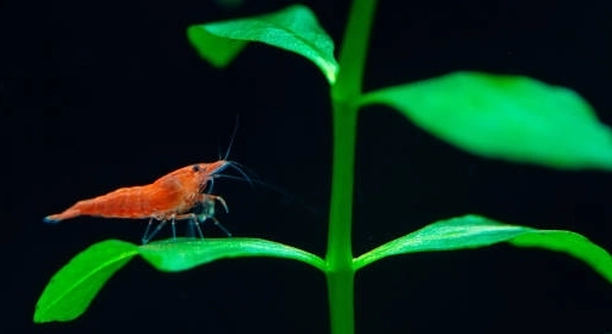
Cherry shrimp are popular among aquarists for their bright colors and lively behavior. They are small, delicate creatures that require careful attention to water conditions and tank setup to thrive comfortably in home aquariums.
Cherry shrimp can generally tolerate gentle filter flow, as strong currents may stress them and limit their movement. Using sponge filters or adjustable low-flow filters ensures proper water circulation without disturbing their natural behavior or causing harm.
Maintaining a balance between filtration and flow is essential for their health and comfort, ensuring these tiny shrimp thrive in a well-managed aquarium environment.
Understanding Cherry Shrimp Behavior
Cherry shrimp are small and sensitive, so observing their behavior is key to providing a comfortable environment. They tend to hide when stressed or when water flow is too strong. In a low-flow aquarium, they can explore freely and graze on biofilm and algae without difficulty. High currents make swimming exhausting and can cause them to cling to surfaces constantly. Their social behavior also depends on flow, as they interact more naturally when they can move at their own pace. Proper hiding spots, like moss, plants, and small decorations, help reduce stress and create a sense of security. Feeding them regularly with balanced nutrition supports their health, enhancing their color and vitality. Maintaining stable water parameters, including temperature and pH, ensures that they remain active and healthy. Watching their movements closely helps identify if adjustments to filter flow are necessary.
Observing shrimp behavior daily helps you notice stress signs before they become serious health issues.
Providing a calm environment with proper flow allows cherry shrimp to thrive, stay active, and maintain their vibrant appearance while interacting naturally with tankmates and surroundings.
Choosing the Right Filter
Selecting the proper filter type is essential for keeping cherry shrimp safe.
Sponge filters are ideal because they provide gentle water movement while ensuring adequate filtration. They prevent shrimp from being sucked into the intake and allow debris to settle naturally. Adjustable hang-on-back or canister filters can work if the flow is lowered or diffused. Positioning the filter output to break the current against a surface or rock softens the flow. Avoid strong powerheads that create rapid water movement, as this can exhaust shrimp and reduce feeding efficiency. Ensuring consistent water quality is as important as flow, because sudden changes in current or water parameters can stress them. Using pre-filters or filter sponges further protects tiny shrimp and their young from being pulled into strong currents. Careful attention to filter placement and maintenance maintains a stable environment, supporting overall shrimp health and breeding success. By observing their activity and making adjustments, a tank can sustain a thriving shrimp population with minimal stress.
Adjusting Flow in Your Tank
Adjusting flow ensures cherry shrimp can move freely without stress. Low or diffused currents prevent them from being pushed around and support natural grazing and exploration.
Using flow regulators, sponge attachments, or redirecting the filter output can create gentler currents. Observing shrimp response helps identify the ideal flow level. Shrimp may cling to surfaces if the flow is too strong, which can indicate the need for further adjustment. Testing different placements of decorations and plants also reduces direct flow in high-traffic areas, giving shrimp calm zones to rest and feed. This careful balance protects both shrimp and the filtration system’s efficiency.
A well-planned adjustment allows water to circulate efficiently while creating calm areas for shrimp to feed, molt, and socialize. Minimal stress encourages activity and promotes color vibrancy and overall health in the tank environment.
Signs Your Shrimp Are Stressed by Flow
Shrimp may hide excessively, cling to surfaces, or have difficulty swimming if the current is too strong. Observing behavior is critical to maintaining comfort.
Stress can manifest in reduced feeding, pale coloration, or frequent escapes into corners of the tank. Continuous exposure to strong currents may even prevent molting and slow growth, affecting overall health and reproduction. Identifying these signs early allows for flow adjustments and rearrangement of tank features. Adding plants, moss, or small decorations creates zones where shrimp can avoid strong currents while still having access to food and open swimming space. Regular monitoring and minor tweaks can prevent long-term stress issues.
Providing zones with reduced flow alongside gentle currents ensures shrimp can thrive naturally. Observing and responding to stress signs supports long-term health, color vibrancy, and activity levels in your cherry shrimp population.
Ideal Tank Setup for Flow
Placing plants and decorations strategically can help control water flow. Dense areas create natural breaks in the current, giving cherry shrimp calm zones to explore safely.
Using moss, rocks, or small ornaments near the filter output diffuses strong currents. This setup encourages natural grazing and movement without stressing the shrimp.
Filter Placement Tips
Position the filter output against a wall or behind tall plants. This reduces direct force on the shrimp while maintaining circulation throughout the tank. Proper placement ensures water quality remains high without overwhelming delicate shrimp.
Monitoring Water Quality
Regular testing of ammonia, nitrite, and nitrate levels is essential. Stable water conditions support shrimp health, allowing them to tolerate mild currents without stress.
Small Adjustments Matter
Even minor tweaks in flow direction or filter strength can make a big difference. Observing shrimp response helps fine-tune the tank for comfort and activity.
FAQ
Can cherry shrimp survive in strong filter flow?
Cherry shrimp are fragile and do not handle strong currents well. Intense flow can exhaust them, interfere with feeding, and make hiding difficult. They need areas of calm water to rest and feed. Using adjustable filters or sponge filters allows circulation without stressing the shrimp, ensuring safety and activity.
What type of filter is best for cherry shrimp?
Sponge filters are ideal because they provide gentle filtration and avoid pulling shrimp into the intake. Low-flow hang-on-back filters with pre-filters or sponge attachments also work. Canister filters can be used if the output is redirected or diffused. Avoid strong powerheads directly in shrimp zones.
How do I know if the flow is too strong?
Shrimp clinging to surfaces constantly, hiding excessively, or struggling to swim are clear signs. Pale coloration or reduced feeding may also indicate stress. Observing their behavior daily allows quick adjustments to filter placement, flow direction, or current strength to improve comfort.
Can shrimp adjust to higher flow over time?
Some shrimp may adapt gradually, but it is risky. Even if they manage, strong currents increase energy expenditure and stress, reducing lifespan and reproduction rates. It’s safer to provide consistent, gentle currents with calm areas for grazing and resting.
How can I reduce flow without sacrificing filtration?
Redirecting the output behind plants or decorations diffuses water movement. Adding a sponge or pre-filter on the intake reduces suction and softens flow. Positioning the filter output toward a wall or angled surface maintains circulation while protecting shrimp from strong currents.
Is tank size relevant to flow management?
Yes, smaller tanks often have stronger relative currents, which can overwhelm shrimp. Larger tanks allow more space for flow distribution and natural break zones. Placement of plants, moss, and decorations helps create calm pockets in both small and large tanks, making shrimp feel secure.
Do baby shrimp require gentler flow than adults?
Absolutely. Baby shrimp are tiny and much more susceptible to being carried by currents. Gentle filtration and protected areas with dense moss or fine plants are essential. Many breeders separate juveniles into low-flow or nursery zones to improve survival rates and reduce stress.
Can plants help control filter flow?
Yes. Tall or dense plants act as natural barriers, slowing currents and creating calm zones. Floating plants also help diffuse flow near the surface. This approach combines aesthetic value with practical protection for shrimp, allowing them to explore without constant struggle.
How often should I check flow and shrimp behavior?
Daily observation is ideal. Look for hiding patterns, feeding behavior, and swimming activity. Minor adjustments to flow, filter output, or tank decorations can prevent stress before it affects health. Consistent monitoring ensures shrimp remain active and vibrant.
Are there signs of permanent stress from flow issues?
Shrimp that repeatedly struggle with strong currents may exhibit slower growth, reduced molting, or weak coloration. These long-term effects indicate prolonged stress and require immediate adjustment to filtration, tank setup, or placement of protective structures.
Can shrimp thrive in a community tank with other species and flow?
Yes, but it requires careful planning. Tankmates that create strong currents or compete aggressively for food can stress shrimp. Using gentle filters, protected zones, and strategic decoration placement ensures cherry shrimp remain safe and active while coexisting with other species.
Do shrimp use hiding spots primarily for safety or flow protection?
Both. Shrimp naturally seek shelter for protection from predators, but dense plants and moss also help them avoid strong currents. Providing multiple hiding areas allows them to move freely and rest as needed without encountering stressful water flow.
Is it possible to over-correct and make the flow too weak?
Yes. Extremely stagnant water can reduce oxygen levels and allow debris to settle excessively, affecting water quality. Balancing flow is key: gentle but consistent currents maintain oxygenation, nutrient distribution, and waste removal while keeping shrimp comfortable.
What is the best practice for adjusting flow in an established tank?
Make small, incremental adjustments. Move the filter output slightly, add or reposition plants, or reduce the filter’s power gradually. Observe shrimp response over several hours to ensure comfort before making further changes. Sudden changes can cause stress or disrupt feeding patterns.
How does molting relate to flow conditions?
Shrimp need calm areas to molt safely. Strong currents can prevent proper molting or cause injury. Providing dense plants or moss in low-flow zones allows shrimp to shed shells safely, supporting growth and reducing vulnerability to stress or disease.
Can cherry shrimp thrive in low-flow tanks long-term?
Yes, low-flow tanks with adequate filtration and water movement are ideal. They minimize stress, support natural behavior, and create stable conditions for feeding, molting, and reproduction. Proper maintenance, decoration, and observation ensure shrimp thrive in these gentle environments.
Do filter types impact water clarity differently for shrimp tanks?
Sponge filters may leave the water slightly cloudy initially but are safe for shrimp. Canisters and hang-on-back filters provide clearer water but require flow adjustments. Combining gentle filtration with plant-based natural filtration helps maintain clarity without stressing the shrimp.
Are there any tools to measure or visualize flow?
Floating objects like small pieces of paper or plant leaves help gauge water movement. Observing how they move indicates current strength and direction. Adjusting the filter or decorations based on these observations ensures shrimp comfort without relying on specialized equipment.
Does temperature influence how shrimp handle flow?
Yes. Warmer water increases metabolism, so shrimp may tire more quickly in strong currents. Cooler, stable temperatures reduce activity and energy expenditure. Maintaining consistent temperatures helps shrimp cope better with moderate flow while staying healthy and active.
How do I balance filtration efficiency with shrimp comfort?
Distribute flow using diffusers, sponges, and strategic decoration placement. Ensure water circulates fully without creating strong currents in shrimp zones. Regular observation and minor adjustments maintain both water quality and shrimp well-being, supporting long-term activity, color vibrancy, and health.
This FAQ provides a comprehensive guide to managing cherry shrimp and filter flow, covering safety, observation, and practical tank adjustments to create a thriving environment.
Cherry shrimp are small, delicate creatures that thrive best in environments where water flow is carefully managed. They are naturally curious and active, but strong currents can stress them, making it difficult for them to feed, molt, or explore. In a well-planned tank, gentle flow allows them to move freely while maintaining proper water circulation. Using sponge filters, adjustable hang-on-back filters, or other low-flow options helps balance filtration and comfort. Placing decorations, moss, and plants strategically reduces direct current in key areas, giving shrimp safe zones where they can rest and graze. This setup not only protects shrimp but also encourages natural behavior, helping them remain healthy and vibrant over time. Observing how they respond to flow is essential, as even small adjustments can make a significant difference in their activity levels and stress management.
Maintaining a proper tank environment involves more than just adjusting flow. Water quality plays a critical role in ensuring shrimp remain healthy and resilient. Regular testing of parameters like ammonia, nitrite, nitrate, and pH is important, as unstable conditions can compound the stress caused by strong currents. Providing hiding spots and dense plants gives shrimp the option to avoid areas of higher flow when needed. Juvenile shrimp are especially sensitive and benefit from calm areas where they can feed and grow safely. Proper feeding, along with stable temperature and clean water, supports growth, molting, and reproduction. By combining gentle flow, appropriate filtration, and a well-decorated tank, you create an environment where shrimp can thrive naturally, displaying their bright colors and active behavior without unnecessary stress.
Finally, observing your shrimp regularly is key to maintaining a healthy tank. Watching their movement patterns, feeding habits, and overall activity provides insight into whether flow adjustments or additional calm zones are needed. Even minor changes, like redirecting the filter output or adding more plants, can improve comfort and reduce stress. A well-managed environment ensures that shrimp remain active, colorful, and healthy, while also supporting breeding and long-term survival. Balancing water flow with filtration efficiency creates a stable and safe space, allowing cherry shrimp to behave naturally while keeping the aquarium clean and vibrant. Consistency, careful monitoring, and small, thoughtful adjustments are the foundation of a thriving shrimp tank where both shrimp and the aquatic ecosystem remain in harmony.

Hello,
If you enjoy the content that we create, please consider saying a "Thank You!" by leaving a tip.
Every little bit helps us continue crafting quality advice that supports the health, happiness, and well-being of pets around the world, for pets of all shapes, sizes, and species.
We really appreciate the kindness and support that you show us!