
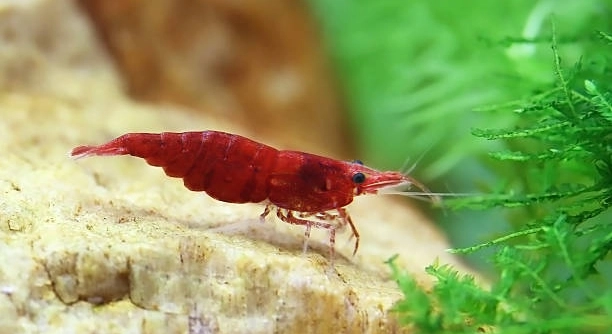
Cherry shrimp are small, colorful freshwater creatures often kept in home aquariums. While they are known for eating algae and commercial shrimp food, their diet can include a variety of surprising items found in their environment.
In addition to algae and prepared shrimp food, cherry shrimp may consume blanched vegetables, decaying plant matter, biofilm, leftover fish food, tiny invertebrates, and even certain fungi. These unusual foods provide essential nutrients and contribute to their overall health and growth.
Knowing about these uncommon food sources helps create a richer, more balanced habitat, ensuring your shrimp remain healthy and active in your aquarium.
Blanched Vegetables
Cherry shrimp enjoy soft, blanched vegetables like zucchini, spinach, or cucumber. Blanching softens the vegetables, making them easier to eat and digest. Adding these veggies provides vitamins and minerals that support their coloration, growth, and overall health. They are also a great source of fiber, which aids digestion and keeps shrimp active. Fresh vegetables should be introduced gradually, and uneaten portions removed after a few hours to prevent water contamination. Observing shrimp as they feed allows you to see which vegetables they prefer and adjust portions accordingly. Regularly including vegetables in their diet helps maintain a balanced nutrition profile. Overfeeding can lead to water quality issues, so moderation is key. Many shrimp will gather around vegetables immediately, showing interest in the new addition. Blanched vegetables also help reduce boredom, offering variation beyond their usual algae and shrimp pellets.
Blanched vegetables are safe and highly beneficial for cherry shrimp. They provide essential nutrients and promote active, healthy shrimp.
Vegetables are a simple way to enrich a shrimp tank. They support natural behaviors like grazing and scavenging while giving shrimp vital nutrients. Preparing them correctly ensures water quality remains stable, and shrimp enjoy each bite without stress. Regular inclusion helps maintain strong shells, vibrant colors, and overall vitality.
Decaying Plant Matter
Cherry shrimp will often feed on decaying leaves or plant matter in the aquarium.
Decaying plant matter is a natural food source, rich in microorganisms and nutrients. It offers fiber, essential minerals, and fosters a natural grazing environment. This type of diet encourages foraging behaviors and provides variety. Shrimp consume the soft, decomposed parts while biofilm and microorganisms thrive on the surface. Adding leaf litter, such as Indian almond leaves, benefits water chemistry, slightly lowering pH and adding tannins. These changes mimic natural habitats, promoting shrimp health and stress reduction. Leaves should be added in moderation, and old, fully decomposed pieces removed to maintain cleanliness. Watching shrimp graze on decaying matter is fascinating, as they pick at small sections continuously, slowly consuming the material over days. The combination of nutrients, fiber, and microorganisms supports growth, molting, and vibrant coloration, making decaying plant matter a highly functional addition to their diet.
Biofilm
Biofilm forms naturally on aquarium surfaces and is a vital food source for cherry shrimp. It contains bacteria, algae, and microorganisms that provide essential nutrients and help maintain shrimp health. Grazing on biofilm supports their natural foraging behavior and overall activity.
Biofilm offers a mix of proteins, carbohydrates, and beneficial microbes, making it an important dietary component. It grows on plants, decorations, and tank walls, creating an ever-present food source. Cherry shrimp constantly scrape and nibble at biofilm, which helps keep them active and engaged. Maintaining a balanced aquarium with minimal harsh cleaning allows biofilm to thrive, benefiting shrimp nutrition. Supplementing with foods that encourage biofilm growth can further enhance its availability and ensure shrimp receive a steady nutrient intake. Observing shrimp feed on biofilm can also provide insight into their health and activity levels.
Grazing on biofilm is instinctive for cherry shrimp. It supports their digestion, helps with shell development, and contributes to overall vitality in a natural way.
Tiny Invertebrates
Cherry shrimp occasionally consume tiny invertebrates like daphnia or micro-worms. These small creatures are protein-rich and help support growth, molting, and coloration. Providing live or frozen invertebrates adds variety to their diet.
Invertebrates are an excellent source of protein, essential for molting and maintaining strong exoskeletons. They also provide lipids and micronutrients that enhance overall shrimp health. Feeding small amounts of live or frozen invertebrates mimics natural scavenging behavior, keeping shrimp active and engaged. Portion control is important to avoid water quality issues, as leftover food can decay quickly. Introducing invertebrates occasionally encourages hunting instincts and provides nutritional benefits that processed foods alone cannot offer. Observing shrimp interact with these tiny prey is both practical and fascinating, demonstrating their natural tendencies in a controlled aquarium environment.
Adding invertebrates to the diet ensures shrimp receive a complete range of nutrients, supporting growth, shell strength, and vibrant coloration. They provide a natural source of protein that complements plant matter and algae. Regular inclusion of invertebrates encourages active foraging and reduces boredom, making shrimp more resilient and healthy. A balanced approach, combining these protein sources with vegetables and biofilm, ensures optimal long-term well-being for your aquarium shrimp.
Fungi
Some cherry shrimp will nibble on soft, aquarium-safe fungi that develop on driftwood or plant surfaces. These fungi are rich in nutrients and provide variety to their diet. Grazing on fungi also encourages natural foraging behavior.
Fungi in the tank offer proteins, carbohydrates, and trace minerals. Shrimp consume them gradually, benefiting from the nutrients without overfeeding. This food source complements vegetables, biofilm, and invertebrates.
Leftover Fish Food
Cherry shrimp can consume leftover fish flakes or pellets. These foods provide additional proteins and nutrients they might not get from their regular diet.
Algae
Algae is a primary food source for cherry shrimp. It provides essential nutrients, supports digestion, and keeps them active in the aquarium.
FAQ
What unusual foods can cherry shrimp eat besides algae and shrimp pellets?
Cherry shrimp can eat a variety of foods beyond their standard diet. They consume blanched vegetables like zucchini, spinach, and cucumber, which are soft enough to nibble and rich in nutrients. They also graze on decaying plant matter, fungi growing on wood, biofilm, tiny invertebrates, and leftover fish food. These items provide additional proteins, minerals, and vitamins, supporting healthy growth, shell strength, and vibrant coloration. Including these foods helps maintain natural foraging behaviors and adds variety to their diet, preventing boredom and encouraging overall activity in the tank.
Is it safe to feed cherry shrimp blanched vegetables regularly?
Yes, feeding blanched vegetables is safe if done in moderation. They offer fiber, vitamins, and minerals essential for shrimp health. Blanching softens the vegetables, making them easy to eat and digest. Introduce small portions and remove uneaten food after a few hours to prevent water contamination. Vegetables like zucchini, cucumber, spinach, and carrots are commonly used. Regular inclusion promotes healthy molting, vibrant coloration, and active grazing, but overfeeding can disrupt water quality. Observing shrimp behavior during feeding ensures they consume the vegetables efficiently without leftover waste building up in the tank.
How do cherry shrimp benefit from decaying plant matter?
Decaying plant matter is rich in microorganisms and nutrients. Shrimp feed on the soft, decomposed parts, which provide fiber and essential minerals. The microorganisms growing on the leaves, like biofilm, offer additional nutrition. Including leaf litter such as Indian almond leaves slightly lowers pH and adds tannins, creating a habitat closer to natural conditions. This encourages natural foraging, supports growth and molting, and reduces stress. It’s important to add leaves in moderation and remove fully decomposed portions to maintain water cleanliness. Regular exposure to decaying matter helps shrimp maintain healthy shells and vibrant colors.
Can cherry shrimp eat fungi that grow in the tank?
Yes, soft, aquarium-safe fungi that develop on driftwood or plant surfaces are suitable for cherry shrimp. These fungi contain proteins, carbohydrates, and trace minerals that support overall nutrition. Shrimp will nibble gradually, benefiting from this natural supplement alongside vegetables, biofilm, and small invertebrates. Observing them feeding on fungi shows their natural grazing behavior, and it provides dietary variety that contributes to long-term health.
Are leftover fish flakes or pellets safe for cherry shrimp?
Leftover fish food is safe and can be a supplemental protein source for shrimp. Small amounts of flakes or pellets add nutrients that may not be present in algae or vegetables. However, overfeeding can pollute the tank and harm water quality. Carefully monitor portions and remove uneaten food promptly. Using high-quality flakes or pellets designed for freshwater fish ensures shrimp receive adequate nutrition without exposure to harmful additives. Combining leftover fish food with biofilm, vegetables, and occasional invertebrates ensures a balanced diet.
How important is biofilm for cherry shrimp nutrition?
Biofilm is a critical food source for cherry shrimp. It grows on plants, decorations, and tank surfaces, containing bacteria, algae, and microorganisms. It offers a mix of proteins, carbohydrates, and beneficial microbes that support digestion, shell development, and overall health. Allowing biofilm to form naturally encourages continuous grazing and natural behavior. Supplementing the tank with foods that encourage biofilm growth can enhance availability. Observing shrimp feed on biofilm also provides insight into their activity levels and health. This constant food source complements other dietary items and promotes a balanced diet.
Can cherry shrimp eat tiny invertebrates like daphnia?
Yes, small invertebrates are an excellent source of protein and nutrients for cherry shrimp. Feeding live or frozen daphnia or micro-worms supports growth, molting, and coloration. These foods encourage hunting and scavenging behavior, keeping shrimp active. Portion control is crucial to avoid water contamination, as leftover prey can decay quickly. Including invertebrates occasionally ensures shrimp receive essential proteins not found in plant matter or algae. Combining invertebrates with vegetables, biofilm, and leaf litter creates a well-rounded diet, supporting strong shells, vibrant colors, and overall vitality in the aquarium environment.
How often should unusual foods be offered to cherry shrimp?
Unusual foods like blanched vegetables, decaying matter, fungi, invertebrates, and leftover fish food should be offered in moderation. Daily small portions of vegetables or biofilm supplements can be safe, while protein-rich items such as invertebrates can be provided a few times a week. Decaying plant matter or leaves can remain in the tank until mostly consumed. Observing feeding habits helps adjust quantity and frequency, ensuring water quality remains stable. Balancing these foods with regular shrimp pellets and natural algae creates a diverse and nutritious diet that supports shrimp health, growth, and coloration over time.
Can feeding too many unusual foods harm cherry shrimp?
Yes, overfeeding any food can lead to water quality issues, stress, and disease. Excess vegetables, flakes, or invertebrates can decay, increasing ammonia and nitrate levels. It’s essential to remove uneaten portions and maintain proper filtration. Moderation and variety are key to ensuring shrimp remain healthy while benefiting from unusual foods. Rotating different food sources while maintaining standard pellets and algae keeps nutrition balanced, prevents boredom, and supports natural behaviors. Careful observation of shrimp during feeding allows for adjustments, ensuring their diet remains safe, healthy, and effective for long-term vitality.
Do cherry shrimp prefer some unusual foods over others?
Preferences vary depending on shrimp size, age, and individual tendencies. Many are drawn to biofilm, blanched vegetables, and leaf litter initially, while protein-rich invertebrates may be favored occasionally. Offering a variety allows them to choose foods naturally while ensuring a balanced nutrient intake. Observing which items are consumed first helps identify favorite foods and maintain a diet that supports growth, coloration, and shell strength. Changing the order or combination of unusual foods can also keep shrimp engaged and active, promoting natural grazing behaviors and overall vitality in the aquarium.
Final Thoughts
Cherry shrimp are small yet fascinating creatures that thrive on a varied and balanced diet. While algae and commercial shrimp food form the foundation of their nutrition, incorporating unusual foods can significantly improve their overall health. Blanched vegetables, decaying plant matter, biofilm, tiny invertebrates, fungi, and leftover fish food each provide different nutrients that support growth, shell strength, and coloration. Including these items in moderation ensures shrimp receive vitamins, minerals, and proteins that are not always available from standard food alone. Observing shrimp as they explore and nibble on these foods also offers insight into their natural behaviors and preferences, making it easier to tailor their diet effectively.
Providing a range of food options not only promotes physical health but also encourages natural foraging and grazing behaviors. Cherry shrimp are naturally active and curious, constantly exploring surfaces in search of nutrients. Foods such as decaying leaves or biofilm allow them to perform these instinctive behaviors within the safety of a home aquarium. Introducing protein-rich items like tiny invertebrates occasionally helps maintain proper growth and molting cycles, while vegetables provide fiber and essential vitamins. Maintaining a balance between these foods is critical, as overfeeding can lead to water quality issues and stress for the shrimp. Careful observation and gradual adjustments to portions allow for a stable, healthy environment that supports both nutrition and natural activity.
Overall, paying attention to diet variety and moderation can have a noticeable impact on the health and longevity of cherry shrimp. A thoughtful approach to feeding ensures they remain vibrant, active, and resilient against stress or disease. The combination of algae, prepared pellets, and supplemental unusual foods creates a comprehensive diet that meets their nutritional needs. Maintaining proper water quality, removing uneaten food, and observing shrimp behavior are equally important for their well-being. By incorporating these practices, you can provide a supportive environment that fosters both natural behavior and optimal health, making it easier to enjoy thriving, colorful shrimp in your aquarium for years to come.

Hello,
If you enjoy the content that we create, please consider saying a "Thank You!" by leaving a tip.
Every little bit helps us continue crafting quality advice that supports the health, happiness, and well-being of pets around the world, for pets of all shapes, sizes, and species.
We really appreciate the kindness and support that you show us!