
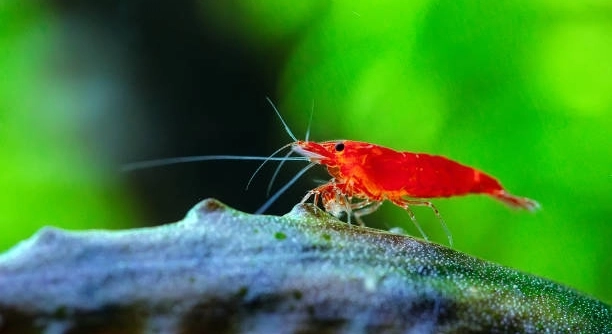
Have you ever watched your cherry shrimp move gently through the tank, leaving you wondering how they respond to your presence and the small routines you build around their care each day in your home.
Cherry shrimp display subtle behavioral changes when kept in stable environments, gradually showing reduced stress responses around consistent caretakers. While not forming emotional bonds, they adapt to predictable interactions, which can resemble trust through calmer movement patterns and increased visibility.
These gentle shifts highlight a simple connection that forms over time, encouraging a closer look at how their behavior develops.
Understanding Cherry Shrimp Behavior
Cherry shrimp are naturally cautious creatures, relying on their environment for safety. Their behavior is often influenced by tank conditions, including water quality, temperature, and the presence of hiding spots. They respond to consistent routines, such as feeding times, by gradually becoming less skittish. Observing their movements can reveal patterns that indicate comfort or stress. For example, shrimp that linger near the front of the tank or explore openly are showing signs of adjustment to their surroundings. Gentle handling of the tank and careful placement of decorations can reduce sudden stress responses. Shrimp are sensitive to rapid changes, so introducing new plants or tank mates slowly helps maintain a stable environment. Over time, consistent care allows the shrimp to exhibit more predictable behaviors. Their responses are subtle, often involving slight changes in swimming speed or positioning near familiar areas. Understanding these signals can improve interactions and ensure healthier shrimp.
Their reactions are subtle but noticeable with time and consistency, reflecting adaptation to your presence and daily routines.
Observing cherry shrimp closely allows you to see these behavioral patterns in detail. By noting where they spend most of their time, how they respond to movement outside the tank, and their feeding habits, you can assess their comfort level. Adjustments to lighting, water flow, and feeding schedules can encourage more confident behavior. Providing plenty of hiding spaces, such as plants and rocks, reduces stress and promotes natural exploration. Gradual changes in the tank, like rearranging decorations or introducing new companions, are less likely to startle them. Tracking these subtle behavioral cues helps maintain an environment where shrimp can thrive. The more attentive you are to their reactions, the better you can interpret signs of calmness or anxiety. Over weeks, these small observations reveal how shrimp adapt and how your consistent care contributes to their steady adjustment.
Building Trust Through Routine
Regular feeding at the same time encourages shrimp to recognize predictable patterns and feel less threatened by movement near the tank.
Consistency in care is key for developing a sense of familiarity. Cherry shrimp respond well to gentle routines, including feeding schedules and minimal sudden disturbances. Water changes, tank cleaning, and plant maintenance performed carefully and predictably help reduce stress. Shrimp that become accustomed to these routines are more likely to venture into open areas, demonstrating comfort around the caretaker’s presence. Even small gestures, like slowly moving your hand near the tank, can encourage them to observe without fleeing. Over time, these repeated, calm interactions lead to observable changes, such as lingering near areas where food is offered or exploring spaces they once avoided. Providing a stable environment combined with predictable human interaction allows shrimp to display behaviors that resemble trust, improving their overall well-being. Consistent care and careful observation create a positive cycle where shrimp feel secure, adjust to human presence, and maintain natural behaviors.
Feeding and Interaction
Feeding at consistent times helps shrimp recognize routine and reduces stress. Using small amounts of food prevents overfeeding and encourages natural foraging behavior. Observing their reactions during feeding can indicate comfort and familiarity with your presence.
Offering food in predictable spots allows shrimp to explore confidently and develop routine behaviors. Shrimp often respond to hand movements near the tank when they associate it with feeding. Slowly placing food in the same areas creates positive reinforcement. Over time, they learn where to find food and become less skittish during these moments. This process helps them adjust to subtle human interaction, demonstrating behavioral changes that resemble trust. Carefully monitoring feeding amounts also maintains water quality, preventing stress caused by excess nutrients or algae growth. Gradual, gentle interaction around feeding times supports calm and exploratory behaviors, showing adaptation to your presence while keeping the tank stable.
Shrimp respond to both the timing and method of feeding. Using tongs or specialized feeders allows you to place food without startling them. Observing their approach and retreat patterns provides insight into their comfort level. Over weeks, shrimp that repeatedly encounter food without sudden disturbances begin to explore more openly. These small behaviors indicate adaptation to environmental consistency. Feeding consistently also reinforces predictable daily patterns. Combined with gentle movements around the tank, this fosters a sense of security. Maintaining this calm routine is essential for long-term observation and interaction. With patience, shrimp gradually adjust, showing behaviors that reflect familiarity and comfort around human presence.
Tank Environment Adjustments
Proper tank setup with hiding spots and plants helps shrimp feel secure. Avoiding rapid changes in decoration or water conditions reduces stress and supports natural behavior.
Shrimp thrive in environments that mimic their natural habitat. Plants, rocks, and substrate variations provide areas to explore and hide, reducing anxiety. Gradual changes in lighting or placement of new elements are less likely to startle them. Water parameters like temperature, pH, and hardness should remain stable. Consistency in these factors promotes predictable behavior. Observing how shrimp interact with their environment shows their comfort level. Adjustments should be small and spaced over time, ensuring shrimp do not feel threatened. Stable conditions paired with careful observation allow them to become more visible and active. Understanding their preferences enhances both shrimp welfare and interaction quality.
Small environmental tweaks, like rearranging plants or adding decorations slowly, help shrimp adapt without stress. Keeping water clean and temperature consistent supports healthy growth. Maintaining balance between hiding spaces and open areas encourages exploration and visibility. Gradual environmental changes allow shrimp to learn and adjust. Observing their reactions during these modifications helps track comfort levels and behavioral shifts. Over time, shrimp become more active in open areas, demonstrating reduced stress. Carefully monitoring water parameters and adjusting as needed ensures ongoing stability. A well-maintained tank promotes calm, natural behaviors and supports the subtle adaptation that resembles trust.
Gentle Observation
Watching shrimp without sudden movements helps them stay calm. Limiting quick motions around the tank encourages natural exploration and reduces stress.
Spending time near the tank quietly allows shrimp to notice consistent human presence. Over time, they may linger in visible areas, showing gradual adjustment and comfort without direct interaction.
Recognizing Signs of Comfort
Shrimp that explore open areas, approach food without hesitation, or remain near plants after disturbances show increasing familiarity with their environment. These behaviors reflect adaptation to consistent routines and stable care, indicating a level of comfort with human presence.
Avoiding Overhandling
Direct handling can stress shrimp and disrupt natural behavior. Observing from outside the tank is safer and supports their adjustment.
FAQ
Can cherry shrimp recognize their caretaker?
Cherry shrimp do not recognize humans in the way larger pets might, but they respond to consistent patterns and routines. When feeding, cleaning, or moving near the tank regularly, shrimp gradually show less stress. They may linger in areas where food is offered or explore open spaces more confidently over time, reflecting adjustment to predictable interactions rather than emotional recognition. Observing their movements can reveal subtle behavioral cues that indicate comfort and familiarity with the presence of a consistent caretaker.
How long does it take for shrimp to get used to me?
Adjustment varies depending on tank conditions, water quality, and consistency of care. Some shrimp begin showing calmer behavior within a few weeks, while others may take several months. Regular feeding at the same times, stable water parameters, and minimal sudden disturbances help shrimp adapt faster. Noticing them exploring open areas, approaching food, or remaining visible during routine activities signals that they are growing comfortable with their environment. Patience is essential, as forcing interaction or making rapid changes can delay their adjustment.
What behaviors show that shrimp are comfortable?
Comfortable shrimp move steadily, explore open areas, and feed without hesitation. They may remain near plants or decorations without hiding immediately when someone approaches the tank. Reduced startle responses, slower swimming, and curiosity toward changes in the environment are additional signs. Observing patterns over time is crucial to understanding shrimp behavior. Subtle cues, like positioning near familiar spots or lingering where food is placed, indicate adaptation to a calm, stable routine. Consistent observation helps track these behaviors and ensures shrimp remain stress-free.
Can I touch or hold cherry shrimp?
Handling shrimp is not recommended, as it causes stress and may injure them. Observing from outside the tank or using tools like feeding tongs for controlled food placement is safer. Interaction should focus on consistent care routines rather than physical contact. Providing a calm environment with predictable feeding and minimal disturbance allows shrimp to explore and adapt without unnecessary stress, reinforcing their comfort and natural behavior patterns.
Do shrimp respond to my presence without food?
Yes, shrimp can show signs of recognition of patterns even without food. They may remain visible or explore areas near frequent human activity if the movements are calm and predictable. Over time, these subtle adjustments reflect adaptation to routine interactions rather than true emotional recognition. Shrimp respond more to environmental consistency than specific individuals.
Does tank setup affect shrimp trust?
Absolutely. Hiding spots, plants, and stable water conditions reduce stress and encourage confident behavior. Shrimp feel safer exploring when they have options to retreat if startled. Gradual changes to the environment are important, as sudden alterations can increase anxiety and slow adaptation. Consistency in lighting, water parameters, and decoration placement supports predictable behavior and enhances subtle interactions with humans.
How often should I feed cherry shrimp to build comfort?
Feeding small amounts daily or every other day works best. Consistent feeding times help shrimp associate human presence with routine and reduce stress. Overfeeding should be avoided to maintain water quality. Observing how shrimp react to food placement shows how comfortable they are and allows for small adjustments to routines that support steady adaptation.
Can shrimp learn from repeated interaction?
They can adjust to repeated patterns, which appears similar to learning. Shrimp respond to calm movements, predictable feeding, and environmental stability. Over time, they explore more confidently, remain visible, and approach familiar food locations. These changes reflect behavioral adaptation, not emotional learning, but indicate a level of familiarity that enhances observation and care.
What signs indicate stress or fear in shrimp?
Shrimp that hide constantly, move rapidly when approached, or remain in dark corners are likely stressed. Changes in coloration or erratic swimming patterns also signal discomfort. Identifying these signs allows for adjustments in tank setup, feeding, or routines to restore calm and reduce stress. Stable conditions and gradual interaction support healthier shrimp behavior and visible adaptation over time.
Are there differences between shrimp that trust humans and those that do not?
Shrimp that adjust to routine appear more visible, explore open areas, and feed without hesitation. Those that remain skittish tend to hide frequently and react quickly to minor disturbances. Consistency in care and environmental stability can gradually reduce fear responses. Patience, careful observation, and minimal sudden changes are essential for promoting confident behavior and subtle familiarity.
Is it possible to have shrimp completely unafraid of me?
Complete lack of fear is unlikely, as shrimp are naturally cautious. The goal is to create an environment where they feel safe and adapt to predictable routines. Gradual exposure to calm movements and consistent feeding encourages exploration and reduces startle responses, creating a more comfortable and confident shrimp population without forcing unnatural behavior.
How do water conditions impact behavior?
Stable water parameters, including temperature, pH, and hardness, directly affect shrimp activity. Sudden fluctuations cause stress and hiding behaviors. Regular testing and careful maintenance ensure shrimp remain active and responsive, supporting subtle interactions that resemble trust. Clean water and proper filtration enhance overall health and reduce fear responses.
Can shrimp become accustomed to other pets in the house?
Shrimp may notice external movement but primarily respond to tank conditions. Loud or sudden disturbances can increase stress, while predictable household activity with minimal impact on the tank allows shrimp to remain calm. Shielding the tank from excessive vibrations or sudden movement improves their comfort and reduces hiding behaviors.
Does the size of the tank affect shrimp adaptation?
Larger tanks with ample hiding spaces allow shrimp to feel secure while exploring, which encourages visible activity. Smaller tanks may limit movement and increase stress if hiding spots are insufficient. Balanced environments with stable water and structured spaces support confident behaviors and gradual adaptation to caretakers.
How long do these adaptation behaviors last?
Behavioral adjustments remain consistent as long as routines and environmental stability are maintained. Sudden changes or neglect can reset comfort levels. Continuous care, predictable feeding, and careful observation help shrimp maintain confidence, demonstrating long-term adaptation to consistent interaction and tank conditions.
Can shrimp recognize repeated visual cues?
They respond to repeated, calm visual patterns, such as hand movements during feeding or cleaning. Over time, shrimp may explore areas associated with these cues, showing reduced startle responses. Recognition is pattern-based, relying on consistency rather than emotional understanding, but it supports smoother interaction and visible adaptation to human presence.
Final Thoughts
Cherry shrimp are delicate creatures whose behavior depends heavily on consistent care and a stable environment. They do not form emotional bonds like traditional pets, but they do respond to predictable routines and calm interactions. Over time, they may appear more comfortable around human presence, showing subtle changes such as lingering in open areas, exploring new parts of the tank, or feeding without hesitation. These behaviors indicate adaptation rather than true trust, but they are meaningful signs of shrimp comfort. Careful observation of these small patterns can help you maintain a tank where shrimp feel secure, reducing stress and promoting healthier activity levels. Patience is key, as shrimp adjust slowly, and forcing interaction or sudden changes can cause them to retreat. Maintaining consistent feeding schedules, steady water conditions, and gradual environmental adjustments allows shrimp to display the calm behaviors that indicate familiarity with their surroundings.
Environmental stability plays a crucial role in how shrimp respond to routines and human presence. Providing plants, hiding spots, and areas to explore helps them feel safe and reduces anxiety. Gradual changes to decorations or tank layout are less likely to stress them, allowing them to adapt at their own pace. Water quality is another critical factor, as sudden fluctuations in temperature, pH, or hardness can trigger hiding, erratic swimming, or other stress behaviors. Observing shrimp over time reveals how they respond to these conditions, making it easier to adjust routines or environment to support calm behavior. Even small changes, like adding new food or rearranging plants slowly, can encourage them to explore more confidently. Over weeks and months, shrimp begin to associate stable routines with a safe environment, which is the closest form of “trust” they demonstrate. Consistency, careful observation, and respect for their natural cautiousness create a positive environment for both shrimp and caretaker.
Finally, interacting with cherry shrimp requires patience and an understanding of their natural tendencies. They are sensitive to sudden movements, noise, and rapid changes in the tank, so calm, deliberate actions are essential. Focusing on creating a predictable environment rather than forcing interaction ensures shrimp can adjust naturally. Observing them during feeding times, noting their reactions to environmental adjustments, and allowing them to explore safely provides insight into their comfort levels. These small steps may take weeks or months to show clear results, but they are effective in encouraging confident, calm behavior. In the long term, maintaining stability and routine fosters a sense of familiarity, allowing shrimp to display behaviors that reflect comfort with their surroundings and the consistent care they receive. By prioritizing patience, environmental stability, and gentle observation, caretakers can create a tank where cherry shrimp thrive, explore, and respond calmly, providing a rewarding and manageable experience.

Hello,
If you enjoy the content that we create, please consider saying a "Thank You!" by leaving a tip.
Every little bit helps us continue crafting quality advice that supports the health, happiness, and well-being of pets around the world, for pets of all shapes, sizes, and species.
We really appreciate the kindness and support that you show us!