
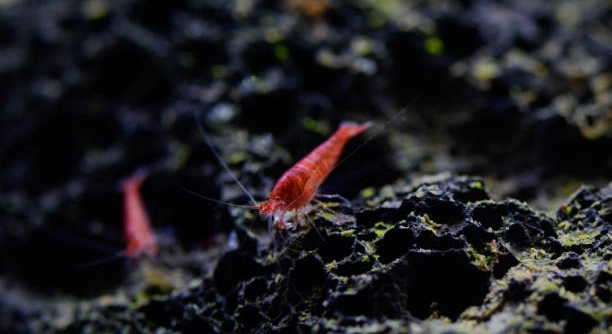
Cherry shrimp are small, vibrant freshwater creatures that many hobbyists enjoy keeping. Their bright colors and active movements make them fascinating to watch. Over time, aquarists may notice their shrimp reacting differently to daily human presence.
Cherry shrimp can gradually become accustomed to human presence through consistent, gentle interaction and minimal sudden disturbances. They may reduce their instinctive hiding behaviors, allowing closer observation, but their natural cautious instincts remain, requiring patience and careful handling.
Observing these changes provides insight into shrimp behavior and helps create a more harmonious aquarium environment.
How Cherry Shrimp React to Movement
Cherry shrimp are naturally cautious and alert to sudden changes in their environment. When they notice movement outside their tank, they may quickly retreat to hiding spots or cling to plants and decorations. This instinct helps protect them from predators in the wild, and it persists even in aquariums. Over time, however, repeated exposure to calm, predictable movements can reduce their stress. They begin to recognize patterns, such as feeding times or the presence of someone sitting quietly near the tank. Light tapping on the glass or sudden shadow movements still startle them, but steady, consistent observation allows them to feel safer. Temperature stability, proper lighting, and tank cleanliness also influence their comfort level. Shrimp that feel secure are more likely to venture out and explore instead of hiding constantly. Watching these behaviors can be rewarding and can improve your overall interaction with the tank.
Shrimp that gradually accept movement around the tank often show less erratic swimming and more confidence in their environment.
Their gradual adjustment demonstrates that these small creatures can sense patterns and become more tolerant of human presence. Consistent care encourages a calm and engaging aquarium.
Building Trust with Cherry Shrimp
Patience is essential when helping cherry shrimp get used to your presence.
The most effective way to build trust is through predictable routines and minimal sudden disturbances. Feeding at consistent times helps shrimp associate human presence with positive experiences. Avoid tapping the glass or making abrupt movements, which can trigger stress responses. Over weeks, they may become more active near the front of the tank, allowing closer observation. Placement of plants, hiding spots, and open swimming areas influences their willingness to explore. Transparent decorations or gentle tank rearrangements allow shrimp to feel secure while still seeing changes in their surroundings. Interacting calmly and quietly reinforces a sense of safety, encouraging shrimp to investigate without fear. Observing their reactions and adjusting behaviors ensures they feel comfortable and reduces the likelihood of prolonged hiding. As trust develops, shrimp can display natural behaviors like grazing and exploring without constant retreat. Consistency and gentle interaction are key to fostering this adjustment.
Recognizing Shrimp Comfort Levels
Signs of comfort in cherry shrimp include less hiding, steady movement across the tank, and active grazing on plants or algae. They may linger near the glass and interact with their surroundings without displaying sudden, jerky motions.
Gradual observation of their daily patterns reveals how comfortable shrimp are with human presence. When they feel secure, they explore open areas instead of staying in dense plants or behind decorations. Changes in swimming speed, position, and interaction with other shrimp indicate their stress levels. Feeding behavior is a key signal; shrimp that approach food quickly show reduced fear. A calm environment with stable lighting and minimal vibrations encourages this comfort. Recognizing these behaviors allows for better care and more satisfying observation, making the tank feel lively and engaging. Adjusting your routine to support their comfort strengthens trust and creates a peaceful aquatic setting for them to thrive.
Monitoring shrimp for subtle behavioral changes is important for assessing comfort. By noting shifts in movement, hiding, and feeding, you can measure their acclimation to human presence and adjust tank conditions accordingly. Consistency in your actions ensures shrimp respond positively over time.
Techniques to Encourage Interaction
Providing predictable feeding and gentle presence promotes trust and encourages shrimp to explore closer to the front of the tank. Proper placement of plants and hiding areas supports comfort.
Shrimp respond well to slow, consistent interaction and routines. Introducing movement outside the tank gradually, such as sitting quietly near it or performing feeding rituals, helps them link human presence with safety and food. Maintaining stable water parameters and avoiding sudden changes reduces stress and reinforces confidence. Observing shrimp reactions during these interactions gives insight into how they adjust and respond. Over time, they may tolerate being near the glass during tank maintenance or daily observation. The key is patience, as forcing interactions can increase anxiety. Supporting a secure environment through careful feeding, minimal disturbances, and gradual exposure encourages shrimp to display natural behaviors more openly. By following these steps, you create a positive environment that benefits both shrimp and caretaker, fostering calm and engaging observation.
Feeding Habits and Human Presence
Cherry shrimp often associate human presence with feeding. They may become more active and move toward the front of the tank during feeding times, showing reduced fear and curiosity about what is happening outside the tank.
Regular feeding schedules help shrimp predict when food is available. Consistency reinforces comfort and allows them to gradually tolerate human activity. Observing their approach to food shows how accustomed they are to presence and reduces unnecessary stress during routine interactions.
Slow Movements Encourage Trust
Gentle, slow movements around the tank allow shrimp to acclimate without stress. Sudden gestures can trigger hiding behaviors and disrupt their sense of safety. Consistency is key.
Tank Environment Adjustments
Adding plants and hiding spots provides security while leaving open areas encourages exploration. Shrimp feel safer when their environment is predictable, supporting natural behavior.
Observing Behavioral Changes
Monitoring shrimp behavior helps determine how well they are adjusting to human presence. Notes on movement, grazing, and hiding reveal levels of comfort.
FAQ
Can cherry shrimp really recognize humans?
Cherry shrimp do not recognize humans in the same way pets like dogs or cats do. However, they can learn to associate certain patterns with safety or food. For instance, consistent feeding schedules or calm, predictable presence can make them less skittish near the front of the tank. Over time, they may pause, watch, or move closer when you approach, showing they are aware of repeated events without fully understanding who you are. Their reactions are based on routine and environmental cues rather than personal recognition.
How long does it take for cherry shrimp to get used to human presence?
The time varies depending on individual shrimp and the level of disturbance in the tank. Some shrimp adjust within a few weeks if movements are slow and feeding times are predictable. Others may take months, especially if they are naturally shy or if the tank is frequently disturbed. Regular observation, minimal sudden movement, and maintaining stable water conditions accelerate the process. Patience is essential, as forcing interactions can cause stress and lead to prolonged hiding or erratic swimming behaviors.
Will handling shrimp make them more comfortable with humans?
Direct handling is generally stressful for cherry shrimp and should be avoided. Instead, comfort comes from indirect interaction, such as quiet observation and predictable feeding. Shrimp that are handled frequently can experience stress, which affects their health and natural behaviors. Creating an environment that allows them to explore safely and observe humans without being touched encourages trust more effectively. Handling can be reserved only for necessary tank maintenance or relocation, done carefully to minimize stress.
Do shrimp react differently to men and women?
Cherry shrimp do not differentiate between men and women. Their responses are based on movement, shadows, and vibrations rather than gender. Calm, predictable, and consistent actions matter more than who is present near the tank. Both men and women can encourage shrimp comfort through gentle routines and minimal sudden disturbances.
Can loud noises affect shrimp behavior?
Yes, loud noises or vibrations near the tank can startle shrimp, causing them to hide or move erratically. They are sensitive to changes in their environment, including sound and water movement. Keeping the tank in a quiet area and avoiding tapping on the glass helps them feel secure. Sudden disruptions can slow down their acclimation to human presence and increase stress, so maintaining a calm environment is crucial.
Is it normal for shrimp to hide even if they are used to humans?
Yes, hiding is a natural behavior for cherry shrimp. Even shrimp accustomed to humans may retreat if they feel threatened or if there are sudden changes in light, water flow, or temperature. Occasional hiding does not mean they are uncomfortable with human presence; it reflects their instinctual caution. Providing sufficient plants and shelters ensures they have places to feel safe while still being able to observe the surroundings.
Can shrimp recognize feeding tools or hands?
Shrimp can associate tools or hand movements with feeding. They quickly learn that certain actions signal food, which can reduce fear of nearby presence. Over time, shrimp may move toward these cues instead of hiding. This conditioned behavior highlights their ability to adapt to consistent patterns and reinforces trust without direct interaction.
Do all shrimp adjust at the same rate?
No, individual shrimp vary in temperament. Some are naturally bolder and explore more freely, while others are cautious and require longer periods to adapt. Factors such as age, tank environment, and prior stress influence how quickly each shrimp becomes comfortable with human presence. Observing individual behaviors helps tailor interactions to reduce stress.
Will shrimp interact more if the tank is smaller?
Shrimp may appear more active in smaller tanks because they encounter human presence more often. However, tank size alone does not guarantee comfort or interaction. A well-planted, stable environment in any tank size supports natural behavior and gradual adjustment to human presence, allowing shrimp to explore confidently while feeling secure.
Are there signs that shrimp are stressed by human presence?
Yes, frequent hiding, rapid swimming, or clinging tightly to plants are common stress indicators. Stress can also affect feeding habits and overall health. Adjusting interaction methods, reducing sudden movements, and ensuring stable water conditions help alleviate stress and encourage gradual acclimation.
Does the type of shrimp affect how easily they get used to humans?
Yes, some varieties, like cherry shrimp, are more active and may adjust quicker, while other species are naturally more reserved. Observing behavior and providing a calm environment ensures all types have a chance to feel secure around human presence.
Can shrimp ever completely ignore human presence?
While they may tolerate it, shrimp always retain natural caution. Complete indifference is unlikely because sudden movements or environmental changes can still trigger hiding. Consistent care and predictable routines, however, make them much less reactive and more confident around humans.
How can I encourage shy shrimp to explore near the front of the tank?
Slow, predictable feeding and gentle observation are key. Adding open areas in the tank alongside plants and hiding spots allows shrimp to feel secure while exploring. Avoid sudden changes, and allow time for them to gradually approach the front without forcing interaction.
Are there long-term benefits to shrimp getting used to humans?
Yes, shrimp that tolerate human presence are easier to monitor for health, feeding, and breeding behavior. Reduced stress improves longevity and activity, creating a livelier, more engaging tank environment. Consistent care and gentle routines enhance both observation and shrimp well-being over time.
Final Thoughts
Cherry shrimp are small, delicate creatures that bring life and color to an aquarium. Observing them can be relaxing and rewarding, especially as they begin to show signs of comfort around human presence. Their cautious nature is natural and should be respected. Over time, with gentle, consistent interaction and predictable routines, shrimp can become less skittish and more active near the front of the tank. Even small gestures, like moving slowly or feeding at consistent times, make a difference in how comfortable they feel. It is important to remember that shrimp do not recognize humans personally; they respond to patterns, vibrations, and environmental cues. Recognizing this helps manage expectations and encourages patience, which is key when interacting with them. Shrimp that feel secure in their surroundings are more likely to display natural behaviors such as grazing, exploring, and interacting with other shrimp. These behaviors not only indicate comfort but also contribute to the overall health and balance of the aquarium ecosystem.
Creating an environment that supports shrimp comfort involves more than just minimizing sudden movements. Stable water conditions, appropriate temperature, proper lighting, and sufficient plants or hiding spots all contribute to a sense of security. Open swimming areas paired with dense vegetation give shrimp the option to explore while having a safe retreat. Feeding routines further reinforce positive associations with human presence. When shrimp consistently see that humans are not a threat and are associated with food and safety, they gradually adjust their behavior. Some shrimp will remain cautious longer than others, and individual personality differences should be considered. Observing shrimp carefully allows for better understanding of their reactions and ensures their needs are met without unnecessary stress. Even small, consistent changes in your behavior or tank environment can make a noticeable difference in their comfort levels.
Patience and observation are the most effective tools when helping cherry shrimp acclimate. Rushing interactions or expecting immediate results can lead to stress and hiding. Over weeks or months, gentle routines, calm movement, and proper care build trust and allow shrimp to adapt at their own pace. While they may never completely ignore human presence, they can become confident enough to explore, feed, and interact without constant retreat. This adjustment not only benefits the shrimp but also enhances the enjoyment of maintaining an aquarium, as observing lively, comfortable shrimp is rewarding. Understanding their natural instincts and creating a safe, consistent environment allows shrimp to thrive while showing gradual acceptance of human presence. By respecting their behavior and working within their natural tendencies, shrimp can coexist comfortably with human observation, making the aquarium a dynamic and engaging space.

Hello,
If you enjoy the content that we create, please consider saying a "Thank You!" by leaving a tip.
Every little bit helps us continue crafting quality advice that supports the health, happiness, and well-being of pets around the world, for pets of all shapes, sizes, and species.
We really appreciate the kindness and support that you show us!