
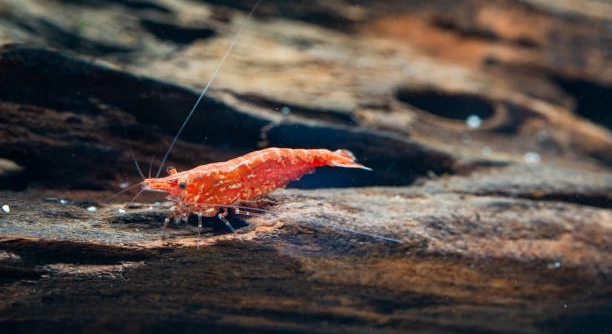
Are your shrimp showing signs of stress, like hiding constantly or refusing food? Many shrimp owners face this challenge and wonder how to create a calmer, healthier environment for their tanks to thrive in.
Maintaining low stress levels in shrimp tanks requires careful control of water quality, temperature stability, proper hiding spots, balanced nutrition, and minimizing sudden environmental changes. Each of these factors contributes to the overall well-being and longevity of shrimp populations.
Knowing how to reduce stress can make a significant difference in the health of your shrimp and the success of your tank setup. We will explore practical, effective strategies to help.
Keep Water Parameters Stable
Shrimp are highly sensitive to changes in water chemistry. Even small fluctuations in pH, ammonia, nitrite, or nitrate levels can cause significant stress. Testing the water regularly ensures the environment remains stable and healthy. Temperature stability is equally important, as sudden shifts can shock shrimp and make them more vulnerable to disease. Using a reliable heater or chiller can help maintain a consistent temperature. Avoid rapid changes when performing water changes by matching the new water’s parameters closely with the tank. Additionally, adding natural elements like live plants can help buffer minor variations in water chemistry. Proper filtration supports clean water, reducing toxins that accumulate over time. Monitoring these factors consistently will prevent common stress triggers and promote a balanced, thriving tank.
Keeping conditions consistent helps shrimp feel safe and reduces erratic behavior that may indicate stress or illness.
Regular monitoring and gradual adjustments of water parameters prevent stress and support healthy growth, molting, and activity levels in shrimp populations, ensuring long-term well-being.
Provide Hiding Spots
Shrimp naturally seek shelter to feel secure, particularly during molting. Dense plant cover, rocks, or driftwood creates safe areas where they can retreat and rest.
Hiding spots reduce aggression among shrimp and allow timid individuals to feed without disturbance, promoting healthier interactions.
Creating a habitat with multiple hiding options ensures every shrimp has access to shelter, which is especially important in crowded tanks. Mosses, caves, and densely planted areas give juveniles a chance to grow without predation risk. Even simple structures like small PVC tubes can serve as retreats. By providing varied hiding places, you reduce stress and create a natural-feeling environment. Hiding spots also help maintain water quality by allowing detritus to settle in less-trafficked areas, reducing sudden disturbances. Overall, thoughtful tank design supports shrimp behavior, encourages natural activity patterns, and minimizes stress-related health problems over time.
Avoid Overcrowding
Overcrowding increases competition for food and stress among shrimp. Maintaining an appropriate population density helps them thrive and reduces aggressive interactions.
Too many shrimp in a tank can lead to poor water quality and higher stress levels. Each shrimp needs enough space to explore, feed, and molt without interference. Overcrowding also increases the risk of disease transmission and limits access to hiding spots. By calculating the correct number of shrimp per gallon and monitoring population growth, you create a balanced environment where all shrimp can coexist peacefully. Space management directly impacts their health, activity, and overall well-being, making it a critical factor in stress reduction.
Managing tank population also supports better water conditions and easier maintenance. Fewer shrimp mean less waste buildup and more predictable behavior. Overcrowded tanks often show signs of stress like erratic swimming, frequent hiding, or molting issues. Giving shrimp sufficient room allows for natural activity patterns, healthier growth, and reduced mortality. It also encourages social interactions that are not aggressive, maintaining a calm and stable community. Proper spacing is one of the simplest ways to lower stress while supporting tank health and shrimp longevity.
Maintain Proper Nutrition
Balanced nutrition is vital to reduce stress and support shrimp health. Feeding a variety of foods ensures they get all necessary nutrients.
Shrimp require a diet rich in protein, fiber, and essential vitamins. Offering high-quality pellets, blanched vegetables, and occasional protein treats keeps them healthy and reduces stress-related behaviors like hiding or aggression. Overfeeding can pollute the tank, so portion control is important. Feeding small amounts multiple times a day prevents competition and ensures all shrimp receive adequate food. By monitoring dietary habits and adjusting portions, you maintain their energy levels, encourage proper molting, and support a strong immune system. Proper nutrition directly impacts their stress tolerance and overall vitality.
Consistent feeding schedules and diverse diet options improve shrimp activity and coloration. Healthy shrimp are more resilient to environmental fluctuations and are less prone to disease. Nutrient-rich foods enhance growth and reproductive success, supporting a thriving population. Careful observation during feeding helps identify stressed or weaker individuals, allowing for adjustments in care. Providing the right diet fosters a stable and balanced tank environment, reducing stress triggers and promoting longevity. Well-fed shrimp display natural behaviors, interact positively, and maintain a calmer tank atmosphere, benefiting both their health and the overall ecosystem.
Minimize Sudden Changes
Sudden changes in water, lighting, or temperature can stress shrimp. Gradual adjustments help them adapt without panic.
When performing water changes or introducing new decorations, match temperature and water chemistry closely. Rapid shifts can cause hiding, erratic swimming, or molting problems, so slow transitions are essential.
Keep the Tank Clean
Regular maintenance prevents waste buildup and harmful bacteria. Removing uneaten food and debris keeps the environment safe and reduces stress for shrimp.
A clean substrate and functional filtration system ensure water quality remains high. Frequent partial water changes help maintain stability, supporting shrimp health and preventing stress-induced behaviors.
Avoid Loud Noises
Shrimp are sensitive to vibrations and loud sounds. Position tanks away from constant disturbances to keep shrimp calm and reduce stress.
How often should I test water parameters in my shrimp tank?
Testing water parameters should be done at least once a week. Frequent monitoring helps detect changes in pH, ammonia, nitrite, nitrate, and hardness before they become stressful to shrimp. Keeping a log of these readings helps identify trends and make timely adjustments.
What is the ideal temperature for most shrimp species?
Most freshwater shrimp, like Neocaridina, thrive between 72°F and 78°F (22°C–26°C). Temperatures outside this range can cause stress, slow growth, or increase susceptibility to disease. Use a reliable heater and thermometer to maintain consistent temperature. Avoid sudden fluctuations during water changes or tank maintenance.
How much should I feed my shrimp daily?
Feed small amounts once or twice a day. Shrimp should consume all food within two hours. Overfeeding can foul the water, increasing ammonia and nitrate levels, which directly stresses shrimp. Use high-quality pellets, blanched vegetables, and occasional protein supplements for a balanced diet.
How many shrimp should be kept in a tank?
Stock shrimp at a density of 1–2 shrimp per gallon of water. Overcrowding increases competition for food, reduces hiding space, and elevates stress levels. Adequate space supports healthy behavior, proper molting, and reduces disease risk, ensuring all shrimp have access to shelter and feeding areas.
What kind of hiding spots work best?
Dense plants, moss, rocks, driftwood, and small caves provide ideal hiding areas. Juvenile and molting shrimp need secure spaces to reduce stress. Providing multiple hiding options allows timid individuals to feed and rest safely while limiting aggression in crowded tanks.
How often should I perform water changes?
Perform partial water changes of 10–20% weekly to maintain water quality. Larger or irregular changes can shock shrimp. Always match the temperature and chemistry of the new water to the tank to prevent stress. Regular water changes prevent the buildup of toxins and promote a stable environment.
Can shrimp live with other species in the tank?
Shrimp can coexist with peaceful species, but avoid aggressive or predatory fish. Stress increases when shrimp are constantly threatened. If you keep fish, provide hiding spots and consider species that won’t view shrimp as food. Proper tank mates support calm behavior and reduce mortality.
Why are my shrimp hiding more than usual?
Excessive hiding often indicates stress due to poor water quality, overcrowding, or temperature fluctuations. Check water parameters, feeding schedules, and tank density. Adding extra hiding spaces can help them feel secure, but addressing the underlying environmental issues is essential for long-term health.
Is it necessary to quarantine new shrimp?
Quarantining new shrimp for 2–3 weeks prevents introducing disease or parasites into an established tank. Monitor water parameters and observe behavior during quarantine. Healthy shrimp can then be safely introduced without putting existing shrimp under unnecessary stress.
How can I reduce stress during molting?
Provide abundant hiding spots and maintain excellent water quality. Molting is a vulnerable time, and stress can cause molting failure. Avoid sudden temperature changes or rough handling during this period. Feeding a nutrient-rich diet with calcium supports successful molts and overall health.
What are the signs of stressed shrimp?
Common signs include hiding, lethargy, loss of color, erratic swimming, and failed molts. Identifying stress early allows for timely adjustments in water parameters, feeding, or tank conditions. Preventative care and stable environments are the most effective ways to reduce stress and maintain shrimp health.
Can I use aquarium additives to calm stressed shrimp?
Some water conditioners and natural supplements can reduce stress by stabilizing water chemistry or providing minerals. Always research products for shrimp safety, follow dosing instructions, and introduce new additives gradually to avoid sudden chemical changes that could stress the tank further.
How does tank lighting affect shrimp stress?
Bright or constant lighting can stress shrimp, especially those that prefer shaded areas. Use moderate light levels, include shaded regions, and maintain a day-night cycle. Adequate lighting supports plant growth and shrimp activity without causing unnecessary stress.
What role does tank filtration play in stress reduction?
Proper filtration removes debris and toxins while maintaining gentle water flow. Strong currents or poor filtration can stress shrimp. Sponge filters are ideal because they provide biological filtration and gentle circulation without harming small or delicate shrimp. Clean filters regularly to maintain efficiency.
How can I prevent sudden stress during maintenance?
Prepare tank water in advance, match parameters carefully, and handle shrimp minimally. Perform changes slowly, and avoid shaking or disturbing the substrate excessively. Gradual maintenance routines reduce the risk of sudden stress responses, promoting healthier shrimp behavior and lower mortality.
Is it normal for shrimp to be inactive at times?
Shrimp may rest or hide during molting, after feeding, or at night. Occasional inactivity is normal if water conditions are stable. Continuous lethargy or hiding, however, indicates stress or poor water quality and should be investigated promptly to protect their health.
How do I know if shrimp are eating enough?
Observe feeding behavior to ensure all shrimp have access to food. Uneaten food should be minimal to prevent water quality issues. Adjust portion sizes or feeding frequency if some shrimp are not eating, ensuring all individuals maintain proper nutrition for growth and molting.
Can stress affect shrimp reproduction?
Yes, stressed shrimp may skip molting cycles or fail to breed. Stable water parameters, proper diet, and sufficient hiding spots encourage natural reproductive behavior and increase the likelihood of healthy offspring. Reducing stress is essential for maintaining a thriving, reproducing shrimp population.
How long does it take for shrimp to recover from stress?
Recovery depends on the severity of the stressor and environmental conditions. Minor stress may resolve within a few days if water quality and tank conditions are corrected. Chronic stress requires ongoing adjustments, and full recovery can take several weeks. Patience and monitoring are key.
Can sudden noise or vibrations harm shrimp permanently?
Shrimp are sensitive to vibrations, which can trigger hiding or erratic swimming. While brief disturbances are usually not permanent, repeated or strong vibrations may impact health and stress levels. Positioning the tank in a quiet, stable location minimizes this risk.
Is it okay to mix shrimp species in one tank?
Mixing species can be done if they have similar water requirements and peaceful temperaments. Avoid combining aggressive species or those with vastly different needs. Ensure adequate hiding spots to prevent stress and allow all shrimp to thrive without competition or conflict.
How do I prevent stress during transportation or moving shrimp?
Use proper containers with oxygenated water, avoid extreme temperature changes, and limit handling. Gradually acclimate shrimp to their new tank to reduce shock. Rapid changes in environment or water chemistry during transport can cause high stress or mortality, so careful preparation is essential.
What is the best way to acclimate new shrimp?
Float the bag in the tank to match temperature, then slowly mix tank water into the bag over an hour. Gradual acclimation prevents stress from sudden changes in temperature, pH, or hardness, ensuring shrimp adjust safely to their new environment.
How do seasonal changes affect shrimp stress?
Temperature fluctuations, light duration, and water chemistry can vary with seasons. Monitor tanks more closely during seasonal transitions, adjust heaters, and maintain stable conditions. Consistency reduces stress and supports molting, feeding, and breeding cycles, even as external conditions change.
Can stress cause color changes in shrimp?
Yes, stressed shrimp often lose vibrant colors or appear dull. Stable water quality, proper nutrition, and hiding spaces help restore coloration. Healthy shrimp display their full range of colors, which also indicates low stress and good overall health.
What are the most common mistakes that cause shrimp stress?
Overcrowding, poor water quality, improper diet, sudden changes, and lack of hiding spots are leading causes. Addressing these factors consistently ensures a stable, safe, and stress-free environment where shrimp can grow, molt, and reproduce naturally.
How can I monitor stress levels in shrimp daily?
Observe activity, feeding behavior, hiding frequency, molting success, and coloration. Consistent daily checks allow early detection of stress and timely intervention. Healthy shrimp are active, feed regularly, and show normal social behavior within the tank.
Are live plants necessary to reduce shrimp stress?
While not strictly necessary, live plants improve water quality, provide hiding spots, and mimic a natural environment. Shrimp feel more secure among plants, which reduces stress and supports natural behaviors, feeding, and molting cycles.
Can stress lead to disease in shrimp?
Yes, stressed shrimp have weaker immune systems, making them more susceptible to bacterial or fungal infections. Maintaining stable conditions, proper nutrition, and low-stress environments prevents health issues and supports long-term survival and activity in the tank.
How long should I wait after a stressful event before feeding shrimp?
Wait at least a few hours after major water changes or handling. Giving shrimp time to settle reduces stress and allows them to feed normally, preventing food waste and maintaining water quality. Immediate feeding can overwhelm stressed individuals.
What equipment changes are least stressful for shrimp?
Gradual introduction of filters, heaters, or decorations is best. Match water parameters, avoid sudden strong currents, and allow shrimp to explore new items at their own pace. Slowly integrating changes prevents panic and ensures shrimp remain calm.
How important is consistency in daily care for shrimp?
Daily consistency in feeding, water checks, and lighting promotes a calm environment. Shrimp respond well to predictable routines, which reduce stress and support natural behavior, molting, and reproduction over time. Erratic care increases the likelihood of stress-related issues.
Can water hardness affect shrimp stress?
Yes, inappropriate hardness can interfere with molting and overall health. Matching shrimp species to proper GH and KH levels ensures stable conditions. Gradual adjustments help prevent stress while supporting growth, reproduction, and natural behavior in the tank.
Is it necessary to remove leftover food immediately?
Yes, uneaten food decomposes and raises ammonia and nitrate levels, directly stressing shrimp. Prompt removal maintains water quality and prevents aggressive competition over food. Use a net or siphon carefully to avoid disturbing the substrate or shrimp.
Do stress levels affect shrimp lifespan?
Chronic stress shortens lifespan by weakening immunity and slowing growth. Maintaining stable water parameters, proper nutrition, and sufficient space reduces stress and supports healthy, longer-living shrimp populations. Healthy, low-stress environments improve survival rates and overall vitality.
How can I tell if shrimp are stressed from poor water quality?
Signs include hiding, lethargy, discoloration, failed molts, and erratic swimming. Regular water testing and observation allow early identification and correction of issues before long-term harm occurs. Clean, stable water is essential for stress prevention.
Can I use tank mates to reduce stress in shrimp?
Peaceful tank mates may encourage activity but must not compete aggressively for food or space. Introducing compatible species carefully, with adequate hiding spaces, helps maintain a calm tank without adding stress or risking predation.
How do I handle stress during breeding cycles?
Provide extra hiding spots, maintain consistent water quality, and feed nutrient-rich foods. Stress during breeding can reduce hatching success and harm adults. Minimizing disturbances supports reproductive health and ensures successful offspring.
Can sudden lighting changes cause stress?
Yes, abrupt changes in light intensity or duration can alarm shrimp. Use gradual transitions, dimmers, or shaded areas to prevent panic and promote natural activity cycles, ensuring a calm and stable tank environment.
Are there natural additives to help calm stressed shrimp?
Some mineral supplements or botanicals can support water stability and provide nutrients, indirectly reducing stress. Always research safety for shrimp and introduce additives gradually to prevent chemical shocks or imbalance in the tank.
What is the best way to acclimate shrimp after moving the tank?
Match water parameters in the new tank, float containers to equalize temperature, and gradually mix water. Minimize sudden movements or vibrations to reduce stress. Controlled acclimation ensures shrimp adapt safely and continue normal behavior.
How can I prevent stress from filtration changes?
Introduce new filters gradually, ensure gentle flow, and maintain stable water chemistry. Sponge filters or adjustable flow rates reduce strong currents that can stress shrimp. Cleaning filters regularly also prevents sudden drops in water quality.
How do I reduce stress during tank renovations?
Move shrimp to a temporary container with stable water, perform work slowly, and reintroduce them gradually. Avoid sudden changes to substrate, decorations, or water parameters, as these can trigger hiding, erratic swimming, or failed molts.
Are shrimp sensitive to vibrations from nearby appliances?
Yes, constant vibrations from washers, speakers, or heavy machinery can stress shrimp. Place tanks on stable surfaces away from high-traffic areas. Minimizing vibrations promotes calmer behavior, regular feeding, and normal activity levels.
How do I know if my tank environment is low-stress?
Shrimp are active, feed readily, molt successfully, maintain bright coloration, and interact normally. Observing these behaviors consistently indicates a stable, low-stress environment that supports growth, reproduction, and long-term health.
What steps should I take if shrimp show prolonged stress signs?
Check water parameters, reduce overcrowding, improve hiding spots, and maintain proper feeding schedules. Addressing multiple stress factors simultaneously is essential. Gradual, consistent adjustments help shrimp recover fully and prevent mortality or long-term health issues.
Can temperature swings overnight cause stress?
Yes, significant drops or rises in temperature during night hours can stress shrimp. Use heaters or insulation to maintain consistent temperatures and reduce sudden environmental changes that negatively impact health and behavior.
How does molting frequency relate to stress?
Stressed shrimp may delay molting, molt incompletely, or fail entirely. Maintaining optimal water conditions, nutrition, and hiding spaces supports regular molting cycles, which are critical for growth, reproduction, and overall vitality.
Is it necessary to acclimate shrimp to tap water additives?
Yes, if you use water conditioners or minerals, introduce them gradually. Sudden changes can shock shrimp, while careful acclimation ensures safety, supports stress reduction, and maintains proper water chemistry for healthy growth.
How can I prevent stress from overcrowded decorations?
Arrange plants and rocks to allow open swimming areas. Avoid excessive clutter that limits movement or blocks hiding spots. Balanced decoration placement reduces stress by giving shrimp freedom to explore while still offering secure retreats.
Can stress affect shrimp coloration permanently?
Chronic stress may result in dull, faded colors. Stabilizing water conditions, reducing disturbances, and providing proper nutrition often restore vibrant coloration, reflecting improved health and lower stress levels in the population.
How do I know if stress is caused by diet?
Shrimp may refuse food, lose color, or show molting issues if nutrition is inadequate. Evaluate diet variety, portion sizes, and supplement with necessary nutrients to reduce stress and promote healthy growth.
Are there environmental cues that naturally reduce shrimp stress?
Stable lighting, consistent water parameters, sufficient hiding spots, and gentle water flow all create a calming environment. Mimicking natural habitats helps shrimp feel secure, lowers stress responses, and supports normal behavior patterns.
How long should I monitor shrimp after a stress event?
Observe for at least several days to a week. Watch for normal feeding, coloration, molting, and activity. Prompt intervention during this period helps prevent long-term health issues and supports recovery.
Is it okay to mix adult and juvenile shrimp?
Yes, if adequate hiding spots and space are provided. Juveniles may hide more, and adults should not dominate food or territory. Proper tank layout minimizes stress and supports healthy growth across all age groups.
Can stress cause shrimp to refuse food entirely?
Yes, environmental stress, poor water quality, or overcrowding can lead to reduced or stopped feeding. Identifying and correcting the stressors is critical to restore normal feeding behavior and prevent health deterioration.
How do I prevent stress during tank water top-offs?
Add water slowly and match temperature and chemistry. Sudden additions of untreated or mismatched water can shock shrimp. Gradual top-offs maintain stability and reduce stress while keeping water levels consistent.
Can sudden introduction of new shrimp cause stress?
Yes, new arrivals can trigger hiding, aggression, or competition. Quarantine, gradual acclimation, and providing extra hiding spots help reduce stress for both new and existing shrimp, promoting smooth integration into the tank.
What are the early signs of stress during molting?
Shrimp may hide excessively, remain inactive, or display incomplete molts. Monitoring water quality, hiding spots, and nutrition helps prevent complications and supports successful molting cycles with minimal stress.
How does tank size affect stress levels?
Smaller tanks offer less room for movement and hiding, increasing competition and stress. Larger tanks provide space for exploration, territorial behavior, and secure retreats, lowering stress and supporting healthier shrimp populations.
Can stress affect shrimp longevity?
Yes, prolonged or repeated stress weakens immunity, slows growth, and increases susceptibility to disease, shortening lifespan. Consistent care, proper water quality, and stress reduction are essential to maximize longevity.
Is it important to remove sick shrimp immediately?
Yes, isolating sick individuals prevents disease spread and reduces stress for healthy shrimp. Timely action protects overall tank health while allowing treatment and recovery in a controlled environment.
Can sudden pH swings cause stress?
Yes, shrimp are sensitive to pH fluctuations. Maintaining stable pH through buffered water and careful water changes reduces stress, supports molting, and maintains proper metabolic function.
How do I reduce stress in newly established tanks?
Introduce shrimp gradually, allow biological filtration to mature, and maintain stable water conditions. Avoid overcrowding and provide sufficient hiding spaces. Patience ensures shrimp adjust safely and thrive in the new environment.
Are some shrimp species more stress-sensitive than others?
Yes, species like Caridina are more sensitive to water quality and temperature changes compared to hardy Neocaridina. Research species-specific requirements and provide tailored conditions to minimize stress and promote health.
How does water flow affect shrimp stress?
Strong currents can tire shrimp and cause hiding or erratic behavior. Gentle flow promotes oxygenation without disturbing shrimp. Sponge filters or adjustable flow devices are ideal for maintaining a calm environment.
Can stress cause shrimp to die suddenly?
Yes, acute stress from poor water quality, extreme temperature changes, or predation can result in sudden mortality. Preventing stress through stable conditions, proper care, and monitoring is crucial for survival.
How do I handle stress during tank cleaning?
Move shrimp gently if necessary, clean carefully, and avoid sudden changes in water parameters. Gradual cleaning routines and minimizing disturbance reduce stress and protect delicate individuals during maintenance.
Is substrate type important for stress reduction?
Yes, fine-grain or smooth substrates prevent injury and provide natural foraging areas. Sharp or rough substrates can harm shrimp and increase stress, especially during molting or when juveniles explore.
How do I reduce stress during breeding in mixed-species tanks?
Provide abundant hiding spots, monitor interactions, and maintain stable water conditions. Minimizing competition and aggression ensures both species can reproduce successfully without stress-related setbacks.
Can stress affect shrimp behavior long-term?
Yes, chronic stress can alter feeding, molting, and social behavior. Reducing stress through proper care and a stable environment helps shrimp maintain
Maintaining a calm and healthy environment for shrimp requires attention to several key factors. Consistent water quality is one of the most important aspects, as shrimp are sensitive to changes in pH, ammonia, nitrite, nitrate, and general hardness. Regular testing and monitoring of these parameters ensure the tank remains stable and safe for the shrimp. Temperature control also plays a crucial role, as sudden fluctuations can cause stress, reduce appetite, and interfere with molting cycles. Using a reliable heater, thermometer, and monitoring the tank during water changes helps maintain a steady temperature, which allows shrimp to thrive without unnecessary tension. Small adjustments made gradually are far less stressful than large, sudden changes, which can lead to hiding, erratic swimming, or even mortality.
Providing adequate space and shelter is equally essential. Overcrowding can increase competition for food and limit access to hiding spots, causing stress and aggressive behavior among shrimp. Offering multiple hiding places through plants, rocks, driftwood, or artificial caves gives all shrimp a sense of security, especially during vulnerable periods such as molting. Hiding spots also encourage natural behaviors and allow timid individuals to feed without interference. Even the layout of decorations and substrate can influence stress levels, as overly cluttered or sharp surfaces may restrict movement and create tension. By arranging the tank to balance open swimming areas with secure retreats, you can reduce stress and support healthier, more active shrimp.
Nutrition and feeding routines have a significant impact on shrimp well-being. A balanced diet, including high-quality pellets, blanched vegetables, and occasional protein supplements, ensures shrimp receive essential nutrients for growth, molting, and reproduction. Overfeeding should be avoided, as leftover food can pollute the water and increase stress through poor water quality. Feeding smaller amounts multiple times a day helps reduce competition and ensures all shrimp have access to food. Alongside proper nutrition, minimizing sudden changes in lighting, water flow, or general tank disturbances contributes to a low-stress environment. Paying attention to these details, maintaining a clean tank, and observing shrimp behavior daily will help prevent problems before they become serious. With consistent care, attention to environmental stability, and thoughtful planning, shrimp can live in a calm, healthy, and thriving tank where stress is minimized, and overall health and longevity are supported.

Hello,
If you enjoy the content that we create, please consider saying a "Thank You!" by leaving a tip.
Every little bit helps us continue crafting quality advice that supports the health, happiness, and well-being of pets around the world, for pets of all shapes, sizes, and species.
We really appreciate the kindness and support that you show us!