
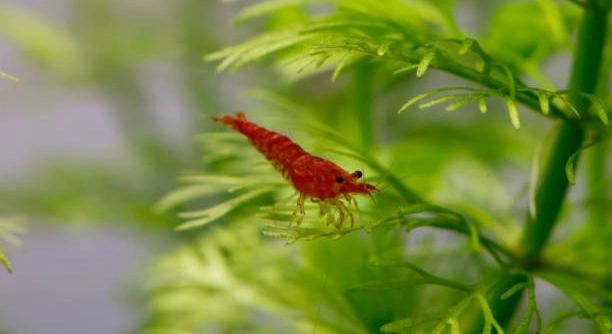
Shrimp are fascinating little creatures, and observing their behavior can reveal a lot about their life cycle. Many shrimp owners notice subtle changes that indicate when their pets are approaching breeding readiness. Paying attention to these signs helps in proper care.
Shrimp show they are ready to breed through physical changes, increased activity, and specific interactions with other shrimp. These behaviors signal reproductive readiness and ensure successful mating, making them key indicators for breeders and hobbyists alike to monitor.
Learning to recognize these signs can improve your shrimp-keeping experience. Observing them carefully allows for better timing and care in a home aquarium setting.
Color Changes in Shrimp
Shrimp often show changes in color when they are ready to breed. Their shells may become more vibrant, with reds, blues, or oranges intensifying over time. This shift happens because of hormonal changes that signal reproductive readiness. Females, in particular, may develop a slightly darker or more defined stripe along their back. Males also display subtle changes, such as brighter or more contrasting spots on their bodies. These color variations can indicate overall health and maturity as well. Observing these changes requires patience, as they can be gradual. Noticing them early helps you prepare the tank environment for breeding. Proper water conditions, temperature, and diet are important to support these shrimp during this stage. Feeding high-quality food and maintaining a stable environment encourages natural behavior, which includes breeding signals. Over time, these small visual cues can become easier to recognize and allow for more successful management of a breeding tank, ensuring the shrimp feel comfortable and healthy.
Color changes are a reliable indicator of shrimp readiness for breeding. Brighter or intensified coloration often correlates with reproductive maturity and hormonal activity.
Recognizing these changes early allows you to adjust care routines, such as improving nutrition and monitoring tank conditions, which promotes successful breeding and healthy offspring.
Increased Activity
Shrimp often move more when preparing to breed. They explore more, interact frequently, and swim actively around the tank.
During this stage, shrimp behavior becomes noticeably energetic. Males may follow females, while females may clean and inspect surfaces more often. These movements help in identifying individuals that are ready to mate. Active shrimp are typically in good health, which supports successful reproduction. Observing increased activity gives insight into the social dynamics in the tank. Sometimes, this movement may seem random, but it usually relates to mating instincts. Providing a stress-free environment is crucial, as disturbances can inhibit this natural activity. Keeping the water clean and stable helps maintain this behavior. Tank mates should be compatible to reduce stress. Over time, noticing these activity patterns becomes easier. Tracking changes in movement helps plan breeding attempts more effectively. These subtle behavioral cues are practical tools to manage shrimp breeding without relying solely on physical signs, making observation an essential part of care.
Antennae Waving and Touching
Shrimp use their antennae more when they are ready to breed. They touch tank surfaces and other shrimp frequently, signaling interest and readiness.
This behavior is particularly noticeable in males, who may follow females closely, waving their antennae to detect pheromones. Females may also wave antennae to explore their environment and communicate receptiveness. This touching and probing helps shrimp identify suitable mates and assess the health and maturity of potential partners. The antennae serve as both sensory and communication tools. Watching these movements carefully can indicate when mating is likely to occur, allowing you to monitor interactions and adjust tank conditions. Consistent, gentle waving and contact are reliable signs of readiness.
In addition to indicating readiness, antennae movements show shrimp confidence and comfort in their environment. Shrimp that wave more frequently tend to feel secure in their surroundings. Providing hiding spots, clean water, and stable temperatures encourages natural antennae activity. Over time, this behavior becomes a consistent sign, helping you predict breeding periods more accurately and maintain a healthy tank ecosystem for all shrimp.
Hiding and Seeking Shelter
Shrimp often seek more hiding spaces as breeding time approaches. They feel safer and more secure in protected areas.
Females, in particular, may spend longer periods in moss, plants, or other sheltered spots. This behavior protects them while their bodies prepare for carrying eggs. Males may also hide temporarily, observing females and waiting for the right moment to approach. Hiding is a natural instinct that ensures shrimp safety and reduces stress. By providing plenty of secure spots, you support healthy breeding behavior. Observing who hides and when helps identify which shrimp are mature and ready to mate.
Hiding also allows shrimp to conserve energy and avoid unnecessary conflict in the tank. When females prepare to release eggs, a secure area ensures they are not disturbed, which is critical for successful reproduction. Males waiting nearby can monitor these cues without creating stress. Sheltered spots like caves, dense plants, or moss mats are ideal. Tracking hiding behavior alongside other signs, like color changes and antennae activity, gives a complete picture of reproductive readiness. Over time, these patterns become predictable, helping you manage tank dynamics effectively while supporting shrimp well-being and natural breeding cycles.
Molting Frequency
Shrimp molt more often when they are ready to breed. Shedding old shells allows their bodies to grow and prepare for reproduction.
Frequent molting is especially common in females, who need a soft shell to carry eggs safely. Tracking these molting cycles can indicate upcoming breeding activity.
Following Behavior
Males tend to follow females closely during breeding readiness. This behavior ensures they are nearby when females release pheromones, signaling reproductive timing.
Following behavior is a reliable indicator of reproductive interest and interaction between shrimp. Observing this pattern helps predict mating windows and monitor tank dynamics. It also reflects shrimp confidence and social structure, important for breeding success.
Egg Spot Development
Females develop visible egg spots when ready to breed. These spots appear near the underside of their abdomen and darken over time, signaling reproductive readiness.
Monitoring egg spot development provides a clear, visual cue for identifying mature, ready-to-breed females in the tank.
How can I tell if my shrimp are ready to breed?
You can tell shrimp are ready to breed by observing changes in color, behavior, and physical signs. Females may develop darker or more defined stripes, while males show brighter spots or contrasting colors. Increased activity, frequent antennae waving, following behavior, and hiding patterns are also clear indicators. Molting frequency rises as shrimp prepare for reproduction, especially in females. Egg spots may appear under the abdomen, which darken as reproductive readiness increases. Monitoring these combined signs gives a reliable picture of shrimp readiness without disturbing the tank.
Do males and females show different signs of readiness?
Yes, males and females exhibit different breeding behaviors. Females tend to hide more often and spend time in sheltered areas to feel secure while preparing to carry eggs. They molt frequently to soften their shells for reproduction. Egg spot development is a female-specific sign, providing a visual cue of readiness. Males, on the other hand, actively follow females, wave their antennae, and display brighter coloration or contrasting body patterns. While both sexes increase activity, males focus on tracking and identifying receptive females, while females concentrate on protection and preparation for carrying eggs.
How often do shrimp molt before breeding?
Shrimp molt more frequently as they approach breeding readiness, though the exact frequency varies depending on species, age, and tank conditions. Females especially need multiple molts to ensure their shells are soft enough to carry eggs safely. Proper water quality, temperature, and nutrition can influence molting cycles. Observing these molting patterns helps predict when females are ready to mate, which is particularly useful in managing a breeding tank. Providing plenty of hiding spots during this time reduces stress and supports natural behavior. Frequent molting is a positive sign of growth and reproductive preparedness.
What role does diet play in shrimp breeding?
Diet is crucial for shrimp reproduction. Feeding high-quality food with sufficient protein, minerals, and nutrients ensures shrimp are healthy and mature enough to breed. Females benefit from diets that support egg development, while males need good nutrition to sustain energy during increased activity and following behavior. Supplements like algae wafers, blanched vegetables, and specialized shrimp foods can enhance coloration, molting, and reproductive readiness. A stable feeding routine combined with clean water conditions encourages natural breeding behavior, improving chances of successful mating and healthier offspring.
How can I create the best environment for breeding shrimp?
A stable and secure environment is essential. Maintaining clean water with proper parameters, providing hiding spots like moss, plants, and caves, and keeping the tank stress-free supports natural breeding behavior. Females need areas to hide while preparing for egg carrying, and males need enough space to follow without causing stress. Consistent temperature and water chemistry reduce health risks and promote molting, activity, and coloration changes. Observing shrimp in a comfortable environment makes it easier to detect readiness signs, increasing the likelihood of successful breeding. Regular tank maintenance is key for long-term reproductive success.
What should I avoid when trying to breed shrimp?
Avoid sudden changes in water conditions, temperature, or tank setup, as stress can prevent breeding behavior. Overcrowding or aggressive tank mates can inhibit following, hiding, and molting behavior. Feeding low-quality food or inconsistent diets may reduce shrimp health and reproductive readiness. Disturbing the tank frequently or removing shrimp during sensitive stages can also impact breeding. By maintaining stability, providing proper nutrition, and allowing shrimp to behave naturally, you create the conditions they need to show readiness and reproduce successfully.
How long does it take for shrimp to breed once they show signs?
Once shrimp display readiness signs such as color changes, molting, and egg spot development, breeding can occur within days to a couple of weeks. The exact timing depends on species, health, and environmental factors. Females carry eggs for a period after mating, usually ranging from one to three weeks, depending on temperature and water conditions. Observing behavioral cues like following and antennae waving alongside physical changes allows better timing for monitoring mating activity. Providing optimal conditions during this period ensures eggs are fertilized and females remain healthy throughout the process.
Can stress affect shrimp breeding?
Yes, stress can significantly impact breeding behavior. Stress factors include poor water quality, temperature fluctuations, aggressive tank mates, and overcrowding. Stressed shrimp may hide excessively, avoid following partners, or fail to molt properly, preventing successful reproduction. Creating a calm, stable environment with proper nutrition and hiding spots reduces stress and encourages natural behaviors. Monitoring shrimp behavior regularly helps detect early signs of stress. Maintaining consistency in water parameters, tank setup, and feeding routines allows shrimp to focus energy on breeding rather than survival, increasing the likelihood of successful reproduction.
Is it necessary to separate males and females before breeding?
Separation is generally not necessary unless you are controlling selective breeding. Shrimp naturally interact in a community tank, where males follow receptive females and females hide for protection. Separation may be helpful in cases of aggression, overcrowding, or monitoring specific pairs. Providing enough hiding spots and maintaining ideal conditions allows males and females to breed naturally without interference. Observing natural behaviors such as molting, color changes, and antennae activity is usually sufficient to manage breeding without physically separating shrimp, promoting a healthier, more natural breeding process.
How can I tell if eggs are successfully fertilized?
Fertilized eggs appear attached under the female’s abdomen, usually in clusters. They darken as they develop and may show movement as embryos grow. Observing consistent egg development over several days indicates successful fertilization. Maintaining stable water parameters and minimal disturbance ensures eggs remain healthy until hatching. Careful observation allows you to track reproductive success and adjust tank care to support the next generation of shrimp. Fertilized eggs reflect proper timing, nutrition, and environmental conditions during breeding, helping predict healthy offspring outcomes.
Breeding shrimp can seem complicated at first, but paying attention to their behavior and physical changes makes the process much easier. Shrimp communicate readiness through subtle signs, such as color changes, increased activity, molting, and antennae movements. Female shrimp often show egg spot development and spend more time hiding, while males tend to follow females closely and display brighter spots. Observing these behaviors over time allows you to anticipate when breeding is likely to occur. Understanding these signs is not only helpful for breeding purposes but also for maintaining overall shrimp health. A shrimp that displays readiness signals is usually thriving in its environment, meaning water quality, temperature, and nutrition are all well balanced. By taking note of these details, you can provide a comfortable and supportive environment that encourages natural reproductive behavior without causing stress to the shrimp.
Providing the right environment is just as important as observing shrimp behavior. Hiding spots, plants, and moss give females secure areas to feel safe while preparing to carry eggs. Males benefit from open space to follow and interact with females without causing tension or competition. Stable water parameters, including temperature, pH, and cleanliness, play a critical role in promoting successful breeding. Stress can easily disrupt reproductive behavior, so maintaining consistency in tank conditions is key. Feeding high-quality food with adequate protein and minerals supports molting, coloration, and energy levels, all of which are important for breeding readiness. Paying attention to both environmental and behavioral cues helps you manage your tank effectively while supporting shrimp well-being and reproductive success.
Keeping track of these signs over time allows you to better understand the patterns of your shrimp. Each shrimp may show readiness slightly differently, so observing them regularly is essential. Noticing molting cycles, antennae movements, and following behavior can help you predict breeding periods and plan tank management accordingly. The process requires patience, but the rewards are worthwhile. Successful breeding not only increases the shrimp population in your tank but also gives you insight into their natural instincts and needs. Over time, recognizing these patterns becomes easier, and you develop a more intuitive understanding of your shrimp’s behavior. By combining careful observation, proper care, and a stress-free environment, breeding becomes a natural part of maintaining a healthy and thriving shrimp tank.

Hello,
If you enjoy the content that we create, please consider saying a "Thank You!" by leaving a tip.
Every little bit helps us continue crafting quality advice that supports the health, happiness, and well-being of pets around the world, for pets of all shapes, sizes, and species.
We really appreciate the kindness and support that you show us!