
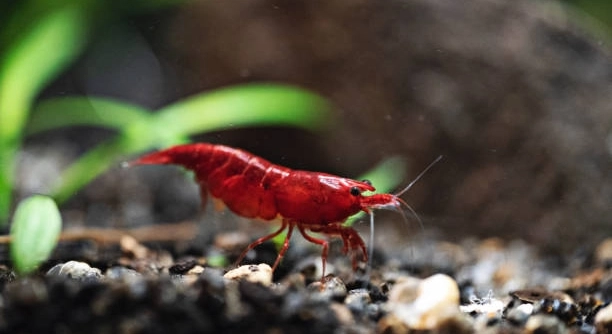
Moving shrimp to a new tank can be stressful for both you and your aquatic pets. Even a short transfer may cause shock, stress, or sudden changes in water conditions that affect their health and well-being.
Proper preparation and careful handling are essential to ensure shrimp survive tank moves. Gradually acclimating them to new water parameters, maintaining stable temperature, minimizing handling, and providing shelter during transport significantly reduce stress and increase their survival rate in the new environment.
Following simple, practical steps can make tank transfers smoother and safer for your shrimp. These strategies will help them adjust comfortably to their new home.
Prepare the New Tank in Advance
Before moving your shrimp, it is essential to have the new tank fully prepared. Ensure the water parameters, including temperature, pH, and hardness, closely match their current tank. Adding plants, hiding spots, and substrate familiar to your shrimp can help them feel secure. This preparation reduces stress and prevents sudden environmental shocks that could harm their delicate system. Cleaning the tank beforehand ensures no harmful residues or chemicals are present. Filling the tank and letting it cycle for a few hours also allows chlorine or chloramine to dissipate, making the water safe. Setting up a gentle filtration system helps maintain water quality without creating strong currents, which can stress shrimp. Carefully checking all equipment, like heaters and filters, ensures they function correctly. The goal is to create an environment that mirrors their previous home as closely as possible, allowing shrimp to adjust more comfortably and avoid potential health issues after the move.
Taking the time to prepare the tank properly makes the transfer process smoother and reduces unnecessary stress for your shrimp.
A well-prepared tank gives shrimp familiar places to explore immediately. By replicating their previous environment, they can hide or settle without feeling threatened. This careful setup is essential for their health and adaptation.
Acclimate Slowly to New Water
Move shrimp gradually into the new tank to prevent shock from sudden water changes.
Introduce a small amount of new tank water to their container every 10–15 minutes over an hour. This allows their bodies to adjust to differences in temperature, pH, and minerals. Drastic changes can cause stress, weaken their immune system, or even lead to mortality. Observing them closely during this period helps identify signs of discomfort or unusual behavior, allowing immediate action. Using a drip acclimation method is highly effective for larger batches of shrimp, ensuring each one adjusts safely. Once the acclimation is complete, gently release them into the new tank without rushing. Avoid overcrowding in the container during this process to reduce stress and prevent injury. A slow, deliberate approach gives shrimp the best chance to thrive in their new environment.
Slow acclimation minimizes stress and ensures shrimp can safely adjust to their new surroundings without harm.
Acclimating shrimp properly protects their health and promotes stability. A gradual transition helps them maintain strength, reduces stress, and increases their chances of thriving in the new tank.
Handle Shrimp with Care
Avoid touching shrimp directly when moving them. Use a small net or container to gently transfer them between tanks, minimizing stress and the risk of injury.
Shrimp have delicate bodies and are easily stressed by rough handling. Using a soft, fine-mesh net helps prevent damage to their exoskeletons. When transferring, move slowly and steadily to reduce sudden movements that can frighten them. Avoid overcrowding the net, as this increases the chance of injury. If possible, move them in small groups, giving each shrimp enough space. Handle each transfer with patience, keeping their comfort in mind. Small actions, like careful lifting and smooth movements, make a significant difference in their safety.
Even minor mistakes, like rushing or squeezing shrimp, can lead to injury or stress. Taking the time to handle them gently ensures they arrive safely and remain healthy in the new tank.
Maintain Water Quality During Transfer
Keep the water clean and oxygenated while moving shrimp to prevent shock. Use a container with fresh water from their original tank.
Shrimp are sensitive to sudden drops in oxygen and changes in water quality. Filling their transfer container with water from their original tank provides familiar parameters. Using an air stone or gentle aeration helps maintain oxygen levels during the transfer. Avoid leaving them in stagnant water for long periods, as this increases stress. Monitor water temperature closely and keep it stable to prevent thermal shock. Small adjustments, like partially covering the container to reduce light and disturbances, also help shrimp remain calm. By controlling these factors, shrimp can transition safely to their new environment.
Maintaining consistent water quality reduces stress and ensures shrimp remain healthy. Careful attention during transfer protects their delicate systems and supports survival in the new tank.
Reduce Stress During the Move
Keep the environment calm and quiet while moving shrimp. Minimize sudden movements, loud noises, and bright lights around the tank.
Covering the container with a cloth or lid helps reduce visual stress. Avoid tapping on the tank or container during the transfer process.
Provide Hiding Spots Immediately
Adding plants, moss, or small decorations gives shrimp places to hide and feel secure.
Shrimp feel safer when they have cover to retreat to. Adding moss, leaf litter, or small caves helps them adjust without feeling threatened. These hiding spots reduce stress, prevent aggressive interactions, and encourage natural behavior like grazing. Ensuring adequate cover in the new tank supports their confidence and promotes healthier acclimation after the move.
Feed Lightly After Transfer
Offer small, easily digestible food portions to shrimp after they settle.
Feeding lightly helps them regain energy without overloading their digestive system.
FAQ
How long should shrimp be acclimated to new water?
Shrimp should be acclimated slowly over at least one hour. Introduce small amounts of new tank water to their container every 10–15 minutes. This gradual adjustment prevents stress from sudden changes in temperature, pH, and mineral content.
Can I move all shrimp at once?
It’s better to move shrimp in small groups rather than all at once. Overcrowding increases stress, risks injury, and makes acclimation less effective. Small groups allow each shrimp space to settle safely and reduce the chance of shock.
Do I need to use a net to transfer shrimp?
Yes, using a soft, fine-mesh net is recommended. Handling shrimp directly can damage their delicate exoskeleton. A gentle net allows smooth transfer while minimizing risk of injury. Make sure not to overcrowd the net during the process.
Should I turn off the filter during the move?
No, the filter should remain on in the new tank if it is gentle. Strong currents can stress shrimp. A running filter helps maintain water quality and oxygenation, which is essential during and after the transfer.
Is it okay to move shrimp in tap water?
No, always use water from their original tank for the transfer. Tap water may contain chlorine or other chemicals that harm shrimp. If you must use new water, treat it and match the temperature and parameters carefully before introducing the shrimp.
How can I tell if shrimp are stressed?
Signs of stress include unusual swimming, hiding constantly, loss of color, or lethargy. Monitoring their behavior closely during and after the move helps you take immediate action if they show signs of distress. Stress can impact their health and survival.
When should I feed shrimp after moving?
Wait until shrimp have settled, usually a few hours after transfer. Offer small, easily digestible food portions. Overfeeding immediately can cause water quality issues and further stress their digestive system. Light feeding helps them regain energy gradually.
Are there specific decorations that help shrimp adjust?
Yes, plants, moss, and small hiding spots like caves or leaf litter help shrimp feel secure. Providing multiple hiding options reduces stress, prevents aggressive interactions, and encourages natural behavior in the new tank.
Can temperature fluctuations harm shrimp during a move?
Yes, sudden changes in temperature can cause shock or even death. Maintain a stable temperature similar to their original tank during transfer. Gradual acclimation and gentle handling reduce the risk of thermal stress.
How often should I monitor water parameters after moving shrimp?
Check water parameters at least daily for the first week. Temperature, pH, ammonia, nitrite, and nitrate levels should remain stable. Immediate action is required if values fluctuate to prevent stress or health issues.
What is the safest way to transport shrimp long distances?
Use a well-aerated container with water from their original tank. Keep the container covered and insulated if necessary. Minimize movement, shaking, and temperature fluctuations. For longer trips, adding oxygen or using a battery-operated air stone helps maintain safe oxygen levels.
Can shrimp survive without hiding spots?
They can survive but will be more stressed. Lack of hiding spots increases vulnerability to aggression and environmental stress. Providing cover immediately improves comfort and reduces the risk of stress-related health problems.
Should I quarantine shrimp before moving them to a new tank?
Quarantining is recommended for shrimp from different sources. It helps detect diseases or parasites and prevents introducing problems into the new tank. A short quarantine period ensures shrimp are healthy and reduces risks for the main tank population.
Do juvenile shrimp need the same precautions as adults?
Yes, juveniles are even more sensitive. Handle them gently, acclimate slowly, and provide plenty of hiding spots. Smaller shrimp are prone to stress and injury, so extra care during transport is essential.
How can I reduce stress if shrimp are very active or skittish?
Minimize light, noise, and sudden movements around the transfer area. Covering the container lightly and moving slowly helps calm active shrimp. Providing plants or moss for immediate cover also helps them feel secure quickly.
Is it necessary to remove shrimp from plants during transfer?
Not always. If plants are safe and free of pests or debris, shrimp can be transferred with some plants. This provides additional cover during the move, reducing stress and making them feel more at home.
What should I do if a shrimp shows signs of stress after transfer?
Observe closely and provide hiding spots. Ensure water quality and temperature are stable. Reducing light and disturbance can help them recover. If stress persists, check for water parameter issues or possible disease, and separate the affected shrimp if needed.
Can adding new shrimp to an established tank be risky?
Yes, introducing new shrimp can cause stress or competition. Acclimate them slowly and provide plenty of hiding spots. Monitoring behavior for the first few days ensures a smooth transition and reduces aggression or stress-related issues.
How long does it take for shrimp to fully adjust to a new tank?
Adjustment can take a few hours to several days. Factors like water parameters, hiding spots, and minimal disturbance affect the process. Gradual acclimation and careful handling speed up recovery and help shrimp feel secure in their new environment.
Are certain shrimp species more sensitive to tank moves?
Yes, some species are more delicate or sensitive to changes in water parameters. Research species-specific needs before moving them. Following proper acclimation procedures ensures even sensitive species survive and adapt successfully.
Can I move shrimp with other fish in the same container?
It’s not recommended. Fish may stress or harm shrimp during transport. Separate containers for shrimp prevent injuries and allow safer, calmer transfers. Keeping them separate reduces stress and ensures a smoother acclimation process.
Is it necessary to use water conditioners during transfer?
If using water from their original tank, conditioners are usually unnecessary. If new water is introduced, use appropriate conditioners to neutralize chlorine or heavy metals. Matching water parameters carefully is more important than relying on chemicals alone.
How do I prevent shrimp from jumping out during transfer?
Cover the container lightly and avoid sudden movements. Ensure the container is deep enough, and keep shrimp calm with minimal disturbance. Providing a lid or cloth prevents accidental escapes while keeping stress low.
What is the most common mistake when moving shrimp?
Rushing the process is the most common mistake. Quick transfers, skipping acclimation, or overcrowding containers increase stress and mortality. Slow, careful handling and proper preparation dramatically improve survival rates.
Can stress from moving affect shrimp molting?
Yes, stress can delay or disrupt molting. Provide hiding spots and stable water parameters to support healthy molts. Minimizing disturbance during and after the move helps shrimp maintain their natural molting cycle.
How often should I observe shrimp after moving?
Monitor them several times a day for at least the first week. Check behavior, feeding, and appearance. Prompt observation helps detect stress, disease, or water issues early, allowing quick corrective action.
Is it okay to move shrimp during molting?
Avoid moving shrimp that are actively molting or about to molt. They are extremely vulnerable during this time. If unavoidable, handle with extreme care and provide ample hiding spaces in the new tank.
Can I use ice packs or heaters to stabilize temperature during transport?
Yes, for long trips, use insulation, ice packs, or portable heaters to maintain stable temperature. Avoid sudden temperature swings, as shrimp are sensitive and even minor fluctuations can cause stress or mortality.
Do shrimp need water from their old tank for long-distance moves?
Using water from their original tank helps maintain familiar parameters and reduces stress. For extended trips, topping up with treated water is acceptable, but maintaining some original tank water is essential for comfort and safety.
How can I make the transfer less stressful overall?
Prepare the new tank, acclimate slowly, provide hiding spots, handle gently, and monitor water quality. Minimizing disturbances, controlling light and noise, and feeding lightly after settling make the process safer and less stressful for shrimp.
What should I do if water parameters are different in the new tank?
Gradually adjust shrimp through drip acclimation to match the new parameters. Sudden changes can be fatal. Monitor closely for stress signs and ensure all environmental factors are stable before completing the transfer.
How can I safely transport large numbers of shrimp?
Use multiple containers to avoid overcrowding. Provide aeration and temperature control. Move them in small groups and acclimate each batch separately. Careful organization ensures all shrimp survive and adjust well in the new tank.
Are there signs of long-term stress after a move?
Yes, prolonged hiding, reduced feeding, slowed molting, or faded colors indicate long-term stress. Continuous monitoring, stable water, and a quiet environment help them recover and return to normal behavior.
Is it necessary to quarantine new shrimp after moving?
Quarantine is recommended if shrimp are from a different source. It helps prevent disease introduction to the main tank and ensures all shrimp remain healthy after relocation.
Can moving shrimp affect their breeding behavior?
Yes, stress can temporarily halt breeding. Providing hiding spots, stable water, and minimal disturbance allows them to recover and resume natural breeding patterns once they adjust fully.
Should I feed heavily before a move?
No, avoid heavy feeding right before transfer. Excess food can foul the water and increase stress. A light meal a few hours before moving is sufficient to provide energy without compromising water quality.
How do I handle sick shrimp during a move?
Separate sick shrimp into quarantine containers. Handle gently and maintain optimal water conditions. This prevents disease spread and allows them to recover in a controlled environment while protecting healthy shrimp in the new tank.
Can stress from moving lead to disease?
Yes, stress weakens the immune system, making shrimp more susceptible to infections. Reducing stress through careful handling, stable water, and hiding spots lowers the risk of disease after a tank move.
Is it okay to use bags for short moves?
For very short moves, bags with original tank water can work. Ensure they are sealed, oxygenated, and protected from temperature changes. Keep the bag calm to prevent injury and stress during transport.
How do I help shrimp adjust faster to a new tank?
Provide hiding spots, maintain water parameters, handle gently, and reduce disturbances. Gradual acclimation and careful monitoring speed up recovery and make shrimp feel secure in the new environment.
Are all shrimp equally sensitive to tank moves?
No, some species tolerate changes better than others. Research species-specific needs and follow proper acclimation procedures to ensure even delicate species survive and adapt successfully.
Can shrimp survive without acclimation?
Some may survive, but the risk of stress, injury, or death is much higher. Proper acclimation significantly increases their chances of thriving in the new tank.
Is it necessary to remove decorations when moving shrimp?
Not always. Removing unsafe or sharp decorations is important, but keeping plants or moss can provide comfort and hiding spots during the transition, reducing stress and supporting adaptation.
How do I prevent molting issues after a move?
Maintain stable water parameters, provide hiding spots, and reduce disturbances. Stress can delay or disrupt molting, so a calm, secure environment supports healthy growth and molting cycles.
What is the ideal container for moving shrimp?
A small, sturdy container with smooth sides, enough water, and minimal crowding works best. Cover lightly to reduce stress, and provide aeration if the trip is long to maintain oxygen levels.
Can moving shrimp affect their coloration?
Stress can temporarily fade their colors. Stable water, hiding spots, and reduced disturbance help shrimp regain normal coloration as they settle into the new tank.
Are there seasonal considerations when moving shrimp?
Yes, extreme temperatures in summer or winter require careful temperature control. Insulating containers or using portable heaters ensures shrimp remain stable and safe during seasonal moves.
How do I safely reintroduce shrimp to the tank after acclimation?
Gently release them near hiding spots, avoiding sudden drops or strong currents. Let them explore the new environment at their own pace while monitoring behavior for stress or unusual activity.
Is it necessary to clean the container after each move?
Yes, cleaning prevents contamination, disease, and leftover waste from harming shrimp in future transfers. A clean container ensures safe, stress-free handling.
Can shrimp jump out of the container during acclimation?
Yes, especially during bright light or stress. Keep the container covered lightly, minimize disturbances, and move slowly to prevent escapes.
Do I need to monitor shrimp after every move?
Yes, close observation for at least a week ensures they adjust well, remain healthy, and allows early detection of stress, disease, or environmental problems.
What’s the most important factor for shrimp survival during moves?
Slow acclimation, gentle handling, stable water parameters, hiding spots, and minimal stress are the key factors for safe and successful tank transfers.
How long should I wait before adding new shrimp to the tank?
Allow current shrimp to adjust fully, usually a few days. Proper acclimation and hiding spots ensure all shrimp settle safely without stress or competition.
Can water conditioners replace acclimation?
No, conditioners help neutralize chemicals but do not prevent stress from sudden changes in water parameters. Acclimation remains essential for safe shrimp transfer.
Are juvenile shrimp more vulnerable than adults?
Yes, juveniles are smaller and more sensitive. Extra care, gentle handling, and plenty of hiding spots are critical during moves to ensure their survival.
How can I reduce stress if shrimp are active or skittish?
Cover the container lightly, reduce light and noise, and move slowly. Provide hiding spots immediately to help them feel secure.
Should I avoid moving shrimp during molting?
Yes, molting shrimp are very vulnerable. Wait until they finish or handle with extreme care if unavoidable, providing plenty of hiding spots.
Can I transport shrimp with other aquatic animals?
Avoid transporting shrimp with fish or aggressive species. Separate containers prevent stress, injury, and ensure a calm, safe move for shrimp.
How do I maintain oxygen during long transfers?
Use aeration, gentle bubbling, or oxygenated water. Avoid overcrowding and temperature fluctuations to keep shrimp safe during extended transport.
What is the risk of skipping acclimation?
Skipping acclimation increases stress, risk of shock, illness, and death. Gradual introduction to new water is essential for survival.
How long does it take for shrimp to fully adapt?
Shrimp may adjust in hours or several days. Providing hiding spots, stable water, and calm conditions supports faster recovery and normal behavior.
Is covering the container necessary?
Yes, a light cover reduces stress from bright light or movement and prevents jumping.
Can improper transfer affect breeding?
Yes, stress may temporarily halt breeding. Calm, stable conditions help shrimp recover and resume reproductive activity.
What’s the best way to prevent injuries during transfer?
Handle with a soft net, move slowly, avoid overcrowding, and provide hiding spots. Careful, deliberate handling protects delicate exoskeletons.
How do I know if a shrimp is not coping well?
Signs include lethargy, constant hiding, loss of color, or unusual swimming. Immediate attention to water and environment helps them recover.
Can water differences between tanks be fatal?
Yes, sudden differences in pH, hardness, or temperature can shock shrimp. Gradual acclimation is essential to prevent fatal outcomes.
Should I feed shrimp during transport?
No, feeding is unnecessary and can worsen water quality. Provide light feeding after they settle into the new tank.
Is it safe to move shrimp at night?
Yes, lower light levels reduce stress. Ensure temperature and water conditions are stable regardless of timing.
How do I reduce the risk of molting problems after moving?
Maintain stable water, provide hiding spots, and minimize disturbances. Stress can delay or disrupt molting, so a calm environment supports healthy growth.
Are shrimp more sensitive to certain water parameters?
Yes, some species are highly sensitive to pH, temperature, and hardness. Matching parameters closely during transfer ensures safety.
Do all transfers require the same level of care?
Smaller or short moves may be easier, but all transfers benefit from acclimation, gentle handling, and hiding spots to reduce stress and improve survival.
Can frequent moves harm shrimp long-term?
Repeated stress from frequent moves can weaken immune systems and affect growth or reproduction. Minimizing unnecessary moves is best.
What should I do if shrimp refuse to eat after moving?
Give them time to settle. Provide hiding spots, stable water, and minimal disturbance. Appetite usually returns once stress is reduced.
How do I prevent ammonia buildup during transport?
Avoid overfeeding, use water from their original tank, and transfer in small groups. Frequent water changes during longer moves help maintain safe conditions.
Are there tools that make moving shrimp safer?
Soft nets, small containers, drip acclimation kits, and portable aerators improve safety and reduce stress during transport.
Can stress cause disease outbreaks after moving?
Yes, stress weakens immunity, making shrimp more prone to bacterial or fungal infections. Stable conditions and careful handling reduce risks.
How can I make multiple tank moves easier?
Prepare each tank in advance, acclimate shrimp slowly, move in small groups, and provide hiding spots. Consistency and organization reduce stress and improve survival.
Is it necessary to monitor water parameters after every move?
Yes, frequent checks for temperature, pH, and ammonia help catch problems early, ensuring shrimp remain healthy in the new environment.
How do I minimize stress if shrimp are skittish?
Move slowly, cover the container lightly, reduce light and noise, and provide immediate hiding spots to help them feel secure.
Can improper handling lead to permanent damage?
Yes, rough handling can damage exoskeletons, impair molting, or cause death. Gentle, careful handling is crucial.
Are all shrimp equally hardy during moves?
No, some species are more delicate. Research specific needs and follow careful acclimation to ensure survival.
Can water parameter differences cause long-term health issues?
Yes, sudden changes can weaken shrimp and affect molting, coloration, or immunity. Gradual acclimation prevents these problems.
Should I quarantine shrimp after moving?
Quarantine is recommended if they come from another source or exhibit unusual behavior. It prevents disease spread and ensures health.
Can stress from moving affect lifespan?
Prolonged or severe stress can reduce lifespan. Careful handling, acclimation, and a calm environment help maintain long-term health.
How do I ensure shrimp stay safe during short moves?
Even brief transfers require stable water, gentle handling, and minimal disturbance to protect them from injury or stress.
What’s the best way to monitor shrimp after moving?
Observe behavior, feeding, coloration, and molting daily. Early detection of stress or illness allows quick action to support survival.
Can hiding spots prevent aggression in a new tank?
Yes, adequate cover reduces competition and allows shy shrimp to retreat
Moving shrimp to a new tank can feel overwhelming at first, but taking the right steps makes the process much easier and safer for your shrimp. Preparation is key, from making sure the new tank is fully set up with proper water conditions to providing hiding spots that help shrimp feel secure. Even small details, like matching the temperature and pH of the water to their previous tank, can have a big impact on their comfort. Paying attention to these factors reduces stress and helps your shrimp settle in quickly without risking their health. A calm, well-prepared environment encourages natural behavior and supports overall well-being, which is especially important for delicate or sensitive shrimp species.
Handling shrimp carefully is another important aspect of a successful move. Using a soft net or small container, moving slowly, and avoiding sudden movements ensures that shrimp are not injured during transfer. Overcrowding containers or rushing the process can cause unnecessary stress, which may lead to weakened immunity or even death. Even after shrimp are in the new tank, continuing to minimize disturbances, maintaining clean water, and monitoring behavior helps them adjust smoothly. Providing light, consistent feeding after they settle in and keeping an eye on water parameters ensures they remain healthy and regain energy. Small actions, such as covering the container during transfer or giving them time to acclimate, may seem minor but play a significant role in their survival and comfort.
Following these steps allows shrimp to thrive in their new environment. Gradual acclimation, careful handling, and maintaining stable water quality are all part of creating a stress-free move. Paying attention to hiding spots, food, and behavior after the transfer ensures that shrimp adjust naturally and maintain their health. While moving shrimp can feel like a delicate task, patience and preparation make it manageable and safe. Observing their behavior and responding to stress signs promptly provides peace of mind and protects their well-being. By focusing on these details, you can make sure that shrimp remain active, healthy, and comfortable, giving them the best chance to thrive in their new tank.

Hello,
If you enjoy the content that we create, please consider saying a "Thank You!" by leaving a tip.
Every little bit helps us continue crafting quality advice that supports the health, happiness, and well-being of pets around the world, for pets of all shapes, sizes, and species.
We really appreciate the kindness and support that you show us!