
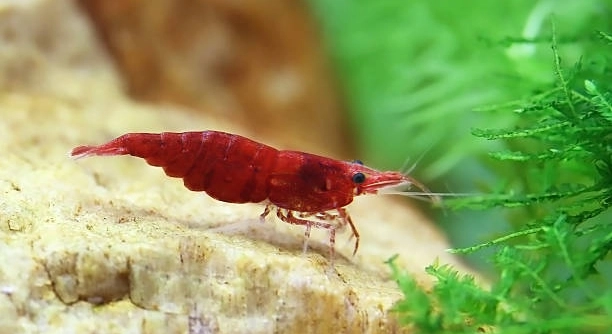
Cherry shrimp are small, delicate creatures that thrive in planted aquariums. Moss provides both shelter and feeding opportunities, creating a natural environment where these tiny shrimp can explore freely and feel secure within the tank.
Yes, cherry shrimp can get temporarily lost in moss due to its dense structure. Thick moss mats create hiding spaces and visual barriers, making shrimp less visible, but they are rarely in danger as they can navigate and resurface safely.
Understanding how moss affects their movement and visibility helps maintain a healthy tank. Proper moss management ensures shrimp remain safe, active, and visible while enjoying their natural habitat.
How Moss Provides Shelter for Cherry Shrimp
Moss offers cherry shrimp an ideal environment for hiding and resting. Its dense texture gives them places to feel safe, especially when they are molting or avoiding other tank inhabitants. The tiny shrimp can slip between moss strands, reducing stress and providing natural cover. Moss also collects biofilm and microalgae, which serve as a reliable food source. Shrimp grazing on moss benefit from a steady supply of nutrients without needing constant supplemental feeding. Over time, moss helps maintain water quality by trapping debris and stabilizing the ecosystem within the aquarium. Its natural structure supports shrimp behavior and encourages activity, as they can explore, forage, and interact with their surroundings without feeling exposed. Different types of moss, such as Java moss or Christmas moss, offer various textures and thicknesses, which can influence how easily shrimp navigate. Maintaining healthy moss ensures that shrimp always have access to these benefits and reduces stress-related behavior.
Moss creates a balance between safety and activity. Shrimp can hide when needed yet continue to explore their environment freely.
Dense moss also affects shrimp visibility. While it offers protection, it can make spotting and monitoring your shrimp challenging, requiring patience and careful observation to ensure they are healthy and active.
Tips for Managing Moss in Your Tank
Keeping moss trimmed prevents it from becoming too thick and overwhelming for shrimp. Regular maintenance ensures they can move freely.
Proper moss care involves trimming overgrown areas and removing dead strands. Excessively dense moss can limit water flow and reduce oxygen availability, which may impact shrimp health. Consistent monitoring helps maintain balance, allowing shrimp to hide while still navigating the tank efficiently. Choosing the right type of moss is also important; some varieties grow faster and denser than others, so adjusting trimming frequency is necessary. Additionally, moss should be anchored securely to prevent it from floating and disturbing shrimp habitats. By managing moss effectively, shrimp can benefit from shelter and food without the tank becoming overly cluttered. This balance promotes natural behavior, reduces stress, and enhances the overall health of your shrimp. Proper lighting and nutrient balance also support moss growth, keeping it healthy for both aesthetics and functionality in the aquarium. Regular observation and minor adjustments ensure a thriving, well-structured environment that accommodates the shrimp’s needs while preserving water quality and tank stability.
Feeding Behavior in Moss
Shrimp often graze on biofilm that grows on moss surfaces. This provides a steady, natural source of nutrition that complements their regular diet.
Moss collects microorganisms, algae, and detritus, creating a living buffet for cherry shrimp. As they crawl over moss strands, they scrape and consume these tiny food sources. This constant access to nutrition supports growth, molting, and overall health. Grazing in moss also keeps shrimp active, allowing them to forage instinctively and reduce boredom in the tank. Supplementing with high-quality shrimp food ensures they receive all necessary nutrients while still benefiting from moss feeding opportunities. Proper tank maintenance ensures moss remains clean and nutrient-rich.
Dense moss can sometimes trap uneaten food and waste, which may alter water quality. Regularly checking moss prevents excessive buildup, maintaining a healthy feeding environment. Monitoring feeding behavior ensures shrimp are thriving and not hiding due to stress or poor water conditions.
Shrimp Visibility and Observation
Thick moss can make it difficult to see all shrimp at once, requiring patience during observation.
Shrimp often disappear into moss layers, making tracking their numbers and health more challenging. While hiding reduces stress, it also means you must carefully inspect the tank to ensure all shrimp are active, eating, and free from illness. Using trimmed moss patches and open areas can help balance visibility with shelter. Observing shrimp behavior regularly allows you to notice changes in activity, molting, and feeding patterns. It also ensures that all shrimp are safely navigating their environment without becoming trapped in overly dense moss sections.
Maintaining a mix of dense and open moss areas benefits both shrimp health and visibility. It allows them to hide naturally while still giving you opportunities to monitor growth, detect problems early, and ensure the tank environment remains balanced and supportive. Proper arrangement of moss can prevent overcrowding in certain areas and encourage even distribution of shrimp throughout the tank. This balance helps maintain a stable ecosystem and supports long-term shrimp well-being.
Moss Density and Shrimp Movement
Dense moss can slow shrimp movement, making it harder for them to navigate freely.
Thicker moss provides excellent hiding spots but may restrict swimming space. Shrimp adapt by crawling through strands instead of swimming openly. Regular trimming helps maintain balance, allowing shrimp to explore while still offering adequate shelter.
Molting and Moss
Moss offers a safe environment for shrimp during molting, reducing stress and exposure to potential threats. They can hide and recover in its dense coverage without interruption from other tank inhabitants. This protection supports healthy growth and successful molts, which are critical for their development.
Moss Maintenance
Regularly cleaning and trimming moss prevents debris buildup. It ensures shrimp have access to clean surfaces and reduces risks of poor water quality.
FAQ
Can cherry shrimp get lost permanently in moss?
Cherry shrimp do not get lost permanently in moss. While dense moss can hide them from view, they are capable of navigating through it safely. Their small size and natural agility allow them to move between strands and return to open areas when needed. Shrimp instincts guide them to find food, shelter, and other shrimp, so being “lost” is temporary and usually only affects visibility. Regular moss maintenance helps ensure they remain visible without compromising their safety.
How can I tell if my shrimp are stuck in moss?
Shrimp rarely get physically stuck, but dense moss can make it seem like they are trapped. Signs of distress include lack of movement, hiding in the same spot for long periods, or failing to eat. Gently observing moss areas and checking water quality can help determine if shrimp are healthy and active. Creating open spaces within moss allows shrimp to move freely while still providing shelter.
Does moss affect shrimp feeding habits?
Yes, moss impacts feeding by providing a natural source of biofilm, algae, and microorganisms. Shrimp graze on these surfaces throughout the day, supplementing their main diet. While moss feeding is beneficial, it should not replace high-quality shrimp food entirely. Balanced feeding ensures proper growth, molting success, and overall health. Trimming moss occasionally prevents excessive buildup of uneaten food and debris, keeping the environment clean.
What type of moss is best for cherry shrimp?
Java moss and Christmas moss are popular choices due to their dense growth and easy maintenance. Both provide ample hiding spots and food surfaces for shrimp. Moss selection can influence visibility and tank aesthetics. Fast-growing moss may require more frequent trimming, while slower-growing types reduce maintenance. Anchoring moss securely ensures it remains in place and does not float or disrupt shrimp activity. A mix of moss textures can also benefit shrimp by offering variety in shelter and grazing surfaces.
How often should I trim moss in a shrimp tank?
Trimming frequency depends on growth rate and tank size. Fast-growing moss may need trimming every two to three weeks, while slower varieties can go longer. Regular trimming prevents overcrowding, ensures water circulation, and allows shrimp to move freely. Removing dead or decaying moss is also important for maintaining water quality. Keeping moss healthy and manageable supports both shrimp activity and tank stability.
Can moss affect water quality for shrimp?
Moss generally improves water quality by trapping debris and providing surfaces for beneficial bacteria to grow. However, excessively dense or decaying moss can reduce water flow and oxygen levels, potentially harming shrimp. Regular cleaning and trimming prevent negative effects, ensuring moss remains a supportive part of the aquarium ecosystem. Monitoring water parameters regularly is essential for shrimp health.
Will all shrimp species use moss the same way?
Different shrimp species may interact with moss differently. Cherry shrimp are active grazers and use moss for both food and shelter. Other species might prefer open areas or different hiding spots. Observing species-specific behavior helps adjust tank layout to suit their needs. Providing a variety of moss types and densities encourages natural activity and reduces stress for multiple shrimp species.
Is moss necessary for a shrimp tank?
Moss is not strictly necessary, but it greatly benefits shrimp by providing food, shelter, and breeding areas. It supports natural behaviors, reduces stress, and enhances tank aesthetics. While shrimp can survive without moss, including it creates a healthier, more balanced environment that encourages active grazing and molting success.
Can shrimp reproduce in moss?
Yes, moss provides an ideal environment for shrimp to lay eggs and for juveniles to hide. Dense strands protect young shrimp from predators and strong currents. This increases survival rates and allows the population to grow steadily. Proper moss maintenance ensures eggs and juveniles remain safe while keeping the tank clean and balanced.
How can I maintain moss without harming shrimp?
Use gentle trimming techniques, avoid harsh chemicals, and monitor water parameters closely. Removing debris by hand or using soft tools prevents disturbing shrimp. Avoid sudden changes in lighting or nutrients, as this can stress both moss and shrimp. Maintaining a stable, supportive environment ensures healthy growth for moss and safe living conditions for shrimp.
Cherry shrimp and moss form a natural pairing in planted aquariums. Moss provides essential shelter, hiding spots, and grazing surfaces for these small shrimp. It allows them to feel secure while exploring, molting, and feeding. Dense moss can create temporary hiding spaces, making shrimp less visible, but this is not harmful. They are naturally adept at navigating through moss, moving between strands to find food or return to open areas. Moss also supports water quality by trapping debris and hosting beneficial bacteria, which benefits shrimp health. By choosing the right type of moss and maintaining it properly, you can create an environment that balances safety, activity, and visibility for your shrimp.
Maintaining moss in a shrimp tank requires attention to density and growth. Overgrown moss may limit movement and obscure visibility, but regular trimming helps prevent these issues. Different moss varieties grow at different rates, so monitoring growth and removing dead or decaying strands ensures water quality remains stable. Moss also offers a natural source of food in the form of biofilm and microalgae. Shrimp grazing on moss can stay nourished between feedings, but supplemental food is still necessary for complete nutrition. The combination of grazing and regular feeding supports healthy molting, growth, and overall vitality. Proper moss care ensures shrimp can thrive while giving tank owners opportunities to observe activity and behavior without constant difficulty.
Overall, moss contributes to a balanced, supportive habitat for cherry shrimp. It encourages natural behavior, reduces stress, and enhances both the aesthetic and functional aspects of the tank. Managing moss effectively, by trimming, anchoring, and monitoring water quality, creates a stable environment that benefits both shrimp and plants. Open areas within moss allow shrimp to move freely and maintain visibility, while dense sections provide shelter and breeding grounds for juveniles. Moss is not strictly necessary, but its benefits make it a valuable addition to any shrimp aquarium. A well-maintained moss environment promotes healthy, active shrimp while supporting a clean, visually appealing tank that remains easy to care for over time.

Hello,
If you enjoy the content that we create, please consider saying a "Thank You!" by leaving a tip.
Every little bit helps us continue crafting quality advice that supports the health, happiness, and well-being of pets around the world, for pets of all shapes, sizes, and species.
We really appreciate the kindness and support that you show us!