
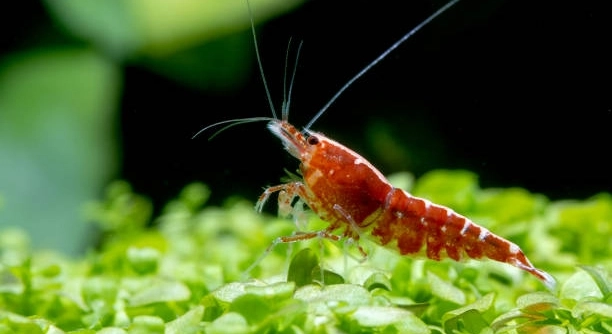
Are your shrimp acting strangely in your tank and moving less than usual? Observing their behavior can give you important hints about how comfortable they feel with the water flow around them.
Shrimp that dislike strong currents often exhibit signs such as clinging to surfaces, reduced movement, or hiding in corners. Monitoring their positioning and activity levels can help determine if the water flow in the tank is too intense for their comfort.
Learning to recognize these signs is important for maintaining a healthy and stress-free environment for your shrimp to thrive.
Signs of Clinging to Surfaces
When shrimp dislike the current, one of the first behaviors you might notice is that they cling to surfaces more than usual. Rocks, plants, and decorations become their resting spots. They may use their legs and claws to hold on tightly, avoiding the open water where the flow is stronger. This behavior is often paired with minimal swimming or drifting. Observing them during feeding times can reveal a lot; shrimp that usually move freely may stay put near stable surfaces. Some species may also press themselves against the tank glass or corners to escape the push of water. These signs are important because they indicate stress and discomfort. Adjusting the flow or creating calm areas can help them regain confidence in swimming. Small changes, like adding more plants or hiding spots, often reduce stress and improve overall activity.
Shrimp clinging to surfaces signals that the current is stronger than they can comfortably handle.
Creating calm zones with plants and decorations allows shrimp to rest safely, reducing stress and encouraging normal activity.
Reduced Activity Levels
Shrimp that dislike water currents often move less than usual. They may drift slowly or avoid swimming entirely, staying near the tank bottom or behind decorations.
Prolonged exposure to strong currents can exhaust shrimp and affect their health. Over time, shrimp may eat less or hide more, making it harder to monitor their overall well-being. Maintaining a balanced flow ensures they can swim naturally without struggling. You can use sponge filters, flow diffusers, or rearranged decorations to reduce direct current in certain areas. Monitoring activity patterns over several days helps identify if changes in the environment are necessary. Stress from unsuitable water flow can also affect molting, breeding, and coloration. By observing these subtle behavior shifts, you can intervene before it becomes a serious health issue. Properly adjusted currents allow shrimp to explore their tank freely, interact normally with other tank mates, and maintain strong, healthy bodies over time.
Hiding More Than Usual
Shrimp that dislike the current spend more time hiding in plants, rocks, or corners. They avoid open water and often stay in shaded or protected areas, limiting their exposure to the strong flow.
Hiding behavior is a clear indication that shrimp are stressed by water movement. They may retreat for long periods, only emerging briefly to feed before returning to their shelters. This can affect their feeding patterns and overall activity, making it harder to track their health. Shrimp use hiding as a coping mechanism, and consistent hiding often signals the need for environmental adjustments. Reducing current strength or adding more hiding spots can help them feel safer and encourage more normal activity patterns throughout the tank.
Frequent hiding can also impact shrimp interactions. They may avoid other tank mates, reducing social behaviors such as grazing together. Over time, prolonged hiding can affect growth, molting cycles, and even reproduction. Providing calmer zones allows shrimp to explore more confidently, improving both their physical health and natural behaviors in the tank.
Difficulty Maintaining Position
Shrimp struggling with current often have trouble staying in one place. They may get pushed around, cling tightly, or repeatedly adjust their position.
This difficulty maintaining position can cause stress and fatigue. Constantly fighting the flow drains energy, leaving shrimp less willing to move or forage. In strong currents, shrimp may even be unable to feed properly, affecting nutrition and growth. Observing where shrimp spend most of their time helps identify areas with excessive flow. Adjusting filter output, repositioning decorations, or creating buffer zones can reduce these challenges. Calmer areas allow shrimp to rest and feed without strain.
Over time, shrimp that cannot maintain position in the tank may show reduced coloration or slower growth. Stress from continuous struggle against water flow impacts overall well-being. Providing areas with gentle currents ensures shrimp can move naturally, complete essential activities, and maintain health. Buffer zones near plants, rocks, or corners give them the choice to rest or explore without constant effort, supporting a balanced and thriving tank environment.
Fins Clamped or Rigid
Shrimp uncomfortable with the current often keep their fins clamped close to their body. This is a defensive posture to resist being pushed by the water flow.
Clamped fins can indicate ongoing stress. Shrimp may stay in this position for extended periods, limiting their movement and signaling that the tank’s current is too strong.
Erratic Swimming Patterns
Shrimp exposed to strong currents sometimes swim unpredictably. They may dart quickly, change directions abruptly, or get pushed into corners repeatedly. This behavior increases energy use and stress, as shrimp try to regain control in the tank.
Avoiding Open Water
Shrimp that dislike the current avoid the middle of the tank. They stick to edges, plants, and decorations to minimize exposure to strong flow.
Lethargy or Weak Movement
Shrimp struggling with the current often appear lethargic. They move slowly or stay in one spot for long periods, conserving energy to cope with stress from the water flow.
FAQ
How can I tell if my shrimp truly dislike the current?
Shrimp that dislike the current usually show a combination of behaviors. They cling to surfaces, hide more often, and avoid open areas. You may also notice clamped fins, erratic swimming, or lethargy. Observing their position and activity over several days can confirm whether strong water flow is stressing them.
What adjustments can I make to reduce current in my tank?
Reducing water flow can be done in several ways. Lower the filter output, use a sponge filter to diffuse flow, or rearrange decorations and plants to break up strong currents. Even small changes can create calmer zones where shrimp can rest and feed comfortably without struggling against the water.
Will shrimp eventually get used to strong currents?
Some shrimp may adapt to mild currents over time, but prolonged exposure to strong flow can cause stress and health issues. While temporary acclimation is possible, providing areas of calm water is a more reliable way to support their health, growth, and natural behavior patterns.
Can strong currents affect shrimp molting or breeding?
Yes, strong currents can interfere with molting and reproduction. Stressed shrimp may delay or skip molting cycles, and breeding behavior can be reduced. Calm areas with less flow encourage normal molting, allow young shrimp to survive, and support natural reproduction without added stress.
Are there specific shrimp species more sensitive to water flow?
Yes, smaller or more delicate species like cherry shrimp or crystal red shrimp are usually more sensitive to strong currents. Larger or hardier species can tolerate slightly higher flow, but creating calm zones benefits all shrimp species by reducing stress and allowing natural behaviors.
How do decorations and plants help with strong currents?
Decorations and plants act as physical barriers, breaking up fast-moving water and creating areas of low flow. Shrimp can rest, feed, and explore safely around these areas. Dense plants, moss, or rock formations can reduce current stress and provide hiding spots for timid shrimp.
Should I adjust feeding habits if shrimp are stressed by current?
Yes, stressed shrimp may eat less or be unable to reach food in strong currents. Offering food in calmer areas or near plants helps ensure they get proper nutrition. Monitoring feeding behavior is important, as reduced food intake can affect growth and overall health.
Can strong currents cause long-term health issues?
Persistent stress from unsuitable currents can lead to weaker immune systems, slower growth, and increased susceptibility to disease. Providing calm zones and monitoring behavior regularly helps prevent long-term health problems and ensures shrimp maintain normal activity and vitality.
How often should I monitor shrimp behavior related to currents?
Daily observation is ideal. Watch how shrimp move, where they rest, and how often they hide. Noticing subtle changes early allows for timely adjustments to flow, decorations, or filtration, keeping shrimp comfortable and reducing stress-related problems.
Are there tools to measure or control water flow effectively?
Yes, adjustable filters, powerheads with flow control, and flow diffusers help manage water movement. Using these tools strategically allows you to create areas of gentle flow for shrimp while still maintaining proper filtration and circulation for overall tank health.
Final Thoughts
Maintaining a healthy tank for shrimp requires paying attention to their comfort in the water, especially regarding current. Shrimp are sensitive to strong flow, and even small changes in water movement can affect their behavior, health, and overall well-being. Observing where shrimp spend most of their time and how they move can give clear signs of whether the current is too strong. Signs like hiding more often, clinging to surfaces, or struggling to maintain position are not random—they indicate stress that can impact feeding, molting, and interaction with other tank mates. By understanding these behaviors, you can make adjustments that create a more balanced and stable environment for them.
Creating calm areas in the tank is a practical way to improve shrimp comfort. Adding plants, rocks, moss, or decorations can break up strong currents and provide spaces for shrimp to rest. Lowering filter output or using diffusers can also reduce flow in specific areas, giving shrimp options to explore or retreat as needed. Small changes in water flow can make a noticeable difference in behavior. Shrimp that feel safe will move more freely, eat regularly, and display natural activity patterns. It is also important to provide consistent monitoring over time, as behavior can change with growth, seasonal tank conditions, or the addition of new tank mates. Keeping an eye on these patterns helps prevent stress before it becomes harmful.
Attention to shrimp behavior and water conditions ultimately supports their long-term health and happiness. Adjusting water flow is not just about making the tank look better or reducing noise—it directly affects the shrimp’s ability to feed, molt, reproduce, and thrive. Even small adjustments, like creating shaded corners or gentle currents, allow shrimp to explore confidently and interact naturally. Healthy shrimp contribute to a balanced aquarium ecosystem, benefiting both the shrimp and other inhabitants. By recognizing the signs that shrimp dislike the current and taking steps to address them, you ensure they remain active, healthy, and stress-free. Providing the right conditions fosters a stable and thriving tank environment, where shrimp can live according to their natural behavior without unnecessary strain.

Hello,
If you enjoy the content that we create, please consider saying a "Thank You!" by leaving a tip.
Every little bit helps us continue crafting quality advice that supports the health, happiness, and well-being of pets around the world, for pets of all shapes, sizes, and species.
We really appreciate the kindness and support that you show us!