
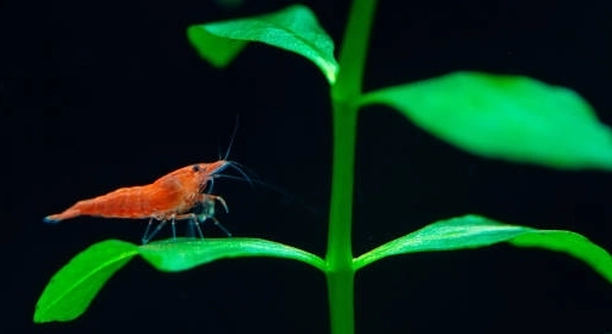
Do you ever find yourself admiring your cherry shrimp tank but noticing the colors are dull or plants do not thrive as expected? Lighting plays a vital role in creating a healthy and vibrant aquatic environment.
Proper lighting for cherry shrimp tanks ensures optimal plant growth, enhances shrimp coloration, and supports overall ecosystem balance. Factors such as light intensity, spectrum, duration, and placement directly influence the health and behavior of both shrimp and flora.
Understanding the role of lighting will help you maintain a lively, balanced tank where shrimp flourish naturally and plants grow more effectively.
Choosing the Right Light Spectrum
Cherry shrimp and aquatic plants respond best to a full-spectrum light that mimics natural sunlight. Using the correct spectrum enhances shrimp coloration while encouraging photosynthesis in plants. Avoid lights that are too blue or too red, as they may create imbalances. LED lights are energy-efficient and provide consistent intensity. Fluorescent bulbs can also work but may need replacing more frequently. The key is balancing light to prevent algae growth while maintaining a bright, natural look. Position the light to evenly illuminate the tank, avoiding shadows or overly bright spots that can stress the shrimp. A timer ensures consistent light periods, helping plants and shrimp adjust to a predictable cycle. Monitoring tank conditions and adjusting light as needed keeps your setup healthy. Experimenting carefully with intensity and duration allows you to find the optimal environment for both plants and shrimp without causing harm. Regular observation helps identify any changes in behavior or plant health early.
Proper spectrum selection directly influences plant growth, shrimp color, and tank stability over time.
Consistent lighting creates a healthier environment. Shrimp appear more vibrant, and plants grow steadily. Avoid extremes that could disrupt tank balance. Adjust intensity gradually, monitoring both shrimp activity and plant development. Lighting also affects algae growth, so careful control is necessary. A timer or programmable lighting schedule provides reliability. Observing shrimp behavior and plant condition helps maintain equilibrium, ensuring a lively, sustainable tank. Choosing the right light spectrum from the start saves effort later and contributes to a visually pleasing setup that supports life naturally.
Duration and Intensity of Light
Lighting duration should typically range between 8 and 10 hours per day, depending on plant types and shrimp behavior.
Excessive light encourages algae growth, while insufficient light hinders plant development and shrimp vitality. Finding a balance is crucial for maintaining a clean, thriving tank.
Adjusting light intensity is equally important. Start with moderate brightness, then observe the tank over several days. High-intensity lighting can cause stress or sudden algae blooms, while low light may result in poor plant growth and dull shrimp coloration. Using a dimmable LED allows precise control over brightness, making it easier to match natural conditions. Gradual changes in intensity help shrimp acclimate without disruption. Combining proper duration with correct intensity promotes photosynthesis, enhances shrimp activity, and reduces unwanted algae. Regular monitoring and minor adjustments ensure a stable environment where both shrimp and plants thrive. Keeping records of light schedules and observing tank responses improves long-term success, providing a reliable framework for consistent, healthy growth.
Positioning the Light
Place the light directly above the tank for even coverage, avoiding angles that create shadows. Keep it high enough to reduce stress on shrimp but close enough to support plant growth.
Positioning impacts both shrimp activity and plant health. Lights placed too low can overheat the water and cause shrimp to hide, while lights too far may not provide sufficient energy for plants. Ensure the fixture covers the entire tank surface evenly. Reflectors can help distribute light more uniformly, preventing dark spots where algae might take hold. Observing shrimp behavior and plant growth after adjusting position helps determine the best placement. Consistent positioning also makes it easier to maintain a reliable lighting schedule and reduces sudden stress for shrimp and plants alike.
Proper positioning prevents stress and promotes balanced plant growth. Adjusting gradually allows shrimp to acclimate without sudden changes.
Using Timers and Automation
Timers ensure a consistent light cycle, preventing irregular exposure that could harm shrimp or plants. A predictable schedule keeps the tank stable.
Automated lighting reduces human error and helps maintain a natural day-night rhythm. Consistent cycles improve plant photosynthesis and shrimp activity, making the tank environment more predictable. Using programmable timers allows gradual light transitions, simulating sunrise and sunset, which reduces stress on shrimp. Automation also minimizes algae outbreaks caused by irregular lighting. Combining timers with dimmable lights ensures flexibility in intensity and duration, adapting to seasonal changes or plant requirements. Monitoring tank responses while using automation allows fine-tuning for optimal balance. Properly set timers and automation save time and contribute to long-term tank stability.
Timers provide structure, reducing stress and encouraging natural behavior. Automation ensures light remains consistent without constant manual adjustments.
Avoiding Algae Growth
Controlling light duration and intensity helps prevent algae from taking over the tank. Keep consistent schedules and avoid placing the tank in direct sunlight.
Regular maintenance, such as removing debris and trimming plants, supports a balanced environment. Algae growth is minimized when plants are healthy and light is carefully managed.
Reflective Surfaces
Using reflective surfaces inside the tank or on its walls can increase light distribution. Mirrors or white backgrounds enhance brightness, supporting plant photosynthesis. Proper reflection ensures all areas of the tank receive sufficient light without increasing intensity excessively.
Monitoring Shrimp Behavior
Shrimp activity indicates whether lighting is appropriate. Hiding or lethargy often signals excessive brightness or sudden changes in light cycles. Regular observation helps maintain a comfortable environment and prevents stress.
Adjusting for Seasonal Changes
Lighting needs may vary with seasonal shifts in natural light. Adjust intensity and duration gradually to maintain stable conditions inside the tank, supporting shrimp and plant health.
FAQ
What is the best type of light for cherry shrimp tanks?
LED lights are the most suitable choice because they provide consistent intensity, are energy-efficient, and have adjustable spectrums. Full-spectrum LEDs support plant growth and enhance shrimp coloration. Fluorescent lights can work but may require more frequent replacement and careful monitoring.
How long should the lights stay on each day?
A typical schedule ranges between 8 and 10 hours per day. This duration supports plant photosynthesis without encouraging excessive algae growth. Using a timer helps maintain consistency and allows shrimp to adapt to a predictable light cycle.
Can too much light harm my shrimp?
Yes. Excessive light can stress shrimp, causing them to hide or become less active. It may also promote algae growth, which can compete with plants for nutrients. Gradually adjusting intensity prevents sudden changes that could disturb the tank.
Is a timer necessary for lighting?
While not strictly required, timers are highly recommended. They provide a consistent day-night cycle, reduce human error, and allow for gradual transitions that mimic natural light changes, which lowers stress levels for both shrimp and plants.
Do I need to adjust light for seasonal changes?
Yes. Natural daylight variations can impact tank conditions. Gradually adjusting light duration and intensity helps maintain a stable environment. This prevents stress in shrimp and ensures plants continue to grow effectively throughout the year.
How can I prevent algae while keeping the tank well-lit?
Control light intensity and duration carefully. Avoid direct sunlight, maintain plant health, and remove debris regularly. Reflective surfaces can increase brightness without raising intensity, supporting plant growth while limiting algae formation.
Can I use colored lights for aesthetics?
Colored lights can enhance the visual appeal but should not replace full-spectrum lighting. Shrimp and plants require natural-spectrum light for proper growth and health. If using decorative lights, ensure they are supplemental rather than the primary source.
How do I know if the lighting is correct?
Observe shrimp activity and plant condition. Active shrimp and steady plant growth indicate proper lighting. Hiding shrimp, pale coloration, or slow plant development suggests adjustments are needed in duration, intensity, or spectrum.
What are the signs of insufficient light?
Plants may grow slowly or become pale, and shrimp colors can appear dull. Low light may also cause algae to die back temporarily, but overall tank health suffers if exposure is consistently too low.
Should I combine different types of lighting?
Combining LED and fluorescent lighting is possible but not always necessary. LEDs usually provide all required spectrum and intensity. If combining, ensure the overall light duration and intensity remain within safe ranges for shrimp and plants.
Can reflective surfaces replace higher-intensity lights?
Reflective surfaces enhance light distribution but cannot fully replace sufficient intensity. They allow even coverage and reduce dark spots, which helps plants grow uniformly and prevents stress in shrimp.
How often should I adjust lighting settings?
Adjust settings gradually based on observations of shrimp behavior and plant growth. Sudden changes can cause stress or algae outbreaks. Keeping a simple log of light schedules and tank responses helps maintain long-term stability.
What is the best height for the light fixture?
Position lights high enough to reduce stress on shrimp but close enough to support plant photosynthesis. Even coverage is essential, and using reflectors can help prevent shadows while maintaining comfortable brightness levels.
Are timers and dimmable lights worth the investment?
Yes. They allow precise control over duration and intensity, which supports a stable environment. Gradual transitions and consistent schedules reduce stress, improve plant growth, and make daily maintenance easier.
How do I balance lighting with filtration and temperature?
All tank factors interact. Ensure light intensity and duration do not raise water temperature excessively. Proper filtration maintains water quality, which, combined with stable lighting, ensures shrimp and plants thrive. Adjusting one element often requires minor tweaks to others for balance.
Can I leave lights on during water changes?
Short-term exposure during water changes is fine. Avoid prolonged shifts in lighting or intensity during maintenance. Gradual adjustments prevent stress, keeping shrimp behavior normal and minimizing algae growth.
How do I test if the light spectrum is suitable?
Observe plant health and shrimp coloration over time. Plants that grow steadily and shrimp that display vibrant colors indicate a suitable spectrum. LED lights often specify full-spectrum output, simplifying this assessment.
Are there lights specifically designed for shrimp tanks?
Yes, some manufacturers produce aquarium-specific LED systems optimized for small freshwater tanks. These lights often combine full-spectrum output with adjustable intensity, supporting both shrimp and plant needs without overexposure.
How important is even lighting across the tank?
Very important. Uneven light creates dark spots where algae may grow and areas where plants struggle. Reflectors or well-positioned fixtures ensure uniform coverage, supporting a healthy, visually balanced tank.
What should I do if shrimp hide under bright lights?
Reduce intensity gradually or adjust fixture height. Ensure a predictable schedule with a timer and allow gradual acclimation. Observing shrimp activity helps determine whether lighting adjustments are sufficient to reduce stress.
Is natural sunlight recommended for cherry shrimp tanks?
Direct sunlight is generally discouraged because it can cause temperature spikes and promote algae growth. Controlled artificial lighting provides stability and allows precise spectrum, duration, and intensity suitable for shrimp and plants.
How often should I clean or replace lights?
LED lights require minimal maintenance but should be checked periodically for dust and debris. Fluorescent lights may need replacement every 6–12 months, depending on brightness retention, to maintain proper intensity for plant and shrimp health.
Can I adjust lighting for shrimp breeding?
Yes. Breeding shrimp benefit from stable light cycles and moderate intensity. Gradual adjustments that mimic natural conditions can support healthy reproduction and reduce stress during sensitive periods.
How do I prevent sudden changes in light from stressing shrimp?
Use timers and dimmable fixtures to introduce changes slowly. Gradual transitions, such as simulating sunrise and sunset, allow shrimp to acclimate without hiding or becoming lethargic. Sudden bright lights should be avoided.
What should I do if algae still grows despite proper lighting?
Check nutrients, water quality, and plant health. Algae can appear if the tank is unbalanced. Regular maintenance, light control, and careful monitoring of tank conditions are essential to minimize overgrowth.
Can I leave the tank lights off for a few days?
Short breaks are usually safe if the tank has sufficient plants and algae for shrimp to feed on. Extended periods without light may hinder plant growth and reduce overall tank health. Gradual reintroduction of light is recommended.
How can I combine aesthetics with functional lighting?
Use full-spectrum lighting as the main source and add colored or decorative lights for effect. Ensure primary light supports shrimp and plants, while secondary lights enhance visual appeal without disrupting tank balance.
Are there energy-efficient options for long-term use?
LED lights are the most energy-efficient, providing long life, adjustable intensity, and lower electricity costs. They maintain stable output over time, reducing the need for frequent replacements and supporting consistent tank conditions.
What is the ideal light intensity for a small tank?
Moderate intensity is generally best. Too high can stress shrimp, too low slows plant growth. Dimmable LEDs allow precise control, making it easier to maintain optimal conditions without overexposure.
How can I monitor the effectiveness of my lighting?
Regularly observe shrimp behavior, plant growth, and algae development. Keeping a simple log of light schedules and tank responses helps identify whether adjustments are needed for improved balance and health.
Can lighting compensate for poor plant care?
No. Lighting supports growth but cannot replace proper nutrition, CO2, or water quality. Healthy plants require balanced care in addition to adequate light to thrive.
Is it necessary to adjust light when adding new plants?
Yes. New plants may have different requirements. Gradually adjust duration or intensity to ensure they establish without disrupting shrimp or existing flora. Observation is key to maintaining balance.
How does light affect shrimp molting?
Stable lighting helps maintain regular activity, which supports healthy molting. Sudden or excessive light may stress shrimp, delaying or complicating the molting process. Consistency is essential for overall health.
Can lighting help prevent disease?
Indirectly, yes. Proper lighting supports plant growth and a stable environment, which reduces stress in shrimp. Healthy, unstressed shrimp are less susceptible to disease.
Are there signs my lighting is too weak?
Slow plant growth, pale shrimp colors, and limited activity indicate insufficient light. Gradual increases in duration or intensity can correct these issues without causing stress.
How do I adjust lighting for a heavily planted tank?
Heavily planted tanks often need slightly longer or more intense light. Balance intensity to avoid algae while ensuring plants receive sufficient energy for photosynthesis. Monitoring both plant growth and shrimp behavior ensures proper adjustment.
What is the best way to integrate lighting with other tank equipment?
Ensure lights do not overheat water or interfere with filtration. Keep schedules coordinated with filtration and temperature control to maintain a stable environment that supports shrimp and plant health.
How do I troubleshoot lighting problems?
Observe shrimp behavior, plant growth, and algae development. Check fixture position, duration, spectrum, and intensity. Gradually adjust settings and monitor changes to restore optimal conditions.
Final Thoughts
Lighting is one of the most important factors in maintaining a healthy cherry shrimp tank. Proper lighting supports plant growth, highlights shrimp colors, and helps maintain balance within the tank. While it may seem simple, small adjustments in intensity, spectrum, and duration can have a big impact on the overall health of the environment. Using a consistent schedule with timers and gradual changes reduces stress on shrimp and allows plants to grow steadily. Observing the tank regularly helps identify problems early and prevents issues like excessive algae or stressed shrimp from taking hold. LED lights are generally the easiest and most efficient option, providing control over brightness and color without generating too much heat. Reflective surfaces or properly positioned fixtures can improve coverage and reduce dark spots that may affect plant development.
Finding the right balance takes patience and careful observation. Each tank is slightly different, depending on size, plant species, and shrimp activity. What works for one setup may not work perfectly for another, so it is important to monitor both shrimp behavior and plant health closely. Hiding or lethargic shrimp often indicate excessive lighting, while slow plant growth or dull coloration can signal too little light. Adjustments should be made gradually, keeping track of changes and responses. Over time, you can develop a lighting routine that supports a stable, healthy ecosystem. Paying attention to seasonal changes is also important, as natural light and temperature variations can affect tank conditions. Gradually adjusting intensity or duration helps maintain consistent conditions and reduces stress on shrimp.
Maintaining a well-lit cherry shrimp tank is not just about aesthetics. Proper lighting contributes to the long-term well-being of both shrimp and plants. By combining the right spectrum, intensity, and duration with reflective surfaces, timers, and careful observation, you can create a balanced and vibrant environment. Shrimp will display more vivid colors, plants will grow more consistently, and algae growth can be minimized. Regular monitoring and maintenance allow you to respond to small changes before they become larger problems. Even small improvements in lighting can make a noticeable difference in tank health and appearance. Taking the time to understand the needs of your shrimp and plants ensures that the tank remains a thriving, stable ecosystem where all inhabitants can flourish naturally.

Hello,
If you enjoy the content that we create, please consider saying a "Thank You!" by leaving a tip.
Every little bit helps us continue crafting quality advice that supports the health, happiness, and well-being of pets around the world, for pets of all shapes, sizes, and species.
We really appreciate the kindness and support that you show us!