
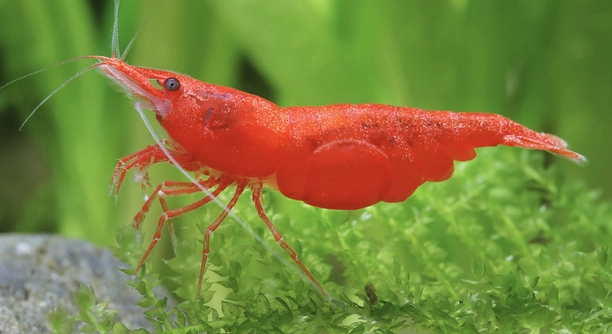
Have you ever noticed your cherry shrimp moving quickly when something changes in their tank? Observing these tiny creatures can make you wonder how much they actually experience and respond to their surroundings. Their small size hides a lot of fascinating behavior.
Current research indicates that cherry shrimp do not experience emotions like fear in the same way humans do. Their reactions are instinctual responses to stimuli, governed by simple nervous systems, rather than conscious emotional experiences or feelings of anxiety.
Understanding their behavior can help you provide a safer, more comfortable environment for your shrimp and improve their overall well-being.
How Cherry Shrimp React to Stress
Cherry shrimp respond to sudden changes in their environment with noticeable movements. When the water temperature shifts or a new object enters the tank, they may dart or hide among plants. These behaviors are automatic and help them avoid harm. Even small disturbances, like tapping on the glass, can trigger these reactions. Over time, consistent stress can affect their health, slowing growth and reducing activity. Providing plenty of hiding spots, stable water conditions, and gentle handling helps minimize stress. Observing shrimp carefully allows you to notice subtle changes in behavior that indicate discomfort or agitation. These small animals rely heavily on instinct rather than conscious thought, so their responses are predictable once their environment is understood. Adjusting tank conditions gradually ensures they feel secure. Watching how they interact with each other can also reveal signs of stress, like clustering or erratic swimming. These measures create a calmer environment and support their long-term health.
Proper tank setup helps shrimp stay calm and reduces erratic behavior.
By maintaining stable conditions, you encourage natural behaviors like grazing and exploring. Cherry shrimp are highly sensitive to water parameters, including pH, temperature, and hardness. Rapid changes in these conditions can trigger hiding or fast swimming, signaling stress. Observing their behavior allows you to make small adjustments before health issues develop. Proper filtration, gentle water flow, and minimal handling create a supportive environment. Regularly checking water quality is important, as even minor imbalances can impact shrimp activity. Plant coverage provides shelter and a sense of security, allowing shrimp to move freely without constant exposure to potential threats. Social dynamics also play a role; overcrowding can lead to aggression or hiding. Watching interactions helps identify issues before they escalate. Offering varied food ensures they remain active and healthy while reducing stress. These steps collectively create a stable, safe habitat that mimics natural conditions, helping shrimp thrive. Maintaining this balance encourages longevity and overall well-being in your tank.
Signs of Shrimp Discomfort
Cherry shrimp show clear signs when they are uncomfortable or stressed. They may hide excessively or move erratically around the tank.
Recognizing these signs early helps prevent health problems. Stress can make shrimp more susceptible to disease or reduce their lifespan. Observing their daily patterns gives insight into whether they feel secure. Small changes in behavior, like reduced grazing or less interaction with plants, indicate they are reacting to their environment. Adjusting light, temperature, or tank layout can improve comfort. Providing stable, predictable conditions is key to reducing stress. Paying attention to behavior also helps identify water quality issues before they become serious. Overall, careful observation ensures shrimp remain active and healthy.
Environmental Factors Affecting Behavior
Water temperature and pH levels have a direct effect on cherry shrimp behavior. Rapid fluctuations make them move erratically or hide more often. Stable conditions help maintain normal activity and reduce stress, keeping shrimp healthier and more predictable in their actions.
Maintaining proper water quality is essential for their well-being. Cherry shrimp are highly sensitive to ammonia, nitrites, and nitrates, even at low levels. Poor water conditions can lead to sluggishness, loss of appetite, and unusual hiding behaviors. Plants and mosses help filter the water naturally, providing a more stable environment. Regular water changes and monitoring parameters prevent stress-related behaviors. Observing shrimp daily allows you to notice subtle shifts in activity, indicating when adjustments are needed. Simple steps like maintaining a gentle water flow and avoiding sudden disturbances can dramatically improve their comfort and overall health.
Lighting and tank layout also influence their behavior. Bright lights or exposed areas can make shrimp retreat, while hiding spots and shaded regions encourage exploration. Balanced decorations and plant coverage create a sense of security, allowing them to feed and move freely. Overcrowding or too few shelters increases stress and limits natural interactions. Providing consistent conditions helps cherry shrimp display natural behaviors without unnecessary agitation. Regular observation helps spot patterns, ensuring they remain active and calm.
Feeding Habits and Activity Levels
Cherry shrimp graze throughout the day and prefer small, frequent meals. Uneaten food should be removed to prevent water quality issues.
Diet and feeding routines influence their activity levels significantly. A balanced diet with algae, biofilm, and occasional supplements keeps them moving and healthy. Overfeeding can lead to water pollution, which stresses the shrimp and reduces natural behavior. Observing how they forage shows whether they are comfortable and thriving. Active shrimp indicate good water conditions and proper nutrition, while lethargy may signal environmental stress or illness. Maintaining feeding consistency allows you to monitor their health more accurately. Providing varied food sources keeps them engaged, supporting natural grazing habits and social interactions within the tank. Regular attention to diet ensures energy levels stay high, promoting overall vitality and reducing stress-induced behaviors.
Social Interactions in the Tank
Cherry shrimp often interact gently with each other, grazing side by side or exploring together. They rarely display aggression unless the tank is overcrowded. Observing these interactions helps identify when space or resources need adjustment.
Hiding behavior can increase if dominant shrimp control the best areas. Providing multiple shelters ensures all shrimp have safe spaces. This reduces stress and encourages natural movement patterns, keeping the group balanced and active.
Molting and Sensitivity
Molting is a vulnerable time for cherry shrimp, as they shed their exoskeleton to grow. During this period, they often hide and move less. Stress or poor water quality can make molting more difficult, increasing mortality. Monitoring conditions and offering hiding spots supports successful molting.
Influence of Tank Size
Smaller tanks can lead to increased stress due to limited space and territorial disputes. Larger tanks allow more exploration, reducing competition and hiding behaviors. Properly sized tanks encourage natural movement and healthier shrimp overall. Observing shrimp behavior in different tank sizes shows how space affects comfort and activity levels.
Observation and Care
Regular observation is crucial to understanding shrimp needs. Noticing changes in movement, grazing, or hiding helps identify environmental or health issues early. Simple adjustments, like water changes or adding plants, can restore balance. Consistent care ensures shrimp remain active, healthy, and stress-free in their habitat.
FAQ
Can cherry shrimp feel fear like humans do?
Cherry shrimp do not feel fear in the human sense. Their reactions to sudden changes or threats are instinctual, controlled by simple nervous systems. When they dart, hide, or freeze, it is an automatic survival response rather than a conscious emotional experience.
Why do my cherry shrimp hide so often?
Hiding is a natural behavior for cherry shrimp. They seek shelter when they feel exposed, during molting, or if the tank environment is unstable. Frequent hiding can indicate stress from poor water quality, strong currents, overcrowding, or sudden disturbances. Providing plants, moss, or decorations helps them feel secure.
What are signs of stressed cherry shrimp?
Stressed shrimp may swim erratically, hide excessively, or reduce their grazing activity. They may also show lethargy or loss of appetite. Monitoring water parameters and observing daily behavior are essential. Addressing unstable conditions, overcrowding, or poor diet can reduce stress and improve overall shrimp health.
How does water quality affect behavior?
Cherry shrimp are highly sensitive to ammonia, nitrites, nitrates, and pH changes. Even minor fluctuations can trigger hiding or rapid movement. Consistent water testing, regular water changes, and maintaining a stable environment keep shrimp active, healthy, and less prone to stress-related behaviors.
Do cherry shrimp interact with each other?
Yes, they display mild social behavior. Shrimp often graze together or explore nearby areas. Aggression is rare but can occur if space is limited or hiding spots are insufficient. Observing interactions helps determine if tank density or layout needs adjustment.
How does molting affect their activity?
Molting is a vulnerable period when shrimp shed their exoskeleton. During this time, they often hide and reduce movement. Stress, poor water quality, or lack of hiding spots can make molting difficult. Providing stable water conditions and shelters supports successful molts and protects shrimp from potential threats.
Can feeding routines influence shrimp behavior?
Yes. Cherry shrimp are grazers and thrive on small, frequent meals. A balanced diet encourages activity and healthy foraging. Overfeeding can pollute the tank, leading to stress, while consistent feeding helps maintain predictable behaviors and overall health.
Does tank size matter for their comfort?
Smaller tanks can increase stress due to limited space, territorial disputes, and reduced hiding options. Larger tanks provide more room for exploration, safer shelters, and more natural interactions. Observing shrimp in different tank sizes helps understand their comfort and behavior patterns.
How often should I observe my shrimp?
Daily observation is recommended. Watching grazing, movement, and hiding behaviors helps detect early signs of stress or illness. Small behavioral changes often indicate environmental issues. Adjusting tank conditions promptly ensures shrimp remain healthy and active.
Can lighting affect their behavior?
Yes. Bright lighting or sudden changes can make shrimp retreat or hide. Providing shaded areas, gentle lighting, and gradual transitions supports natural behaviors and reduces stress. Plants, moss, and decorations also help create comfortable zones for exploration and grazing.
What are the best ways to reduce stress?
Stable water parameters, gentle handling, proper tank size, hiding spots, balanced feeding, and minimal disturbances all reduce stress. Observing daily behavior allows you to adjust conditions early. Consistently providing a calm and predictable environment promotes shrimp health, natural activity, and longer lifespan.
How do I know if my shrimp are happy?
Active grazing, exploring, and normal social interactions indicate comfort. Shrimp that move freely, forage consistently, and use multiple areas of the tank are likely healthy and unstressed. Regular monitoring and environmental adjustments help maintain these positive behaviors.
Can sudden changes in the tank harm shrimp?
Yes. Rapid temperature shifts, water parameter changes, or new decorations can cause hiding, erratic swimming, or stress-related health issues. Gradual introductions and stable conditions prevent unnecessary stress and help shrimp maintain normal behaviors.
Is overcrowding harmful?
Overcrowding limits hiding spots, increases competition for food, and can lead to stress or aggression. Ensuring proper density, providing multiple shelters, and monitoring social interactions maintain balance and reduce behavioral issues.
How do I support shrimp during sensitive periods?
During molting, water changes, or tank adjustments, provide hiding places, stable conditions, and minimal disturbances. Observing behavior allows early detection of stress, supporting successful molts and reducing health risks. Careful attention during these times ensures shrimp remain active and safe.
Cherry shrimp are fascinating little creatures that show a surprising amount of activity despite their small size. They move around the tank, graze on biofilm and algae, and interact quietly with each other. While it might be tempting to interpret their reactions as fear or emotion, their behavior is primarily instinctive. Sudden movements, hiding, or darting around the tank are ways shrimp respond to potential threats, but these are not the same as human feelings. Their nervous systems are simple, and they rely on automatic responses rather than conscious thought. Understanding this distinction can help us care for them more effectively, focusing on creating an environment that meets their basic needs for safety, food, and comfort. By keeping their habitat stable and stress-free, we allow them to display natural behaviors without unnecessary agitation or harm.
Water quality, tank size, and proper feeding are key factors in maintaining a healthy environment for cherry shrimp. Even minor changes in temperature, pH, or water chemistry can cause stress, leading to hiding, reduced activity, or changes in social behavior. Overcrowding and insufficient hiding spots can also increase stress levels and disrupt their natural patterns. Providing a balanced diet with algae, biofilm, and occasional supplements encourages normal foraging and grazing behavior. Including plants, moss, and decorations creates a secure and varied environment where shrimp can explore, rest, or seek shelter as needed. Daily observation is important to notice subtle changes in behavior, which often indicate when adjustments are required. With careful attention to these factors, shrimp can thrive, stay active, and maintain healthy social interactions.
It is important to remember that caring for cherry shrimp is about creating stability and predictability rather than trying to interpret complex emotions. They do not experience fear or joy in the human sense, but they do respond to their surroundings in ways that reflect comfort, security, or stress. By observing their behavior, maintaining consistent water conditions, and providing adequate space and hiding options, we can support their well-being effectively. Regular feeding, gentle handling, and minimal disturbances allow them to carry out natural activities like grazing, exploring, and molting safely. Taking these steps ensures that cherry shrimp remain active, healthy, and secure in their tank, allowing us to enjoy their fascinating behaviors without misunderstanding their simple but remarkable responses to the environment around them.

Hello,
If you enjoy the content that we create, please consider saying a "Thank You!" by leaving a tip.
Every little bit helps us continue crafting quality advice that supports the health, happiness, and well-being of pets around the world, for pets of all shapes, sizes, and species.
We really appreciate the kindness and support that you show us!