
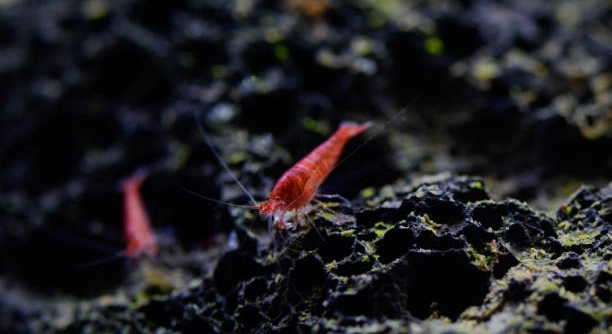
Keeping shrimp in a tank can be rewarding, but it takes careful attention to ensure they are happy. Observing their behavior, environment, and interactions helps determine whether your tank is meeting their needs.
Shrimp exhibit specific behaviors that indicate satisfaction with their environment. Healthy coloration, active foraging, frequent molting, minimal hiding, and balanced social interactions are all measurable indicators that shrimp are thriving within the conditions provided by their tank setup.
Monitoring their tank closely allows you to make small adjustments that improve their well-being and maintain a stable, harmonious aquatic environment.
Observing Shrimp Activity
Shrimp that enjoy their tank are usually active and curious. They explore the surfaces, climb plants, and interact with other shrimp rather than hiding constantly. Watching them during feeding time gives a clear picture of their behavior. When shrimp are content, they will move confidently and forage for food without hesitation. Active shrimp also demonstrate coordinated movements and maintain their balance even while navigating tricky terrain like rocks or driftwood. Stressed or unhappy shrimp may remain motionless, cling to one spot, or retreat into shelters for extended periods. Temperature, water quality, and tank size all influence activity levels, so consistent observation is important. Proper tank maintenance, such as regular water changes and gentle cleaning, supports a healthy environment that encourages activity. Overcrowding can reduce movement and increase stress, so providing sufficient space is essential. Additionally, a varied diet ensures shrimp remain energized, supporting regular activity patterns.
Maintaining visible, lively shrimp is a strong indicator that the tank conditions are suitable.
Active shrimp behavior contributes to a balanced tank ecosystem. Their movement aids in algae control, redistributes nutrients, and encourages interactions that mimic natural environments. Over time, observing these patterns helps predict health issues early. A tank that supports movement and exploration typically also supports proper molting and reproduction. Creating areas for hiding alongside open spaces allows shrimp to feel secure while staying active. Feeding small portions throughout the day keeps shrimp engaged without overloading the tank. Lighting and water flow should be balanced to prevent stress, as too much current can inhibit movement. By observing activity patterns, owners can make small adjustments to water parameters, tank decor, or feeding routines, which enhances overall well-being. Monitoring how shrimp navigate their environment provides insights into comfort levels, making it easier to maintain a thriving tank. Consistent observation combined with thoughtful care ensures shrimp remain lively and healthy.
Healthy Coloration
Shrimp that are satisfied in their tank display vibrant, consistent colors. Dull or faded coloration may indicate stress, illness, or suboptimal water conditions. Healthy colors often reflect a balanced diet and appropriate lighting.
Bright and consistent coloration shows shrimp are thriving in their environment.
Shrimp pigmentation is affected by water quality, diet, and overall health. Proper nutrition with varied foods rich in carotenoids supports vivid colors. Lighting intensity and duration can also influence how colors appear, as insufficient or excessive light may dull their appearance. Stress factors, such as sudden temperature changes or poor water quality, can temporarily fade colors, signaling the need for intervention. Observing the natural patterns and shades of each shrimp helps track their well-being over time. Additionally, different species have unique color characteristics, so knowing their natural range is important. Ensuring water parameters like pH, hardness, and temperature remain stable encourages long-term vibrancy. Shrimp molting regularly and maintaining bright colors are strong indicators of a suitable tank environment. Consistent monitoring of coloration alongside behavior provides a complete picture of shrimp health and satisfaction.
Frequent Molting
Regular molting is a sign that shrimp are healthy and comfortable in their tank. It shows they are growing and their environment supports their natural life cycle. Irregular or failed molts can indicate stress or poor water quality.
Shrimp shed their exoskeleton to grow, and a consistent molting schedule reflects proper nutrition and water conditions. Lack of molting or incomplete molts often points to issues with calcium, pH, or overall tank stability. Observing the discarded shells around the tank can help track how often molting occurs. A stable, well-maintained environment reduces stress and supports healthy molting patterns.
Providing hiding spots and gentle water flow encourages successful molting. Overcrowding or sudden changes in temperature or water chemistry can disrupt this process. Ensuring shrimp have access to minerals through their diet supports shell development and recovery after molts. Monitoring molting frequency alongside behavior and coloration offers a comprehensive view of their well-being. Healthy shrimp will molt regularly, recover quickly, and return to normal activity within hours or days.
Minimal Hiding
Shrimp that are content spend less time hiding and more time exploring their tank. While occasional hiding is normal, constant retreat indicates stress or discomfort. Proper tank conditions encourage confidence and visible activity.
Shrimp use hiding spots for safety during molting or when stressed. If they consistently remain hidden, it can signal problems with water quality, temperature, or tank mates. A balanced environment with open spaces and shelters allows them to feel secure while remaining active. Overcrowding or aggressive tank companions may push shrimp to stay hidden longer than necessary. Observing when and how shrimp use hiding spots helps assess comfort levels.
Arranging plants, rocks, and decorations strategically ensures shrimp have options for shelter without limiting movement. Gradual acclimation to water changes and careful monitoring of tank parameters reduces stress. Minimal hiding, combined with active behavior and healthy coloration, indicates that shrimp are adjusting well to their environment and thriving in their tank.
Social Interaction
Shrimp that are comfortable in their tank interact calmly with each other. They forage together, swim near one another, and show minimal signs of aggression. Balanced social behavior reflects a stable and suitable environment.
Aggressive or isolated shrimp may indicate stress or overcrowding. Observing group dynamics helps identify potential problems with tank conditions or population density.
Steady Eating Habits
Shrimp that like their tank eat regularly and eagerly. They search for food throughout the day and take small portions consistently. Healthy eating patterns indicate proper water quality and adequate nutrition, reflecting overall comfort in their environment.
Response to Environment
Shrimp respond to changes in their surroundings, like gentle water flow or new decorations, without panic. Calm adjustment shows they feel secure in their habitat.
FAQ
How can I tell if my shrimp are stressed?
Shrimp show stress through unusual hiding, lethargy, faded colors, or erratic swimming. Frequent hiding or failing to molt properly often signals water quality issues, overcrowding, or improper temperature. Monitoring behavior closely and maintaining stable water parameters helps prevent stress and keeps shrimp healthy.
What water conditions do shrimp prefer?
Shrimp generally thrive in clean, well-oxygenated water with stable temperature and pH levels suitable for their species. Regular water changes, gentle filtration, and avoiding sudden fluctuations are essential. Hardness and mineral content also play a role, especially for successful molting and maintaining vibrant coloration.
Why do shrimp hide so much?
Hiding is normal during molting or when they feel threatened. However, excessive hiding can indicate stress, poor water quality, or aggressive tank mates. Providing shelters, while maintaining open spaces for activity, helps shrimp feel safe without limiting their movement.
How often should shrimp molt?
Molting frequency varies with age and species. Younger shrimp molt more often, while adults molt less frequently. Regular, complete molts reflect good nutrition, stable water conditions, and overall health. Observing discarded shells in the tank can help track molting patterns.
What foods keep shrimp healthy and happy?
Shrimp benefit from a varied diet including algae, plant matter, and specialized shrimp pellets. Occasional protein-rich supplements, like blanched vegetables or brine shrimp, support growth, molting, and coloration. Balanced feeding prevents overfeeding and maintains water quality.
Can tank decorations affect shrimp comfort?
Yes, decorations like plants, rocks, and driftwood provide hiding spaces and surfaces for foraging. Proper arrangement creates a safe, stimulating environment without overcrowding. Shrimp use these areas for security and exploration, which supports natural behavior and reduces stress.
How can I encourage social interaction among shrimp?
Providing sufficient space and avoiding aggressive species encourages calm, coordinated interactions. Adequate food distribution prevents competition, and stable water conditions promote natural group behavior. Observing shrimp during feeding and exploration helps gauge social dynamics.
Why is coloration important for assessing shrimp health?
Vibrant, consistent coloration indicates good nutrition, proper lighting, and a stable environment. Dull or uneven colors may signal stress, illness, or poor water conditions. Tracking changes in coloration over time helps detect potential issues early.
Is shrimp activity a reliable indicator of tank satisfaction?
Yes, active foraging, climbing, and swimming reflect comfort. Shrimp that explore the tank, interact with each other, and respond calmly to gentle environmental changes are generally healthy and content. Lethargy or erratic movement can signal underlying problems.
How do I prevent stress during water changes?
Gradual water changes with matching temperature and chemistry reduce shock. Using a water conditioner, monitoring parameters, and avoiding sudden shifts in pH or hardness minimizes stress. Observing shrimp behavior before and after changes ensures adjustments are effective.
What role does tank size play in shrimp well-being?
Adequate space allows natural behavior, reduces competition, and supports stable water conditions. Overcrowding increases stress, hides behavior issues, and may lead to aggression or molting problems. Matching tank size to shrimp population is key for a healthy environment.
Can shrimp sense changes in water flow or temperature?
Yes, shrimp respond quickly to environmental changes. Gentle adjustments are tolerated, but sudden increases in flow or drops in temperature can cause panic, hiding, or stress. Gradual acclimation ensures comfort and maintains healthy activity levels.
How can I monitor shrimp health without disturbing them?
Observing from a distance during feeding and normal activity allows you to track behavior, coloration, and molting without causing stress. Using consistent observation times helps detect changes early and provides insight into tank conditions.
Do shrimp interact with other species?
Shrimp can coexist with peaceful tank mates but may retreat around aggressive fish. Compatibility depends on size, temperament, and activity patterns. Selecting suitable companions ensures shrimp remain active, confident, and stress-free.
How often should I clean the tank to keep shrimp happy?
Regular cleaning prevents debris buildup without disturbing the tank too much. Gentle siphoning, partial water changes, and careful substrate maintenance maintain water quality and support shrimp health. Overcleaning can stress shrimp, so balance is essential.
Can lighting affect shrimp behavior or health?
Yes, proper lighting supports plant growth and helps shrimp maintain natural activity patterns. Too much light can stress shrimp, while insufficient lighting may reduce foraging and exploration. Adjusting light duration and intensity encourages comfort and regular behavior.
How do I know if shrimp are feeding properly?
Healthy shrimp take small portions throughout the day and forage consistently. Uneaten food should be minimal, and shrimp should remain active. Observing eating habits alongside activity and coloration helps gauge overall satisfaction in the tank.
What signs indicate that the tank environment needs adjustment?
Indicators include fading colors, frequent hiding, irregular molting, lethargy, and reduced feeding. Testing water parameters, checking filtration, and observing tank dynamics allows timely intervention. Consistent care prevents stress and supports a thriving shrimp habitat.
How important is observation in maintaining shrimp happiness?
Regular observation is crucial for detecting subtle changes in behavior, activity, or appearance. Monitoring shrimp daily helps maintain water quality, supports health, and ensures the tank environment meets their needs effectively.
Can shrimp adapt to new tank conditions?
Gradual acclimation allows shrimp to adjust to changes in water chemistry, temperature, or tank decor. Sudden shifts can cause stress, so slow introduction and careful monitoring are essential for maintaining well-being.
What are the most reliable indicators that shrimp enjoy their tank?
Active movement, consistent eating, vibrant coloration, regular molting, minimal hiding, and calm social interactions together indicate a healthy, comfortable environment. Tracking these signs over time provides a clear picture of shrimp satisfaction and overall tank quality.
How can I support shrimp during molting?
Provide secure hiding spots and maintain water stability. Ensure access to minerals through diet to strengthen shells. Minimal disturbance during molting reduces stress and promotes successful exoskeleton shedding, supporting continued growth and health.
Are shrimp sensitive to tank noise or vibrations?
Yes, excessive vibrations or sudden disturbances can cause hiding or stress. Placing the tank in a stable location with minimal external disruptions helps maintain calm behavior and supports normal activity.
How do I balance hiding spots with open areas?
Create a mix of dense plant clusters and open swimming spaces. Shrimp feel secure without being confined, which encourages natural exploration, interaction, and regular foraging. Proper balance prevents stress while promoting active, visible behavior.
What role does diet variety play in shrimp comfort?
A varied diet supports growth, molting, and coloration. Including algae, plant matter, and occasional protein supplements ensures shrimp receive essential nutrients. Balanced feeding maintains energy, encourages activity, and contributes to overall well-being.
Can I assess shrimp health by watching them interact with each other?
Yes, peaceful foraging, minimal aggression, and coordinated movement indicate a healthy social structure. Disruptions in interactions may signal stress, overcrowding, or environmental issues, helping guide tank adjustments.
How do I maintain long-term tank stability for shrimp?
Consistent water testing, gentle filtration, careful feeding, and gradual environmental changes prevent stress and support growth. Monitoring behavior, coloration, and activity patterns ensures long-term comfort and thriving shrimp populations.
What common mistakes affect shrimp happiness?
Overcrowding, poor water quality, sudden temperature changes, incompatible tank mates, insufficient hiding spots, or unbalanced diets can reduce shrimp comfort. Regular observation and maintenance prevent these issues and promote a healthy, content environment.
How can I tell if my shrimp are thriving?
Thriving shrimp are active, colorful, eat regularly, molt successfully, and interact calmly. Minimal hiding and responsive behavior indicate that the tank meets their needs. Observing these signs over time confirms overall health and satisfaction.
What should I do if shrimp behavior suddenly changes?
Check water parameters, tank mates, temperature, and feeding routines. Sudden changes often signal stress or environmental issues. Adjust conditions gradually and monitor closely to restore normal activity and comfort levels.
Can shrimp indicate water quality issues before tests show them?
Yes, behavior, coloration, and activity can signal early water quality problems. Lethargy, hiding, or faded colors often appear before measurable changes, allowing proactive adjustments to maintain a healthy environment.
How important is tank layout for shrimp well-being?
Proper layout supports natural behaviors like foraging, hiding, and social interaction. A mix of plants, rocks, and open areas encourages comfort and reduces stress, promoting visible activity and overall health.
Do shrimp need companions to feel comfortable?
Many species thrive in small groups. Companionship supports normal social behavior, encourages movement, and reduces stress. However, overcrowding should be avoided to maintain balance and prevent competition for resources.
How can I tell if shrimp are exploring their environment?
Active climbing, grazing, and interaction with plants and decorations show curiosity and comfort. Shrimp that explore consistently are likely satisfied with tank conditions and feel secure within their habitat.
What is the best way to track shrimp health over time?
Regular observation of behavior, molting, coloration, eating habits, and social interaction provides reliable insights. Keeping notes or photos helps identify trends, detect early issues, and maintain a thriving tank environment.
Shrimp are small but sensitive creatures, and their behavior provides many clues about how they feel in their tank. Paying attention to their activity, coloration, and interactions helps determine whether the environment meets their needs. Active shrimp that forage, explore, and move confidently show that the water quality, temperature, and tank layout are suitable. Regular molting and healthy eating habits also indicate that they are comfortable and receiving proper nutrition. On the other hand, shrimp that remain hidden for long periods, show faded colors, or display erratic movements may be signaling stress or discomfort. By observing these signs closely, adjustments can be made to improve their overall well-being.
Maintaining a balanced and stable tank is essential for the health and happiness of shrimp. Providing a mix of hiding spots and open areas allows them to feel secure while still being able to move and interact naturally. Water parameters such as pH, hardness, and temperature should be monitored regularly, and partial water changes should be conducted carefully to avoid sudden fluctuations. Diet plays an important role as well; offering a variety of foods that include plant matter, algae, and occasional protein-rich supplements ensures proper growth, supports molting, and enhances coloration. Tank companions should be chosen carefully to prevent stress and aggression, while gentle filtration and moderate water flow help maintain a stable environment without disturbing the shrimp. Attention to these details creates a habitat where shrimp can thrive.
Observing shrimp consistently over time gives valuable insight into their comfort and satisfaction. Small changes in behavior, coloration, or activity can indicate early signs of stress or health issues, allowing timely interventions. Keeping notes on molting patterns, feeding habits, and social interactions helps track overall well-being and highlights trends that might require adjustment. A comfortable, well-maintained tank encourages natural behaviors, reduces stress, and supports long-term health. By combining careful observation, consistent maintenance, and thoughtful care, shrimp can live happily and display the vibrant, active behavior that signals a healthy environment. Taking the time to notice these details ensures that the tank remains a safe, suitable, and enjoyable habitat for these delicate creatures, allowing them to thrive over the long term.

Hello,
If you enjoy the content that we create, please consider saying a "Thank You!" by leaving a tip.
Every little bit helps us continue crafting quality advice that supports the health, happiness, and well-being of pets around the world, for pets of all shapes, sizes, and species.
We really appreciate the kindness and support that you show us!