
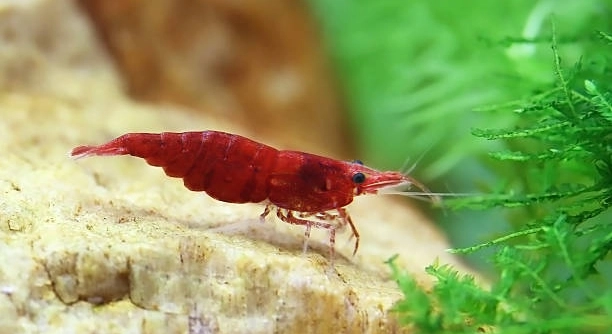
Do you ever watch your cherry shrimp move around the tank and notice how they react just before food touches the water? Their tiny movements and anticipation can make feeding time surprisingly entertaining to observe.
Cherry shrimp are capable of detecting food before it lands in the tank. They rely on sensory hairs and chemoreceptors on their bodies to sense chemicals and vibrations in the water, allowing them to locate and approach food efficiently.
Observing how these shrimp respond before feeding can reveal fascinating details about their behavior and natural instincts in their aquatic environment.
How Cherry Shrimp Sense Food
Cherry shrimp rely heavily on their sense of smell and touch to detect food. Tiny hairs on their bodies pick up chemical signals in the water, helping them identify potential meals even before they touch the substrate. Watching them, it is easy to see how quickly they respond when flakes or pellets enter the tank. Their antennae move constantly, scanning the surrounding water for these chemical cues. The shrimp often gather near the surface or swim toward the area where food is about to be dropped. Even small vibrations from the food hitting the water alert them. This behavior is not just about survival; it shows their instinctive efficiency in gathering nutrients. Over time, observing this can teach an aquarist how shrimp react to different types of food. Their sensitivity also means that they can be picky, often ignoring food that doesn’t produce strong signals or aroma.
Their antennae are the primary tools they use to sense food before it lands.
The timing of their movements is remarkable. Cherry shrimp can often sense food from several inches away, adjusting their swimming and posture to get there faster. In a densely planted tank, they weave through leaves and decorations, guided only by chemical and vibrational cues. These tiny creatures appear to “know” where the food will land, demonstrating a combination of instinct and learned behavior. For those who keep them, this makes feeding both entertaining and educational, revealing the shrimp’s natural ability to survive efficiently in their environment. Observing how quickly they respond can also indicate the health of your shrimp and the effectiveness of your feeding strategy.
Feeding Behavior Patterns
Shrimp display unique patterns when approaching food in the tank.
They tend to form clusters around the feeding area, quickly inspecting each particle. Timing is critical, as they respond instantly to chemical signals. Some shrimp hover, while others swim directly to the food source. Their patterns reveal how social and competitive feeding can be even among tiny species. Over several observations, a keeper can notice subtle differences in behavior between individuals, like how some are bolder and more responsive while others hang back. Feeding frequency and type of food also influence these patterns. Certain flakes or pellets trigger more active movement, while softer foods may cause slower response. Monitoring these patterns helps improve feeding efficiency and ensures every shrimp gets access to the nutrients they need. With consistent observation, it becomes clear how instinct and environment shape their daily routines and interactions.
Environmental Factors Affecting Food Detection
Water temperature and quality directly affect shrimp activity. Warmer water increases movement, making them respond faster to food. Poor water conditions can slow their senses, reducing their ability to detect meals effectively.
Shrimp rely on clean, stable water to sense chemical signals accurately. High levels of ammonia or nitrites can impair their antennae’s sensitivity, while fluctuations in pH or temperature may confuse them. Plants and decorations can also influence how well food signals travel through the water. Dense plants may slightly delay detection, while open areas allow chemicals to disperse more quickly. Observing how your shrimp respond under different conditions can provide insight into their preferred environment. Adjusting water parameters ensures they remain active and responsive.
Feeding timing also matters. Shrimp are more responsive during periods when they are naturally active, often early morning or late afternoon. Overfeeding can dull their response, as leftover food can mask fresh chemical signals. Feeding smaller amounts frequently helps maintain alertness. The type of food, whether flakes, pellets, or vegetables, changes how quickly they detect it. Some foods dissolve or release scents faster, prompting a quicker approach, while others may sink slowly and require the shrimp to search more actively.
Learning and Memory in Cherry Shrimp
Shrimp can remember feeding locations and associate certain areas with food. Repeated patterns strengthen this behavior over time.
They show evidence of learning through repeated exposure to food in specific locations. Over days or weeks, shrimp adjust their movement patterns, approaching feeding spots faster and with more confidence. This behavior suggests not only instinct but also a form of memory. They may avoid areas with no food or return quickly to areas where food is reliably present. Experienced shrimp often outcompete newer or younger ones because of this learned efficiency. Observing these patterns shows how adaptable they are, and small changes in feeding strategy can influence their behavior. By providing consistent feeding locations and schedules, aquarists can encourage natural foraging habits while ensuring all shrimp have access to food.
Chemical Cues in Food Detection
Shrimp detect food primarily through chemical signals in the water. Even small amounts of dissolved particles trigger movement and alertness.
These chemical cues allow shrimp to sense food before it lands. Flakes, pellets, or vegetable matter release compounds that the shrimp’s antennae pick up quickly. This ability helps them locate food efficiently and avoid wasting energy.
Role of Antennae in Sensing
Antennae are vital sensory organs for cherry shrimp. They pick up vibrations, water movement, and chemical signals. Without them, shrimp struggle to detect food accurately and may move more slowly, relying on chance rather than instinct to find meals.
Observing Feeding Reactions
Shrimp often respond within seconds of food entering the water. Rapid movement and clustering near the source indicate strong sensory perception. Observing these reactions can show the health and activity level of the shrimp, as less responsive individuals may need closer attention or better tank conditions.
FAQ
How quickly do cherry shrimp sense food?
Cherry shrimp often respond within seconds of food entering the water. Their antennae and sensory hairs detect chemical signals almost immediately. The speed of their reaction can depend on water temperature, quality, and the type of food used. Faster reactions usually indicate healthy, active shrimp.
Can shrimp detect different types of food differently?
Yes, different foods release chemical cues at different rates. Flakes and pellets often disperse faster, attracting shrimp quickly, while vegetables or frozen foods may sink slowly, requiring more searching. Shrimp learn which foods are easiest to find and may favor them over time.
Do all shrimp in a tank respond at the same time?
Not necessarily. Some shrimp are bolder or more experienced, reaching the food first, while others may take longer to detect it. Social hierarchy and individual behavior affect how quickly each shrimp moves toward a feeding area.
Does water quality affect food detection?
Absolutely. Poor water conditions, including high ammonia, nitrites, or unstable pH, can impair a shrimp’s ability to detect food. Clean, stable water ensures chemical signals travel effectively and allows shrimp to react promptly and efficiently.
Do shrimp learn feeding schedules?
Yes. Cherry shrimp can remember where and when food is usually provided. Over time, they may approach feeding spots faster, demonstrating memory and learned behavior. Consistent feeding routines can make shrimp more responsive and active during meal times.
Can shrimp sense food from far away?
They can sense chemical signals from several inches away. The distance depends on water movement and clarity. Open tank areas allow chemicals to spread quickly, while dense plants or decorations can slightly slow detection. They use their antennae to navigate efficiently toward the food source.
Do shrimp respond to vibrations as well as chemical signals?
Yes, vibrations caused by food hitting the water or moving objects can alert shrimp. They combine these vibrational cues with chemical detection to locate food accurately, helping them act quickly even in slightly murky or complex environments.
Does overfeeding impact their food detection?
Overfeeding can dull shrimp responses. Leftover food releases constant chemical signals, reducing their sensitivity to new meals. Feeding smaller amounts more frequently helps shrimp stay alert and responsive, ensuring they detect fresh food efficiently.
Are young shrimp as responsive as adults?
Juvenile shrimp may take longer to detect food because they are smaller and less experienced. Adults often lead in approaching feeding areas, while younger shrimp learn by observing and gradually improve their response over time.
What are signs that shrimp are not sensing food well?
Shrimp that ignore food, move slowly, or fail to cluster near the feeding area may be stressed, unhealthy, or experiencing poor water conditions. Observing these signs can help identify issues before they affect growth or survival.
Can shrimp detect multiple food sources at once?
Yes, they can sense several chemical cues in the water simultaneously. In a tank with multiple feeding points, they may prioritize stronger or more accessible signals, displaying selective movement and competitive feeding behavior.
How can I improve shrimp food detection in my tank?
Maintaining clean water, stable parameters, and a balanced feeding schedule improves detection. Providing small amounts of easily dissolved food at consistent times encourages alertness. Observing shrimp reactions helps refine feeding practices to match their natural behavior and sensory abilities.
Do shrimp respond differently to live versus processed food?
Live foods release stronger chemical signals and often trigger faster responses. Processed foods like flakes or pellets can be slower to disperse but are still detected effectively. Mixing food types can keep shrimp active and responsive.
Can tank decorations influence their ability to sense food?
Yes, dense plants or objects can slow the dispersal of chemical signals. Open areas allow shrimp to detect food more quickly, while hiding spots may require them to navigate more carefully, combining memory and sensory input to locate meals.
Do cherry shrimp ever ignore food completely?
They may ignore food if stressed, ill, or if the chemical signals are weak. Poor water conditions, overfeeding, or unfamiliar foods can all reduce responsiveness. Observing behavior and adjusting conditions ensures they remain attentive during feeding.
How important is water movement for food detection?
Gentle water flow can help disperse chemical cues, allowing shrimp to sense food from further away. Strong currents may scatter food too quickly, confusing shrimp, while stagnant water may slow signal distribution. Balancing water movement improves feeding efficiency and shrimp activity.
Do shrimp compete for food?
Yes, more assertive or experienced shrimp often reach food first. Others follow or wait, demonstrating natural competition. Observing feeding behavior can indicate how evenly food is distributed and whether smaller or younger shrimp are getting enough nutrition.
Can shrimp detect spoiled or decayed food?
They may avoid food that releases unusual or weak chemical signals. Rotting food can deter shrimp, while fresh items trigger rapid response. Monitoring the freshness of their diet helps maintain health and encourages active feeding behavior.
Is it possible to train shrimp to respond faster?
Indirectly, yes. Consistent feeding schedules, predictable food placement, and offering highly detectable food types help shrimp anticipate meals. Over time, they become more responsive, demonstrating learned behavior alongside their natural instincts.
Do environmental changes affect food detection?
Changes in temperature, lighting, or tank layout can temporarily reduce shrimp responsiveness. Gradual adjustments and maintaining stable conditions allow them to adapt while retaining efficient detection of food cues.
Cherry shrimp are surprisingly skilled at sensing food before it even touches the water. Their small size and delicate bodies hide a highly efficient set of sensory tools. Antennae and tiny hairs all over their bodies allow them to detect chemical signals and vibrations. These tools help them find food quickly and efficiently, which is important for survival in the wild. Even in a tank, they use these instincts to locate flakes, pellets, and small vegetable pieces. Watching them react before food lands can be fascinating because it shows how instinct and environmental awareness work together. It is easy to underestimate how much their behavior depends on these small sensory inputs, but they are constantly scanning their surroundings and ready to move when they detect something edible.
The environment plays a major role in how effectively shrimp can sense food. Water temperature, cleanliness, and pH levels all influence their responsiveness. If water quality is poor or conditions fluctuate too much, their sensory systems may not work as efficiently. Similarly, the layout of the tank can affect how chemical signals travel. Open areas allow food cues to disperse quickly, making it easier for shrimp to detect meals, while dense plants or decorations can slow their response. Overfeeding or leaving old food in the tank can also dull their sensitivity because the water becomes saturated with chemical signals. Paying attention to these details not only keeps shrimp healthy but also allows you to observe their natural feeding behavior more clearly. Maintaining stable, clean, and well-monitored water conditions ensures that they stay active, alert, and able to respond quickly to each feeding.
Feeding routines and consistency also influence how cherry shrimp sense and respond to food. They can learn where and when food is usually provided, developing a form of memory that helps them approach feeding spots more quickly over time. This learned behavior works alongside their natural instincts, creating a more efficient and predictable response pattern. Offering a variety of foods and feeding in small, controlled amounts encourages them to remain alert and engaged. Observing how different shrimp react can also give insight into their individual behavior, as some are bolder or more experienced than others. In the end, understanding how cherry shrimp sense and respond to food helps create a healthier and more interactive tank environment. It gives a closer look at their instincts and adaptability while allowing a better feeding experience for both the shrimp and the aquarist.

Hello,
If you enjoy the content that we create, please consider saying a "Thank You!" by leaving a tip.
Every little bit helps us continue crafting quality advice that supports the health, happiness, and well-being of pets around the world, for pets of all shapes, sizes, and species.
We really appreciate the kindness and support that you show us!