
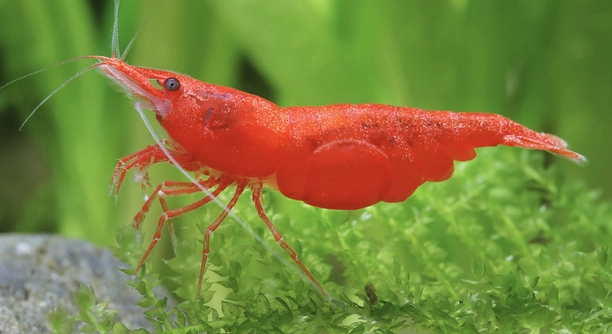
Cherry shrimp are tiny freshwater creatures that brighten home aquariums with their colors. Many enthusiasts enjoy watching their subtle behaviors and interactions, wondering if these small shrimp can form recognizable patterns in their daily activities.
Cherry shrimp are capable of developing simple routines based on environmental cues, feeding schedules, and habitat conditions. These routines allow them to anticipate food, shelter, and movement patterns, demonstrating adaptive behavior even in a controlled aquarium setting.
Observing these habits can help enhance shrimp care and create a more engaging aquarium environment for both the shrimp and their owners.
Understanding Cherry Shrimp Behavior
Cherry shrimp are small but surprisingly observant creatures. They spend much of their day exploring their surroundings, grazing on algae, and hiding among plants or decorations. Over time, they begin to recognize areas of their tank that are safe and areas they avoid. Their daily activities often follow predictable patterns, especially when food is consistently offered at the same time. Observing their behavior closely, you may notice that they start to swim toward feeding areas shortly before food is provided. These routines are reinforced by repetition, allowing shrimp to conserve energy while maximizing safety. Environmental factors, such as water temperature, lighting, and the presence of hiding spots, also shape their habits. Even small changes, like rearranging plants or introducing new tank mates, can disrupt established routines temporarily. Watching these subtle behaviors develop can make caring for shrimp feel more interactive and rewarding.
Understanding their habits helps create a calmer, more predictable tank environment, which promotes healthier shrimp.
Daily routines benefit shrimp by giving them structure, reducing stress, and helping them adjust to the tank environment efficiently. Observing these patterns can provide insights into their well-being, feeding preferences, and social interactions. By consistently maintaining water quality, temperature, and light cycles, owners encourage positive behaviors. Small adjustments, such as adding new plants or gentle hiding spots, can stimulate activity without causing stress. Shrimp quickly learn to recognize food sources, preferred swimming paths, and safe resting areas. These routines also help them respond predictably to changes, allowing for easier care and maintenance. Overall, a stable environment supports both natural behavior and longevity, making shrimp care more effective and satisfying.
How Feeding Schedules Influence Routines
Cherry shrimp quickly learn to associate feeding times with specific areas of the tank.
Feeding schedules act as strong cues for shrimp behavior. Regularly offering food at consistent times helps them anticipate meals, creating predictable activity patterns. This consistency can reduce stress and encourage healthier feeding habits. Over time, shrimp may gather in feeding areas even before food is added, demonstrating their ability to learn simple temporal cues. Maintaining these routines supports natural grazing behaviors and prevents overeating, contributing to overall health. Careful observation of their responses can guide adjustments to feeding times or quantities, ensuring shrimp remain active and engaged without disrupting tank balance.
Signs of Familiar Patterns
Cherry shrimp often show predictable swimming paths and resting spots. Observing their movement over days can reveal which areas they prefer and when they tend to be more active, indicating simple daily routines.
These patterns develop as shrimp adapt to their tank environment. They tend to return to the same hiding places when feeling threatened and explore familiar zones during feeding times. Light schedules, water temperature, and tank decorations influence these habits, making their behavior more structured over time. Noticing these tendencies helps in providing a stable environment that supports their natural rhythms.
Repeated observation can reveal subtle signs, like approaching food at consistent times or favoring certain plants for grazing. Shrimp may also exhibit synchronized movements with tank mates, reinforcing established routines. Over time, these behaviors become predictable, allowing owners to anticipate their actions and adjust care accordingly. Understanding these patterns can also help detect changes in health or stress, offering valuable insight into shrimp well-being.
Environmental Impact on Routines
Tank conditions strongly affect shrimp habits, including water quality, lighting, and temperature stability. Minor changes can alter their daily activities significantly.
Cherry shrimp respond quickly to environmental shifts. A change in water temperature may cause them to seek shelter more often, while inconsistent lighting can disrupt feeding times and activity levels. Proper plant placement and hiding spots encourage routine exploration and grazing. When tank conditions remain stable, shrimp develop consistent behaviors that are easier to monitor. By observing responses to changes, owners can adjust the environment to maintain healthy routines.
Maintaining a predictable environment also reduces stress, which is key for fostering natural behavior. Shrimp are sensitive to water chemistry, including pH and ammonia levels, and even small fluctuations can affect activity patterns. By keeping parameters stable and monitoring any changes, owners can support the shrimp’s ability to form familiar routines. Consistent tank conditions encourage regular movement, feeding, and social interaction, allowing shrimp to settle into predictable daily habits that promote long-term health and a harmonious aquarium ecosystem.
Interaction with Tank Mates
Cherry shrimp often adjust their routines based on other tank inhabitants. They may change swimming paths or hiding spots to avoid larger or more active fish.
Social dynamics influence their daily patterns. Shrimp may gather in groups for grazing or scatter when stressed by aggressive tank mates, showing adaptability in routine behavior.
Recognizing Stress Signals
Stress can disrupt shrimp routines, causing reduced movement or hiding. Poor water quality, aggressive tank mates, or sudden changes can trigger these behaviors. Observing these signals early helps maintain a stable environment and ensures shrimp continue to follow familiar daily patterns.
Seasonal and Light Changes
Shrimp behavior adapts to light cycles and seasonal changes. Longer or shorter periods of light can shift feeding times, activity levels, and preferred resting areas. Adjusting lighting gradually supports stable routines and reduces stress from abrupt environmental changes.
Feeding Adjustments
Changes in food type or schedule affect routines. Shrimp may explore different tank areas more actively or alter grazing habits temporarily as they adapt to new feeding patterns.
FAQ
Can cherry shrimp really remember feeding times?
Yes, cherry shrimp can develop simple memory patterns related to feeding schedules. When food is consistently offered at the same time, they begin to anticipate it, often gathering near feeding areas just before the food is added. This behavior shows that repetition and environmental cues play a key role in forming routines. While their memory is not complex, it is sufficient to help them conserve energy and reduce stress by knowing when and where food will appear.
Do cherry shrimp recognize their tank environment?
Cherry shrimp quickly become familiar with their surroundings. They identify safe zones, preferred hiding spots, and grazing areas, often returning to the same locations repeatedly. Their behavior becomes predictable, especially when the environment remains stable. Adding new decorations or changing plant placement may temporarily alter movement, but routines generally resume once shrimp acclimate. Observing their patterns helps in creating a consistent habitat that promotes healthy behavior.
How do tank mates affect their routines?
Other inhabitants can significantly influence cherry shrimp behavior. Larger or more active fish may cause shrimp to hide more frequently or adjust swimming routes. Peaceful or slow-moving tank mates allow shrimp to explore freely and maintain regular routines. Social behavior, such as grazing in groups or synchronizing movement, also develops when shrimp feel safe and unthreatened. Monitoring interactions helps maintain balance and predictability in the tank.
Can stress disrupt established routines?
Yes, stress has a strong effect on shrimp routines. Poor water quality, sudden temperature changes, or aggressive tank mates can cause them to hide excessively, reduce movement, or skip regular feeding behavior. These disruptions are often temporary if the environment is corrected quickly. Identifying stress signs early ensures routines can resume and shrimp maintain good health. Stress reduction involves stabilizing water parameters, adjusting tank mates, and providing sufficient hiding spots.
Do seasonal or light changes affect their behavior?
Cherry shrimp routines are influenced by light cycles. Longer daylight can increase activity, while shorter periods may cause more hiding and reduced movement. Gradual adjustments in lighting prevent sudden disruptions. Seasonal temperature changes in non-heated tanks can also slightly alter their activity. Maintaining consistent, appropriate light and temperature helps shrimp keep stable, predictable routines throughout the year.
How long does it take for routines to form?
Routines typically develop over days to weeks, depending on environmental stability and feeding consistency. Shrimp start showing predictable behavior once they recognize safe zones, feeding times, and grazing areas. Consistent water parameters and minimal disturbances accelerate the process. Observing daily patterns allows owners to understand individual shrimp behavior and adjust care to support healthy routines.
Can cherry shrimp adapt if their environment changes?
Yes, they are adaptable but require time to adjust. Rearranging plants or introducing new tank mates may temporarily disrupt routines. Shrimp gradually reestablish familiar paths and feeding habits as they acclimate. Patience and maintaining stable water conditions during changes are essential for smooth adaptation.
Are there signs that routines indicate health?
Regular routines often reflect good health. Active swimming, consistent grazing, and predictable hiding behavior suggest shrimp are thriving. Deviations such as lethargy, unusual hiding, or loss of appetite may signal stress, illness, or poor water conditions. Monitoring behavior provides insight into overall well-being and allows early intervention if problems arise.
Can feeding routines improve shrimp longevity?
Consistent feeding routines help shrimp maintain energy and reduce stress. Predictable food availability encourages regular grazing, preventing overeating or malnutrition. Paired with stable water conditions, this structured routine supports natural behavior and overall health, contributing to longer life expectancy.
Do all shrimp develop routines the same way?
Individual shrimp may vary in how quickly and consistently they form routines. Factors such as age, size, and personality affect behavior. Younger shrimp may be more exploratory, while older shrimp may stick to established patterns. Recognizing these differences allows owners to tailor care to support each shrimp’s well-being and maintain predictable activity throughout the tank.
This FAQ covers most questions about cherry shrimp routines, providing practical insights into how they develop and maintain predictable behavior within their environment. Observing their patterns allows for better care, reduces stress, and helps ensure a healthy, stable aquarium ecosystem.
Final Thoughts
Cherry shrimp are small creatures, but their behavior is more complex than it appears. Over time, they can develop simple routines that help them navigate their environment efficiently. These routines often revolve around feeding, hiding, and exploring familiar areas in the tank. Consistent environmental conditions, such as stable water parameters, appropriate lighting, and proper tank decorations, play a significant role in shaping these habits. When shrimp feel safe and their surroundings are predictable, they are more likely to follow recognizable patterns. Watching them gradually adopt these routines can be rewarding, as it offers insight into how even tiny creatures respond to consistency and repetition.
Understanding shrimp routines also allows owners to provide better care. By observing daily behavior, you can notice subtle changes that indicate stress, illness, or discomfort. For example, if shrimp suddenly stop returning to their usual hiding spots or fail to gather at feeding areas, it may signal a problem in the tank. Maintaining regular feeding schedules, providing hiding places, and monitoring water quality support the formation of predictable behaviors. These routines not only improve the shrimp’s well-being but also make their actions more predictable, which can help with tank management. A well-structured environment encourages shrimp to be more active, reduces stress, and promotes healthy growth, making the aquarium experience more enjoyable and easier to manage.
Finally, it’s important to remember that each shrimp is an individual. Some may develop routines quickly, while others take more time to adjust to their environment. Factors like age, personality, and interactions with tank mates can influence the development of daily patterns. Even small adjustments in feeding schedules or tank decorations can temporarily alter their habits, but with patience and consistency, shrimp usually return to familiar routines. Observing these behaviors can be both informative and engaging, allowing you to better understand how shrimp interact with their surroundings. By providing a stable and thoughtful environment, you support not only the formation of routines but also the overall health and longevity of your cherry shrimp, making your aquarium a thriving, balanced habitat.

Hello,
If you enjoy the content that we create, please consider saying a "Thank You!" by leaving a tip.
Every little bit helps us continue crafting quality advice that supports the health, happiness, and well-being of pets around the world, for pets of all shapes, sizes, and species.
We really appreciate the kindness and support that you show us!