
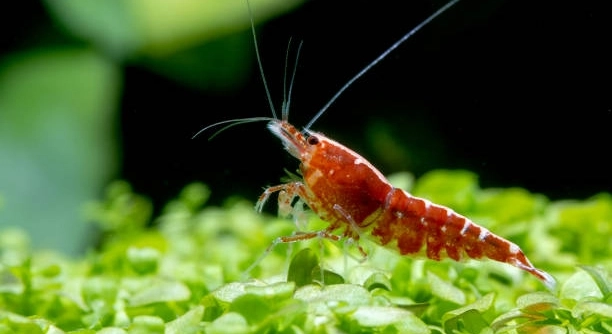
Shrimp are delicate creatures that rely heavily on their environment to survive. In home aquariums and natural habitats, their well-being can change quickly when water conditions fluctuate beyond safe levels. Maintaining stable water is essential for their health.
Research indicates that shrimp can detect changes in water parameters through sensory organs. These adaptations allow them to respond to variations in temperature, pH, and chemical composition, helping them avoid harmful conditions and maintain overall survival in fluctuating aquatic environments.
Learning how shrimp sense these changes can improve aquarium care practices. Observing their reactions offers insight into maintaining a healthy, stable habitat for these sensitive animals.
How Shrimp Sense Their Environment
Shrimp have specialized sensory organs that allow them to detect changes in their surroundings. Their antennae and tiny hairs respond to shifts in water currents, temperature, and chemical composition. Even small fluctuations can trigger a reaction, making shrimp highly sensitive indicators of water quality. In aquariums, observing shrimp behavior can provide early warning signs of poor conditions, like stress, lethargy, or unusual swimming patterns. Over time, they adapt to minor changes, but sudden shifts in pH or ammonia levels can be dangerous. Keeping water stable ensures that shrimp remain active, feed properly, and reproduce successfully. Many hobbyists notice shrimp hiding or clustering when conditions are less than ideal. Understanding these signals helps in preventing serious health issues. Their natural instincts guide them toward safer areas in their habitat, demonstrating a remarkable ability to respond to environmental stressors while maintaining survival.
Shrimp behavior is an immediate reflection of water quality. Paying attention to movement and feeding patterns provides practical insight into environmental stability.
Monitoring shrimp responses allows aquarists to make timely adjustments. Their sensitivity acts as a natural alarm system, making observation an essential tool for maintaining healthy aquariums. Proper care ensures longevity, reproduction, and overall well-being.
Common Water Parameters Affecting Shrimp
Temperature, pH, and ammonia are critical factors for shrimp health. Rapid changes in any of these can cause stress or even mortality.
Maintaining stable water conditions requires regular testing and careful adjustments. Small, consistent changes prevent shock and ensure shrimp thrive.
Ammonia and nitrite spikes often result from overfeeding or insufficient filtration, creating a toxic environment for shrimp. Temperature fluctuations affect metabolism, molting cycles, and activity levels. Even minor pH shifts can disrupt physiological processes, impacting growth and reproduction. Experienced aquarists measure these parameters daily, using reliable test kits and making gradual corrections to avoid stressing the shrimp. Water hardness also influences their exoskeleton development and overall comfort. By understanding the specific needs of different shrimp species, caretakers can provide optimal conditions that minimize stress. Combining proper filtration, gentle water changes, and consistent monitoring creates an environment where shrimp exhibit natural behaviors, remain active, and show vibrant coloration. These steps collectively support long-term health and breeding success, reducing the risk of disease and premature mortality.
Signs of Stress in Shrimp
Shrimp show stress through changes in behavior, color, and activity. Hiding, reduced feeding, and sluggish movements are clear indicators. Dull or faded coloration often signals poor water quality or inappropriate conditions in the tank.
Stress in shrimp can stem from sudden temperature changes, poor water quality, or overcrowding. When stressed, shrimp may molt improperly, fail to eat, or become more vulnerable to disease. Observing their routine behavior daily helps detect early signs of stress before serious health issues develop. Even subtle differences, such as slower swimming or clustering in one area, can indicate that adjustments in water parameters are needed. Regular water testing combined with careful observation ensures shrimp remain healthy and active.
Behavioral changes are often the first sign of trouble. Shrimp may cling to surfaces, avoid open areas, or retreat frequently. These responses reflect environmental instability, highlighting the importance of monitoring their surroundings. Maintaining consistent water conditions minimizes stress and supports natural behavior, molting, and feeding patterns, allowing shrimp to thrive.
Maintaining Stable Water Conditions
Consistent temperature, pH, and filtration are key to a healthy shrimp tank. Sudden shifts can quickly affect their well-being. Proper maintenance prevents stress and encourages natural activity.
Regular water changes, appropriate filtration, and careful monitoring create a stable environment. Testing for ammonia, nitrites, nitrates, pH, and temperature ensures that water remains within safe ranges. Gradual adjustments prevent shock and maintain shrimp health. Providing hiding spots reduces stress from interactions or external disturbances. Additionally, avoiding overfeeding limits waste buildup, which can alter water chemistry. Observation of shrimp behavior alongside testing gives a complete picture of tank conditions. Even minor fluctuations can impact molting, feeding, and reproduction, so vigilance is necessary. Long-term success relies on steady parameters, attentive care, and timely intervention to maintain a thriving shrimp population.
Feeding and Water Quality
Overfeeding can quickly deteriorate water quality. Excess food breaks down into harmful chemicals, stressing shrimp and affecting their activity and health.
Feeding small amounts regularly helps maintain stable water parameters. Observing shrimp during feeding shows if they are healthy and comfortable in their environment.
Importance of Observation
Daily observation of shrimp behavior provides immediate insight into water stability. Sudden hiding, lethargy, or erratic swimming can signal issues needing correction. Consistent monitoring helps prevent long-term health problems.
Tools for Monitoring Water
Reliable test kits are essential for tracking pH, ammonia, nitrites, and nitrates. Regular testing ensures shrimp remain in a safe, stable environment and prevents sudden chemical spikes.
Adjusting Conditions Gradually
Making slow, incremental changes avoids shocking shrimp. Abrupt adjustments in temperature or pH can trigger stress and negatively affect their molting and feeding patterns.
FAQ
How can I tell if my shrimp are stressed?
Shrimp show stress through hiding, reduced movement, or lack of feeding. Dull colors or unusual clustering in one area often indicate that water conditions are unstable or that environmental changes have occurred.
What are the most critical water parameters for shrimp?
Temperature, pH, ammonia, nitrites, and nitrates are essential for shrimp health. Even minor fluctuations can cause stress or molting problems. Stable water prevents disease and supports normal behavior, reproduction, and growth.
How often should I test my water?
Daily testing is ideal for tanks with sensitive shrimp species. Regular monitoring allows quick adjustments to avoid sudden shifts in pH, temperature, or chemical levels that could negatively affect shrimp.
Can shrimp detect ammonia or nitrite changes?
Yes, shrimp can sense toxic chemical levels. They respond by reducing movement, hiding, or clustering in safer areas. These behavioral changes help avoid harmful water until conditions improve.
Is filtration important for shrimp tanks?
Filtration is vital to remove waste, excess food, and harmful chemicals. A stable flow also supports oxygen levels. Using gentle filters prevents shrimp from being sucked in while maintaining water quality.
How do temperature changes affect shrimp?
Temperature directly impacts metabolism, molting cycles, and activity levels. Sudden drops or spikes can cause stress, lethargy, or even death. Maintaining a consistent temperature ensures shrimp remain healthy and active.
What role does pH play in shrimp health?
pH affects molting, reproduction, and exoskeleton formation. Rapid shifts can disrupt biological processes, making shrimp vulnerable to disease. Keeping pH stable is critical for long-term survival and overall well-being.
Can hiding spots reduce stress?
Yes, providing plants, rocks, or artificial shelters allows shrimp to retreat when stressed. This minimizes conflicts, supports natural behavior, and reduces the impact of minor environmental fluctuations.
How does overfeeding affect shrimp water conditions?
Excess food decomposes and increases ammonia, nitrites, and nitrates. Overfeeding creates poor water quality, stressing shrimp and potentially leading to disease or improper molting. Small, controlled feedings are recommended.
Can shrimp recover from stress if water is corrected?
Yes, prompt adjustments can restore health. Improved water parameters, gentle care, and proper feeding help shrimp regain normal behavior, coloration, and activity levels over time.
What signs indicate molting issues in shrimp?
Difficulty shedding, incomplete molts, or soft exoskeletons suggest water instability or mineral deficiencies. Monitoring water hardness, pH, and calcium levels supports proper molting cycles.
How often should water changes be performed?
Small, regular water changes maintain stable parameters and remove waste buildup. Sudden, large changes can shock shrimp, so gradual replacement is preferred to ensure a healthy environment.
Can different shrimp species tolerate different water parameters?
Yes, species vary in tolerance for temperature, pH, and hardness. Researching each type ensures that tank conditions match their needs and reduces stress or mortality risk.
Are there signs of long-term stress in shrimp?
Long-term stress may appear as consistent hiding, poor feeding, faded colors, or slow growth. These signs indicate the need for a thorough review of water quality and environmental stability.
How do I balance shrimp care with tank maintenance?
Consistent observation, careful feeding, regular water testing, and gentle filtration maintain health. Balancing daily care with periodic water changes creates a stable environment that encourages natural behavior and longevity.
Can shrimp detect overcrowding?
Shrimp sense crowding through touch and chemical signals. Overcrowded tanks lead to stress, aggression, and reduced feeding. Providing adequate space and hiding spots reduces tension and supports healthy behavior.
How do I prevent sudden parameter fluctuations?
Gradual adjustments, proper filtration, stable temperature sources, and controlled feeding prevent spikes or drops in water quality. Planning changes carefully helps shrimp adapt without stress.
Are shrimp good indicators of overall water health?
Yes, shrimp respond quickly to environmental changes. Observing their behavior provides real-time feedback on water quality and helps identify issues before they become critical.
What is the safest way to introduce new shrimp?
Quarantine new shrimp and acclimate them slowly to the tank’s water conditions. Gradual adaptation reduces shock and stress, helping them adjust successfully.
How long can shrimp tolerate minor water fluctuations?
Short-term, minor fluctuations may be tolerated, but repeated or extreme changes can cause stress or disease. Consistent monitoring is essential to minimize long-term effects.
Does water hardness affect shrimp?
Yes, calcium and minerals in hard water support exoskeleton development. Maintaining appropriate hardness levels prevents molting problems and supports healthy growth.
How can I encourage natural behavior in shrimp?
Providing plants, hiding spots, and stable water encourages exploration, feeding, and social interactions. Reducing stress allows shrimp to display normal behavior patterns and vibrant coloration.
Can stress affect shrimp reproduction?
Stress can reduce egg production, prevent successful molting, and lower survival rates of offspring. Stable conditions and proper nutrition support healthy breeding and juvenile development.
What steps help recover stressed shrimp?
Correct water parameters, gentle handling, adequate hiding spots, and small, frequent feedings help shrimp regain health. Patience and careful observation are essential for full recovery.
How do I know if my water testing is accurate?
Using reliable test kits, following instructions carefully, and comparing results over time ensures accuracy. Regular calibration of equipment supports trustworthy readings.
Are there signs shrimp are thriving?
Active swimming, bright coloration, frequent feeding, proper molting, and normal social interactions indicate shrimp are healthy and comfortable in their environment.
How important is consistency in shrimp care?
Consistency reduces stress and promotes long-term health. Regular observation, feeding, water testing, and stable conditions help shrimp thrive and maintain natural behavior.
Can stress lead to disease in shrimp?
Yes, prolonged stress weakens immune responses, making shrimp vulnerable to bacterial or fungal infections. Maintaining stable water and proper care reduces disease risk.
How do I handle emergencies like ammonia spikes?
Immediate partial water changes, improved filtration, and monitoring help reduce toxicity. Observing shrimp behavior guides further actions to prevent fatalities.
What role does diet play in shrimp resilience?
Balanced nutrition strengthens immune systems, supports molting, and improves overall health. High-quality food minimizes stress from environmental fluctuations.
Can shrimp adapt to gradual water changes?
Yes, gradual acclimation allows shrimp to adjust to pH, temperature, or hardness changes without severe stress, supporting long-term survival.
Are shrimp sensitive to chemicals like medications or cleaners?
Shrimp are highly sensitive to chemicals. Even small amounts can cause stress or death. Only use shrimp-safe products and avoid contamination.
How often should I observe shrimp behavior?
Daily observation helps detect early stress signs. Noticing subtle changes allows timely adjustments before problems escalate.
Does tank size influence water stability?
Larger tanks tend to buffer changes better, while small tanks are more prone to rapid fluctuations. Appropriate volume helps maintain stable conditions.
Can shrimp detect oxygen levels?
Shrimp respond to low oxygen by moving to better-oxygenated areas or reducing activity. Proper aeration and circulation prevent hypoxia-related stress.
How do I prevent sudden pH drops?
Avoid adding large amounts of acidic substances, overfeeding, or neglecting water changes. Using buffers and monitoring regularly maintains stability.
Can stress affect shrimp lifespan?
Chronic stress shortens life expectancy, reduces reproduction, and increases disease susceptibility. Stable care conditions maximize longevity and well-being.
Are all shrimp equally sensitive to water changes?
No, sensitivity varies by species. Some are hardy, while others require precise conditions. Researching species-specific needs ensures proper care.
What are the most common mistakes causing shrimp stress?
Rapid water changes, overfeeding, overcrowding, poor filtration, and inconsistent temperature or pH are frequent causes. Avoiding these supports a stable, healthy environment.
Can I mix different shrimp species safely?
Yes, if their water requirements are similar and the tank has sufficient space. Mixing species with very different needs increases stress risk.
How can I maintain long-term water stability?
Regular testing, gradual adjustments, proper filtration, controlled feeding, and monitoring behavior ensure a consistent, healthy environment for shrimp.
Does lighting affect shrimp stress?
Bright or fluctuating light can stress shrimp. Providing shaded areas and consistent lighting schedules minimizes discomfort.
What are subtle signs of early stress?
Slower swimming, slight hiding, reduced feeding, or minor color changes often appear before major health problems, signaling a need for monitoring and adjustments.
How do I handle sudden water quality emergencies?
Quick partial water changes, improved aeration, and careful observation help mitigate immediate risks. Maintaining calm and steady care prevents further stress.
Can substrate type influence stress levels?
Yes, rough or sharp substrates can injure shrimp, while soft, natural substrates provide comfort and reduce stress. Proper substrate supports normal behavior.
How important is consistency in feeding?
Consistent feeding schedules prevent overfeeding or starvation, supporting stable water conditions and healthy shrimp growth.
Are shrimp sensitive to vibrations or noise?
Yes, constant vibrations or loud disturbances can cause stress. Positioning tanks in quiet, stable areas minimizes these impacts.
Can observation alone detect all water issues?
Observation helps identify behavioral changes, but testing water is necessary to confirm parameters and ensure long-term health.
Does tank decor impact shrimp stress?
Providing plants, rocks, and shelters reduces stress, allows hiding, and encourages natural behavior, contributing to a healthier habitat.
How do I know if my shrimp are thriving long-term?
Consistent activity, vibrant colors, successful molting, breeding, and healthy feeding habits indicate shrimp are well-adjusted and thriving in their environment.
Final Thoughts
Maintaining a healthy shrimp tank requires attention, patience, and consistency. Shrimp are highly sensitive creatures that respond quickly to changes in their environment. Even small fluctuations in temperature, pH, or chemical composition can affect their behavior, health, and overall well-being. Observing shrimp daily helps identify early signs of stress, such as hiding, reduced movement, or faded coloration. These subtle indicators provide insight into water quality and allow timely adjustments before serious problems develop. Establishing a routine that includes regular water testing, careful feeding, and monitoring of behavior supports a stable environment, which is essential for the shrimp to thrive. Stability in water parameters promotes natural behavior, encourages proper feeding, and supports successful molting and reproduction.
Providing the right environment is not just about maintaining numbers on a test strip. It is also about understanding how shrimp interact with their surroundings. Proper filtration, gentle water flow, and appropriate hiding spots reduce stress and create a comfortable habitat. Overfeeding, sudden water changes, and overcrowding are common mistakes that negatively affect shrimp health, so it is important to make gradual adjustments and maintain consistent care. Tank conditions should mimic natural habitats as closely as possible, with stable temperature, proper mineral levels, and clean water. Observing shrimp responses to their environment gives valuable feedback that complements regular water testing. Over time, consistent attention allows shrimp to display normal behaviors, vibrant colors, and active feeding, which are all signs of a thriving population. Understanding these needs improves not only survival rates but also the overall quality of life for the shrimp.
Long-term success with shrimp relies on diligence and thoughtful care. Patience is necessary when introducing new shrimp, making water changes, or adjusting tank conditions. Sudden changes or inconsistent care can cause stress, making shrimp more vulnerable to disease or molting problems. By maintaining stable water parameters, providing a safe and comfortable environment, and monitoring behavior regularly, shrimp can flourish and reproduce successfully. Caretakers benefit from learning how each species responds to subtle environmental changes, which strengthens the ability to maintain a healthy tank. A well-maintained shrimp tank is rewarding, with shrimp exhibiting active movement, bright coloration, and natural behaviors. These results reflect the consistent effort put into their care, demonstrating the importance of attention to detail and ongoing observation. In essence, success with shrimp is built on understanding their needs, providing stability, and maintaining vigilance, ensuring a thriving aquatic environment.

Hello,
If you enjoy the content that we create, please consider saying a "Thank You!" by leaving a tip.
Every little bit helps us continue crafting quality advice that supports the health, happiness, and well-being of pets around the world, for pets of all shapes, sizes, and species.
We really appreciate the kindness and support that you show us!