
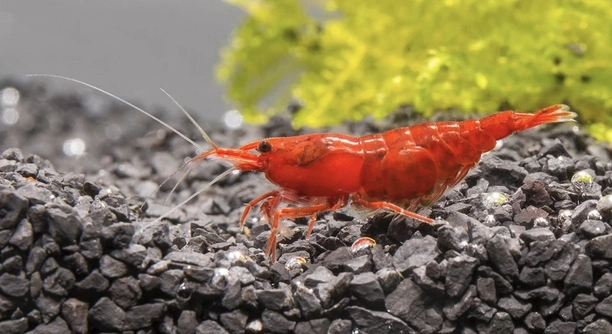
Cherry shrimp are popular for their bright colors and small size, making them a favorite for many aquarium enthusiasts. They live in freshwater tanks and enjoy exploring every corner of their environment, including tubes and pipes.
Cherry shrimp are capable of climbing airline tubing, although their success depends on the tubing’s material, smoothness, and moisture levels. They use their tiny legs and suction-like abilities to grip surfaces, but steep or dry tubes may prevent full passage.
Knowing how shrimp interact with tubing can help maintain a safe and secure aquarium setup for them to thrive in.
How Cherry Shrimp Navigate Tubing
Cherry shrimp move through airline tubing using their small legs and tiny claws. They can grip surfaces that are slightly rough or wet, which helps them climb short lengths of tubing. Smooth or vertical tubing can be much harder for them to navigate. Their natural instinct to explore every corner of the tank encourages this behavior. They are drawn to areas with water flow and food particles, which often exist in tubing. Moisture levels are very important; shrimp will struggle to climb dry tubing or tubes that are exposed to air. Some shrimp may attempt the climb and fail, while others succeed slowly over time. Tank setup, tube placement, and water conditions can all influence whether they make it through tubing. Observing shrimp in tubing can help you understand how they interact with their environment and prevent unwanted escapes.
Shrimp climbing tubing is more common than many people realize, but it can usually be controlled with proper setup.
Even though they are small, shrimp can be surprisingly strong. By maintaining moist, slightly textured tubing, and avoiding long vertical stretches, most shrimp can be guided safely. Tube placement near plants or hiding spots can give them motivation to climb safely. Regular maintenance prevents blockages or dangerous air gaps that could trap shrimp. Understanding their behavior ensures a secure tank and keeps shrimp healthy.
Preventing Shrimp from Escaping Tubing
Keeping tubing short and horizontal reduces climbing attempts and minimizes risk.
Choosing tubing with smooth surfaces or adding barriers prevents shrimp from leaving their intended area. Airline tubing should be checked for bends, gaps, or dry sections that might encourage climbing. Regular inspection allows you to correct risky setups before shrimp try to escape. Avoid positioning tubing near tank edges where shrimp could fall. Using siphons, check valves, or protective covers helps maintain a safe environment. Proper water flow through tubing also discourages climbing by keeping them focused on current rather than exploration. Observing shrimp behavior periodically ensures that changes in their activity don’t go unnoticed, allowing for prompt adjustments to tubing arrangements and tank safety measures. These steps combined create a controlled habitat that reduces stress and protects your shrimp effectively.
Choosing the Right Tubing
Soft, flexible tubing is easier for shrimp to climb, while rigid or smooth plastic tubing limits movement. Tubing diameter also matters; narrow tubes make it harder for shrimp to pass, whereas wider tubes may allow easier climbing but require proper support to prevent sagging.
Selecting tubing material can prevent unwanted climbing and escapes. Flexible silicone or rubber tubing provides grip, which can be helpful in guiding shrimp through intended paths. Avoid clear, slick plastic if you want to control movement. Installing tubing horizontally or at a slight angle reduces vertical climbing challenges. Also, tubing should be free of sharp bends that may trap shrimp or damage their tiny legs. Regularly inspecting tubing ensures no buildup of algae or debris that might create unsafe surfaces or allow shrimp to climb unintentionally. Proper planning with tubing placement enhances both tank safety and shrimp well-being.
Tubing placement near natural elements, like moss or plants, encourages shrimp to use the tubing as part of their environment safely. Moisture and gentle water flow further guide their movement. Avoid tubing that is too long or steep, as this increases stress and risk of injury. Shrimp may climb slower than expected, so monitoring them during the first few days helps determine if adjustments are needed. Using barriers or slightly rough surfaces in strategic spots ensures shrimp remain on the intended path. Observing behavior over time allows for fine-tuning, improving tank management.
Common Tubing Mistakes
Using vertical tubing increases the likelihood of climbing and potential escapes. Misaligned or dry tubing sections also create hazards for shrimp.
Long tubing runs without support can sag or create air pockets, making climbing dangerous for shrimp. Smooth tubing surfaces allow shrimp to slip or get stuck, which can cause injury. Tubing placed near tank edges increases the risk of falls, while improper connections can leak water and disrupt the tank environment. Failing to monitor tubing moisture and cleanliness may encourage shrimp to attempt climbing in unsafe areas. Even minor gaps between tubing and tank surfaces provide opportunities for shrimp to squeeze through unexpectedly. Correcting these issues helps maintain a safe and controlled habitat.
Shrimp climbing behavior is often underestimated, and minor tubing mistakes can have major consequences. Ensuring tubing is secure, supported, and free of slick surfaces prevents unnecessary stress. Avoid long vertical runs and keep tubing near the tank bottom whenever possible. Moistening tubing surfaces and keeping water flow consistent encourages shrimp to follow safe paths. Regular observation identifies weak spots or problem areas early, allowing adjustments before escapes occur. Even small barriers or slightly textured tubing surfaces can make a significant difference in controlling shrimp movement. Combining these precautions ensures that your shrimp remain safe while maintaining their natural exploration instincts.
Observing Shrimp Behavior
Shrimp often explore tubing out of curiosity or to find food. Watching their movement can reveal which areas they prefer and which tubing sections are more challenging. Regular observation helps prevent escapes and ensures their environment remains safe.
Noticing patterns in climbing behavior allows you to adjust tubing placement or add small barriers. This proactive approach reduces stress and keeps shrimp in controlled areas, making tank maintenance easier and safer.
Moisture and Climbing
Keeping tubing consistently wet discourages shrimp from attempting difficult climbs. Dry sections make climbing harder, and shrimp may get stuck or injured. Moisture acts as a natural guide, allowing shrimp to move safely through intended paths and reducing the risk of unwanted escapes.
Aquarium Layout Tips
Position tubing near plants, rocks, or decorations to give shrimp visual cues and gentle support. This encourages safer movement and keeps them engaged with their environment rather than attempting risky climbs.
Regular Maintenance
Inspect tubing weekly for blockages, algae, or wear. Clean and replace damaged sections promptly to maintain a safe, secure passage for shrimp. Proper upkeep prevents hazards and ensures smooth water flow, reducing escape attempts and supporting shrimp health.
FAQ
Can cherry shrimp climb out of the tank through tubing?
Yes, cherry shrimp can climb tubing if it is vertical, textured, or moist. They use their tiny legs and claws to grip surfaces, but smooth or dry tubing is much harder for them to navigate. Proper placement and maintenance of tubing reduce escape risks.
What type of tubing is safest for cherry shrimp?
Flexible silicone or soft rubber tubing is ideal. These materials provide a slight grip that allows shrimp to move safely. Avoid slick plastic or long vertical tubing, as these increase climbing difficulty and the chance of shrimp getting stuck or injured.
How can I prevent shrimp from escaping through tubing?
Keep tubing short, horizontal, and supported. Adding small barriers or slightly rough surfaces discourages climbing. Position tubing near plants or decorations to guide shrimp movement. Regular observation ensures any risky areas are identified and corrected quickly.
Does water flow affect climbing behavior?
Yes, water flow plays a role. Gentle, consistent flow encourages shrimp to follow the current instead of attempting risky climbs. Stagnant or uneven flow can motivate them to explore alternative routes, including tubing sections they might otherwise avoid.
Can shrimp survive if they get stuck in tubing?
Shrimp may survive if stuck briefly, but prolonged entrapment can cause stress or injury. Smooth surfaces, moisture, and proper tubing diameter reduce the risk. Monitoring tubing regularly ensures shrimp do not encounter dangerous obstacles.
Should I add texture inside the tubing for shrimp?
Adding slight texture can help shrimp move through tubing safely, especially in horizontal sections. Avoid rough or jagged surfaces that could injure them. A gentle texture helps them maintain grip without causing harm, encouraging controlled movement.
Is vertical tubing always dangerous for shrimp?
Vertical tubing increases the risk but can be managed. Shorter vertical sections with moisture or support reduce climbing difficulty. Long or unsupported vertical tubing should be avoided to prevent injury or accidental escape.
How often should I check tubing in my tank?
Weekly inspections are recommended. Check for blockages, algae, damage, or dry sections. Cleaning and repairing tubing promptly ensures smooth water flow, safe passage for shrimp, and reduces climbing attempts.
Can shrimp climb back down tubing safely?
Yes, they can descend if the surface provides grip and is moist. Smooth, dry tubing makes downward movement difficult and increases the risk of falls. Maintaining proper moisture and texture is essential for safe movement.
Are baby shrimp more likely to climb tubing?
Juvenile shrimp are smaller and lighter, so they may climb more easily, but they are also more fragile. Extra care with tubing placement, moisture, and smooth surfaces helps protect them from injury during exploration.
Does tubing length affect shrimp climbing?
Yes, longer tubing increases risk. Shorter, horizontal tubing reduces climbing difficulty and minimizes escape chances. Supporting long tubing runs and avoiding steep angles keeps shrimp safe while maintaining effective water flow.
Can other tank decorations reduce climbing attempts?
Yes, plants, moss, and rocks give shrimp alternative routes and visual cues. Providing appealing areas near tubing can reduce the likelihood of them attempting risky climbs, keeping them safer and more comfortable.
Is it normal for shrimp to explore tubing frequently?
Exploration is natural behavior. Shrimp are curious and search for food or hiding spots. While some climbing is expected, consistent monitoring and safe tubing placement prevent stress and injury, ensuring a secure tank environment.
How do I know if my tubing is unsafe?
Signs include shrimp frequently attempting to climb, getting stuck, or showing stress near tubing. Smooth, dry, or unsupported tubing sections increase risk. Regular observation and minor adjustments prevent accidents and maintain shrimp safety.
Can tubing design affect shrimp health?
Yes, unsafe tubing can lead to stress, injury, or restricted movement, impacting overall health. Properly positioned, moist, and supported tubing supports safe exploration and reduces risks, promoting a healthier environment for shrimp.
What should I do if a shrimp gets stuck?
Gently remove the shrimp immediately, avoiding rough handling. Inspect and adjust the tubing to prevent future incidents. Maintaining moisture and smooth surfaces reduces climbing challenges and helps keep shrimp safe over time.
Are there ways to train shrimp to avoid tubing?
While shrimp cannot be trained like pets, arranging their environment with appealing plants, hiding spots, and controlled tubing encourages safe exploration. Ensuring tubing is horizontal, moist, and free of sharp edges discourages risky climbing behavior.
Does temperature affect climbing behavior?
Temperature influences activity levels. Warmer water may make shrimp more active, increasing exploration, while cooler water slows them down. Maintaining stable, appropriate temperatures helps control climbing tendencies and keeps shrimp healthy.
Can tubing placement near lights affect shrimp climbing?
Yes, shrimp may avoid bright areas or move toward shaded spots. Placing tubing near plants or shaded areas encourages safer movement, while bright, exposed tubing can increase stress or risky climbing attempts.
Is it necessary to change tubing material over time?
Yes, tubing can wear, accumulate algae, or become slick over time. Replacing or cleaning tubing ensures safe surfaces, proper water flow, and reduces the likelihood of shrimp climbing and getting injured.
Final Thoughts
Cherry shrimp are small, delicate creatures that can surprise you with their climbing abilities. Even though they appear fragile, they are naturally curious and will explore every part of their environment, including airline tubing. Understanding this behavior is important for maintaining a safe aquarium. By observing how they interact with tubing, you can identify which areas are risky and make adjustments to prevent escapes or injuries. Simple changes, like adjusting the tubing angle, keeping surfaces moist, or using slightly textured materials, can make a big difference in their safety. Paying attention to these details ensures that your shrimp remain healthy and secure while still having the space to move and explore.
Tubing material and placement are key factors in controlling climbing behavior. Soft, flexible tubing allows shrimp to move safely when needed, while rigid or smooth plastic tubing can cause slips or entrapment. Keeping tubing horizontal or at a slight angle reduces vertical challenges, which are harder for shrimp to navigate. Positioning tubing near plants, moss, or decorations provides visual and physical cues that guide movement naturally. Regular inspection and cleaning of tubing also prevent blockages, dry sections, or algae buildup, all of which can create hazards. These simple practices help maintain both proper water flow and a controlled environment, reducing stress for your shrimp.
Finally, it is important to recognize that climbing is a natural part of shrimp behavior. It is not something that can or should be completely eliminated, but it can be managed effectively with proper tank design and maintenance. Observing shrimp daily allows you to spot potential problems before they become serious. Paying attention to moisture, tubing placement, and surface texture will help create a safe and functional environment. By taking these steps, you can ensure that your shrimp thrive in their tank, explore safely, and remain protected from injuries or accidental escapes. Careful management of tubing and attention to shrimp behavior provide a balance between their natural curiosity and the need for a secure habitat, keeping both your tank and its tiny inhabitants in optimal condition.

Hello,
If you enjoy the content that we create, please consider saying a "Thank You!" by leaving a tip.
Every little bit helps us continue crafting quality advice that supports the health, happiness, and well-being of pets around the world, for pets of all shapes, sizes, and species.
We really appreciate the kindness and support that you show us!