
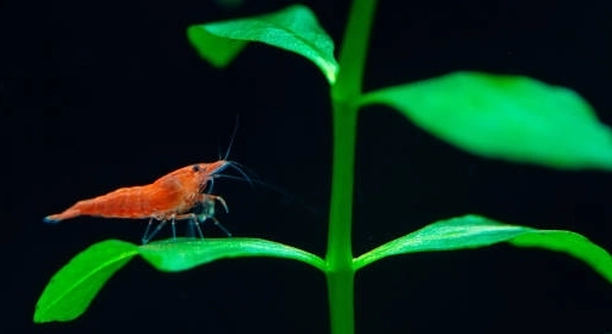
Are your cherry shrimp constantly scraping the glass in your aquarium, leaving tiny streaks along the sides? Many shrimp owners notice this behavior and wonder if it signals a problem or is just part of their natural habits.
Cherry shrimp scrape the glass primarily to feed on biofilm and algae that accumulate on surfaces. This activity is normal and indicates that the shrimp are foraging effectively, maintaining their diet, and contributing to the tank’s cleanliness.
Observing this behavior closely can help ensure your shrimp stay healthy and that the aquarium environment remains balanced for all its inhabitants.
Understanding Biofilm and Algae
Biofilm and algae naturally form in aquariums, especially where light and nutrients are abundant. Cherry shrimp scrape the glass to feed on this thin layer of microorganisms. While it may look like they are just scratching, they are actually obtaining essential nutrients that support growth, molting, and overall health. Providing a balanced diet with high-quality shrimp food complements this natural feeding behavior and ensures your shrimp are not relying solely on the tank’s surfaces. Over time, regular glass scraping can help control excessive algae buildup and keep the aquarium cleaner. Observing where your shrimp spend most of their time can indicate which areas of the tank may need more attention. Factors such as light duration, water quality, and tank cleanliness influence how much biofilm forms. Adjusting these conditions can make feeding more effective and prevent excessive algae that could compete with your shrimp for resources.
Scraping the glass is a natural, healthy behavior that indicates active feeding. It’s a positive sign of shrimp well-being.
Maintaining proper water parameters and monitoring light exposure helps reduce algae overgrowth. Cherry shrimp thrive in stable conditions with balanced nutrition. Keeping the tank clean and feeding appropriately ensures that scraping remains a productive behavior rather than a symptom of stress or nutrient deficiency. Observing patterns in glass scraping can help identify whether your shrimp are receiving enough food or if adjustments in diet or tank maintenance are necessary. Over time, a stable environment will allow your shrimp to exhibit this behavior without negatively impacting the tank’s aesthetic or health of other aquatic life.
Stress and Environmental Factors
Shrimp may scrape glass due to stress or environmental changes. Temperature swings, poor water quality, or sudden additions to the tank can trigger increased activity.
Stress-induced scraping may appear more frequent or frantic compared to normal feeding behavior. Consistent water parameters, gentle filtration, and avoiding overcrowding can reduce stress.
Observing tank conditions closely is important. Sudden changes in water chemistry, high nitrate levels, or fluctuating temperatures can cause shrimp to search for food more aggressively or display erratic movement. Providing hiding places such as plants or decorations helps them feel secure and reduces stress-driven scraping. Regular water testing and gradual adjustments to tank conditions maintain stability. Proper filtration ensures clean water while avoiding strong currents that could disturb shrimp. Keeping a consistent feeding schedule with a mix of biofilm and commercial foods supports both nutrition and mental stimulation. Over time, monitoring and improving environmental factors allows shrimp to scrape glass naturally, without excessive behavior caused by discomfort or stress.
Overfeeding and Its Impact
Overfeeding can increase glass scraping as shrimp seek uneaten food. Excess food decays, encouraging algae and biofilm growth, which draws shrimp to the glass.
Excess nutrients from leftover food can cause rapid algae growth, making shrimp more active in scraping surfaces. While feeding regularly is important, too much food can disrupt water quality and increase maintenance. Shrimp will naturally forage wherever food is present, so monitoring portions ensures the tank remains balanced. Limiting overfeeding reduces unnecessary scraping and supports healthier water conditions for all tank inhabitants. Observing feeding behavior helps gauge the right amount of food.
Adjusting feeding habits ensures shrimp focus on natural foraging rather than cleaning surfaces excessively. Balanced feeding keeps the tank cleaner and shrimp healthier. Proper food distribution prevents competition and minimizes stress.
Molting and Natural Behavior
Molting can make shrimp more active on surfaces as they seek minerals or biofilm for recovery. This behavior is temporary and normal.
During and after molting, shrimp require additional nutrients to harden their new exoskeleton. They may scrape surfaces more often to ingest biofilm or leftover calcium deposits. Providing high-quality food and mineral supplements helps them recover faster. Tank conditions should remain stable to prevent stress during this vulnerable period. Molting cycles vary by age and health, and increased surface activity is a natural indicator of growth and development. Observing patterns in scraping can reveal whether shrimp are molting or reacting to environmental factors. Keeping a calm environment supports smoother molting cycles.
Water Quality and Maintenance
Poor water quality can cause shrimp to scrape surfaces more frequently. High ammonia, nitrite, or nitrate levels make shrimp search for cleaner areas to feed and explore.
Regular water changes and monitoring parameters reduce stress and prevent excessive scraping. Stable conditions support shrimp health and natural behaviors.
Tank Setup Considerations
Shrimp are drawn to surfaces with plenty of hiding spots and plants. Smooth glass offers an easy area for scraping, while moss, rocks, and decorations provide additional foraging surfaces. Proper tank layout encourages balanced activity and reduces over-concentration on the glass.
Identifying Signs of Illness
Excessive glass scraping can indicate potential health issues if paired with lethargy, discoloration, or unusual swimming patterns. Early detection allows for timely intervention.
Keeping a close eye on shrimp behavior and environmental conditions helps distinguish normal activity from signs of illness. Prompt action ensures shrimp recover quickly and continue healthy foraging habits.
FAQ
Why are my cherry shrimp scraping the glass more than usual?
Increased glass scraping usually happens when biofilm or algae growth is higher than normal. It can also be influenced by overfeeding, water quality fluctuations, or molting cycles. Observing feeding habits and checking water parameters can help determine the cause. Temporary increases in scraping are often normal.
Is glass scraping harmful to my shrimp?
No, scraping itself is a natural behavior. It allows shrimp to consume biofilm and algae, which are part of their diet. Problems only arise if excessive scraping is linked to stress, poor water quality, or illness. Regular tank maintenance ensures this behavior remains healthy and productive.
How can I reduce excessive glass scraping?
Monitor feeding amounts and adjust portions to prevent leftover food from promoting excessive algae growth. Maintain stable water parameters and provide hiding spots and plants to distribute shrimp activity evenly across the tank. Reducing light exposure can also slow algae development.
Should I be worried if my shrimp scrape constantly?
Constant scraping is usually not a concern if shrimp appear healthy, active, and are molting normally. Watch for other signs of stress or illness, such as lethargy, discoloration, or abnormal swimming. Combining observation with proper tank care helps determine if intervention is necessary.
Does water quality affect glass scraping behavior?
Yes, poor water conditions can increase scraping. High ammonia, nitrite, or nitrate levels may stress shrimp, prompting them to search surfaces more actively. Regular testing, partial water changes, and stable filtration reduce stress and promote natural feeding behavior.
Can tank decorations influence scraping?
Absolutely. Shrimp often explore surfaces with moss, plants, and rocks, which provide alternative foraging areas. A well-structured tank helps prevent over-concentration on glass and encourages balanced activity throughout the aquarium.
Do shrimp scrape glass when they are molting?
Yes, molting shrimp may scrape more frequently to access biofilm or minerals needed to harden their new exoskeleton. Providing calcium-rich supplements and high-quality food supports this natural behavior and reduces vulnerability during the molting process.
How do I know if scraping is related to stress?
Stress-related scraping may appear frantic or repetitive and is often accompanied by hiding, erratic swimming, or refusal to eat. Stable water parameters, a quiet environment, and sufficient hiding spaces can reduce stress-induced behaviors.
Is feeding frequency important for glass scraping?
Feeding schedules impact scraping behavior. Shrimp that are underfed may scrape more aggressively, while overfeeding can promote excessive algae growth. Balanced, consistent feeding ensures they forage naturally without disrupting the tank environment.
Can changing tank lighting help control scraping?
Yes, controlling light duration and intensity can slow algae growth, which reduces scraping caused by overabundant biofilm. A stable light cycle paired with proper feeding and water maintenance encourages healthy, normal shrimp behavior without over-reliance on glass surfaces.
What signs indicate scraping is a health issue?
Scraping combined with lethargy, discolored shells, abnormal swimming, or molting difficulties may signal illness. Observing these signs early allows for treatment and prevents further stress, keeping the shrimp healthy and active.
Is scraping more common in certain shrimp species?
Cherry shrimp are naturally active foragers, so they tend to scrape more than other species. Behavior varies depending on age, diet, and tank conditions, but active glass scraping is usually a sign of a healthy, engaged shrimp population.
How can I encourage natural foraging without glass scraping?
Providing live plants, moss, and safe decorations increases surface area for biofilm growth. Spreading food across multiple areas encourages shrimp to explore different zones, reducing dependence on the glass and supporting a balanced, stimulating environment.
Can overcrowding affect scraping behavior?
Yes, overcrowding increases competition for food and space, leading to more frequent scraping. Maintaining an appropriate shrimp population for tank size reduces stress, ensures access to food, and prevents excessive concentration on the glass.
What role does tank maintenance play in scraping?
Regular cleaning, water changes, and monitoring of parameters prevent stress and excessive algae buildup. Proper maintenance allows shrimp to scrape naturally without overindulging on the glass due to imbalances in the tank ecosystem.
Does temperature influence scraping behavior?
Temperature fluctuations can stress shrimp and change activity levels, sometimes increasing glass scraping. Maintaining a stable temperature within the species’ preferred range helps shrimp forage naturally and stay healthy.
How long does glass scraping behavior last during molting?
Increased scraping during molting is temporary, usually lasting until the exoskeleton hardens. Providing proper nutrition and maintaining stable water conditions supports smooth molting cycles and reduces vulnerability during this period.
Can I use supplements to reduce scraping?
Yes, providing calcium or mineral supplements can help shrimp meet nutritional needs from biofilm and algae, reducing the need to scrape excessively. These supplements support exoskeleton strength and overall health.
Should I clean the glass if shrimp are scraping?
Minimal cleaning is fine. Glass scraping is natural and helps control algae. Excessive cleaning may remove biofilm and discourage natural feeding, so maintain a balance that supports shrimp activity without letting algae overgrow.
Is it normal for shrimp to scrape at night?
Yes, shrimp are often more active during low-light periods. Nighttime scraping is typical and part of their natural foraging behavior, especially if they feel safe and undisturbed.
Glass scraping is a natural and common behavior among cherry shrimp. They do it primarily to feed on biofilm and algae, which are important parts of their diet. Observing your shrimp scraping the glass is usually a positive sign, showing that they are active and foraging properly. Regular monitoring of their behavior can help you understand what is normal for your tank and notice any sudden changes that might indicate stress or illness. Many shrimp owners find the scraping behavior reassuring because it shows that their shrimp are engaging with their environment and maintaining their natural feeding habits. While it may leave streaks on the aquarium glass, it is not harmful to the shrimp and is part of their normal routine.
Maintaining the right tank conditions is key to ensuring that glass scraping remains healthy and not a symptom of a problem. Stable water parameters, such as ammonia, nitrite, nitrate, and pH levels, support shrimp health and prevent stress-driven behaviors. Overfeeding can also influence scraping, as leftover food promotes algae growth, which attracts shrimp to the glass more frequently. Providing a balanced diet, along with live plants, moss, and decorations, creates alternative surfaces for foraging and reduces excessive scraping in one area. Attention to water temperature, filtration, and lighting cycles further helps maintain a stable environment. A well-maintained tank ensures that shrimp can scrape naturally without it signaling a problem, and it supports their overall well-being.
Finally, observing patterns in shrimp behavior can give insight into other factors, such as molting cycles or minor stressors. Increased scraping during molting is normal, as shrimp may seek biofilm or minerals to support new exoskeleton growth. Environmental stress, such as sudden water changes, overcrowding, or insufficient hiding spots, may also temporarily increase glass scraping. Understanding these nuances allows you to distinguish normal activity from signs of potential issues. By maintaining proper feeding, stable water conditions, and a suitable tank setup, you support healthy foraging behavior while keeping the aquarium balanced. Paying close attention to these details ensures that glass scraping remains a harmless and natural part of your cherry shrimp’s daily life.

Hello,
If you enjoy the content that we create, please consider saying a "Thank You!" by leaving a tip.
Every little bit helps us continue crafting quality advice that supports the health, happiness, and well-being of pets around the world, for pets of all shapes, sizes, and species.
We really appreciate the kindness and support that you show us!